

Spine Painful to Touch: Common Causes, Related Conditions, and When to See a Doctor

Pain in muscles beside the spine is commonly linked to strain, overuse, or posture, while pain directly over a bone may need closer evaluation. A recent fall, accident, or known osteoporosis can increase the chance that spinal tenderness is due to a compression fracture or other injury.
Key Takeaways
- Pain in muscles beside the spine is commonly linked to strain, overuse, or posture, while pain directly over a bone may need closer evaluation.
- A recent fall, accident, or known osteoporosis can increase the chance that spinal tenderness is due to a compression fracture or other injury.
- Fever, chills, worsening night pain, numbness, weakness, or bladder or bowel changes are warning signs requiring urgent medical care.
- A clinician may use a physical examination and, when indicated, blood tests or imaging to identify the cause.
- Gentle movement, activity modification, and appropriate pain relief may help minor strain, but persistent or worsening pain should not be self-diagnosed.
A spine painful to touch can result from irritated muscles, minor injury, posture-related strain, or inflammation around the back. Although it is often not serious, focal tenderness directly over a vertebra—especially after trauma or with fever, weakness, or unexplained weight loss—should be assessed by a doctor.
Overview: What Does It Mean When the Spine Is Painful to Touch?
When the spine is painful to touch, the discomfort may come from structures in or around the back: skin, muscles, ligaments, joints, nerves, or the vertebrae themselves. Pain may be felt when pressing along the midline bones of the back, beside the spine in the muscles, or over one localized area. The exact location and accompanying symptoms help clinicians understand the possible cause.
In many people, tenderness is related to a minor muscle strain, an awkward movement, prolonged sitting, exercise, or a small bruise. These problems often improve gradually with sensible self-care. However, new severe tenderness over a single vertebra, especially after injury or in a person at higher risk of bone fragility, deserves medical advice.
Back tenderness is a symptom rather than a diagnosis. A careful assessment is important when pain persists, interferes with normal activity, or is accompanied by signs of illness or nerve involvement. Most causes can be managed effectively once the source of the pain is identified.
How the Location and Pattern of Tenderness Can Help
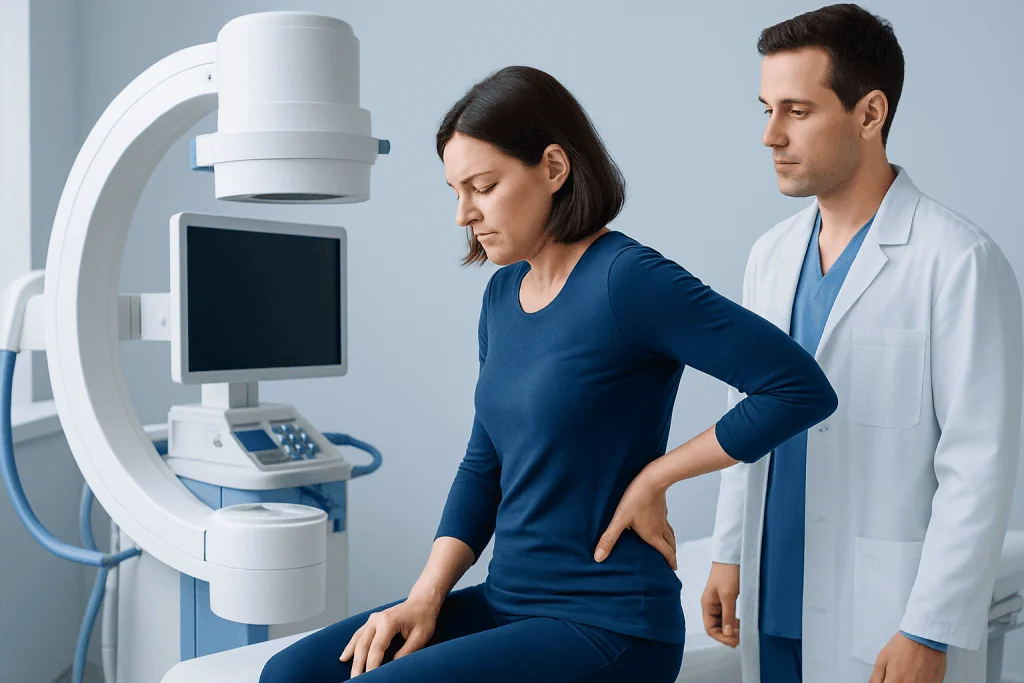
Tenderness in the muscles on either side of the spine commonly occurs after lifting, repetitive activity, sudden twisting, prolonged poor posture, or an unfamiliar workout. It may feel sore, tight, or stiff, and may become more noticeable with certain movements. Muscle-related pain often improves over days to a few weeks, although recovery can vary.
Pain precisely over the center of the spine can involve the bony vertebrae, the small facet joints, ligaments, or the discs between the vertebrae. Focal midline tenderness is particularly important after a fall, motor vehicle collision, sports injury, or other forceful impact. It may also occur with vertebral compression fractures, which can happen after relatively minor strain in people with osteoporosis.
The timing matters as well. Pain that starts shortly after exertion and improves with rest is often mechanical. Pain that is constant, progressively worsening, wakes a person regularly at night, or occurs with systemic symptoms such as fever should be evaluated more promptly. A clinician will consider the whole pattern rather than relying on tenderness alone.
Common Causes of a Tender Spine

Muscle strain and soft-tissue irritation are among the most frequent explanations. Overloading the back, lifting with poor technique, sudden movement, coughing intensely, or sitting in one position for long periods can irritate muscles and connective tissues. A superficial skin injury, insect bite, rash, or bruise can also make an area of the back sore when touched.
Mechanical conditions affecting the spine may contribute to local pain and stiffness. These include age-related changes in spinal joints, disc-related pain, and altered movement patterns. When a disc or narrowed space in the spine irritates a nerve, pain may travel into the buttock, leg, arm, or chest wall depending on the affected level. Related conditions can include scoliosis, in which spinal curvature may alter muscle loading and contribute to uneven back discomfort.
Less commonly, tenderness can occur because of a fracture, inflammatory arthritis, an infection involving the spine or surrounding tissues, or cancer affecting bone. These causes are not the usual explanation for uncomplicated back pain, but they are important to rule out when there are warning signs, relevant medical history, or pain that does not follow a typical recovery pattern.
- Minor trauma or bruising: pain is often localized and may include skin discoloration or swelling.
- Compression fracture: may cause sudden focal pain, reduced height, or a more rounded upper back, particularly in people with bone loss.
- Inflammation or infection: may cause persistent pain with fever, malaise, or increasing tenderness.
- Nerve irritation: may be associated with tingling, numbness, burning pain, or weakness.
Risk Factors and Related Conditions
Anyone can develop back tenderness, but certain factors make it more likely. Repetitive lifting, physically demanding work, inactivity followed by sudden exertion, inadequate recovery after exercise, and long periods of sitting can strain the back. Stress and poor sleep can also heighten the experience of pain and muscle tension.
Age-related bone loss, menopause, long-term use of some medicines that affect bone strength, and previous fractures can raise the risk of vertebral compression fractures. People who have had cancer, immune suppression, a recent serious infection, or intravenous drug use may need more urgent evaluation if they develop new, persistent spinal pain because these factors can change the range of possible causes.
Some structural or degenerative spinal conditions can lead to recurring discomfort. For example, a herniated disc may cause pain with nerve symptoms, while degenerative changes may produce stiffness and pain during movement. These conditions cannot be confirmed from tenderness alone; a professional examination is needed to determine whether they are contributing.
How Doctors Diagnose the Cause
A doctor usually begins by asking when the pain started, where it is located, what makes it better or worse, and whether there was an injury, illness, or change in activity. They will also ask about fever, weight changes, nighttime pain, medical conditions, medications, and symptoms affecting the legs, arms, bladder, or bowel.
The physical examination may include checking posture, movement, muscle spasm, areas of tenderness, strength, reflexes, sensation, and walking. The clinician may distinguish pain in the soft tissues beside the spine from pain directly over the vertebrae. This helps determine whether simple conservative care is reasonable or whether further testing is needed.
Imaging is not necessary for every episode of back pain. X-rays can help identify some fractures or alignment concerns, while MRI or CT may be used when there is suspected nerve compression, fracture, infection, tumor, or persistent symptoms that have not improved as expected. Blood tests may be appropriate when inflammation or infection is suspected.
Treatment Options and Everyday Self-Care
Treatment depends on the underlying cause. For a simple strain or bruise, clinicians commonly recommend maintaining gentle activity rather than prolonged bed rest, temporarily avoiding movements that sharply worsen pain, and gradually returning to normal tasks. Heat or cold packs may provide short-term comfort; a cloth should be placed between the skin and the pack to prevent injury.
A doctor or pharmacist can advise whether non-prescription pain-relieving medicines are suitable, taking account of an individual’s health conditions and other medications. Gentle stretching, physical therapy, and guidance on posture, lifting, and strengthening may be helpful when pain persists or recurs. Rehabilitation is tailored to the diagnosis and the person’s functional goals.
If a fracture, significant nerve compression, inflammatory condition, or infection is identified, management is more specialized. This may include targeted medication, bracing, rehabilitation, or procedures in selected cases. Some people with persistent disc-related symptoms may be assessed for spine surgery, although surgery is not needed for most episodes of back pain.
At Acibadem International, multidisciplinary specialists in JCI-accredited hospitals assess and treat spinal conditions for international patients, with care plans based on the individual diagnosis and clinical needs.
When to Seek Medical Care
Medical advice is appropriate for spine tenderness that is severe, lasts longer than a few weeks, keeps returning, or limits walking, work, sleep, or everyday activities. An appointment should also be arranged after a fall or accident, particularly for older adults or people with osteoporosis, because spinal fractures are not always immediately obvious.
Urgent assessment is needed for back or spinal pain with fever, chills, unexplained weight loss, a history of cancer, severe or worsening pain at rest, or a recent serious infection. Prompt medical evaluation is also important if pain is accompanied by new leg or arm weakness, increasing numbness, trouble walking, or loss of bladder or bowel control.
People should seek emergency care after significant trauma or when severe pain occurs with new neurological symptoms. These signs do not necessarily mean a serious condition is present, but timely assessment helps clinicians identify problems that need prompt treatment.
Frequently asked questions
Why is my spine painful when I press on it?
Pain when pressing on the back can come from sore muscles, bruised soft tissues, irritated joints, or structures in the spine itself. It is often related to strain or minor injury, but focal pain directly over one vertebra should be assessed if it is severe, persistent, or follows trauma.
Is tenderness along the spine a sign of a slipped disc?
A disc problem can cause back pain, but tenderness by itself does not confirm a slipped or herniated disc. Disc-related nerve irritation more often causes pain spreading into an arm or leg, tingling, numbness, or weakness. A clinician can determine whether examination or imaging is appropriate.
Can poor posture make the spine tender to touch?
Yes. Prolonged sitting, sustained awkward positions, and poor ergonomic support can overload muscles and small joints around the spine. This may cause aching, tightness, and tenderness, especially in the neck, upper back, or lower back.
Should I use heat or ice for a tender back?
Both may offer temporary relief for uncomplicated muscle or soft-tissue pain. Cold is often preferred soon after a fresh injury or swelling, while warmth may help stiffness and muscle tension. Use either briefly with a protective layer and stop if it worsens symptoms or irritates the skin.
Can osteoporosis cause the spine to hurt when touched?
Osteoporosis itself is usually painless, but it increases the risk of vertebral compression fractures. These fractures can cause sudden or gradual focal back pain and tenderness, sometimes after a minor movement or injury. Medical assessment is important when fracture is possible.
When is painful spinal tenderness an emergency?
Emergency care is needed if spinal pain follows major trauma or occurs with new weakness, numbness around the groin, inability to walk normally, or loss of bladder or bowel control. Urgent evaluation is also needed with fever, severe unrelenting pain, or rapidly worsening symptoms.
References
- National Institute of Arthritis and Musculoskeletal and Skin Diseases
- American Academy of Orthopaedic Surgeons
- National Institute for Health and Care Excellence
- American College of Radiology
- World Health Organization
This article is for general information only and is not a substitute for professional medical advice. Please consult a qualified doctor about your individual situation.
Medical weight-loss options in Turkey — costs & eligibility
JCI-accredited · board-certified surgeons · reply within 24h
Add us as a Preferred Source to see more of our trusted health content across Google Search, AI Overviews and Discover.

More from the Health Library


Related Specialists

Dr. Burcu Aydemir Efelerli
Internal Medicine
Assoc. Prof. Dr. Enver Mahir Gülcan
Pediatric Gastroenterology
Dr. Emre Şentürk
Anesthesiology
Dr. Cem Öz
Aesthetic Plastic & Reconstructive Surgery