Spine Surgery Second Opinion: When It Is Worth Getting Another Review

A second opinion can confirm the diagnosis and recommended treatment plan. It is often helpful before major spine surgery, especially if symptoms are complex or imaging findings are unclear.
Key Takeaways
- A second opinion can confirm the diagnosis and recommended treatment plan.
- It is often helpful before major spine surgery, especially if symptoms are complex or imaging findings are unclear.
- Another specialist may suggest non-surgical care, a different procedure, or a different timing for surgery.
- Patients should bring imaging, reports, and a symptom history to make the review more useful.
- Seeking another opinion is common and can support informed, confident decision-making.
A spine surgery second opinion can help patients better understand their diagnosis, confirm whether surgery is needed, and explore all suitable treatment options. In many cases, another specialist’s review brings clarity and confidence before making an important decision.
Overview
A spine surgery second opinion means asking another qualified specialist to review the diagnosis, symptoms, imaging, and treatment plan before moving forward with an operation. This is a common step in spine care and can be especially valuable when surgery is elective rather than urgently needed. It gives patients more information and helps them feel more confident about the next decision.
Back and neck pain can have many causes, and imaging findings do not always explain a person’s symptoms perfectly. For that reason, two experienced specialists may not always recommend exactly the same approach at first glance. A second opinion does not mean the first doctor is wrong. Instead, it is a practical way to confirm the problem and match treatment to the patient’s goals, daily function, and overall health.
In some situations, the second review supports the original recommendation for surgery. In others, it may identify additional non-surgical options, suggest a different type of operation, or recommend waiting and monitoring symptoms. The aim is not simply to avoid surgery, but to make sure any procedure is appropriate, timely, and likely to help.
When a Second Opinion Is Worth Getting
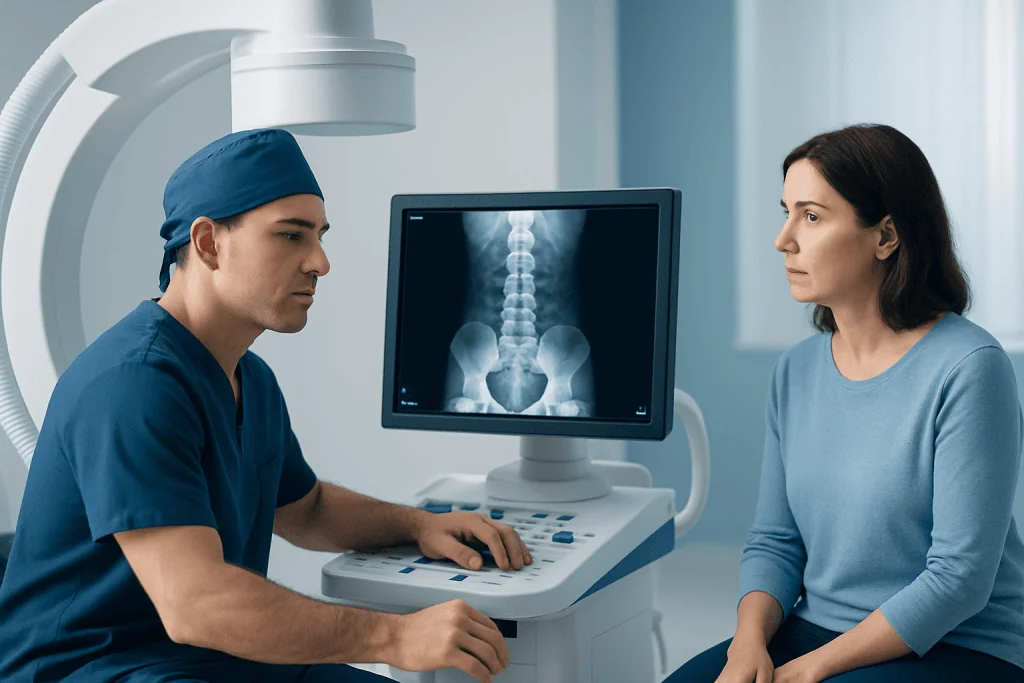
A second opinion is often worth considering when spine surgery has been recommended for a non-emergency condition. This may include situations such as a herniated disc, spinal stenosis, scoliosis, degenerative disc disease, or persistent nerve compression. It can also be useful if symptoms have lasted a long time, treatments have not worked, or the proposed surgery seems extensive.
Patients may benefit from another review if they have been told they need spinal fusion, multi-level surgery, revision surgery, or an operation involving implants or hardware. Another opinion can also help when imaging results and symptoms do not seem to match, or when the explanation for pain remains uncertain. If the diagnosis includes conditions such as scoliosis or suspected herniated disc, an additional specialist may help clarify whether the spinal changes are truly driving the symptoms.
It is also reasonable to seek another opinion if the patient feels rushed, confused, or unsure about the recommendations. Surgery decisions are easier when patients understand the expected benefits, risks, recovery time, and alternatives. A careful second review can improve that understanding and reduce uncertainty.
A second opinion may be especially important when:
- Symptoms are significant, but the diagnosis is unclear
- Different doctors have given different explanations
- Surgery is major, complex, or not urgent
- The patient has other health conditions that may affect recovery
- Previous spine surgery did not fully relieve symptoms
Signs the Surgical Plan Should Be Reviewed Carefully

Not every recommendation for surgery needs immediate concern, but some situations deserve especially careful review. One example is when severe pain is present but the imaging findings are mild or found in several possible locations. Another is when the planned procedure seems larger than expected, such as a fusion for symptoms that may be related to a more limited problem. In these cases, a second specialist can help determine whether the proposed operation directly addresses the source of symptoms.
Revision surgery also benefits from a detailed second look. Scar tissue, altered anatomy, and persistent symptoms after an earlier operation can make decision-making more complex. Another surgeon may evaluate whether the original problem remains, whether a new issue has developed, or whether a different strategy could offer a better balance of benefit and risk.
Urgency matters as well. Sudden loss of bowel or bladder control, rapidly worsening weakness, severe trauma, infection, or suspected spinal cord compression may require prompt emergency assessment rather than a delayed second opinion. In those situations, the priority is immediate medical care. For most chronic or slowly changing conditions, however, there is often time to gather more information before deciding on surgery.
What a Spine Specialist Reviews
During a spine surgery second opinion, the specialist usually reviews more than the MRI report alone. A useful assessment includes the patient’s medical history, pattern of symptoms, physical examination findings, previous treatments, and how symptoms affect walking, sleep, work, and daily activities. This full picture helps determine whether imaging abnormalities are likely to be meaningful or simply age-related changes.
The doctor may examine how symptoms have responded to treatments such as physical therapy, activity modification, anti-inflammatory medicines, injections, or rehabilitation. If surgery is still being considered, the specialist may discuss whether a less invasive procedure, such as microdiscectomy, could be suitable in selected cases, or whether broader stabilization is truly necessary.
Imaging may be re-read or repeated if it is outdated, incomplete, or does not explain the symptoms well. Sometimes additional tests, such as X-rays taken while standing, CT scans, or nerve studies, are suggested to better understand spinal alignment, bone structure, instability, or nerve involvement. This step is especially relevant when conditions such as spinal stenosis are suspected but symptoms are mixed or overlap with hip, knee, or vascular problems.
Possible Outcomes of a Second Opinion
A second opinion can lead to several different outcomes. In some cases, the new specialist agrees fully with the original diagnosis and surgical plan. This can reassure the patient that surgery is appropriate and help them move forward with greater confidence. Agreement between specialists is often helpful, especially when the operation is complex or recovery may be lengthy.
In other cases, the second opinion may suggest a different operation, a different timing for surgery, or a trial of non-surgical care first. For example, a person offered a fusion may learn that decompression alone could be considered in selected situations, or that more targeted treatment is possible. Some patients are instead advised to continue rehabilitation, pain management, posture support, or image-guided procedures before considering surgery.
There are also cases in which surgery remains the right option, but the recommended technique changes. Depending on the diagnosis, a specialist may discuss approaches such as spinal fusion or laminectomy based on the location of compression, instability, and the overall goals of treatment. The value of the second opinion lies in understanding why one method may be preferred over another and what realistic outcomes to expect.
How to Prepare for a Useful Second Opinion
Preparation can make a second opinion more productive. Patients should collect copies of MRI, CT, or X-ray images on disc or digital format, along with written radiology reports, clinic notes, and a list of treatments already tried. It also helps to bring information about medications, allergies, past surgeries, and other medical conditions.
Keeping a brief symptom timeline is useful. Patients may note when symptoms began, where pain travels, whether numbness or weakness is present, what makes symptoms worse or better, and how daily activities are affected. Clear details can help the specialist connect symptoms to the most likely spinal level or condition.
Questions are also important. Patients may ask what diagnosis best explains the symptoms, whether surgery is necessary now, what alternatives exist, what results are realistic, and what recovery will involve. It is reasonable to ask what might happen if surgery is delayed, and whether doing nothing for a period of time is medically safe. Good second opinions aim to inform rather than pressure.
Choosing the Right Specialist and Knowing When to Seek Care
For the most helpful second opinion, patients should look for a specialist with experience in the specific type of spine problem involved. This may be an orthopedic spine surgeon or a neurosurgeon with a strong focus on spinal conditions. In some cases, evaluation by a multidisciplinary team can be especially valuable, because chronic spine symptoms may involve surgical, rehabilitation, neurological, and pain-management considerations.
It is important to remember that a second opinion is not just about comparing doctors. It is about making sure the diagnosis is sound, the treatment goal is clear, and the expected benefits outweigh the risks. If surgery is recommended, patients should understand what symptoms the operation is most likely to improve, such as leg pain, walking tolerance, or nerve-related weakness, and what symptoms may improve less reliably, such as longstanding back stiffness.
Patients should seek prompt medical care if they develop new weakness, loss of balance, numbness in the groin area, fever with severe back pain, or changes in bowel or bladder control. These symptoms may require urgent assessment. For non-emergency cases, taking time for a careful second opinion is often wise. Near the end of this process, some patients choose an international center for multidisciplinary review; Acibadem International’s specialists and JCI-accredited hospitals diagnose and treat spine conditions for international patients.
Frequently asked questions
Is it normal to get a second opinion before spine surgery?
Yes. It is common and often encouraged before non-emergency spine surgery. A second opinion can confirm the diagnosis, review the need for surgery, and help a patient better understand available options.
Can a second opinion change the treatment plan?
Yes, it can. Another specialist may agree with the original plan, recommend a different procedure, or suggest non-surgical treatment first. The goal is to find the most suitable approach for the patient’s symptoms and spinal condition.
Should a patient get a second opinion even if the pain is severe?
Often yes, as long as the situation is not an emergency. Severe pain alone does not always mean surgery is the only answer, and another review may help clarify the cause. However, sudden weakness, bowel or bladder changes, or signs of spinal cord compression need urgent medical attention.
What should a patient bring to a spine surgery second opinion appointment?
It helps to bring imaging scans, radiology reports, clinic notes, a medication list, and a summary of symptoms. Information about prior treatments such as physical therapy, injections, or past surgeries is also useful. The more complete the records, the more precise the review can be.
Will asking for a second opinion offend the first doctor?
In most cases, no. Second opinions are a routine part of medical care, especially for major procedures. Many doctors understand that patients want to make informed decisions and may even support another specialist’s review.
Does a second opinion mean surgery can always be avoided?
No. Sometimes the second opinion confirms that surgery is the best option. The purpose is not to avoid surgery at all costs, but to make sure it is appropriate, well-timed, and based on a clear diagnosis.
References
- World Health Organization
- National Institute of Neurological Disorders and Stroke
- American Academy of Orthopaedic Surgeons
- North American Spine Society
- National Institute for Health and Care Excellence
This article is for general information only and is not a substitute for professional medical advice. Please consult a qualified doctor about your individual situation.
Spine Surgery in Turkey — costs, top hospitals & a free quote
JCI-accredited · board-certified surgeons · reply within 24h
Add us as a Preferred Source to see more of our trusted health content across Google Search, AI Overviews and Discover.