Sports nutrition: A Complete Medical Guide for Patients

Sports nutrition is not only for elite athletes; it can help anyone who exercises regularly. A balanced pattern of carbohydrates, protein, healthy fats, fluids, and key micronutrients supports performance and recovery.
Key Takeaways
- Sports nutrition is not only for elite athletes; it can help anyone who exercises regularly.
- A balanced pattern of carbohydrates, protein, healthy fats, fluids, and key micronutrients supports performance and recovery.
- Nutrition needs vary by age, sport, training load, body size, and health conditions.
- Hydration and recovery meals matter as much as pre-exercise eating.
- Supplements are not always necessary and should be chosen carefully with professional advice.
- Medical assessment is important when fatigue, dizziness, repeated injury, digestive symptoms, or unexplained weight changes occur.
Sports nutrition is the practical use of food, fluids, and timing to support exercise, recovery, and overall health. For most people, it means building balanced daily eating habits and adjusting them to training intensity, body goals, age, and any medical conditions.
Overview: what sports nutrition means
Sports nutrition is the use of food and fluid strategies to support physical activity, recovery, and general well-being. It includes what a person eats every day, how they hydrate, and when they choose meals or snacks around exercise. Good sports nutrition helps the body meet the demands of movement while also protecting long-term health.
This topic is relevant not only to professional athletes, but also to recreational runners, gym-goers, teenagers in school sports, and adults returning to exercise after illness or inactivity. The best plan depends on the person’s activity level, goals, medical history, and preferences. A strategy that suits an endurance athlete may not suit someone focused on strength training or healthy weight management.
Rather than relying on trends or restrictive rules, a medical approach to sports nutrition focuses on safety, balance, and individual needs. It considers energy intake, hydration, muscle recovery, bone health, digestive comfort, and the prevention of issues such as overtraining, nutrient deficiency, and dehydration.
How the body uses fuel during exercise
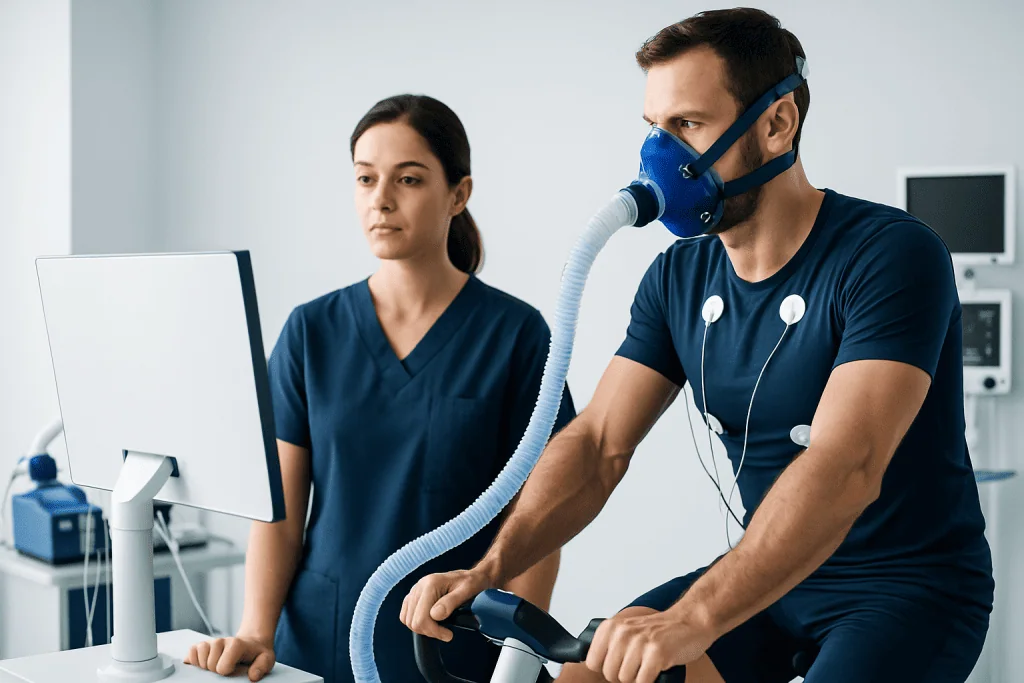
The body uses several fuel sources during physical activity. Carbohydrates are the main quick source of energy, especially during moderate to high-intensity exercise. They are stored in muscles and the liver as glycogen. Protein is primarily used to build and repair tissues, including muscle, but it can also contribute to energy in some situations. Fat provides a large energy reserve and plays a greater role during lower-intensity or longer-duration activity.
Which fuel source dominates depends on exercise intensity, duration, training status, and recent food intake. A short, intense session usually relies more on carbohydrate, while lighter but longer activity may rely more on fat. This is why sports nutrition plans often consider both the type of sport and the timing of meals.
Micronutrients also matter. Iron helps carry oxygen in the blood, calcium and vitamin D support bone health, and B vitamins help the body release energy from food. When nutrition is inadequate, performance may fall and symptoms such as tiredness, poor recovery, or frequent illness may appear.
- Carbohydrates mainly support exercise fuel.
- Protein mainly supports repair and adaptation.
- Healthy fats support hormone function and longer-duration energy needs.
- Vitamins, minerals, and fluids help the body use fuel efficiently.
Core building blocks of a sports nutrition plan

A strong sports nutrition plan usually starts with regular, balanced meals. Carbohydrate-rich foods may include whole grains, fruit, beans, potatoes, rice, or pasta. Protein sources may include fish, eggs, dairy, legumes, poultry, soy foods, nuts, and seeds. Healthy fats can come from olive oil, avocado, nuts, seeds, and oily fish. Vegetables and fruit provide fiber, antioxidants, and important vitamins and minerals.
Meal timing can be adjusted to support training. Before exercise, many people do best with easy-to-digest foods that provide energy without causing stomach discomfort. After exercise, a meal or snack containing both carbohydrate and protein can help restore energy stores and support recovery. The exact timing does not need to be rigid for most people, but long gaps without food may make intense training feel harder.
Hydration is another central part of sports nutrition. Sweat losses vary with climate, exercise intensity, clothing, and individual differences. Water is often enough for shorter activities. During longer or more demanding exercise, some people may benefit from fluids that also replace electrolytes, especially sodium.
People with special dietary patterns such as vegetarian, vegan, gluten-free, or food-allergy diets can still meet sports nutrition needs. They may simply need more careful planning to ensure adequate protein quality, iron, calcium, vitamin B12, or energy intake. If body composition concerns are part of the picture, support from weight management specialists may sometimes be useful as part of broader health care, although surgery is not a sports nutrition treatment itself.
Nutrition before, during, and after exercise
Before exercise, the aim is to begin activity well-fueled and comfortably hydrated. A larger meal may be better tolerated a few hours before training, while a smaller snack may suit the hour before exercise. Common choices include yogurt with fruit, toast with nut butter, oatmeal, rice, or a banana. Greasy, very spicy, or unusually high-fiber foods may cause discomfort in some people, particularly before running or intense interval training.
During exercise, needs depend mostly on duration and intensity. For short sessions, water may be enough. For longer endurance activities, especially in heat, the body may need extra fluid and sometimes carbohydrate and electrolytes. This is highly individual, and trial during training is important because the gut can respond differently under exercise stress.
After exercise, recovery nutrition supports muscle repair, glycogen replacement, and rehydration. A practical recovery meal may include a protein source plus carbohydrate and fluid, such as eggs with toast, yogurt with fruit, chicken and rice, or beans with potatoes. When a person trains more than once a day or has long sessions, recovery becomes even more important.
Some people have ongoing digestive discomfort with exercise, such as bloating, nausea, reflux, or urgent bowel movements. In these situations, a medical evaluation may be appropriate to rule out underlying concerns such as Crohn's disease or other digestive conditions that can interfere with fueling and hydration.
Common problems and risk factors
Many sports nutrition problems come from mismatch: too little energy for training load, not enough fluid for sweat losses, poor meal timing, or overreliance on supplements instead of regular meals. Low energy intake can affect mood, concentration, recovery, bone health, menstrual function, and immunity. In growing adolescents, under-fueling may also interfere with normal development.
Some groups have higher nutritional risk. Endurance athletes, weight-category athletes, teenagers in competitive sports, people following restrictive diets, and those exercising while trying to lose weight may be more likely to miss key nutrients. Women may be at higher risk of iron deficiency, while vegans may need attention to vitamin B12, iron, calcium, iodine, and protein quality.
Another issue is supplement use. Protein powders, creatine, caffeine products, electrolyte tablets, and “pre-workout” formulas are widely marketed, but they are not equally useful or safe for everyone. Some products may be unnecessary, interact with medications, contain poorly regulated ingredients, or worsen anxiety, sleep problems, dehydration, or digestive symptoms.
People living with chronic medical conditions should take extra care. Diabetes, kidney disease, gastrointestinal disorders, food allergies, and hormonal conditions can all change nutrition needs. For example, people with diabetes may need individualized planning around blood glucose and exercise, sometimes with support from diabetes treatment teams.
Medical assessment and personalized advice
Sports nutrition advice is most effective when it is individualized. A clinician or registered dietitian may ask about training type, exercise frequency, body goals, appetite, sleep, supplements, medications, menstrual history, injury history, bowel habits, and daily meal patterns. This broad view can reveal whether fatigue or poor performance is due to nutrition, recovery, illness, or another medical problem.
In some cases, testing may help. Depending on symptoms and history, a doctor may consider blood tests for iron status, vitamin B12, vitamin D, thyroid function, glucose control, kidney function, or other markers. These tests are not needed for everyone, but they may be useful when there is unexplained tiredness, repeated stress injuries, dizziness, frequent infection, or significant weight change.
Personalized plans often focus on realistic adjustments rather than perfection. Examples include adding breakfast before morning training, improving hydration habits, spacing protein more evenly through the day, or increasing carbohydrate intake around demanding sessions. For people with obesity, metabolic concerns, or cardiovascular risk factors, nutrition planning may also overlap with preventive care and, in selected patients, support from cardiology services or other specialties.
Treatment, prevention, and self-care
When sports nutrition problems are identified, treatment usually means correcting the underlying gap. This may involve increasing total calories, improving the quality of meals, changing pre- or post-workout eating, treating nutrient deficiencies, or adjusting hydration practices. A doctor may also evaluate for eating disorders, hormonal changes, gastrointestinal illness, or medical causes of persistent fatigue when appropriate.
Prevention starts with consistent habits. Regular meals, planned snacks on training days, and practical hydration routines are often more helpful than extreme diets. Sleep, rest days, and gradual progression in training also affect nutrition needs and recovery. Food should work with training, not against it.
Useful self-care habits include keeping simple snacks available, learning which foods are tolerated before exercise, and avoiding new supplements without professional input. Young athletes may benefit when parents, coaches, and health professionals send consistent messages that performance and health are linked.
For international patients who need multidisciplinary evaluation, Acibadem International’s specialists in JCI-accredited hospitals diagnose and manage nutrition-related and exercise-related health concerns in coordination with the relevant medical departments.
When to seek medical care
Medical advice is appropriate when exercise is followed by repeated dizziness, fainting, chest discomfort, severe shortness of breath, palpitations, or symptoms of heat illness. A person should also seek assessment if they have ongoing vomiting, diarrhea, significant abdominal pain, blood in the stool, or signs of dehydration such as confusion, very dark urine, or inability to keep fluids down.
Less urgent but important reasons to consult a doctor include persistent fatigue, recurrent injury, frequent stress fractures, missed periods, unexplained weight loss, poor growth in teenagers, or major changes in performance despite training. These can point to low energy availability, nutrient deficiency, hormonal issues, or an underlying medical condition.
Anyone with a chronic disease, recent surgery, pregnancy, or medication use that affects hydration, glucose, blood pressure, or kidney function should get personalized guidance before making major changes to exercise nutrition. Early assessment can help keep activity safe, effective, and sustainable.
Frequently asked questions
What is sports nutrition in simple terms?
Sports nutrition is the way food, fluids, and meal timing are used to support exercise, recovery, and overall health. It helps the body have enough energy for activity and enough nutrients to repair and adapt afterward.
Is sports nutrition only for professional athletes?
No. Sports nutrition can help anyone who exercises regularly, from beginners to competitive athletes. The principles are the same, but the amount and timing of food and fluids vary with the person’s activity level and health needs.
What should a person eat before a workout?
Many people do well with easily digested foods that contain carbohydrate and some protein, depending on how long before exercise they eat. Examples include yogurt with fruit, oatmeal, toast, or a banana. Heavy, greasy, or unfamiliar foods may be less comfortable before exercise.
Is a post-workout meal really necessary?
After exercise, eating can help restore energy stores and support muscle repair, especially after hard or long sessions. A meal or snack with both carbohydrate and protein is often a practical choice. The exact timing is less important than consistently meeting daily nutrition needs.
Do most people need sports supplements?
Not usually. Many people can meet their needs with food and fluids alone. Some supplements may be useful in selected cases, but it is best to discuss them with a qualified doctor or dietitian because product quality and safety can vary.
How much water should a person drink during exercise?
There is no single amount that fits everyone because sweat losses differ by body size, weather, clothing, and exercise intensity. Water is often enough for shorter sessions, while longer or hotter workouts may require more fluid and sometimes electrolytes. A person can use thirst, urine color, and how they feel during training as general guides.
When should someone see a doctor about sports nutrition concerns?
A medical review is a good idea if there is repeated dizziness, fainting, severe fatigue, chest symptoms, ongoing stomach problems, frequent injuries, or unexplained weight change. People with diabetes, kidney disease, eating disorders, or other chronic conditions should also seek individualized advice before making major nutrition changes.
References
- World Health Organization
- American College of Sports Medicine
- Academy of Nutrition and Dietetics
- National Institutes of Health
- Centers for Disease Control and Prevention
This article is for general information only and is not a substitute for professional medical advice. Please consult a qualified doctor about your individual situation.
Explore treatments in Turkey — costs, top hospitals & a free quote
JCI-accredited · board-certified surgeons · reply within 24h
Add us as a Preferred Source to see more of our trusted health content across Google Search, AI Overviews and Discover.

More from the Health Library

Cold Feeling in Chest: An Evidence-Based Guide for Patients

Necrotising Pancreas: An Evidence-Based Guide for Patients

Lychee Fruit: What Patients Need to Know

Apple Juice — Explained by Medical Evidence, Not Myths

Coolsculpting — Explained by Medical Evidence, Not Myths