Spotting During Pregnancy: A Complete Clinical Guide for Patients

Spotting during pregnancy is usually lighter than a menstrual period and may appear pink, red, or brown. Light spotting can occur in early pregnancy, but bleeding can also signal problems such as miscarriage, ectopic pregnancy, or placental issues.
Key Takeaways
- Spotting during pregnancy is usually lighter than a menstrual period and may appear pink, red, or brown.
- Light spotting can occur in early pregnancy, but bleeding can also signal problems such as miscarriage, ectopic pregnancy, or placental issues.
- Heavy bleeding, strong pain, dizziness, fever, or passing tissue need prompt medical care.
- Doctors assess spotting with a history, pelvic exam when appropriate, blood tests, and ultrasound.
- Patients should avoid self-diagnosing and contact a qualified clinician for individualized advice.
Spotting during pregnancy means light vaginal bleeding or pink, red, or brown discharge. It can happen for several reasons, including normal early pregnancy changes, but any bleeding in pregnancy deserves attention to confirm the cause and protect both parent and baby.
Overview: What Spotting During Pregnancy Means
Spotting during pregnancy refers to light vaginal bleeding or blood-streaked discharge that is usually much lighter than a regular menstrual period. It may look pink, red, or brown, and it can last for a few hours or a few days. For many patients, spotting is unsettling, but it does not always mean something is wrong.
The most important point is that spotting has many possible causes. Some are relatively common and not dangerous, especially in early pregnancy. Others need urgent evaluation because they can affect the health of the pregnancy or the pregnant person. The amount of blood, the timing in pregnancy, and whether symptoms such as pain or dizziness are present all help guide the next steps.
Bleeding is generally described along a spectrum. Spotting usually means a few drops or light staining on underwear or toilet paper, while heavier bleeding may soak a pad or resemble a period. Even if the bleeding seems mild, it is still sensible to inform a maternity care professional so the cause can be considered in context.
How Spotting Can Look and Feel
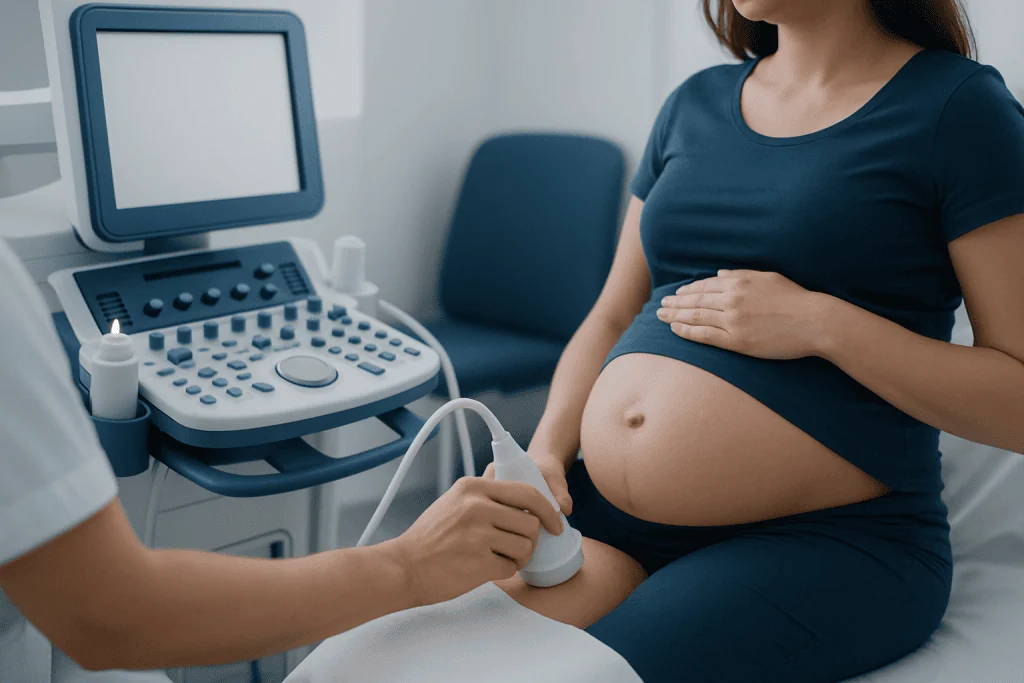
Patients often notice spotting when wiping after using the bathroom, after exercise, or after sexual intercourse. The discharge may be bright red if the bleeding is fresh, or brown if it is older blood leaving the body more slowly. Some people have no other symptoms, while others notice mild cramping, pelvic pressure, or lower back discomfort.
Spotting is not defined only by color. It is also about volume. In general, spotting is light enough that it does not fill a pad, and there may be small intermittent amounts rather than continuous flow. Still, patterns vary, and what seems light at first can become heavier over time.
Keeping track of a few practical details can help a doctor assess the situation. These include when the spotting started, whether it is getting lighter or heavier, any associated pain, recent intercourse, recent pelvic examination, and whether there are pregnancy symptoms such as nausea or breast tenderness. It can also help to note whether tissue or clots were passed.
- Pink spotting may reflect a small amount of fresh blood mixed with cervical or vaginal fluid.
- Brown spotting often means older blood.
- Bright red bleeding suggests active bleeding and may need faster assessment, especially if it becomes heavier.
Common Causes in Early and Later Pregnancy
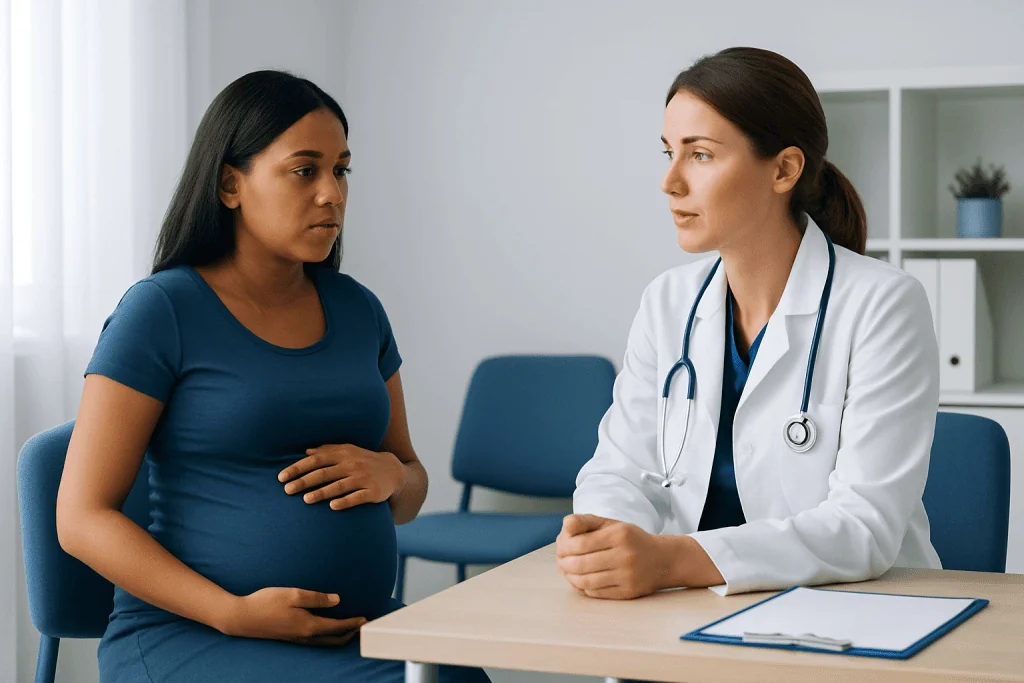
In the first trimester, spotting may happen as the pregnancy implants into the lining of the uterus, although not all experts agree on how often this occurs. The cervix also becomes more sensitive and has a richer blood supply during pregnancy, so light bleeding can happen after sex or a pelvic exam. In some patients, a small collection of blood near the pregnancy sac, sometimes called a subchorionic hematoma, may be seen on ultrasound.
Early pregnancy spotting can also be a sign of conditions that need medical attention. These include pregnancy loss and ectopic pregnancy, in which the pregnancy develops outside the uterus. Another less common but important cause is molar pregnancy, an abnormal growth of pregnancy tissue. Because symptoms can overlap, patients should not assume the cause based on bleeding alone.
Later in pregnancy, spotting may come from the cervix, vaginal irritation, infection, or the beginning of labor near term. However, bleeding after the first trimester can also be linked to placental problems such as placenta previa or placental abruption. These conditions are not diagnosed by symptoms alone and usually require urgent medical assessment.
Infections of the vagina or cervix can also lead to light bleeding at any stage of pregnancy. If spotting is accompanied by unusual discharge, burning, bad odor, or fever, a clinician may evaluate for infection and consider gynecologic assessment and treatment as part of care.
Risk Factors and Warning Signs
Spotting can happen in any pregnancy, even when there are no known risk factors. Still, certain situations may make bleeding more likely or raise concern. These include prior miscarriage, a previous ectopic pregnancy, use of fertility treatment, known uterine or cervical conditions, smoking, infection, trauma, or a pregnancy that has not yet been confirmed to be inside the uterus.
Some symptoms suggest that the bleeding may need urgent evaluation. Heavy bleeding, severe abdominal or shoulder pain, fainting, marked dizziness, fever, or passing tissue are important warning signs. In later pregnancy, reduced fetal movement, strong contractions, or a sudden increase in bleeding should also be assessed promptly.
Patients should also pay attention to the timing. Bleeding very early in pregnancy may need tests to determine whether the pregnancy is in the uterus and developing as expected. Bleeding after 20 weeks raises different concerns, often related to the placenta, cervix, or preterm labor. Because the possible causes change throughout pregnancy, the same symptom can mean different things at different stages.
How Doctors Diagnose the Cause
Diagnosis starts with careful questions about the pregnancy and the bleeding pattern. A doctor or midwife may ask how far along the pregnancy is, when the spotting began, whether there is pain, and whether the patient has had ultrasound confirmation of the pregnancy location. The clinician may also ask about previous pregnancies, procedures, and current medications.
Physical examination may include checking vital signs and, when appropriate, a pelvic exam to look for cervical changes, infection, or local irritation. However, in some situations, especially when placenta previa is a concern later in pregnancy, clinicians may avoid certain pelvic examinations until imaging is reviewed. This decision is based on safety and the suspected cause.
Ultrasound is often one of the most useful tools. It can help confirm whether the pregnancy is inside the uterus, whether a fetal heartbeat is present at the expected stage, and whether there are findings such as a subchorionic bleed or placental issue. Blood tests may include pregnancy hormone levels, blood count, and blood type; Rh-negative patients may need specific treatment to reduce complications in future pregnancies.
When symptoms point to complex pregnancy conditions, coordinated care may involve specialists in obstetrics and gynecology, imaging, and emergency assessment. In some cases, doctors may also evaluate for related conditions such as miscarriage if bleeding and cramping occur together.
Treatment and What Happens Next
Treatment depends entirely on the cause. If spotting is mild and the pregnancy appears healthy, the main approach may be observation, follow-up, and guidance about warning signs. Many patients are advised to monitor bleeding, avoid inserting anything into the vagina until they are assessed, and return if symptoms worsen.
If an infection is found, treatment is directed at the infection. If the cause involves the cervix, such as a cervical polyp or irritation, the doctor will explain whether simple monitoring or another intervention is needed. When bleeding is related to pregnancy loss, management may involve expectant care, medication, or a procedure depending on the clinical situation and patient preference.
More urgent treatment is needed if there is heavy bleeding, ectopic pregnancy, placental abruption, or other serious conditions. In these cases, care may involve emergency monitoring, medication, or surgery. For selected patients, treatment options such as laparoscopic surgery may be used when clinically appropriate, especially in some ectopic pregnancies or other gynecologic emergencies.
Near the end of pregnancy, spotting can sometimes be related to labor, especially if it appears as blood-tinged mucus. Even then, the meaning depends on gestational age and symptoms, so patients should contact their maternity team rather than making assumptions. At Acibadem International, multidisciplinary specialists in JCI-accredited hospitals evaluate and treat pregnancy-related bleeding for international patients when this is needed.
Self-Care, Monitoring, and Prevention
There is no guaranteed way to prevent all spotting during pregnancy because many causes are not under a patient’s control. Still, general prenatal care can support early detection and overall pregnancy health. This includes attending scheduled visits, reporting new symptoms promptly, taking prenatal vitamins as recommended, and following advice for any chronic conditions.
When spotting occurs, practical self-care can make communication with the care team easier. Patients can use a pad rather than a tampon to estimate how much blood is present and note the color and timing. It is also wise to avoid douching or using over-the-counter vaginal products unless advised by a clinician.
Rest may be suggested in some situations, but strict bed rest is not routinely recommended for most causes of spotting unless a doctor gives specific instructions. The safest approach is to ask what activities are appropriate, including exercise, travel, and sexual intercourse. Patients should never start or stop medications in pregnancy without medical advice.
- Keep a record of bleeding amount, color, and duration.
- Stay hydrated and avoid strenuous activity until advised.
- Use a pad so changes in bleeding are easier to monitor.
- Seek tailored advice before resuming sex or intense exercise.
When to Seek Medical Care
Any spotting during pregnancy is worth mentioning to a healthcare professional, even if it is light and painless. A same-day call is especially important in early pregnancy if the pregnancy has not yet been confirmed on ultrasound, or if the patient has a history of ectopic pregnancy, miscarriage, or fertility treatment. The clinician can advise whether home monitoring, urgent assessment, or emergency care is needed.
Urgent medical care is recommended if bleeding becomes heavy, if there is severe abdominal or pelvic pain, shoulder pain, fainting, shortness of breath, fever, or passage of clots or tissue. In the second or third trimester, any significant bleeding should be assessed promptly because placental causes can become more likely. If fetal movement is reduced later in pregnancy, that also needs immediate attention.
Patients who feel unsure should err on the side of calling. Spotting is a symptom, not a diagnosis, and professional assessment helps distinguish common benign causes from conditions that require treatment. Timely evaluation is the safest way to protect maternal health and support the best possible pregnancy care.
Frequently asked questions
Is spotting during pregnancy normal?
Spotting during pregnancy can happen and is not always a sign of a serious problem. However, because bleeding can also signal complications, it should be reported to a healthcare professional for guidance.
What is the difference between spotting and bleeding in pregnancy?
Spotting usually means a very small amount of blood, often seen only when wiping or as light staining on underwear. Bleeding is typically heavier, may require a pad, and can look more like a period.
Can spotting happen without cramps?
Yes. Some patients have light spotting without pain, especially with cervical irritation or minor early pregnancy changes. Even without cramps, it is still wise to let a doctor or midwife know.
Does brown spotting mean old blood?
Often, yes. Brown spotting usually reflects older blood leaving the body more slowly, while bright red blood suggests more recent bleeding. The color alone does not confirm the cause, so context and other symptoms matter.
When should a pregnant patient go to the emergency room for spotting?
Emergency care is important if spotting becomes heavy or is accompanied by strong pain, dizziness, fainting, shoulder pain, fever, or passing tissue. Bleeding later in pregnancy also deserves prompt medical assessment.
Can sex cause spotting during pregnancy?
Yes. During pregnancy, the cervix has an increased blood supply and can bleed lightly after intercourse or a pelvic exam. Even so, patients should mention post-sex spotting to their clinician, especially if it recurs.
References
- American College of Obstetricians and Gynecologists
- National Health Service
- March of Dimes
- Mayo Clinic
- World Health Organization
This article is for general information only and is not a substitute for professional medical advice. Please consult a qualified doctor about your individual situation.
Explore treatments in Turkey — costs, top hospitals & a free quote
JCI-accredited · board-certified surgeons · reply within 24h
Add us as a Preferred Source to see more of our trusted health content across Google Search, AI Overviews and Discover.

More from the Health Library



Related Specialists

Prof. Dr. Sibel Kahraman Aközer
Anesthesiology
Prof. Dr. Gül Sağın Saylam
Pediatric Cardiology
Dr. Selin Alponat
Breast Clinic Clinical Service
Assoc. Prof. Dr. Diğdem Özer Etik
Gastroenterology