Stage 1 Bladder Cancer Treatment: How It Works, Results and What to Expect

Stage 1 bladder cancer has grown into the connective tissue beneath the bladder lining but not into the bladder muscle. TURBT is usually the first treatment and also provides tissue needed to confirm the diagnosis and risk level.
Key Takeaways
- Stage 1 bladder cancer has grown into the connective tissue beneath the bladder lining but not into the bladder muscle.
- TURBT is usually the first treatment and also provides tissue needed to confirm the diagnosis and risk level.
- Some people need a repeat TURBT, intravesical treatment placed directly into the bladder, or both.
- Regular cystoscopy follow-up is essential because non-muscle-invasive bladder cancer can recur.
- Blood in the urine, urinary pain, fever, or difficulty passing urine should be assessed promptly.
Stage 1 bladder cancer treatment generally begins with transurethral resection of the bladder tumor (TURBT), a procedure that removes visible cancer without an external incision. Further treatment and follow-up depend on the tumor’s grade, size, number, and risk of returning or progressing.
Overview: What Stage 1 Bladder Cancer Treatment Involves
Stage 1 bladder cancer treatment usually involves removing the tumor through the urethra with transurethral resection of bladder tumor (TURBT). The next steps may include medication placed directly inside the bladder and a structured surveillance plan, because early bladder cancers can return even after complete removal.
Stage 1 disease is also called T1 bladder cancer. It has grown through the bladder’s inner lining and into the layer of connective tissue beneath it, called the lamina propria. Importantly, it has not grown into the bladder muscle. For this reason, it belongs to the group known as non-muscle-invasive bladder cancer, although T1 tumors can carry a higher risk than some other early tumors.
Treatment is individualized rather than based on stage alone. A urologist considers the tumor grade, whether there are multiple tumors, tumor size, whether carcinoma in situ is present, and what the pathology report shows after surgery. These details help estimate the chance of recurrence or progression and guide decisions about bladder-preserving treatment or, in selected higher-risk situations, more extensive surgery.
How Treatment Works and Who May Be a Candidate
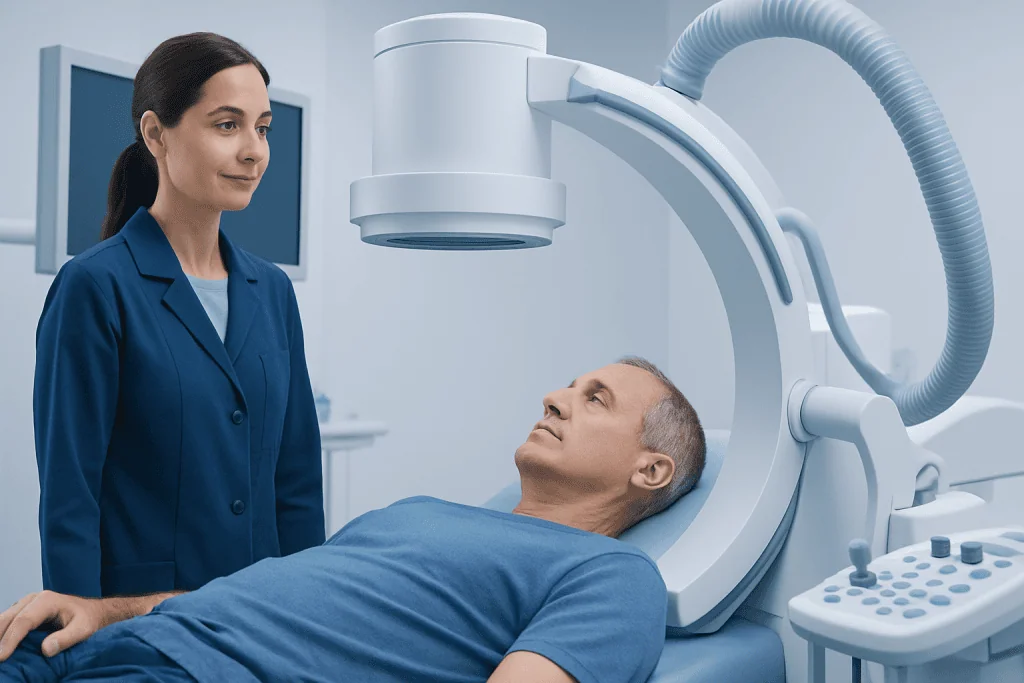
The main initial procedure is TURBT. A surgeon passes a narrow instrument with a camera through the urethra into the bladder, identifies abnormal tissue, and removes or destroys it using a small wire loop. There is no incision through the abdomen. The removed tissue is examined by a pathologist, which is essential for confirming the stage, grade, and other features that influence treatment.
Most people with a newly diagnosed T1 tumor are candidates for TURBT, provided their overall health allows anesthesia and the procedure. The operation aims to remove all visible tumor while preserving the bladder. In many cases, however, the first specimen may not contain enough bladder muscle to confidently show that muscle invasion is absent. A second, planned TURBT is therefore commonly recommended for T1 disease.
After surgery, a multidisciplinary discussion may involve urology, pathology, medical oncology, nursing, and other specialists as needed. People with high-grade T1 disease, extensive tumors, repeated recurrence, or certain high-risk pathology findings may need closer assessment because their cancer has a greater likelihood of returning or progressing. Related risk factors and warning signs are discussed in bladder cancer information.
Step by Step: TURBT and Bladder-Directed Therapy
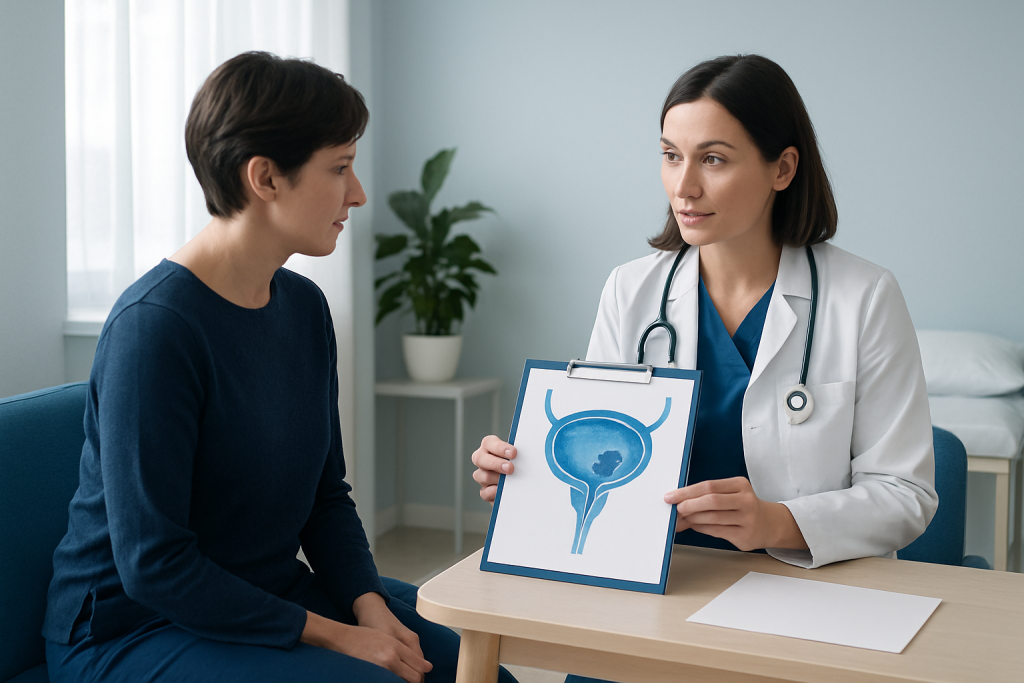
Before TURBT, the care team reviews medical history, medicines, allergies, and anesthesia needs. Blood-thinning medicines may need special planning, but they should never be stopped without instructions from the prescribing clinician. The procedure is usually performed under general or spinal anesthesia, and many patients go home the same day or after a short observation period.
During TURBT, the surgeon inserts a cystoscope through the urethra and examines the bladder. Visible tumors are removed in sections or carefully resected down to an appropriate depth. Areas that look suspicious may be sampled. A urinary catheter may be left in place temporarily to drain urine and reduce the chance of blockage from blood clots.
For certain tumors, a single dose of chemotherapy medicine may be placed in the bladder soon after TURBT to lower the risk of early recurrence. This is not suitable for everyone, such as when there is concern about bladder perforation or extensive bleeding. After pathology review, many people with T1 cancer receive intravesical Bacillus Calmette-Guérin (BCG), an immune-based treatment delivered through a catheter into the bladder. Bladder cancer treatment options are selected according to the individual’s risk group and treatment response.
BCG is commonly given as an induction course over several weeks, with maintenance treatment considered for many higher-risk patients. It works mainly within the bladder by stimulating a local immune response against cancer cells. When BCG is unavailable, unsuitable, or ineffective, clinicians may discuss other intravesical medicines, clinical trials where available, or surgery for carefully selected patients.
Results, Benefits and Why Repeat Treatment May Be Needed
The key benefit of stage 1 bladder cancer treatment is that it can remove visible cancer and, for many people, preserve normal bladder function. TURBT also gives the care team accurate pathology information. Intravesical therapy can reduce the likelihood that cancer will return and, for appropriate higher-risk tumors, may reduce the chance of progression.
It is important to understand that a successful TURBT does not eliminate the need for monitoring. T1 bladder cancer may recur in the bladder, and some tumors can eventually grow into the muscle layer. This is why treatment is often described as a process rather than a single procedure: surgery, pathology review, risk-based bladder therapy, and long-term surveillance all have a role.
A repeat TURBT is often performed within several weeks after the first procedure for T1 tumors. It may find residual tumor that was not visible or was difficult to remove initially, and it can confirm whether muscle tissue is free of cancer. This information can change the recommended treatment plan and helps avoid underestimating the cancer stage.
For a small group with very high-risk features or cancer that persists despite appropriate bladder-directed therapy, removal of the bladder may be discussed. This decision is individualized and balances cancer control, bladder function, overall health, and personal priorities. A second opinion or review by a team experienced in bladder cancer can be helpful when major treatment choices are being considered.
Recovery Timeline and Possible Risks
After TURBT, mild burning when passing urine, frequent urination, urgency, and a small amount of blood in the urine are common for a short time. These symptoms often improve over days, although recovery varies with the size and number of tumors removed. Drinking fluids as advised by the care team can help keep urine flowing, unless another medical condition requires fluid restriction.
Many people return to light daily activities within a few days. Strenuous exercise, heavy lifting, and sexual activity may need to wait until bleeding has stopped and the surgeon confirms it is safe. If a catheter is needed, the healthcare team explains how long it will remain in place and how to care for it.
Potential TURBT risks include bleeding, urinary infection, temporary difficulty passing urine, blood clots in the urine, and a rare injury or perforation of the bladder wall. Anesthesia also carries risks that depend on a person’s medical history. BCG and other intravesical treatments can cause bladder irritation, urinary frequency, fatigue, and flu-like symptoms; serious systemic reactions are uncommon but require urgent medical assessment.
Patients should contact their care team promptly for heavy or worsening bleeding, inability to urinate, severe pain, fever, chills, increasing weakness, or symptoms that do not improve as expected. These symptoms do not always indicate a serious problem, but timely assessment helps identify infection, clot retention, or a treatment-related complication.
Follow-Up, Prevention and Everyday Self-Care
Follow-up is a central part of care for stage 1 bladder cancer. Cystoscopy, in which a clinician looks inside the bladder with a small camera, is usually scheduled at regular intervals after treatment. Urine cytology, imaging, or other tests may also be used depending on the risk category and clinical findings. The schedule is personalized, and it may continue for years.
There is no guaranteed way to prevent bladder cancer recurrence. However, avoiding tobacco is one of the most important protective steps, as smoking is a major bladder cancer risk factor and can worsen future risk. People who smoke can ask their clinician about counseling, nicotine replacement, and prescription medicines that may support quitting.
Maintaining general health can also support treatment recovery. This includes attending follow-up appointments, taking medicines exactly as prescribed, staying physically active within recovery guidance, eating a balanced diet, and discussing workplace chemical exposures with a clinician. Supplements or alternative treatments should not replace standard care and should be reviewed with the oncology or urology team because they may interact with treatment.
Acibadem International’s multidisciplinary specialists and JCI-accredited hospitals provide evaluation and treatment planning for international patients with bladder cancer, including surgery, pathology review, and coordinated follow-up care.
When to Seek Medical Care
Visible blood in the urine should always be assessed by a healthcare professional, even if it occurs once or disappears. Other symptoms that deserve medical review include persistent burning with urination, needing to urinate more often than usual, pelvic discomfort, repeated urinary infections, or unexplained changes in urinary habits. These symptoms are common and often have non-cancer causes, but evaluation is important.
After TURBT or intravesical treatment, urgent medical advice is needed for fever or chills, inability to pass urine, large blood clots, heavy bleeding, severe lower abdominal pain, shortness of breath, or feeling acutely unwell. Patients receiving BCG should follow the specific emergency instructions given by their treatment team, particularly if fever or flu-like symptoms persist or become severe.
Anyone with a new diagnosis of T1 bladder cancer should arrange timely follow-up with a urologist experienced in bladder tumors. Bringing prior cystoscopy reports, pathology reports, imaging results, and a medicine list to the appointment can help the team make well-informed decisions without unnecessary delay.
Frequently asked questions
Is stage 1 bladder cancer curable?
Stage 1 bladder cancer can often be treated successfully, particularly when it is found early and managed with complete tumor removal and appropriate follow-up. However, it can recur in the bladder, and some tumors may progress over time. Ongoing cystoscopy surveillance is therefore an essential part of care.
Does stage 1 bladder cancer require chemotherapy?
Some people receive chemotherapy placed directly into the bladder after TURBT or as part of later intravesical treatment. This differs from systemic chemotherapy given into a vein or by mouth. The need for any treatment depends on the tumor’s grade and other risk features.
Why is a second TURBT often recommended for T1 bladder cancer?
A repeat TURBT can identify tumor left behind after the first procedure and provide a more accurate assessment of depth of invasion. It is particularly valuable if bladder muscle was not present in the original specimen. The findings can guide the choice between bladder-directed treatment and more intensive options.
How long does recovery take after TURBT?
Many people recover enough for light activities within several days, but urinary irritation and mild blood in the urine can last longer. Recovery depends on the size, number, and location of tumors removed, as well as individual health factors. The surgeon provides specific advice about work, exercise, and sexual activity.
What is BCG treatment for bladder cancer?
BCG is an immune-based medicine placed directly into the bladder through a catheter. It is commonly used for higher-risk non-muscle-invasive bladder cancer, including many T1 tumors, after TURBT. It helps the immune system attack remaining abnormal cells in the bladder lining.
Can stage 1 bladder cancer spread?
By definition, stage 1 bladder cancer has not invaded the bladder muscle or spread to distant organs. Some T1 tumors can progress if they return or grow deeper, especially when they have high-risk features. Appropriate treatment and regular surveillance are designed to detect changes early.
References
- European Association of Urology
- American Urological Association
- National Cancer Institute
- American Cancer Society
- National Comprehensive Cancer Network
This article is for general information only and is not a substitute for professional medical advice. Please consult a qualified doctor about your individual situation.
Bladder Cancer in Turkey — costs, top hospitals & a free quote
JCI-accredited · board-certified surgeons · reply within 24h
Add us as a Preferred Source to see more of our trusted health content across Google Search, AI Overviews and Discover.

Medical Oncology Department
Medical treatment of cancer with chemotherapy, immunotherapy and targeted therapies under a multidisciplinary tumor board.
60 specialists in this unit