Stamina: A Complete Medical Overview

Stamina refers to sustained physical or mental performance, not just athletic ability. Low stamina may relate to deconditioning, poor sleep, stress, diet, medications, or health conditions.
Key Takeaways
- Stamina refers to sustained physical or mental performance, not just athletic ability.
- Low stamina may relate to deconditioning, poor sleep, stress, diet, medications, or health conditions.
- Safe improvement usually involves gradual exercise, balanced nutrition, hydration, and recovery.
- A doctor should assess new, severe, or persistent fatigue, breathlessness, chest pain, or reduced exercise tolerance.
- Medical care focuses on identifying the cause and creating a treatment plan tailored to the person.
Stamina is the body's ability to maintain physical or mental effort over time. It is shaped by fitness, sleep, nutrition, stress, and overall health, and persistent low stamina may sometimes point to an underlying medical issue.
Overview: what stamina means in health
Stamina is the ability to keep up physical or mental effort for a period of time without becoming exhausted too quickly. In everyday life, it may describe how long a person can walk, climb stairs, work, exercise, concentrate, or manage daily tasks before needing to stop and recover. Good stamina usually reflects a combination of cardiovascular fitness, muscle efficiency, energy balance, sleep quality, and emotional well-being.
Although people often use stamina and endurance interchangeably, they are not exactly the same. Endurance usually refers more specifically to the body’s ability to continue activity over time, especially during exercise. Stamina is broader and can include both physical performance and mental staying power. This is why someone may feel physically strong but still have low stamina during stressful periods, poor sleep, or illness.
Stamina naturally varies from person to person. Age, current fitness level, chronic disease, medication use, recent infections, and lifestyle habits all influence it. A temporary dip in stamina after travel, stress, or a busy period is common. However, stamina that is steadily declining or noticeably limiting normal life deserves closer attention.
Signs of low stamina
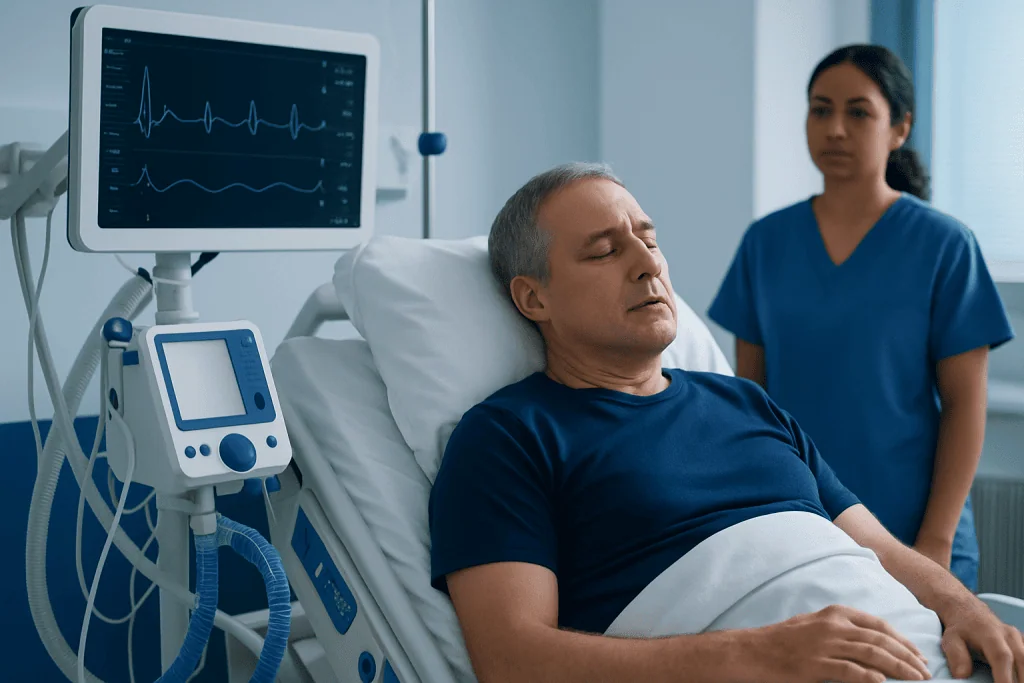
Low stamina usually means a person tires more quickly than expected for their age, routine, or fitness level. They may notice that ordinary activities such as walking uphill, carrying groceries, housework, or exercising feel more difficult than before. Some people describe this as getting worn out faster, needing longer recovery, or losing their usual capacity to stay active.
The symptoms can be physical, mental, or both. Physical signs may include early shortness of breath with activity, muscle heaviness, reduced pace, or the need for frequent rests. Mental signs may include difficulty concentrating for long periods, feeling mentally drained, or losing focus with tasks that were previously manageable.
Low stamina is not the same as occasional tiredness. It may be more concerning when it is persistent, worsening, or paired with other symptoms. These can include dizziness, fainting, palpitations, sleep problems, unexplained weight changes, low mood, fever, or pain. If breathlessness is a major feature, evaluation may include checking for heart or lung causes such as asthma or other cardiopulmonary conditions.
Common causes and risk factors

Many cases of reduced stamina are related to lifestyle and routine. Physical inactivity is one of the most common causes. When the body is not regularly challenged, the heart, lungs, and muscles adapt downward, making everyday effort feel harder. Poor sleep, irregular meals, dehydration, high stress, and overtraining can also lower stamina by limiting the body’s ability to produce and use energy efficiently.
Medical conditions are another important possibility. Anemia, thyroid disorders, diabetes, infections, chronic lung disease, heart disease, sleep disorders, depression, and anxiety can all affect energy and exercise tolerance. Excess body weight can make physical movement more demanding, while unintentional weight loss may suggest illness or poor nutrition. In some people, ongoing low stamina reflects more than one issue at the same time.
Medications may contribute as well. Some blood pressure medicines, sedating drugs, treatments that affect heart rate, and certain mental health medications can reduce exercise capacity or make a person feel sluggish. Alcohol use, smoking, and substance use also play a role. Smoking is especially important because it affects oxygen delivery and lung function and may worsen conditions such as chronic obstructive pulmonary disease.
Risk factors for low stamina include older age, a recent illness or surgery, long periods of bed rest, chronic stress, shift work, poor diet, and untreated health conditions. Recognizing the context helps distinguish expected temporary fatigue from symptoms that need medical assessment.
How doctors assess stamina problems
There is no single test for stamina. Instead, doctors look for the reason stamina has changed. Assessment usually starts with a medical history. A clinician may ask when the problem began, whether it affects physical activity, concentration, or both, and whether symptoms come with chest discomfort, cough, palpitations, low mood, snoring, or weight changes. They will also review sleep habits, diet, medications, and exercise patterns.
A physical examination can provide useful clues. Heart rate, blood pressure, oxygen level, breathing pattern, body weight, and signs of anemia, dehydration, or thyroid problems may all be checked. Depending on the person’s symptoms and risk factors, blood tests may be recommended to assess anemia, blood sugar, thyroid function, inflammation, kidney function, or vitamin deficiencies.
If a heart or lung issue is suspected, more targeted evaluation may be needed. This can include an electrocardiogram, echocardiogram, exercise stress testing, chest imaging, or pulmonary function testing. In selected cases, doctors may use cardiac check-up services to explore reduced exercise tolerance, or pulmonary function testing when breathing-related causes are possible. The goal is not simply to label low stamina, but to identify what is driving it.
Ways to improve stamina safely
For many people, stamina improves with steady and realistic lifestyle changes. The most effective approach is usually gradual aerobic exercise, such as walking, cycling, swimming, or low-impact cardio, performed consistently rather than intensely. Starting too hard can backfire and lead to excessive fatigue, soreness, or discouragement. A slow increase in duration and frequency gives the heart, lungs, and muscles time to adapt.
Strength training also matters. Stronger muscles perform daily tasks with less effort, which can make a person feel less tired overall. Flexibility, balance, and breathing exercises may support comfort and confidence, especially in older adults or people recovering from illness. Structured programs such as physical therapy and rehabilitation can be helpful when stamina has dropped after injury, surgery, or prolonged inactivity.
Recovery is an essential part of building stamina. Adults generally benefit from regular sleep schedules, rest days between harder sessions, and stress management techniques such as relaxation exercises, time outdoors, or mindfulness. Good hydration and a balanced eating pattern that includes protein, complex carbohydrates, healthy fats, vitamins, and minerals help the body fuel activity and recover afterward.
People with obesity, significant joint pain, or medical conditions may need an individualized plan. In these situations, supervised exercise and nutrition support can improve safety and long-term adherence. If symptoms remain out of proportion to activity level, a doctor should reassess before exercise intensity is increased.
Medical treatment for persistently low stamina
When low stamina is linked to a health condition, treatment focuses on the underlying cause. For example, anemia may require investigation of iron levels or blood loss, thyroid disease may need hormone management, and asthma or chronic lung disease may improve with a respiratory treatment plan. If reduced stamina is related to sleep quality, treatment of snoring, insomnia, or sleep apnea can make a meaningful difference in daytime energy.
Heart-related causes are approached according to the specific diagnosis. A person with arrhythmia, high blood pressure, coronary artery disease, or heart failure may need monitoring, medication adjustment, and supervised activity advice. When clinically appropriate, doctors may recommend further evaluation or therapy through services such as cardiology to clarify whether the limitation is due to circulation or heart function.
Mental health is also important. Anxiety, depression, and burnout can reduce both physical and mental stamina. In these cases, care may involve counseling, stress-reduction strategies, sleep support, and treatment for mood symptoms when indicated. A comprehensive plan often works better than focusing on a single symptom alone.
In multidisciplinary centers, different specialists may work together when stamina loss is complex or persistent. Near the end of the care journey, some international patients choose evaluation at Acibadem International, where multidisciplinary specialists in JCI-accredited hospitals diagnose and treat conditions that may affect stamina.
Prevention and daily self-care
Protecting stamina starts with routine habits rather than quick fixes. Regular movement throughout the week is more helpful than occasional intense effort. Many people benefit from a mix of aerobic activity, resistance exercise, and enough daily walking to avoid long sedentary periods. Small, repeatable changes are often easier to sustain than highly restrictive plans.
Nutrition supports stamina by helping the body maintain stable energy. Skipping meals, relying heavily on ultra-processed foods, or following extreme diets can leave a person feeling depleted. A generally balanced pattern with fruits, vegetables, whole grains, lean protein, and adequate fluids is more likely to support endurance and recovery. Caffeine may improve alertness in the short term, but it cannot replace rest or correct an untreated medical issue.
Sleep is one of the most overlooked parts of stamina. Irregular schedules, late-night screen use, alcohol near bedtime, and untreated sleep problems can all reduce next-day performance. Managing stress also matters because chronic stress affects motivation, concentration, sleep, and physical recovery. A daily routine that includes regular sleep, active breaks, and practical stress-management habits can help maintain both physical and mental stamina.
When to seek medical care
A doctor should evaluate low stamina when it is new, persistent, unexplained, or interfering with daily activities. Medical advice is also important if stamina drops after a previously stable period, especially in older adults or people with heart, lung, thyroid, metabolic, or mental health conditions. The same applies when symptoms do not improve despite rest and reasonable lifestyle changes.
Prompt medical assessment is needed if low stamina comes with chest pain, severe shortness of breath, fainting, irregular heartbeat, bluish lips, confusion, or sudden weakness. These symptoms may suggest an urgent problem and should not be ignored. Any person who is unsure whether their symptoms are normal or concerning should contact a qualified healthcare professional for guidance.
Frequently asked questions
What is stamina in simple terms?
Stamina is the ability to keep going physically or mentally for a period of time without tiring too quickly. It can affect exercise, work, concentration, and routine daily activities.
Is low stamina the same as fatigue?
Not exactly. Fatigue is a feeling of tiredness or lack of energy, while low stamina means a person cannot sustain effort for very long. The two often happen together, but they are not identical.
How can someone improve stamina safely?
Most people improve stamina with gradual aerobic exercise, strength training, good sleep, hydration, and balanced nutrition. The key is consistency and a pace that matches current fitness and health status. If symptoms are unusual or persistent, a doctor should be consulted before increasing exercise.
Can stress or poor sleep lower stamina?
Yes. Stress and poor sleep can reduce both physical and mental stamina by affecting recovery, concentration, mood, and energy regulation. Improving sleep habits and stress management can sometimes make a noticeable difference.
When is low stamina a medical concern?
It is more concerning when it is new, worsening, persistent, or affecting normal life. Medical care is especially important if it comes with chest pain, breathlessness, dizziness, fainting, palpitations, or unexplained weight change.
Can heart or lung disease affect stamina?
Yes. Conditions that affect oxygen delivery, circulation, or breathing can reduce exercise tolerance and make activity feel harder. Examples include asthma, chronic lung disease, arrhythmias, and some forms of heart disease.
This article is for general information only and is not a substitute for professional medical advice. Please consult a qualified doctor about your individual situation.
Explore treatments in Turkey — costs, top hospitals & a free quote
JCI-accredited · board-certified surgeons · reply within 24h
Add us as a Preferred Source to see more of our trusted health content across Google Search, AI Overviews and Discover.
Check your numbers in seconds
BMI, calories, due date, blood pressure and 30+ more clinical calculators — free, instant, doctor-reviewed ranges.

More from the Health Library

Walking Backwards on Treadmill — Explained by Medical Evidence, Not Myths
Monophobia: A Complete Medical Overview

Hydroxyurea: A Complete Medical Overview

Dic Ref: A Complete Medical Overview

Fast Time for a Mile: What Patients Need to Know