Static Stretching: What Patients Need to Know

Static stretching means holding a muscle in a comfortable, lengthened position without bouncing. It is generally more useful after exercise or in a separate flexibility session than immediately before high-intensity sports.
Key Takeaways
- Static stretching means holding a muscle in a comfortable, lengthened position without bouncing.
- It is generally more useful after exercise or in a separate flexibility session than immediately before high-intensity sports.
- Stretching should feel mild to moderate tension, not sharp pain, numbness, or instability.
- A balanced routine works best when static stretching is combined with strength, balance, and aerobic activity.
- People with recent injuries, joint problems, or ongoing pain should ask a qualified clinician for individualized advice.
Static stretching is a flexibility method that involves gently holding a muscle in a lengthened position for a short period of time. It can support mobility and comfort when used appropriately, especially after activity or as part of a regular movement routine.
Overview: what static stretching is and when it helps
Static stretching is a type of flexibility exercise in which a person slowly moves a muscle or muscle group to the end of a comfortable range and then holds that position for a short time. Unlike bouncing or fast, repeated motions, static stretching is steady and controlled. Many people use it to maintain or improve flexibility, reduce feelings of stiffness, and support comfortable movement in daily life.
For most adults, static stretching is best used after exercise, during a cool-down, or as a separate mobility session rather than immediately before explosive activity. Research suggests that long holds performed right before sprinting, jumping, or heavy lifting may temporarily reduce peak performance in some situations. That does not mean static stretching is harmful; it means timing matters.
Patients often ask whether static stretching prevents injury. The answer is nuanced. Stretching alone is not a guaranteed injury-prevention tool, but it may still be helpful as one part of a broader plan that includes gradual warm-up, strength training, task-specific movement, rest, and good technique. Used correctly, static stretching can be a practical and low-cost way to support flexibility and body awareness.
How static stretching works in the body
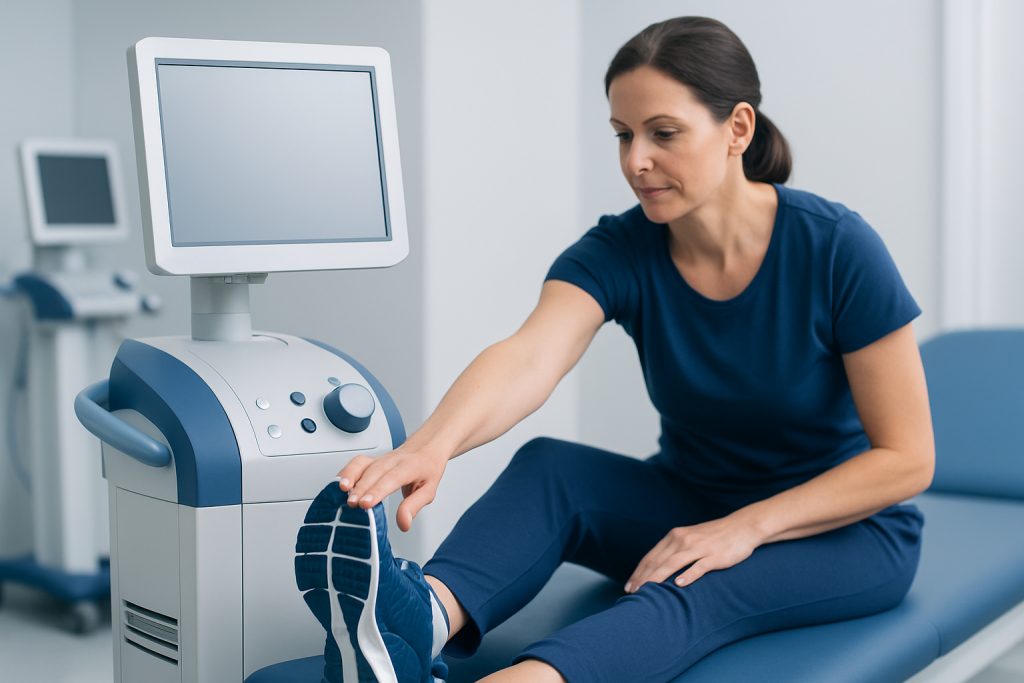
Muscles, tendons, and surrounding connective tissues are designed to adapt to the demands placed on them. With regular stretching, the body may gradually tolerate a greater range of motion. Part of this change is mechanical, involving the muscle-tendon unit, and part relates to the nervous system becoming more comfortable with the sensation of stretch.
This is one reason why progress usually happens slowly. A single stretching session may create a temporary feeling of looseness, but lasting flexibility usually develops through consistent practice over weeks. Overstretching does not speed the process; it is more likely to cause soreness or aggravate sensitive tissues.
Static stretching is different from a warm-up. A warm-up aims to prepare the body for movement by increasing blood flow, raising muscle temperature, and rehearsing the activity to come. Dynamic exercises such as marching, lunging, or arm circles usually serve that purpose better before sports or vigorous exercise. Static stretching fits more naturally after activity, when the goal shifts from preparation to mobility and recovery.
Potential benefits and realistic limits

The main benefit of static stretching is improved flexibility. Better flexibility may make certain movements easier, such as reaching overhead, turning the neck, squatting, walking with longer steps, or getting in and out of chairs. For some people, regular stretching also reduces the sense of tightness that develops from long periods of sitting, repetitive work, or limited physical activity.
Static stretching can also be useful in rehabilitation settings when a clinician recommends it for a specific problem. For example, it may be part of recovery plans for muscle imbalance, reduced joint motion after immobilization, or movement limitations linked to some overuse conditions. In these cases, stretching is usually combined with strengthening and guided exercise rather than used alone. Patients recovering from musculoskeletal conditions may also benefit from structured physical therapy and rehabilitation.
At the same time, static stretching has limits. It does not build much strength, it does not replace aerobic activity, and it is not a stand-alone treatment for persistent pain. If a person has ongoing symptoms such as swelling, weakness, nerve-related symptoms, or repeated injury, the problem may involve more than simple tightness and should be assessed professionally.
- Most helpful for: flexibility, comfort with movement, post-exercise mobility
- Less helpful for: immediate sports performance, strength gains, unexplained pain
- Best results: when combined with strengthening, warm-ups, and activity-specific training
How to do static stretching safely
Safe static stretching is gentle, controlled, and specific to the area being targeted. A person should move slowly into a stretch until feeling mild to moderate tension, then hold without bouncing. The sensation should be noticeable but tolerable. Sharp pain, tingling, numbness, cramping, or a feeling that a joint is unstable are signs to stop.
Breathing matters. Holding the breath can increase tension and make a stretch feel harder. Slow, steady breathing helps the body relax into the position. Most people benefit from stretching major muscle groups such as the calves, hamstrings, front of the hips, chest, shoulders, and back, especially if these areas feel stiff due to work posture or exercise habits.
Examples include a standing calf stretch against a wall, a seated hamstring stretch, a gentle hip flexor stretch, or a doorway chest stretch. Positions should be adapted to age, mobility, balance, recent surgery, and health conditions. People with complex movement limitations, painful stiffness, or recovery after injury may need tailored support through orthopedic rehabilitation.
- Move into the stretch slowly
- Hold still rather than bouncing
- Keep the feeling gentle to moderate, not painful
- Stretch both sides unless told otherwise by a clinician
- Progress gradually over time
Common mistakes, risks, and who should be cautious
A common mistake is stretching too intensely. Many people assume that more discomfort means better results, but this is not how healthy flexibility is gained. Aggressive stretching can irritate muscles, strain tendons, or worsen joint pain. Another mistake is relying on stretching alone when weakness, poor movement control, or overtraining may be the bigger issue.
Static stretching also deserves caution in certain groups. People with hypermobility, recent fractures, severe osteoporosis, acute muscle tears, joint instability, or recent surgery should not start a stretching program without medical advice. Stretching numb areas or areas with reduced sensation can be risky because the usual warning signals may be muted.
If symptoms are coming from a medical condition rather than simple tightness, self-stretching may not address the root cause. For instance, leg discomfort can sometimes be related to the spine or nerves rather than the hamstrings alone. A clinician may need to evaluate related conditions such as herniated disc or scoliosis when pain, asymmetry, or nerve symptoms are present. In some cases, specialist assessment through orthopedic care is appropriate.
How to fit static stretching into an exercise routine
The best place for static stretching depends on the goal. If the goal is to improve flexibility, static stretching often works well after exercise, when muscles are already warm, or during a separate mobility session on its own. If the goal is to perform well in sports requiring speed, power, or quick reactions, a dynamic warm-up is usually more suitable beforehand.
A simple structure can help. After a walk, workout, or sports session, a person might choose four to six stretches for the areas used most that day. Another option is a short evening routine to address stiffness from prolonged sitting. Consistency matters more than doing a very long session once in a while.
Stretching should also match the person’s broader health goals. For healthy aging, posture support, or return to activity, flexibility is only one piece. Strength training, balance work, sleep, hydration, and sensible progression all contribute to easier movement and lower strain. Patients with chronic pain or repeated flare-ups often do better with a personalized plan than with generic internet routines.
When to seek medical care
Most mild muscle tightness improves with gradual activity, good technique, and gentle stretching. However, medical advice is important if pain is severe, starts suddenly, follows trauma, or is accompanied by swelling, bruising, weakness, fever, or an inability to bear weight. These features can suggest an injury or condition that needs more than self-care.
A person should also seek assessment if stretching repeatedly causes pain, if flexibility is getting worse instead of better, or if there are nerve-related symptoms such as tingling, burning, numbness, or pain traveling down an arm or leg. Limited range of motion in one joint, visible deformity, or symptoms that disturb sleep are additional reasons to be evaluated.
Near the end of a care journey, some patients need a more comprehensive approach rather than isolated stretching advice. Acibadem International’s multidisciplinary specialists in JCI-accredited hospitals assess musculoskeletal complaints and create individualized treatment plans for international patients when symptoms require diagnosis and treatment beyond home measures.
Frequently asked questions
What is static stretching?
Static stretching is a method of lengthening a muscle or muscle group and holding that position for a short period without bouncing. It is commonly used to improve flexibility and reduce the feeling of stiffness.
Is static stretching good before exercise?
It depends on the type of exercise. Before high-intensity activity, a dynamic warm-up is often more helpful, while static stretching is usually better after exercise or as a separate flexibility session.
How long should a static stretch be held?
The ideal duration can vary by person and goal, but stretches are generally held long enough to feel a gentle, sustained tension without pain. A doctor, physiotherapist, or exercise professional can give more specific guidance based on age, condition, and activity level.
Can static stretching prevent injuries?
Static stretching by itself is not a guaranteed way to prevent injuries. It may still support overall movement quality when combined with warm-ups, strength training, proper technique, and gradual progression.
Should stretching hurt?
No. Stretching should feel like mild to moderate tension, not sharp pain, tingling, or joint instability. Pain during stretching can be a sign that the position is too intense or not appropriate for that person.
Who should talk to a doctor before starting static stretching?
People with recent injuries, surgery, osteoporosis, joint instability, nerve symptoms, or persistent pain should get professional advice first. Individual assessment is also wise for older adults with balance problems or anyone with a chronic musculoskeletal condition.
This article is for general information only and is not a substitute for professional medical advice. Please consult a qualified doctor about your individual situation.
Explore treatments in Turkey — costs, top hospitals & a free quote
JCI-accredited · board-certified surgeons · reply within 24h
Add us as a Preferred Source to see more of our trusted health content across Google Search, AI Overviews and Discover.

More from the Health Library

Mtp Joint: A Complete Medical Overview

Aripiprazole: A Complete Medical Overview

Rhinovirus: An Evidence-Based Guide for Patients

Tfcc Tear: An Evidence-Based Guide for Patients

Aloe Vera for That Burn: What Patients Need to Know