STD Signs and Symptoms in Women Explained: Common Triggers and Red Flags

Many sexually transmitted infections in women cause mild symptoms or none at all. Common warning signs include unusual discharge, genital sores, burning during urination, itching, pelvic pain, and bleeding after sex.
Key Takeaways
- Many sexually transmitted infections in women cause mild symptoms or none at all.
- Common warning signs include unusual discharge, genital sores, burning during urination, itching, pelvic pain, and bleeding after sex.
- These symptoms can also be caused by non-STD conditions, so medical evaluation and testing are important.
- Early diagnosis and treatment can reduce the risk of pelvic inflammatory disease, infertility, and transmission to partners.
- Urgent care is needed for severe pelvic pain, fever, pregnancy with symptoms, or painful sores.
STD signs and symptoms in women can range from unusual vaginal discharge and burning with urination to sores, pelvic pain, bleeding between periods, or no symptoms at all. Because many sexually transmitted infections are mild or silent at first, testing is often the only reliable way to know what is causing symptoms and to prevent complications.
Overview: What STD Signs and Symptoms in Women Can Look Like
STD signs and symptoms in women are not always obvious. Some women notice changes such as unusual vaginal discharge, a burning feeling during urination, itching, sores, or pelvic discomfort. Others have no symptoms at all, even when an infection is present.
This matters because sexually transmitted infections can affect the vagina, cervix, vulva, urethra, rectum, mouth, and throat. Symptoms may depend on the specific infection, where it is located, and how long it has been present. Early symptoms can be subtle and easy to confuse with a yeast infection, urinary tract infection, skin irritation, or hormonal changes.
Not every genital symptom is caused by an STD, but new or unexplained changes should not be ignored. The safest approach is to have a healthcare professional assess the symptoms and decide which tests are appropriate. Conditions such as pelvic inflammatory disease can develop if certain infections are not treated promptly.
Common Symptoms Women May Notice
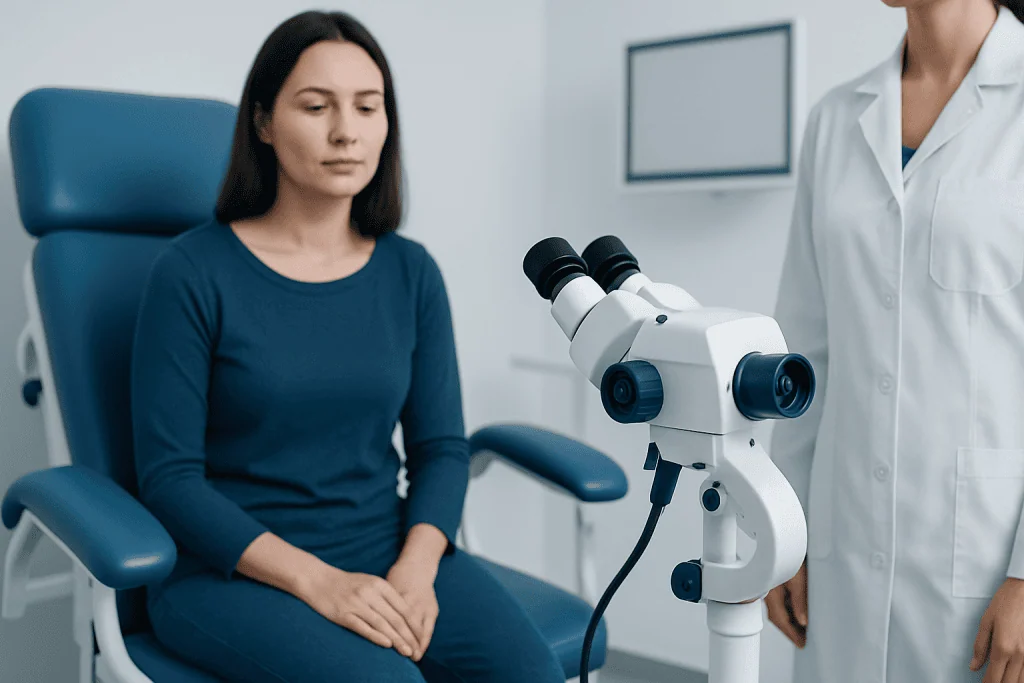
The most common STD-related symptoms in women involve changes in vaginal secretions, urination, or the skin of the genital area. Vaginal discharge may become heavier than usual, develop an unpleasant odor, or change in color or texture. Burning during urination can happen when the urethra is irritated by infection.
Skin and mucosal symptoms are also important clues. Small blisters, ulcers, warts, rashes, or tender bumps can appear on the vulva, around the anus, or occasionally in the mouth after oral sexual contact. Some infections cause itching or irritation rather than obvious sores.
Internal symptoms may include pelvic pain, pain during sex, spotting between periods, or bleeding after sex. These can occur when the cervix or upper reproductive tract is inflamed. If the infection spreads, symptoms may become more intense and may be accompanied by fever or nausea.
- Unusual vaginal discharge
- Burning or pain with urination
- Genital itching or irritation
- Sores, blisters, ulcers, or warts
- Pain during sex
- Bleeding between periods or after sex
- Lower abdominal or pelvic pain
- Rectal pain, discharge, or bleeding after anal sexual contact
Why Symptoms Can Be Missed or Mistaken

One reason STDs are often overlooked is that many infections do not cause symptoms in the early stages. Chlamydia and gonorrhea, for example, may be silent while still affecting the cervix or reproductive organs. Human papillomavirus may cause no symptoms at all, and herpes can be mistaken for ingrown hairs, shaving irritation, or minor skin trauma.
Symptoms can also overlap with common non-STD conditions. A yeast infection may cause itching and discharge, bacterial vaginosis may change vaginal odor, and a urinary tract infection may cause burning during urination. Because these problems can feel similar, self-diagnosis is not reliable.
Hormonal changes, menstruation, personal care products, or friction during sex can also irritate the genital area. Even so, any new symptom after sexual contact deserves attention, especially if it persists, recurs, or appears together with pelvic pain or bleeding.
Common Infections Behind These Symptoms
Several sexually transmitted infections can cause symptoms in women, and each may appear a little differently. Chlamydia and gonorrhea often affect the cervix and may cause discharge, bleeding after sex, pelvic pain, or burning with urination. If they spread upward, they can lead to PID and increase the risk of fertility problems.
Genital herpes typically causes painful blisters or ulcers, though some women only notice tingling, burning, or mild skin irritation. Syphilis may begin with a painless sore that can be easy to miss. Trichomoniasis may cause discharge, odor, irritation, or discomfort during urination or intercourse.
Human papillomavirus can lead to genital warts, but many HPV infections cause no visible changes. HIV may cause early flu-like illness or no early symptoms at all, which is why testing is essential when risk exists. When symptoms suggest an active infection, a clinician may recommend laboratory evaluation as part of a broader health check-up or targeted infectious disease assessment.
Risk Factors and Common Triggers
STDs are caused by bacteria, viruses, or parasites passed through sexual contact. Risk increases with unprotected vaginal, anal, or oral sex, multiple sexual partners, a new partner whose infection status is unknown, or a partner who has other partners. Previous STDs can also increase vulnerability to another infection.
Age and biology also play a role. Younger women may be more susceptible to some cervical infections, and pregnancy can make timely diagnosis especially important because certain infections may affect both mother and baby. A person does not need to have many partners to develop an STD; one exposure can be enough.
Symptoms may seem to appear suddenly after a new sexual contact, but some infections remain unnoticed for weeks, months, or longer. Because timing can vary, the absence of immediate symptoms does not rule out infection. Open communication with partners and routine screening are important parts of prevention.
How Doctors Diagnose the Cause
Diagnosis starts with a clear description of symptoms, sexual history, and any recent exposures. A clinician may examine the external genital area and, if needed, perform a pelvic examination to check the vagina and cervix. This helps identify whether symptoms are more likely related to infection, skin conditions, or another gynecologic problem.
Testing may include urine tests, vaginal or cervical swabs, blood tests, and sometimes swabs from sores, the throat, or the rectum depending on symptoms and sexual practices. These tests are chosen based on the likely infection. In some cases, a woman may be tested for several infections at once because symptoms can overlap.
If symptoms include significant pelvic pain, fever, or concerns about complications, further evaluation may be needed. Depending on the situation, this can include imaging such as ultrasonography to assess pelvic organs or specialist evaluation in gynecology or infectious diseases. Accurate diagnosis is important because treatment differs by organism, and using the wrong medication may delay recovery.
Treatment, Partner Care, and Recovery
Treatment depends on the specific infection. Bacterial and parasitic infections such as chlamydia, gonorrhea, and trichomoniasis are generally treated with prescription antimicrobial medicines. Viral infections such as herpes, HPV, and HIV are managed differently; treatment may reduce symptoms, lower transmission risk, or help control the infection rather than eliminate it completely.
It is important to follow the full treatment plan exactly as prescribed and to avoid sexual contact until a clinician says it is safe. Partners may also need testing and treatment to prevent reinfection. If symptoms continue after treatment, follow-up is needed because the original diagnosis may need to be reconsidered or another infection may be present.
Some women need additional care if the infection has caused complications, ongoing pain, or reproductive concerns. A multidisciplinary team may be helpful when symptoms are complex. Acibadem International’s multidisciplinary specialists and JCI-accredited hospitals diagnose and treat these conditions for international patients, including evaluation with fertility care when past infection has affected reproductive health.
Prevention, Self-Care, and When to Seek Medical Care
Prevention includes consistent condom or barrier use, limiting exposure risk, discussing testing with partners, and keeping up with routine sexual health screening. HPV vaccination can help protect against certain strains that cause genital warts and cervical cancer. Avoiding douching may also help, because it can disrupt normal vaginal balance and make symptoms harder to interpret.
At home, it is best to avoid self-treating persistent genital symptoms without a diagnosis. Over-the-counter yeast treatments may not help if the cause is an STD or another infection. Gentle hygiene, avoiding irritants such as scented products, and abstaining from sex until assessed can reduce discomfort while awaiting care.
Medical care should be sought promptly for new genital sores, unusual discharge, burning with urination, bleeding after sex, or pelvic pain that does not improve. Urgent care is especially important if symptoms are severe, there is fever, pregnancy, lower abdominal tenderness, vomiting, or concern after sexual assault. Even if symptoms are mild, testing is wise after a possible exposure because many STDs in women remain silent.
Frequently asked questions
Can a woman have an STD without symptoms?
Yes. Many sexually transmitted infections in women cause no noticeable symptoms, especially in the early stages. That is why screening is important after possible exposure or as part of routine sexual healthcare.
What are the first STD signs and symptoms in women?
Early signs can include unusual vaginal discharge, burning during urination, genital itching, sores, or bleeding after sex. However, the first sign may also be no symptom at all, which makes testing especially important.
Are STD symptoms the same as a yeast infection or UTI?
Not always, but they can overlap. Burning, irritation, and discharge may happen with STDs, yeast infections, urinary tract infections, or bacterial vaginosis, so a proper medical assessment is needed to tell them apart.
How soon do STD symptoms appear after exposure?
Timing varies by infection. Some symptoms appear within days, while others may take weeks or longer, and some infections may remain silent for months. A doctor can advise on the best testing window based on the exposure.
When should a woman get tested for an STD?
Testing is recommended after unprotected sex, a new partner, symptoms that could suggest infection, or notification that a partner may have an STD. Routine screening may also be advised based on age, pregnancy, and individual risk.
Can STD symptoms go away on their own?
Symptoms may lessen or come and go, but that does not mean the infection is gone. Untreated STDs can still cause complications and can still be passed to partners, so medical evaluation is important.
References
- Centers for Disease Control and Prevention
- World Health Organization
- American College of Obstetricians and Gynecologists
- Office on Women's Health
- Mayo Clinic
This article is for general information only and is not a substitute for professional medical advice. Please consult a qualified doctor about your individual situation.
Explore treatments in Turkey — costs, top hospitals & a free quote
JCI-accredited · board-certified surgeons · reply within 24h
Add us as a Preferred Source to see more of our trusted health content across Google Search, AI Overviews and Discover.