Steam Inhalation for Sinus Pressure: An Evidence-Based Guide for Patients

Steam inhalation may provide temporary relief of sinus pressure and congestion for some people. Its main effect is comfort and moisture; it does not treat bacterial infection, allergies, or structural sinus problems.
Key Takeaways
- Steam inhalation may provide temporary relief of sinus pressure and congestion for some people.
- Its main effect is comfort and moisture; it does not treat bacterial infection, allergies, or structural sinus problems.
- Hot steam can cause burns, especially in children, so safer methods are preferred over leaning over a bowl of boiling water.
- Saline nasal irrigation, hydration, and treating the underlying cause are often more important than steam alone.
- Persistent, severe, or recurrent symptoms should be assessed by a qualified doctor.
Steam inhalation for sinus pressure may offer short-term comfort by helping moisten irritated nasal passages and loosen mucus. It is best understood as a supportive home measure, not a cure, and it should be used carefully to avoid burns and to ensure more serious sinus problems are not missed.
Overview: Does steam inhalation help sinus pressure?
Steam inhalation for sinus pressure can help some people feel better for a short time. Warm, moist air may soothe dry nasal tissues, make mucus feel less thick, and reduce the sensation of stuffiness or facial fullness. For many patients, that means temporary comfort rather than a lasting fix.
It is important to set expectations clearly. Steam does not remove the underlying cause of sinus pressure, such as a viral cold, allergies, inflammation, or a true sinus infection. If symptoms continue, return often, or become severe, the focus should shift from home comfort measures to finding the cause and treating it appropriately.
This evidence-based approach matters because sinus pressure is a symptom, not a diagnosis. The most helpful plan depends on whether the pressure comes from a short-term upper respiratory infection, chronic inflammation, allergy-related swelling, nasal polyps, or another ear, nose, and throat problem such as sinusitis.
How steam may work — and what it cannot do
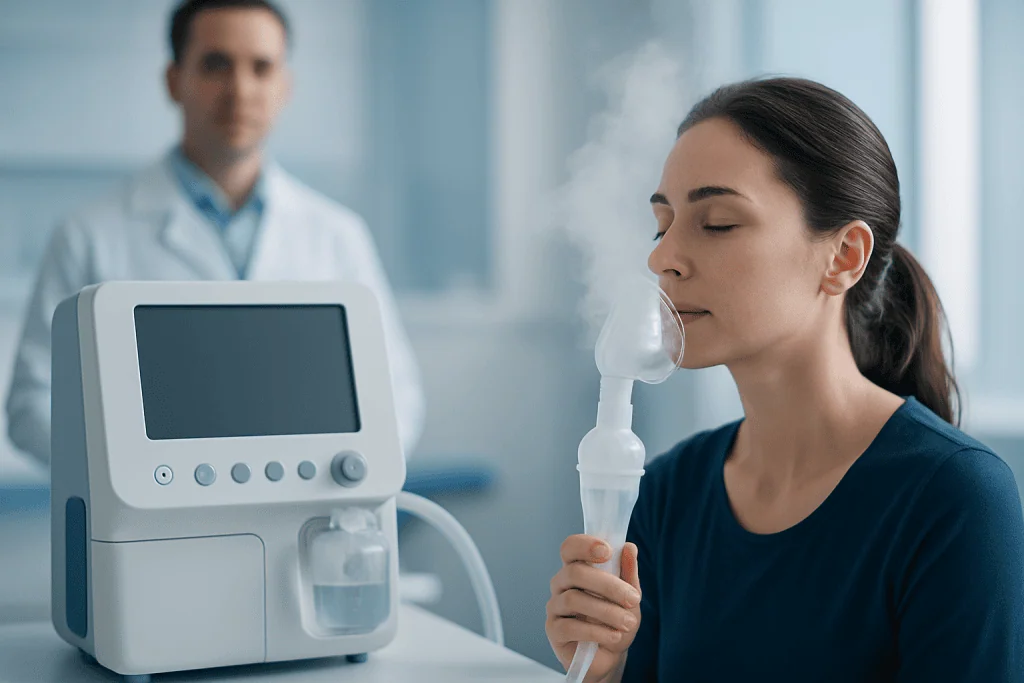
The inside of the nose and sinuses is lined with a mucous membrane and tiny hair-like structures called cilia. These cilia help move mucus, trapped particles, and germs out of the nasal passages. When the nose becomes dry, inflamed, or swollen, this natural clearing process may not work as well. Moist air can make the nose feel less irritated and may help mucus move more easily.
That said, research on steam inhalation has not shown a strong, consistent benefit for curing sinus disease or the common cold. Patients may notice subjective relief, but steam is not a proven stand-alone treatment for infection. It cannot shrink large nasal polyps, correct a deviated septum, or reliably stop allergic inflammation without additional treatment.
In practical terms, steam is best viewed as one part of symptom care. It may be combined with rest, fluids, saline rinses, and prescribed treatment if needed. When symptoms are prolonged or complicated, an ENT evaluation may be more useful than repeating steam sessions at home.
When it may be useful and when it may not

Steam inhalation may be most useful when sinus pressure occurs along with nasal dryness, a feeling of thick mucus, or temporary congestion during a cold. Some people also find warm showers or humidified air soothing during seasonal changes, indoor heating, or air travel, when the nose can become dry and irritated.
It may be less helpful when the main problem is significant swelling from allergies, ongoing chronic sinus inflammation, or a structural blockage inside the nose. In those situations, the pressure often returns soon after steam because the underlying cause remains unchanged. Patients with frequent or long-lasting symptoms may need a broader assessment for conditions such as chronic rhinosinusitis or nasal polyps.
Steam should also not be used as a substitute for medical care if there are signs of a more serious illness. Facial swelling, high fever, severe one-sided pain, vision changes, confusion, or symptoms lasting longer than expected need professional evaluation rather than repeated self-treatment.
How to use steam inhalation more safely
Safety is the most important part of using steam at home. Burns from hot water and steam can happen quickly, especially with traditional methods that involve leaning over a bowl or pot. For this reason, many clinicians prefer safer alternatives such as a warm shower, sitting in a steamy bathroom, or using a cool-mist or warm-mist humidifier according to the manufacturer’s directions.
If an adult chooses steam inhalation, the water should be hot but not boiling, and the container should be placed on a stable surface away from children and pets. The face should not be brought too close to the steam, and the session should stop immediately if there is discomfort, dizziness, or a feeling of excessive heat. Children should not inhale steam from bowls or pots because of the risk of accidental scalding.
Humidifiers can also help add moisture to the air, but they need regular cleaning to reduce mold and bacterial growth. Moist air should feel comfortable, not oppressive. Excess humidity may irritate some people or worsen certain indoor air quality problems.
- Prefer showers or a steamy bathroom over bowls of hot water.
- Keep steam sessions brief and comfortable.
- Never use boiling water near the face.
- Do not use steam inhalation unsupervised in children.
- Clean humidifiers regularly and follow device instructions.
Other evidence-based ways to relieve sinus pressure
For many patients, saline nasal irrigation has stronger practical value than steam alone. Saline rinses or sprays can help wash out mucus, allergens, and irritants while moistening the nasal lining. Using sterile, distilled, or previously boiled and cooled water for irrigation is important for safety. This approach is widely recommended for symptom relief in nasal and sinus conditions.
Hydration, rest, and avoiding smoke or strong irritants can also support recovery. If allergies are contributing to sinus pressure, reducing exposure to triggers and discussing medical treatment with a doctor can make a larger difference than steam. Depending on the cause, treatment may include allergy management, nasal steroid sprays, or care for related issues such as a deviated septum.
Some patients with ongoing blockage or recurrent infections may benefit from specialist treatment after evaluation. In selected cases, doctors may consider procedures that improve sinus drainage, including endoscopic sinus surgery or correction of nasal structure with septoplasty. These options are considered when symptoms are persistent and medical therapy is not enough.
What causes sinus pressure in the first place?
Sinus pressure usually develops when the tissues lining the nose and sinuses become inflamed or swollen. That swelling can narrow the small drainage pathways between the sinuses and the nose. Mucus may then collect more easily, causing a sense of fullness in the cheeks, forehead, around the eyes, or behind the nose.
Common causes include viral upper respiratory infections, seasonal allergies, environmental irritants, and chronic sinus inflammation. Dental issues, migraines, and tension headaches can also sometimes be mistaken for sinus pressure. This is one reason why symptoms that do not improve with simple nasal care deserve a closer look.
In some people, an anatomical problem contributes to repeated symptoms. Examples include a deviated septum, enlarged turbinates, or nasal polyps. When these factors are present, steam may provide comfort but typically cannot resolve the ongoing blockage. An ENT specialist may recommend nasal endoscopy or imaging to clarify the diagnosis and guide treatment.
When to seek medical care
Most short-lived sinus pressure linked to a cold improves gradually with time and supportive care. Medical assessment is a good idea if symptoms last more than about 10 days without improvement, improve and then worsen again, or keep returning. Care is also appropriate if sinus pressure interferes with sleep, daily activities, or work despite home treatment.
Urgent medical attention is needed for severe facial swelling, redness around the eye, vision changes, high fever, confusion, severe headache unlike usual symptoms, or significant one-sided facial pain. These are not typical features of simple congestion and may signal a complication or another condition that needs prompt treatment.
Patients with asthma, significant allergies, immune system problems, or a history of recurrent sinus disease may benefit from earlier review. Near the end of the care journey, some patients choose specialist assessment at centers with ENT expertise. Acibadem International’s multidisciplinary specialists and JCI-accredited hospitals evaluate and treat sinus conditions for international patients, including options such as balloon sinuplasty when appropriate.
Frequently asked questions
Is steam inhalation good for sinus pressure?
It may help some people feel temporary relief from congestion and facial pressure. The main benefit is comfort from warm, moist air rather than treatment of the underlying cause.
Can steam inhalation clear a sinus infection?
Steam does not treat the infection itself. If a bacterial infection or significant inflammation is present, a doctor may recommend other treatments based on the cause and severity of symptoms.
What is the safest way to try steam inhalation at home?
A warm shower or sitting in a steamy bathroom is generally safer than leaning over a bowl of hot water. This reduces the risk of burns, which can happen quickly with boiling or very hot water.
How long should steam inhalation be used?
Sessions should be brief and comfortable rather than prolonged. If steam does not help, or if symptoms keep returning, it is sensible to stop relying on it and speak with a doctor.
Is steam inhalation safe for children?
Traditional steam inhalation over bowls or pots is not considered safe for children because of scalding risk. If a child has nasal congestion, parents should ask a pediatrician about safer options such as saline drops, humidified air, and age-appropriate treatment.
What works better than steam for sinus pressure?
Saline nasal sprays or irrigation often provide more direct symptom relief by moistening the nose and helping clear mucus. Managing allergies, avoiding irritants, and treating chronic sinus disease or structural blockage are also often more effective than steam alone.
This article is for general information only and is not a substitute for professional medical advice. Please consult a qualified doctor about your individual situation.
Explore treatments in Turkey — costs, top hospitals & a free quote
JCI-accredited · board-certified surgeons · reply within 24h
Add us as a Preferred Source to see more of our trusted health content across Google Search, AI Overviews and Discover.

More from the Health Library

High Oleic Safflower Oil: An Evidence-Based Guide for Patients

Norwood Scale: An Evidence-Based Guide for Patients

Prednisolone: An Evidence-Based Guide for Patients

Emotional Manipulation — Explained by Medical Evidence, Not Myths

Terpenes — Explained by Medical Evidence, Not Myths