Stent: What Patients Need to Know

A stent is commonly used to treat narrowed arteries, especially in the heart. Most stents are placed during a minimally invasive catheter procedure called angioplasty.
Key Takeaways
- A stent is commonly used to treat narrowed arteries, especially in the heart.
- Most stents are placed during a minimally invasive catheter procedure called angioplasty.
- Stents help improve blood flow, but they do not cure the underlying artery disease.
- Recovery is often quick, though follow-up care and medicines are important.
- Urgent symptoms such as chest pain, shortness of breath, or signs of stroke need prompt medical attention.
A stent is a small mesh tube placed inside a narrowed or blocked blood vessel to help keep it open and restore blood flow. Patients most often hear about stents during heart care, but the basic goal is the same: improve circulation and reduce symptoms or complications caused by blockage.
Overview: what a stent is and why it is used
A stent is a small tube, usually made of metal mesh, that is placed inside a blood vessel to keep it open. In most cases, the word “stent” refers to a coronary stent used in the arteries that supply the heart. It may also be used in other parts of the body, depending on where narrowing or blockage is affecting blood flow.
Stents are typically used when a vessel has become narrowed by a buildup of fatty deposits called plaque. This narrowing can limit blood flow and cause symptoms such as chest discomfort, shortness of breath, or reduced exercise tolerance. In some situations, a stent is placed urgently during a heart attack to quickly reopen a blocked artery.
A stent is often inserted during a procedure called angioplasty, also known as percutaneous coronary intervention. During this procedure, a doctor guides a thin tube called a catheter through a blood vessel to the affected area. A small balloon may be inflated to widen the narrowed artery, and the stent is then left in place to support the vessel wall.
Many people feel better after a stent because blood flow improves, but the stent is only one part of treatment. Ongoing care usually includes medicines and lifestyle changes to help manage the artery disease that caused the blockage in the first place. For people learning about coronary artery disease, understanding the role of a stent can make treatment decisions clearer.
When a stent may be recommended
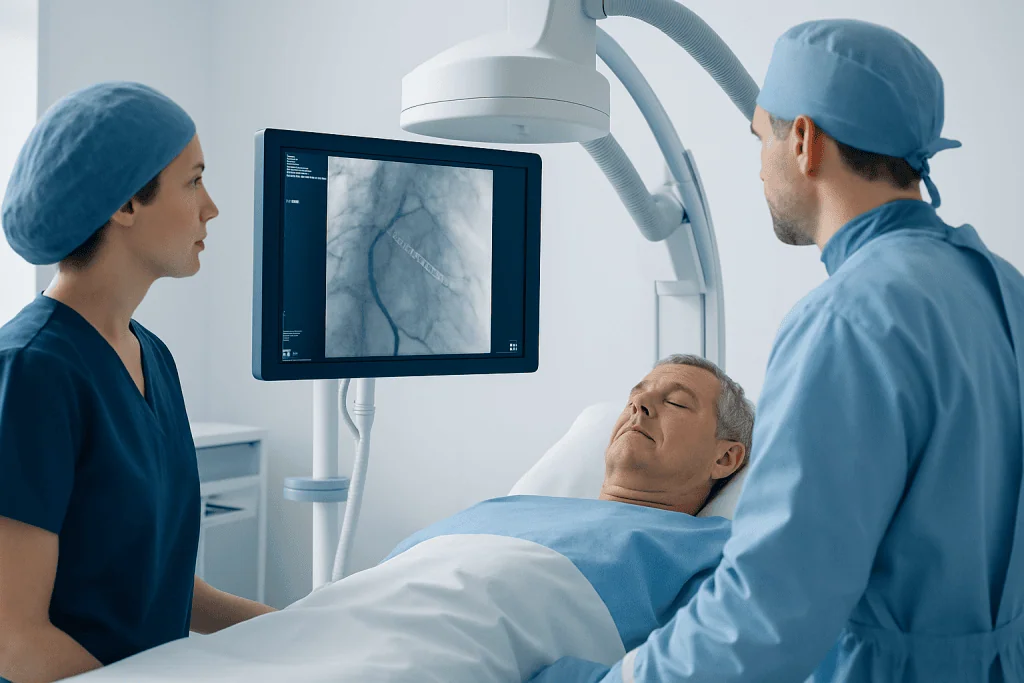
A stent may be recommended when a narrowed artery is causing symptoms or when testing shows that blood flow is significantly reduced. In heart care, this may happen in people with stable angina, worsening chest pain, or a heart attack. The decision depends on symptoms, the severity and location of the blockage, and the person’s overall health.
Doctors usually assess whether a stent is likely to improve symptoms, reduce ongoing heart damage, or lower the risk of future complications in a specific situation. Some patients benefit most from medicines and risk-factor control alone, while others may need a procedure because the blockage is severe or symptoms continue despite treatment.
A stent is not the right option for every narrowed artery. In some cases, other treatments may be preferred, such as medicine-based management, repeat monitoring, or surgery. For example, some patients with more complex blockages may be evaluated for coronary artery bypass surgery instead.
When a stent is considered, the medical team explains the likely benefits, possible risks, and what to expect before and after the procedure. Shared decision-making is important, especially when the procedure is being planned rather than performed in an emergency.
Types of stents and how they differ

Most coronary stents used today are drug-eluting stents. These stents slowly release medication that helps reduce the chance of the artery narrowing again. Another type, the bare-metal stent, is used less often but may still be appropriate in selected cases.
Doctors choose a stent based on the location of the blockage, the size of the artery, bleeding risk, and how long a person can safely take antiplatelet medication after the procedure. Antiplatelet medicines help prevent clotting within the stent while the artery lining heals.
Stents can also be used outside the heart, including in some arteries of the legs, kidneys, or neck, though the reasons and techniques may differ. Regardless of location, the basic purpose remains the same: support the vessel from the inside and improve blood flow.
Patients sometimes ask whether a stent is permanent. In most cases, yes. The stent stays in place and becomes incorporated into the vessel wall over time. It cannot usually be felt inside the body, and daily activities are not limited by the presence of the stent once recovery is complete.
How the stent procedure is performed
Before the procedure, the care team reviews symptoms, medical history, medicines, allergies, and test results. Blood tests, an electrocardiogram, and imaging may be part of the evaluation. In heart cases, doctors often use coronary angiography to see where an artery is narrowed or blocked.
During the procedure, a catheter is inserted through an artery, often at the wrist or groin, and guided to the heart or other treatment area. Contrast dye helps the doctor see the blood vessels on X-ray imaging. A balloon may be used to widen the narrowed section, and then the stent is expanded in place.
The procedure is usually done with local anesthesia at the access site and medication to help the patient relax. Many people remain awake but comfortable. Depending on the complexity, the procedure may take from under an hour to several hours.
Afterward, the catheter is removed and the access site is monitored for bleeding. Some patients go home the same day, while others stay overnight for observation. In certain cases, the procedure may be part of broader interventional cardiology care for blocked or narrowed arteries.
Benefits, risks, and possible complications
The main benefit of a stent is improved blood flow. In the heart, this can relieve angina, improve activity tolerance, and help limit heart muscle damage during a heart attack. For many patients, symptoms improve quickly after the artery is opened.
As with any medical procedure, stent placement has risks. These may include bleeding at the catheter site, bruising, allergic reaction to contrast dye, blood vessel injury, abnormal heart rhythm, kidney strain from dye, or infection. Serious complications are uncommon but can occur, particularly in emergency procedures or in people with complex disease.
One concern after stent placement is restenosis, which means the treated area narrows again. Drug-eluting stents have lowered this risk compared with older stent designs. Another rare but important risk is a clot forming inside the stent, called stent thrombosis, which is why taking prescribed antiplatelet medication exactly as directed is so important.
The best approach balances benefits and risks for the individual patient. Doctors consider age, other illnesses, the pattern of artery disease, kidney function, bleeding risk, and whether symptoms are affecting quality of life. If there is concern about a broader vascular problem, patients may also be assessed in relation to heart disease overall.
Recovery, medicines, and long-term care
Recovery after a stent procedure is often relatively quick, especially when the catheter is inserted through the wrist. Mild soreness, bruising, or tiredness can occur for a few days. The care team usually gives clear guidance on bathing, lifting, activity, driving, and when to return to work.
After a coronary stent, most patients need antiplatelet medicine to reduce the risk of clotting inside the stent. Some will take a combination of antiplatelet medicines for a period of time, followed by longer-term treatment based on their condition and doctor’s advice. It is important not to stop these medicines without medical guidance.
Long-term care matters because a stent does not remove plaque from the rest of the arteries. Patients are usually advised to manage blood pressure, cholesterol, diabetes, and smoking; follow a heart-healthy eating pattern; stay physically active as appropriate; and attend follow-up appointments. Cardiac rehabilitation may also be recommended after a heart-related event or procedure.
Some patients need additional testing or treatment later if symptoms return. Follow-up can include clinical review, blood tests, stress testing, or imaging depending on the situation. In experienced centers, specialists may combine stenting with other cardiology services to support both immediate treatment and prevention of future events.
Prevention and self-care after a stent
Healthy habits remain essential after stent placement. Stents treat a specific narrowed area, but they do not cure atherosclerosis, the process that causes arteries to harden and narrow over time. Preventive care helps reduce the chance of future blockages and protects long-term heart and vascular health.
Practical steps often include eating a balanced diet rich in vegetables, fruits, whole grains, legumes, and healthy fats; limiting tobacco exposure; maintaining a healthy weight; sleeping well; and staying active within medical advice. People with diabetes, high blood pressure, or high cholesterol should work with their doctor to keep these conditions under good control.
Patients should also know the warning signs of a possible problem after a stent. Recurrent chest discomfort, increasing shortness of breath, fainting, severe weakness, or sudden symptoms affecting speech, face, or limb movement should not be ignored. These symptoms do not always mean the stent has failed, but they do require prompt assessment.
Acibadem International’s multidisciplinary specialists and JCI-accredited hospitals diagnose and treat cardiovascular conditions for international patients, including evaluation before and after stent procedures. Ongoing communication with a qualified doctor remains the safest way to personalize treatment and recovery plans.
When to seek medical care
Medical advice should be sought promptly if symptoms that led to the stent return or worsen. This includes chest pain, chest pressure, shortness of breath, pain spreading to the arm or jaw, or symptoms that appear during exertion and improve with rest. These symptoms need timely evaluation, especially in anyone with known artery disease.
Immediate emergency care is important for chest pain that is severe, lasts more than a few minutes, or is accompanied by sweating, nausea, fainting, or breathing difficulty. Emergency care is also needed for possible stroke symptoms such as sudden facial drooping, one-sided weakness, confusion, trouble speaking, or sudden vision loss.
Patients should contact their doctor if they notice bleeding, swelling, increasing pain, or signs of infection at the catheter site. New leg swelling, severe back pain, or persistent dizziness after the procedure should also be reported. Even when the cause turns out to be minor, early review can help prevent complications.
Regular follow-up remains important even when recovery seems smooth. A doctor can review medicines, monitor risk factors, and decide whether further testing is needed. Patients should not change or stop heart medicines on their own, particularly antiplatelet therapy after a stent.
Frequently asked questions
What does a stent do?
A stent helps keep a narrowed or blocked blood vessel open so blood can flow more easily. In the heart, this can reduce chest pain and improve circulation to the heart muscle.
Is a stent the same as angioplasty?
Not exactly. Angioplasty is the procedure used to widen a narrowed artery, often with a balloon, while a stent is the small mesh tube that may be placed afterward to help keep the artery open.
How long does it take to recover after a stent procedure?
Many people recover within days, especially after a straightforward procedure. Recovery time can be longer if the stent was placed during a heart attack or if there are other health conditions that need treatment.
Can a stent get blocked again?
Yes, although modern stents are designed to lower that risk. A treated artery can narrow again over time, and a clot can rarely form inside a stent, which is why follow-up and prescribed medicines are important.
Will a person need medicine after getting a stent?
Yes, in most cases medicines are an essential part of care after a stent. These often include antiplatelet drugs and may also include medicines for cholesterol, blood pressure, or other risk factors.
Does having a stent cure heart disease?
No. A stent treats one narrowed area, but it does not cure the underlying process that causes plaque buildup in the arteries. Long-term management still includes healthy habits, risk-factor control, and regular medical follow-up.
This article is for general information only and is not a substitute for professional medical advice. Please consult a qualified doctor about your individual situation.
Heart care in Turkey — expert evaluation and treatment
JCI-accredited · board-certified surgeons · reply within 24h
Add us as a Preferred Source to see more of our trusted health content across Google Search, AI Overviews and Discover.

More from the Health Library

Insulin Pump: A Complete Medical Overview

Vagus Nerve Reset: An Evidence-Based Guide for Patients

Standing Desk: A Complete Medical Overview

Pentoxifylline: A Complete Medical Overview

Efudix Cream for Sun-Damaged and Superficial Skin