

Stomach Reduction Without Surgery: How Non-Surgical Weight Loss Works

Non-surgical stomach reduction aims to help people feel full sooner and reduce calorie intake without an operation. Options may include an endoscopic gastric balloon, prescription weight-management medicines, and medically supervised lifestyle programs.
Key Takeaways
- Non-surgical stomach reduction aims to help people feel full sooner and reduce calorie intake without an operation.
- Options may include an endoscopic gastric balloon, prescription weight-management medicines, and medically supervised lifestyle programs.
- The right approach depends on body weight, health conditions, eating habits, and personal goals.
- Long-term success usually depends on nutrition counseling, physical activity, behavioral support, and follow-up care.
- A qualified doctor can explain which non-surgical option is appropriate and whether surgery is needed instead.
Stomach reduction without surgery describes non-operative approaches that help reduce food intake, improve satiety, and support sustainable weight loss. These options may include endoscopic procedures, medication, nutrition changes, and structured lifestyle support.
Overview
“Stomach reduction without surgery” is a general term for medical approaches that help reduce food intake and support weight loss without making a surgical cut to the stomach. In practice, this usually means a combination of supervised lifestyle changes, prescription medicines, and, for some patients, endoscopic procedures such as a gastric balloon.
The goal is not to physically remove part of the stomach, but to help a person feel satisfied with smaller portions and build healthier eating patterns. These methods are often considered for people who have not achieved enough weight loss with diet and exercise alone, or for those who are looking for less invasive treatment options than bariatric surgery. For some patients, a doctor may discuss stomach reduction without surgery as part of a broader obesity care plan.
Because weight management is affected by hormones, appetite signals, sleep, stress, and daily habits, effective treatment is usually individualized. A careful medical evaluation helps determine whether a non-surgical approach is suitable, safe, and likely to be helpful over the long term.
Symptoms and Signs That Weight Treatment May Be Needed
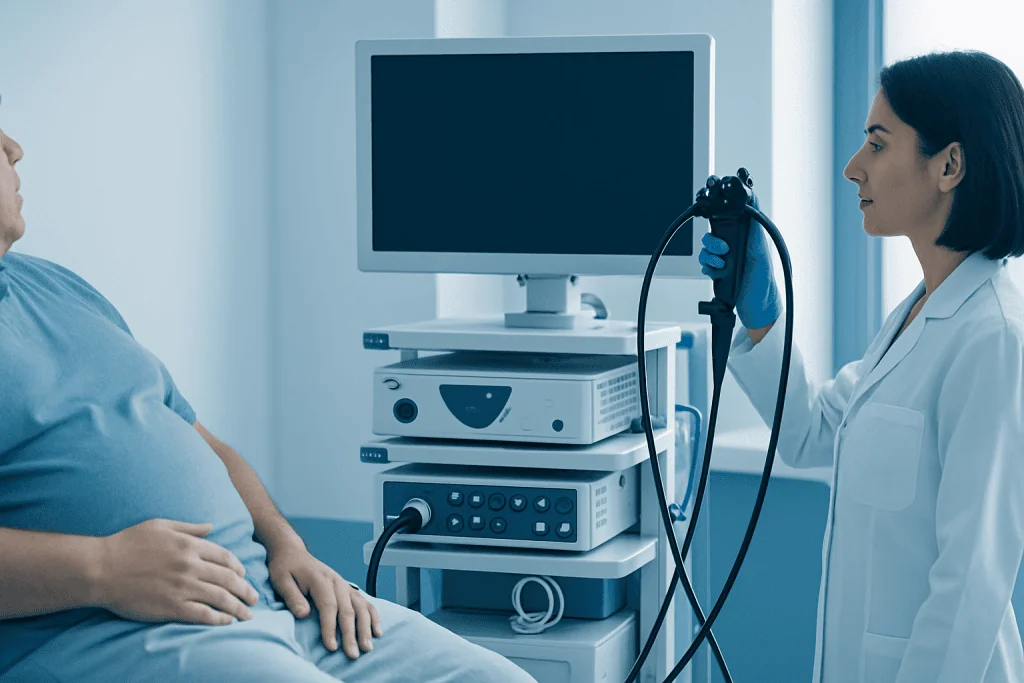
Weight-related concerns do not always present as a single symptom. Many people notice gradual changes such as increasing waist size, difficulty losing weight, more frequent hunger, or weight gain despite attempts to improve diet and exercise. Some also feel tired more easily or find that simple activities are becoming more difficult.
In medical care, the decision to pursue weight treatment is usually based on overall health, body mass index, and weight-related conditions rather than appearance alone. A doctor may also look for signs that excess weight is affecting blood pressure, blood sugar, sleep, joint health, or mood. If eating feels hard to control, the treatment plan may need to address appetite regulation as well as nutrition.
People should remember that needing help with weight is common and not a personal failure. A medical approach can provide structure, accountability, and support that is often difficult to create alone.
Causes and Risk Factors
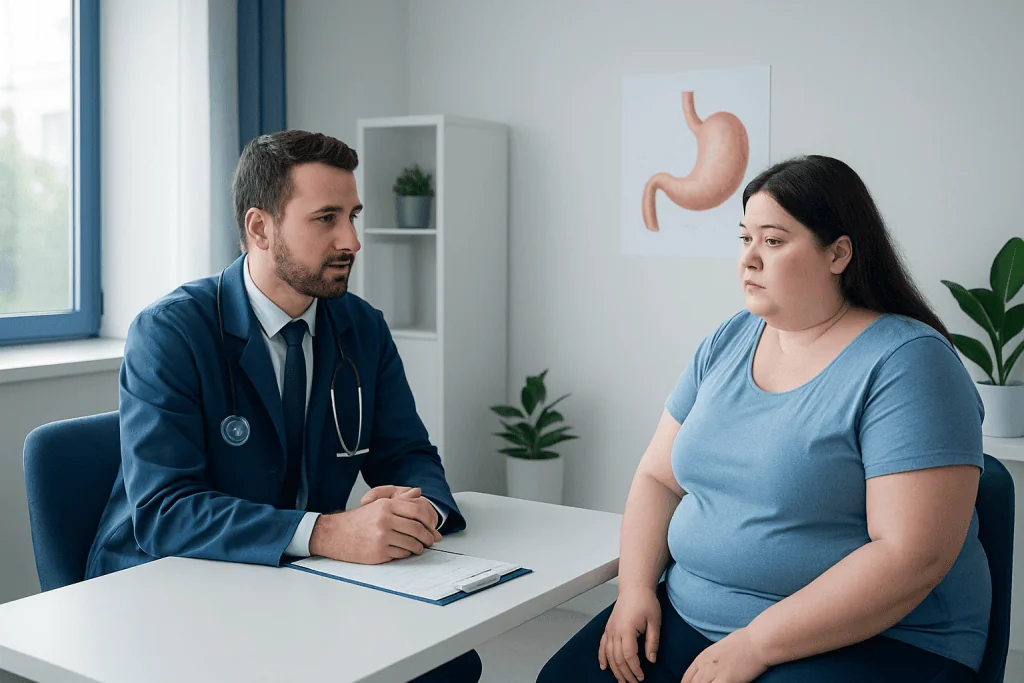
Weight gain and obesity usually develop from a mix of biological, behavioral, and environmental factors. Genetics can influence appetite, metabolism, and the way the body stores fat. Hormonal changes, certain medicines, and some medical conditions can also make weight loss more difficult.
Daily routines matter as well. Long periods of sitting, high-calorie processed foods, irregular sleep, stress eating, and limited access to healthy food can all contribute to gradual weight gain. Emotional factors may play a role too, especially when food becomes a coping mechanism during stress or low mood.
Risk is higher when excess weight runs in the family, when a person has a history of repeated dieting and weight regain, or when medical conditions such as type 2 diabetes, fatty liver disease, sleep apnea, or high blood pressure are already present. A doctor will consider all of these factors when recommending non-surgical treatment.
How Doctors Diagnose and Evaluate Eligibility
Before recommending any stomach reduction method without surgery, a clinician performs a full assessment. This often includes medical history, weight history, eating patterns, medications, previous attempts at weight loss, and screening for obesity-related health problems. The doctor may also ask about sleep, activity level, and emotional eating.
Basic measurements such as weight, height, waist size, blood pressure, and blood tests may be used to understand health risks and rule out conditions that affect treatment choices. In some cases, additional tests are ordered to check blood sugar, cholesterol, liver health, or other metabolic issues. If a procedure is being considered, the doctor may also review stomach or digestive symptoms.
This evaluation is important because not every non-surgical option fits every person. For example, some treatments are better suited to people with a specific body weight range, while others are chosen because they can be combined with nutrition coaching and behavior change. The best plan is the one matched to the person’s overall health profile, not just the number on the scale.
Treatment Options
Non-surgical stomach reduction usually falls into three main categories: endoscopic procedures, medication-based treatment, and structured lifestyle therapy. Endoscopic options are performed through the mouth with a camera and special instruments, so there are no external surgical incisions. One well-known example is a gastric balloon, which occupies space in the stomach and may help a person feel full sooner; people sometimes learn about gastric balloon treatment when exploring non-operative weight loss.
Prescription weight-management medicines are another important option. These medicines do not shrink the stomach physically, but they may reduce appetite, improve fullness, or help regulate eating behavior. They are usually prescribed alongside dietary changes and follow-up visits so that benefits and side effects can be monitored safely. For some patients, medicine can be a bridge to better long-term habits.
Some people benefit most from a comprehensive program rather than a single procedure. A medically supervised plan may include nutrition counseling, meal planning, physical activity guidance, sleep improvement, stress management, and behavior strategies such as self-monitoring. For others, a doctor may discuss bariatric surgery if non-surgical methods are unlikely to provide enough benefit or if weight-related health problems are more advanced. In selected cases, people may also be referred for gastric sleeve surgery or other surgical options after careful evaluation.
Choosing among these approaches depends on goals, medical history, and willingness to commit to follow-up care. A realistic plan often combines treatment tools instead of relying on one measure alone.
Prevention and Self-care
Self-care is a central part of non-surgical weight loss. Eating patterns that emphasize vegetables, fruits, legumes, lean protein, and high-fiber foods can improve fullness and make calorie control easier. Regular meal timing may also help reduce impulsive eating and the urge to snack continuously.
Physical activity is useful even when weight loss is gradual. Walking, swimming, cycling, and strength exercises can support metabolism, preserve muscle, and improve blood sugar and mood. The best routine is one that fits a person’s health status and can be continued consistently.
Behavioral habits matter as much as food choices. Helpful strategies include keeping a food and activity log, sleeping enough, limiting sugary drinks, planning meals ahead, and identifying emotional triggers for overeating. Support from dietitians, psychologists, or obesity specialists can make these changes easier to maintain. If a patient is trying to understand different pathways, obesity care often starts with these fundamentals before moving to procedures or medicines.
When to See a Doctor
A doctor should be consulted if weight is affecting blood pressure, blood sugar, breathing during sleep, joint pain, fertility, or daily functioning. Medical help is also important when repeated self-directed dieting has not worked or when appetite feels difficult to control. Early evaluation can prevent weight-related health problems from progressing.
People with sudden unexplained weight gain, rapid changes in appetite, or symptoms such as fatigue, swelling, or shortness of breath should seek medical assessment, since these may point to another health issue. Anyone considering a stomach balloon, weight-loss medicine, or surgery should first receive a full professional review.
For international patients, Acibadem International’s multidisciplinary specialists and JCI-accredited hospitals diagnose and treat weight-related conditions with coordinated care tailored to the person’s needs. The most appropriate treatment is always the one chosen after careful discussion with a qualified doctor.
Frequently asked questions
What does stomach reduction without surgery mean?
It refers to non-operative methods that help a person eat less and feel full sooner, such as gastric balloon treatment, weight-loss medicines, and structured lifestyle programs. It does not involve surgical removal of stomach tissue.
Is non-surgical weight loss as effective as surgery?
It can be very helpful, but the results are often more modest than bariatric surgery for people with severe obesity. The best choice depends on a person’s health needs, weight-loss goals, and willingness to follow a long-term plan.
Who is a good candidate for a gastric balloon?
Eligibility depends on body weight, overall health, and prior weight-loss efforts. A doctor will decide whether the balloon is appropriate and whether other options may be better.
Do weight-loss medicines replace diet and exercise?
No. Medicines are usually used together with healthier eating, physical activity, and follow-up support. They work best as part of a complete treatment plan.
Will non-surgical treatment work permanently?
Results are more likely to last when people keep up with nutrition, activity, and behavior changes after treatment. Regular follow-up helps maintain progress and adjust the plan if needed.
Can someone switch from non-surgical treatment to surgery later?
Yes, that is sometimes possible. If non-surgical methods do not provide enough benefit, a doctor may discuss bariatric surgery after a new evaluation.
References
- World Health Organization
- National Institute of Diabetes and Digestive and Kidney Diseases
- Mayo Clinic
- American Society for Metabolic and Bariatric Surgery
This article is for general information only and is not a substitute for professional medical advice. Please consult a qualified doctor about your individual situation.
Stomach Reduction Without Surgery in Turkey — costs, top hospitals & a free quote
JCI-accredited · board-certified surgeons · reply within 24h
Add us as a Preferred Source to see more of our trusted health content across Google Search, AI Overviews and Discover.
Check your numbers in seconds
BMI, calories, due date, blood pressure and 30+ more clinical calculators — free, instant, doctor-reviewed ranges.

Bariatric & Metabolic Surgery
Surgical and endoscopic treatments for obesity and metabolic conditions.
Related Treatments
Related Conditions
More from the Health Library



Related Specialists

Prof. Dr. Tayfun Karahasanoğlu
General Surgery
Prof. Dr. Güralp Onur Ceyhan
General Surgery
Prof. Dr. Volkan Özben
General Surgery
Assoc. Prof. Dr. Halil Kara
General Surgery