

Stomach Reduction Without Surgery: Non-Surgical Weight Loss Options

Non-surgical weight loss focuses on lowering calorie intake, improving fullness, and supporting healthier habits. The best option depends on body weight, medical conditions, eating patterns, and prior weight-loss efforts.
Key Takeaways
- Non-surgical weight loss focuses on lowering calorie intake, improving fullness, and supporting healthier habits.
- The best option depends on body weight, medical conditions, eating patterns, and prior weight-loss efforts.
- Treatments may include lifestyle therapy, prescription medicines, and endoscopic procedures such as a gastric balloon.
- A doctor can help assess safety, goals, and whether a person may benefit from surgical or non-surgical care.
- Long-term success usually depends on ongoing follow-up and sustainable daily habits.
Stomach reduction without surgery refers to non-operative approaches that help reduce food intake, improve satiety, and support weight loss. These options may include nutrition and activity changes, prescription medicines, and endoscopic treatments chosen according to a person’s health needs.
Living Well With a Non-Surgical Weight-Loss Plan
Successful non-surgical weight loss is usually gradual and personalized. Progress may include better appetite control, improved energy, smaller waist size, or healthier lab results, not just changes on the scale.
It can be helpful to focus on habits that can continue for months and years, such as meal planning, mindful eating, regular movement, and routine follow-up visits. If weight loss slows, the treatment plan can often be adjusted rather than abandoned.
Most importantly, people should not feel that they have to choose between “doing nothing” and surgery. Many effective options exist, and a doctor can guide the person toward the most suitable level of care.
Frequently asked questions
Can the stomach really be reduced without surgery?
The stomach is not permanently removed or cut smaller with non-surgical care. Instead, treatment helps people feel full sooner, control appetite, and follow healthier eating patterns. That can lead to meaningful weight loss over time.
What is the most effective non-surgical weight-loss option?
There is no single best option for everyone. The most effective plan depends on a person’s health, weight-loss goals, and how much support they need. Some people do best with lifestyle treatment alone, while others may benefit from medicines or an endoscopic procedure.
Are weight-loss medications safe?
Prescription weight-loss medicines can be safe for many people when they are used under medical supervision. A doctor will review side effects, other medications, and health conditions before recommending one. They are usually part of a broader lifestyle plan, not a stand-alone solution.
How does a gastric balloon work?
A gastric balloon is placed in the stomach through the mouth and is used temporarily. It takes up space so a person may feel full after smaller meals. It is one of several non-surgical tools that can support weight loss in selected patients.
Will I regain weight after a non-surgical treatment?
Weight regain can happen if old eating and activity habits return or if follow-up care is not maintained. Long-term success is more likely when treatment includes nutrition support, exercise, behavior changes, and regular medical review. The plan may need to be adjusted over time.
Who should consider seeing a weight-loss specialist?
Anyone whose weight is affecting their health, mobility, or confidence may benefit from a specialist review. This is especially true for people with diabetes, sleep apnea, high blood pressure, or previous unsuccessful weight-loss attempts. A specialist can help match the treatment to the person’s needs.
References
- World Health Organization
- National Institute of Diabetes and Digestive and Kidney Diseases
- American Society for Metabolic and Bariatric Surgery
- Centers for Disease Control and Prevention
This article is for general information only and is not a substitute for professional medical advice. Please consult a qualified doctor about your individual situation.
Stomach Reduction Without Surgery in Turkey — costs, top hospitals & a free quote
JCI-accredited · board-certified surgeons · reply within 24h
Add us as a Preferred Source to see more of our trusted health content across Google Search, AI Overviews and Discover.

Bariatric & Metabolic Surgery
Surgical and endoscopic treatments for obesity and metabolic conditions.
Related Treatments
Related Conditions
More from the Health Library



Related Specialists
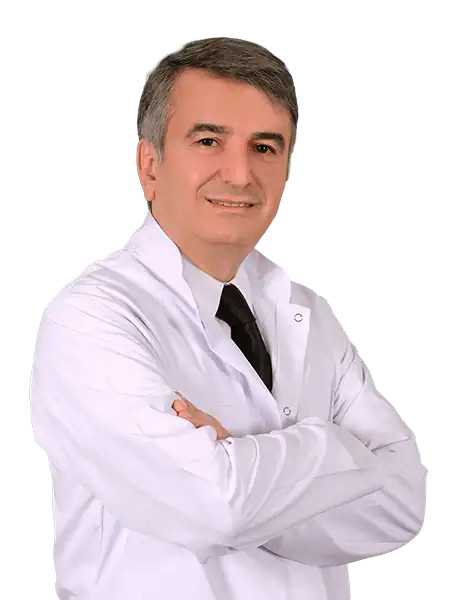
Prof. Dr. Tayfun Karahasanoğlu
General Surgery
Prof. Dr. Güralp Onur Ceyhan
General Surgery
Prof. Dr. Volkan Özben
General Surgery
Assoc. Prof. Dr. Halil Kara
General Surgery