

Stomach Reduction Without Surgery: What Results Are Realistic?

Non-surgical stomach reduction usually means temporary or reversible procedures that support portion control. Results are generally more modest than bariatric surgery and are strongest when combined with diet and lifestyle changes.
Key Takeaways
- Non-surgical stomach reduction usually means temporary or reversible procedures that support portion control.
- Results are generally more modest than bariatric surgery and are strongest when combined with diet and lifestyle changes.
- Not every person is a candidate; overall health, weight goals, and eating patterns matter.
- Common options include the gastric balloon and other endoscopic or device-based approaches.
- Ongoing follow-up is important to maintain results and reduce the chance of weight regain.
Stomach reduction without surgery refers to non-surgical methods that help people feel full sooner and support smaller portions. The results are usually more modest than surgery and depend on eating habits, follow-up care, and a doctor-guided plan.
Overview
Stomach reduction without surgery is an umbrella term for non-surgical weight-loss approaches that help a person feel full sooner, reduce food intake, or build healthier eating habits. In many cases, the stomach itself is not permanently made smaller; instead, the strategy uses a device or endoscopic technique to create an earlier feeling of fullness and support portion control.
These approaches are typically considered for people who have struggled to lose weight with diet and exercise alone and who want options that do not involve major surgery. A doctor may discuss choices such as a gastric balloon or other endoscopic therapies, often as part of a broader plan for obesity care. For some patients, non-surgical methods can be a useful bridge toward healthier weight, while for others bariatric procedures may be more appropriate.
It is important to have realistic expectations. Non-surgical stomach reduction can support weight loss, but the results are usually more modest than those seen with surgery, and the outcome depends greatly on daily habits, medical follow-up, and long-term commitment.
What results are realistic?

The most realistic goal of stomach reduction without surgery is usually a meaningful but moderate reduction in body weight, along with improved appetite control and better control of eating portions. Some people also notice improvements in weight-related conditions such as blood sugar control, blood pressure, reflux symptoms, or joint strain, especially when the weight loss is maintained over time.
Results vary widely from person to person. A patient who follows a structured nutrition plan, attends follow-up visits, and works on activity, sleep, and stress management is more likely to benefit than someone who relies on the device or procedure alone. Non-surgical options are best understood as tools that make healthy behaviors easier to sustain, not as a stand-alone cure for obesity.
Another realistic expectation is that the effect may be temporary. Some techniques are designed to be removed or adjusted later, and even after a successful procedure, the stomach can adapt over time. Because of that, long-term success usually depends on what happens after the procedure, not only on the procedure itself.
Common non-surgical options
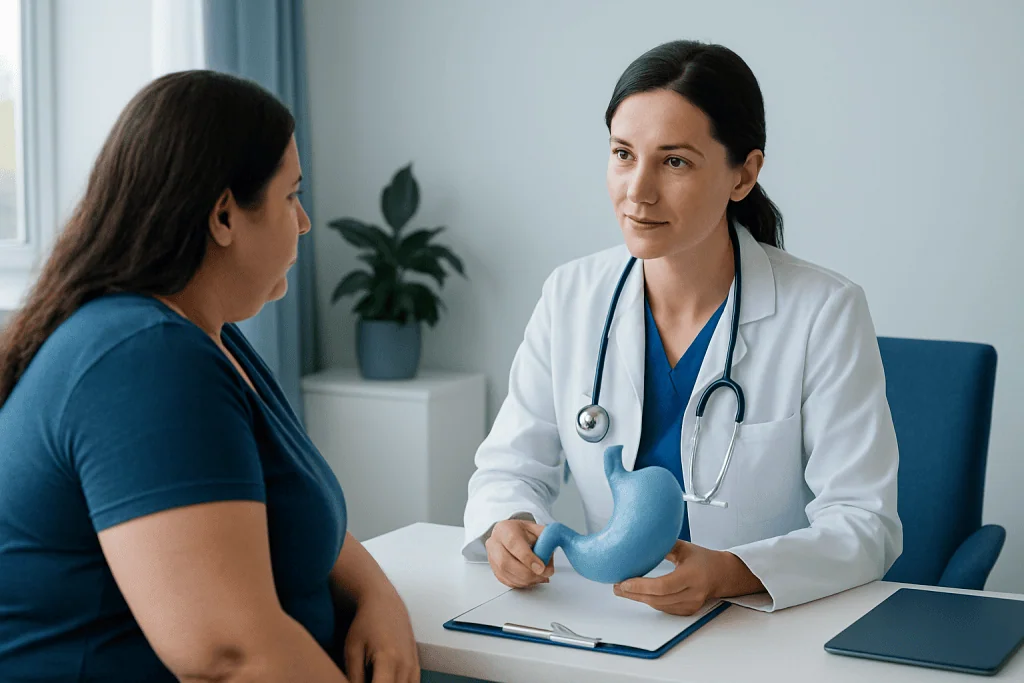
One of the best-known options is the gastric balloon, which is placed in the stomach without surgery and removed later. It takes up space in the stomach, which may help a person feel full after smaller meals. In appropriate candidates, it can support a structured weight-loss program.
Some centers also offer endoscopic procedures that reshape or reduce stomach volume from inside the digestive tract. These methods are less invasive than surgery but still require careful selection, monitoring, and follow-up. In some situations, a doctor may discuss stomach reduction without surgery as a general category of care to match the patient’s needs and goals.
Other treatment paths are not truly “stomach reduction” but may still be discussed during an obesity consultation. For example, the doctor may compare non-surgical options with bariatric surgery if the expected results of a non-surgical approach are unlikely to be enough for the patient’s health needs.
Who may be a candidate?
Non-surgical stomach reduction is usually considered for adults with overweight or obesity who have not achieved enough benefit from lifestyle measures alone. A person’s body mass index, weight-related health conditions, previous weight-loss attempts, and ability to commit to follow-up care all matter when deciding whether a procedure is suitable.
It may be especially helpful for people who want a less invasive option, are not ready for surgery, or need a temporary support tool to begin weight loss. However, not everyone is a good candidate. Certain stomach or intestinal problems, uncontrolled medical conditions, pregnancy, eating disorders, or specific medications may affect whether an approach is safe or appropriate.
A careful consultation helps determine whether the person’s expectations match what the procedure can reasonably deliver. The goal is not simply “smaller stomach,” but a treatment plan that fits the person’s overall health, habits, and weight-related risks.
How the evaluation is done
Before recommending any procedure, a doctor usually takes a detailed medical history, reviews weight changes over time, and asks about eating patterns, prior weight-loss efforts, and related conditions such as diabetes, sleep apnea, or reflux. A physical examination and basic measurements help establish a safe baseline.
Some patients may need blood tests or other assessments to check for nutritional issues or medical factors that could affect treatment. The doctor may also discuss whether the person needs support from a dietitian, psychologist, or exercise specialist, since successful weight management often requires a team approach.
When a device-based procedure is planned, the care team explains how it works, what sensations or side effects may occur, how meals should change afterward, and when follow-up visits will happen. This preparation is important because realistic expectations and good education can improve satisfaction and adherence.
Possible benefits and limitations
Potential benefits include earlier fullness, reduced portion sizes, structured support for weight loss, and motivation to make lifestyle changes. Some people find that a non-surgical option provides the momentum they need to establish new eating patterns and improve their relationship with food.
Limitations are equally important. Weight loss may be slower or smaller than expected, some people regain weight after the device is removed or the effect wears off, and side effects such as nausea, discomfort, or reflux can occur depending on the method. Results are often strongest when the procedure is combined with a nutrition plan and regular follow-up.
For patients who need a larger or more durable effect, the doctor may discuss other forms of obesity treatment or compare non-surgical care with surgical options such as gastric sleeve surgery. The right choice depends on medical needs, not on a one-size-fits-all target.
Prevention & self-care after treatment
Self-care after non-surgical stomach reduction focuses on building habits that support steady, sustainable progress. Smaller meals, slower eating, attention to hunger and fullness cues, and avoiding grazing between meals are often recommended. Following the team’s nutrition guidance can make a major difference in how well the treatment works.
Regular physical activity, adequate sleep, and stress management also matter because they influence appetite, energy, and long-term weight control. Patients are usually encouraged to keep follow-up appointments so the care team can monitor progress, adjust recommendations, and address any symptoms early.
It is also helpful to stay alert for return of old eating patterns after the initial novelty wears off. Non-surgical methods work best when they are part of an ongoing routine, rather than a short-term fix.
- Choose balanced, satisfying meals recommended by the care team.
- Drink fluids as advised, often separated from meals when instructed.
- Track weight trends and eating habits without becoming overly focused on daily fluctuations.
- Ask for help early if nausea, reflux, or difficulty following the plan develops.
When to see a doctor
A doctor should be consulted before starting any stomach-reduction approach so the safest and most effective option can be chosen. Medical advice is especially important for people with obesity-related health problems, previous abdominal procedures, frequent reflux, or concerns about disordered eating.
After treatment, follow-up is important if symptoms become difficult to manage, if the person is unable to tolerate food or fluids as expected, or if weight loss is not progressing despite good adherence. The care team can help determine whether the issue is related to the procedure, the eating plan, or another medical condition.
People seeking care should remember that weight management is a medical process, not a quick test of willpower. In the right setting, Acibadem International’s multidisciplinary specialists and JCI-accredited hospitals diagnose and treat obesity-related conditions for international patients with a personalized approach.
Bottom line
Stomach reduction without surgery can be a helpful option for selected patients, but the most realistic outcome is usually moderate weight loss supported by strong lifestyle changes. It is best viewed as one tool within a broader medical plan, not as a stand-alone solution.
The most suitable choice depends on the person’s health profile, goals, and willingness to maintain new habits. A qualified doctor can explain whether a non-surgical option, a device-based approach, or a more established bariatric procedure is the better fit.
Frequently asked questions
What does stomach reduction without surgery mean?
It refers to non-surgical methods that help a person feel full sooner and eat smaller portions. These approaches may use a temporary device or an endoscopic technique rather than an operation with incisions.
How much weight loss is realistic?
The amount varies from person to person, but the goal is usually moderate weight loss rather than the larger changes often seen after surgery. The best results usually happen when the procedure is combined with diet changes, activity, and regular follow-up.
Is a gastric balloon permanent?
No. A gastric balloon is generally temporary and is removed later. Its purpose is to support weight loss during a structured treatment period and help build healthier habits.
Can non-surgical stomach reduction replace bariatric surgery?
Not always. It can be a good option for some people, but others need surgery to reach their health goals or to treat more severe obesity-related disease. A doctor can help compare the options.
Who should not consider these procedures?
People with certain stomach or intestinal problems, uncontrolled medical conditions, pregnancy, or some eating disorders may not be suitable candidates. A full medical assessment is needed before any decision is made.
How can results be maintained after treatment?
Long-term success usually depends on continued healthy eating, physical activity, and follow-up care. Ongoing support from a medical team can help reduce the chance of weight regain.
References
- World Health Organization
- National Institute of Diabetes and Digestive and Kidney Diseases
- American Society for Metabolic and Bariatric Surgery
- Mayo Clinic
This article is for general information only and is not a substitute for professional medical advice. Please consult a qualified doctor about your individual situation.
Stomach Reduction Without Surgery in Turkey — costs, top hospitals & a free quote
JCI-accredited · board-certified surgeons · reply within 24h
Add us as a Preferred Source to see more of our trusted health content across Google Search, AI Overviews and Discover.
Check your numbers in seconds
BMI, calories, due date, blood pressure and 30+ more clinical calculators — free, instant, doctor-reviewed ranges.

Bariatric & Metabolic Surgery
Surgical and endoscopic treatments for obesity and metabolic conditions.
Related Treatments
Related Conditions
More from the Health Library



Related Specialists

Prof. Dr. Tayfun Karahasanoğlu
General Surgery
Prof. Dr. Güralp Onur Ceyhan
General Surgery
Prof. Dr. Volkan Özben
General Surgery
Assoc. Prof. Dr. Halil Kara
General Surgery