Stress Induced Fits: A Complete Medical Overview

The term “stress induced fits” commonly describes functional seizures, also called psychogenic nonepileptic seizures (PNES). These episodes are real, involuntary, and potentially distressing; they are not fabricated or simply “in someone’s head.”
Key Takeaways
- The term “stress induced fits” commonly describes functional seizures, also called psychogenic nonepileptic seizures (PNES).
- These episodes are real, involuntary, and potentially distressing; they are not fabricated or simply “in someone’s head.”
- Stress can also trigger epileptic seizures indirectly, especially through poor sleep, missed medication, alcohol use, or illness.
- Video-EEG monitoring is often the most useful test for distinguishing functional seizures from epilepsy.
- Effective care may combine neurological assessment, clear education, psychological therapy, and practical stress-management support.
Stress induced fits are episodes that may look like epileptic seizures but can be triggered or worsened by psychological stress, physical strain, or overwhelming emotions. They should always be assessed by a clinician, because seizure-like symptoms can have several possible causes, including epilepsy and other medical conditions.
What Are Stress Induced Fits?
Stress induced fits are seizure-like episodes that occur during or after periods of emotional stress, fear, conflict, trauma reminders, exhaustion, or physical overload. The phrase is not a formal diagnosis. It is often used to describe functional seizures, also known as psychogenic nonepileptic seizures (PNES), which can resemble epileptic seizures but are not caused by the abnormal electrical brain activity seen in epilepsy.
Functional seizures are genuine medical events. A person does not choose them, and the symptoms may include shaking, collapse, unresponsiveness, unusual movements, crying, or changes in awareness. Stress can affect the brain and body in powerful ways, and functional neurological symptoms may develop when the nervous system is overwhelmed or dysregulated.
However, stress does not automatically mean an episode is non-epileptic. People with epilepsy may find that stress contributes to seizures indirectly, for example by disrupting sleep or routines. A medical evaluation is therefore important after a first episode, a new type of event, or episodes that are becoming more frequent.
How Episodes May Look and Feel
Stress-related seizure-like episodes vary widely. Some people experience body stiffening, trembling, jerking movements, falling, staring, loss of responsiveness, or a feeling of being detached from their surroundings. Others may have sudden weakness, difficulty speaking, a sense of panic, rapid breathing, dizziness, or temporary inability to move.
Before an event, a person may notice mounting tension, racing thoughts, nausea, chest tightness, tingling, light-headedness, or a feeling that something is unreal. Afterward, they may feel tired, confused, embarrassed, emotionally drained, or physically sore. These symptoms can significantly affect school, work, driving, relationships, and confidence.
No single sign can reliably identify the cause of a seizure-like event. Features such as the duration, movement pattern, awareness during the episode, recovery period, possible injuries, and witness observations can help clinicians, but diagnosis should not be made from appearance alone. Recording an episode on a phone, if it can be done safely, may sometimes help the medical team understand what happened.
- Episodes may occur in situations of intense stress, but they can also happen when the person feels relatively calm.
- Some individuals have both epilepsy and functional seizures, so one diagnosis does not always exclude the other.
- Symptoms deserve compassionate assessment regardless of the suspected cause.
Why Stress Can Be Linked to Fits

The brain continuously processes physical sensations, emotions, memories, and environmental demands. For some people, prolonged stress or difficult experiences can affect this system and contribute to functional neurological symptoms, including functional seizures. This does not mean that every person with functional seizures has experienced trauma, nor does it mean that stress is the only factor involved.
Possible contributing factors include anxiety, depression, panic symptoms, sleep deprivation, chronic pain, recent illness, burnout, bereavement, relationship stress, and past adverse experiences. A tendency to dissociate, meaning feeling disconnected from oneself or one’s surroundings during intense stress, can also occur in some people. These factors are explored sensitively and individually rather than assumed.
In epilepsy, emotional stress alone is not usually considered a direct cause of seizures. Yet stress can lower a person’s resilience by reducing sleep quality, changing eating habits, increasing alcohol or substance use, or making it harder to take medicines consistently. Learning about epilepsy and its triggers can be helpful when a clinician suspects or has confirmed epileptic seizures.
How Doctors Diagnose the Cause
Assessment usually begins with a detailed description of the event. A doctor may ask what happened before, during, and after the episode; whether there was loss of consciousness, injury, tongue biting, incontinence, or confusion; and whether anyone witnessed it. Medical history, medicines, sleep, alcohol or drug use, recent illness, and mental health symptoms are also relevant.
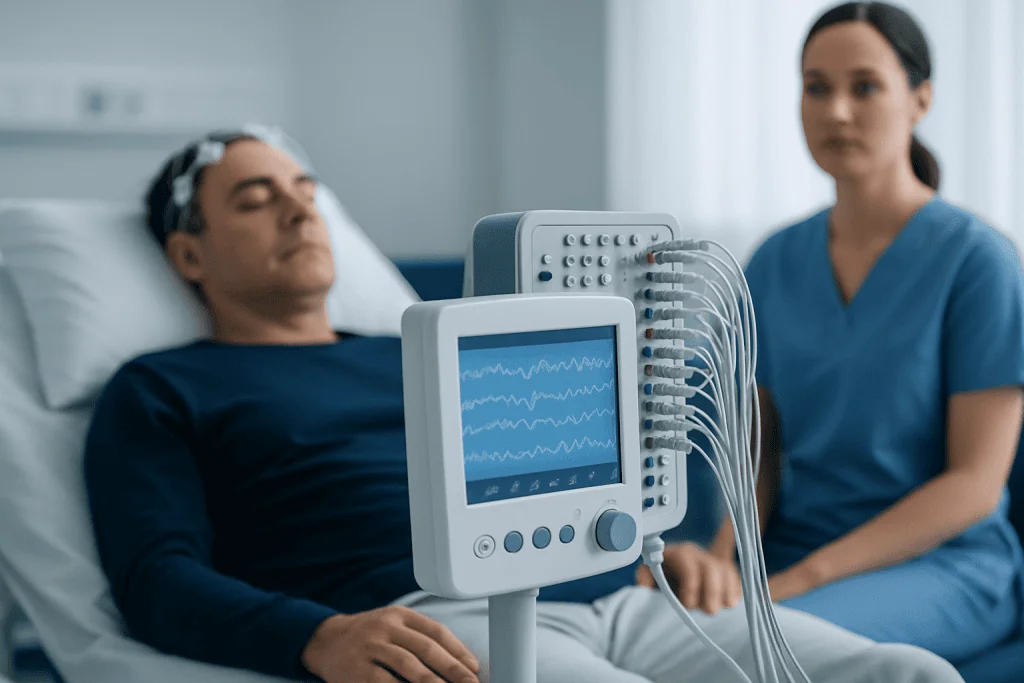
Tests may include blood tests, an electrocardiogram (ECG) to assess heart rhythm, and brain imaging when indicated. An electroencephalogram (EEG) records electrical activity in the brain. The most definitive assessment for recurring unexplained events is often video-EEG monitoring, where the clinical event and EEG findings are reviewed together.
A diagnosis of functional seizures should be made positively by an experienced clinician, not simply because routine tests are normal. The goal is to identify the best explanation for the episodes, exclude urgent causes, and create a treatment plan that addresses the person’s specific needs. A neurologist may work closely with psychology, psychiatry, rehabilitation, and primary care professionals.
Treatment and Recovery Support
Treatment depends on the diagnosis. If epilepsy is confirmed, care may involve antiseizure medicines, trigger management, safety planning, and regular neurological follow-up. Medication should not be started, stopped, or changed without advice from the prescribing clinician, as sudden changes can increase seizure risk.
For functional seizures, clear explanation of the diagnosis is an important first step and can itself support improvement. Evidence-based psychological therapies, often including cognitive behavioural therapy or approaches tailored to trauma, anxiety, and stress regulation, may help reduce episode frequency and improve daily functioning. Treatment is not based on the idea that symptoms are imagined; it focuses on helping the nervous system respond differently to triggers and bodily warning signs.
Some people also benefit from physiotherapy, occupational therapy, sleep support, and treatment for depression, anxiety, pain, or other coexisting conditions. Neurology assessment can help ensure that seizure-like symptoms are investigated appropriately and that care is coordinated across relevant specialties. Recovery can be gradual, and progress is often measured both by fewer episodes and by increased ability to resume valued activities.
Practical Self-Care and Safety During an Episode
Until a clinician has clarified the cause, it is sensible to follow general seizure safety measures. If an episode occurs, a bystander should remain calm, move dangerous objects away, cushion the person’s head if possible, and time the event. They should not hold the person down, put anything in their mouth, or give food, drink, or medication while they are not fully alert.
After movements stop, placing the person on their side can help keep the airway clear if they are drowsy or vomiting. Reassurance and a quiet recovery space may be helpful. The person should avoid driving, swimming alone, climbing heights, or operating dangerous machinery until they have received individual medical advice about safety.
Between episodes, regular sleep, consistent meals, hydration, gentle physical activity, and reducing alcohol or recreational drug use can support overall nervous-system health. A simple diary noting events, possible triggers, sleep, stress levels, and recovery can be useful at appointments. Relaxation exercises may complement treatment, but they should not replace medical assessment for new or unexplained fits.
When to Seek Medical Care
Urgent medical help is needed for a first seizure-like episode, an event lasting more than five minutes, repeated episodes without full recovery, breathing difficulty, serious injury, pregnancy, diabetes, or seizure-like symptoms occurring in water. Emergency assessment is also important if the person remains unresponsive, has new weakness, severe headache, fever with neck stiffness, or other signs of a possible serious illness.
Even when the person recovers quickly, a prompt medical appointment is recommended after any new fit or unexplained loss of awareness. A clinician can review possible neurological, cardiac, metabolic, medication-related, and psychological contributors. It is particularly important to seek review if episodes change in pattern, become more frequent, or interfere with everyday life.
Acibadem International’s multidisciplinary specialists and JCI-accredited hospitals assess and treat neurological and functional symptoms for international patients. A person who experiences recurrent stress induced fits can benefit from coordinated review that considers both physical health and emotional wellbeing.
Frequently asked questions
Can stress really cause fits?
Stress can be associated with functional seizures, which are real seizure-like episodes not caused by epileptic electrical activity in the brain. Stress can also contribute to epileptic seizures indirectly by affecting sleep, medication routines, and overall health. A clinician should assess any new or recurrent seizure-like event.
Are stress induced fits the same as epilepsy?
Not necessarily. Functional seizures can look similar to epileptic seizures, but the underlying mechanism is different. Some people have epilepsy, some have functional seizures, and a smaller group may have both conditions.
Are functional seizures voluntary or faked?
No. Functional seizures are involuntary and can be highly distressing and disabling. The symptoms are real, and supportive medical care should address them respectfully.
What test confirms whether a fit is epileptic?
Video-EEG monitoring is often the most useful test when events happen repeatedly and the diagnosis is uncertain. It records the person’s symptoms and brain electrical activity at the same time. Other tests may also be needed depending on the individual situation.
What should someone do during a stress induced fit?
Keep the person safe by moving hazards away, cushioning their head, timing the episode, and staying with them. Do not restrain them or put anything in their mouth. Seek emergency help if it is their first episode, lasts more than five minutes, repeats without recovery, or involves injury or breathing problems.
Can stress induced fits improve?
Many people improve with an accurate diagnosis and an individualized care plan. Psychological therapy, education, treatment of related anxiety or sleep problems, and practical rehabilitation support can all be useful. Recovery differs from person to person, so regular follow-up is important.
This article is for general information only and is not a substitute for professional medical advice. Please consult a qualified doctor about your individual situation.
Explore treatments in Turkey — costs, top hospitals & a free quote
JCI-accredited · board-certified surgeons · reply within 24h
Add us as a Preferred Source to see more of our trusted health content across Google Search, AI Overviews and Discover.

More from the Health Library

Tincture: An Evidence-Based Guide for Patients

Facetite: A Complete Medical Overview

Acute Decompensated Heart Failure: What Patients Need to Know

Hives on Black Skin: An Evidence-Based Guide for Patients

Lindt Dark Chocolate: What Patients Need to Know