Stroke Symptoms in Women: Common Causes, Related Conditions, and When to See a Doctor
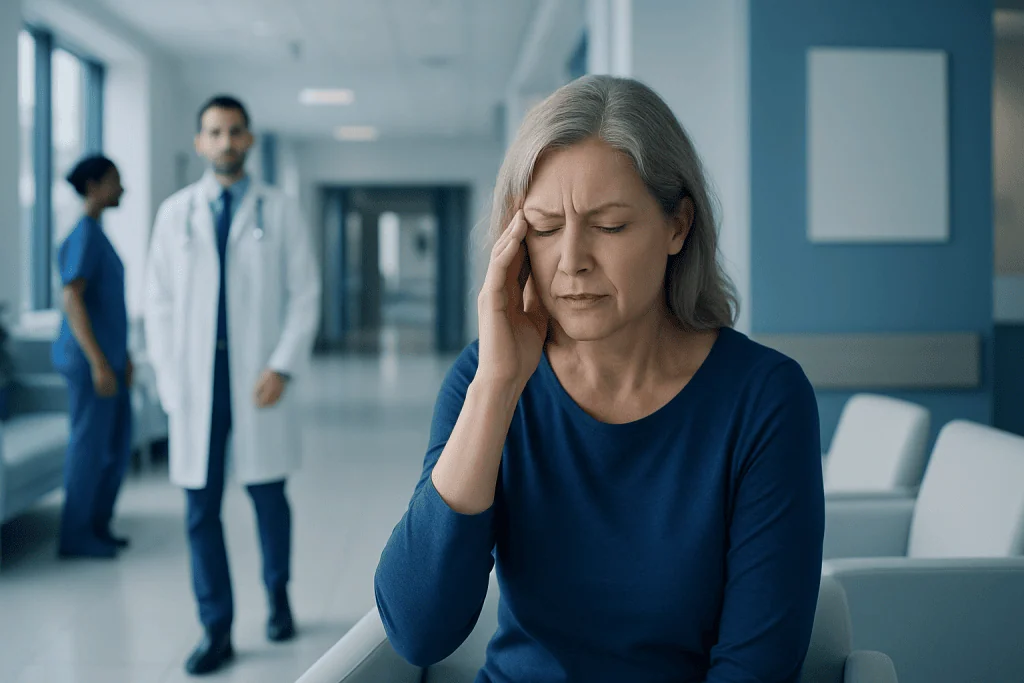
Stroke symptoms in women can include classic FAST signs as well as some less typical symptoms. Sudden facial drooping, arm weakness, speech trouble, vision loss, dizziness, or severe headache need emergency attention.
Key Takeaways
- Stroke symptoms in women can include classic FAST signs as well as some less typical symptoms.
- Sudden facial drooping, arm weakness, speech trouble, vision loss, dizziness, or severe headache need emergency attention.
- Women may have added risk factors such as pregnancy-related conditions, hormonal therapy, migraine with aura, and atrial fibrillation.
- Doctors use urgent brain imaging and neurological assessment to tell stroke from other conditions.
- Rapid treatment is critical because stroke therapies work best when given as early as possible.
Stroke symptoms in women often include the same classic warning signs seen in men, such as facial drooping, arm weakness, and speech difficulty, but some women also report less specific symptoms like sudden confusion, nausea, fainting, or unusual fatigue. Any sudden stroke symptom is a medical emergency, and quick treatment can reduce long-term disability.
Overview: What stroke symptoms in women look like
Stroke symptoms in women usually start suddenly. Common signs include one-sided weakness or numbness, a drooping face, trouble speaking or understanding speech, sudden vision changes, severe dizziness, loss of balance, or a sudden severe headache. Some women also describe less typical symptoms such as nausea, fainting, confusion, shortness of breath, or unusual exhaustion, which can make the problem easier to overlook.
A stroke happens when blood flow to part of the brain is blocked or when a blood vessel in the brain bleeds. Because brain cells can be injured quickly, every minute matters. Recognizing symptoms early and seeking emergency care right away improves the chance of preserving brain function and limiting disability.
It is important to know that women are not necessarily affected by a completely different disease process. Rather, they may experience the same classic stroke signs along with symptoms that seem less specific. This can sometimes delay diagnosis, especially if symptoms are mild, brief, or mistaken for migraine, stress, low blood sugar, or exhaustion.
Common warning signs and possible female-specific patterns
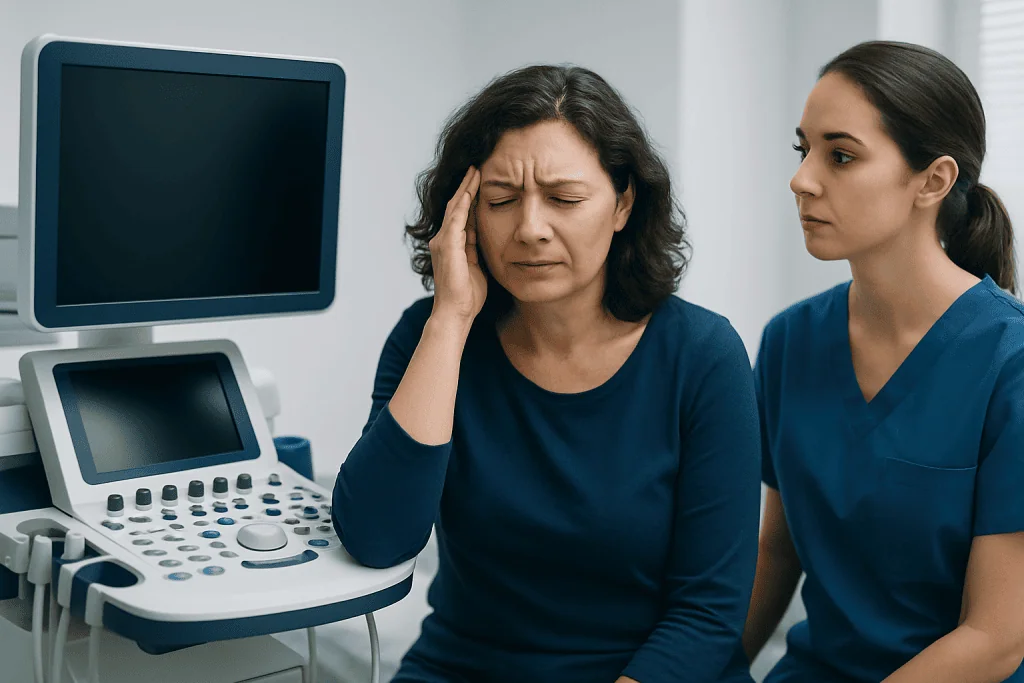
The easiest way to remember the most important stroke warning signs is FAST: face drooping, arm weakness, speech difficulty, and time to call emergency services. These remain the core symptoms in women as well as men. If one side of the face droops, one arm drifts downward, or speech becomes slurred or confused, urgent medical care is needed.
Women may also report symptoms that feel more general at first. These can include sudden weakness of the whole body, fainting, hiccups, nausea or vomiting, chest discomfort, confusion, agitation, or a sudden marked change in alertness. Although these symptoms do not always mean stroke, they should be taken seriously when they appear abruptly, especially along with any neurological change.
Other important symptoms include sudden trouble seeing in one or both eyes, double vision, difficulty walking, loss of coordination, numbness on one side, or the “worst headache” a person has ever felt. A sudden, unexplained severe headache is especially important because it may signal bleeding in or around the brain, which also requires immediate treatment.
- Face drooping or uneven smile
- Arm or leg weakness, especially on one side
- Slurred speech or trouble finding words
- Sudden confusion or difficulty understanding
- Vision loss, blurred vision, or double vision
- Severe dizziness, imbalance, or trouble walking
- Sudden severe headache
- Fainting, nausea, or unusual sudden fatigue
Why stroke symptoms in women can be missed
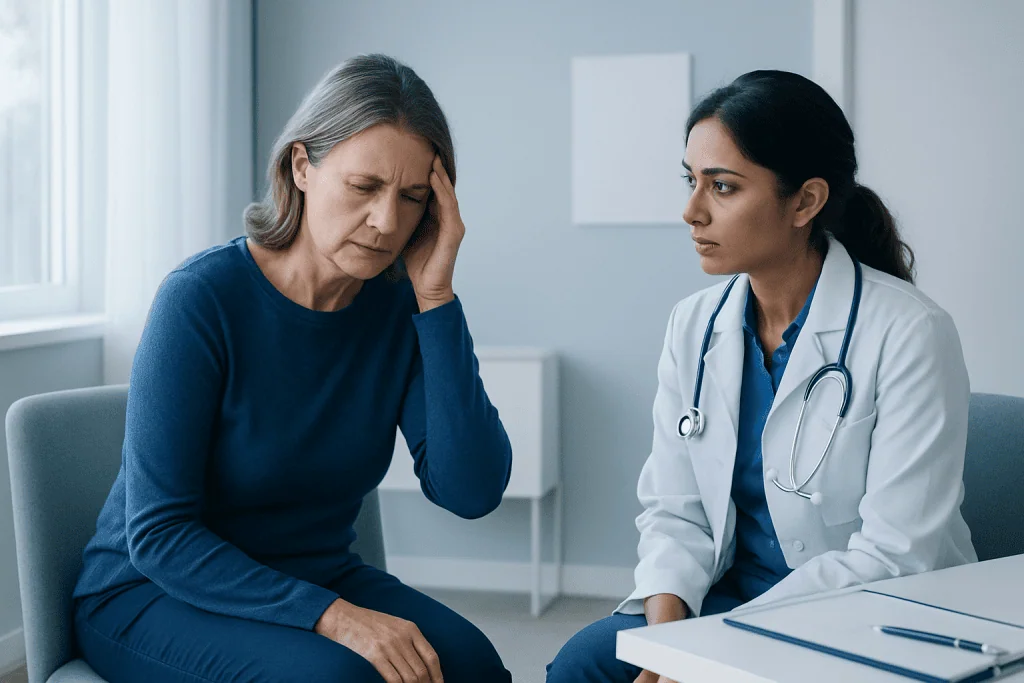
Stroke symptoms in women can be missed because some are subtle or do not fit the familiar picture many people expect. A woman with sudden confusion, nausea, or overwhelming fatigue may not immediately think of stroke. Family members may also attribute symptoms to stress, anxiety, migraine, menopause, or lack of sleep.
Another reason is that symptoms may be brief. A transient ischemic attack, often called a TIA or “mini-stroke,” causes stroke-like symptoms that resolve, sometimes within minutes. Even if symptoms disappear, emergency evaluation is still necessary because a TIA can be an early warning of a more serious stroke. It is helpful to learn about transient ischemic attack because these episodes should never be ignored.
Women are also more likely to experience stroke at older ages, when other illnesses may complicate the picture. Memory problems, medication side effects, infection, dehydration, or irregular heart rhythms can overlap with neurological symptoms. For this reason, any sudden change in speech, strength, balance, or awareness should be assessed urgently by a qualified medical team.
Common causes, risk factors, and related conditions
Most strokes are ischemic, meaning a blood clot blocks blood flow to part of the brain. Others are hemorrhagic, meaning a blood vessel ruptures and causes bleeding. The underlying risk factors often overlap in women and men: high blood pressure, diabetes, high cholesterol, smoking, obesity, physical inactivity, sleep apnea, and heart disease all raise stroke risk.
Some risk factors are especially important in women. These include pregnancy and the weeks after delivery, preeclampsia, gestational hypertension, migraine with aura, autoimmune disease, and use of estrogen-containing hormonal therapy in selected patients. Atrial fibrillation is another major concern because it can lead to blood clots that travel to the brain. People living with atrial fibrillation should discuss stroke prevention with their doctor.
Related conditions can sometimes mimic stroke or increase the chance of having one. Migraine, seizures, very low blood sugar, inner ear disorders, severe infections, and brain tumors may produce similar symptoms and require medical evaluation. In some cases, a blockage in the neck arteries contributes to stroke risk; treatment may include careful monitoring, medication, or procedures such as carotid endarterectomy when appropriate.
Women with a personal history of high blood pressure, previous TIA, prior stroke, or vascular disease have a higher risk of another event. Long-term prevention usually focuses on controlling blood pressure, treating cholesterol abnormalities, stopping smoking, managing blood sugar, and reducing clotting risk when needed.
How doctors diagnose stroke
Stroke diagnosis begins with a rapid neurological assessment and a review of when symptoms started. Time of onset matters because some treatments are only suitable within certain windows. Doctors may ask when the person was last known to be well, which is especially important if symptoms began during sleep or if they were first noticed by another person.
Brain imaging is essential to distinguish between ischemic and hemorrhagic stroke. A non-contrast CT scan is commonly used first because it is fast and can show bleeding. MRI may be used in selected cases to look for early ischemic changes or small areas of injury. Blood tests, heart rhythm monitoring, and vascular imaging may also help identify the cause.
Depending on the situation, specialists may evaluate the blood vessels in the head and neck, swallowing function, heart structure, and clotting risks. If doctors suspect a blocked large brain artery, advanced imaging may guide urgent procedures such as mechanical thrombectomy in carefully selected patients. The goal is not just to confirm that a stroke occurred, but to identify the exact type and the safest treatment path.
Treatment options and why speed matters
Treatment depends on the type of stroke. For ischemic stroke, doctors may use clot-dissolving medication in eligible patients if they arrive quickly enough and meet safety criteria. In some cases, a specialist can remove the clot through a catheter-based procedure. Rapid restoration of blood flow can improve outcomes, which is why immediate emergency evaluation is so important.
For hemorrhagic stroke, the priorities are different. Treatment may include blood pressure control, reversal of certain blood-thinning medications when appropriate, intensive monitoring, and sometimes surgery or other procedures to manage bleeding or pressure in the brain. If an aneurysm or vascular abnormality is involved, targeted treatments may be considered, including brain aneurysm treatment when suitable.
After emergency care, treatment often continues with rehabilitation and prevention. Physical therapy, occupational therapy, and speech-language therapy help many patients regain function. Doctors also work to lower the chance of another stroke by treating the underlying cause, such as atrial fibrillation, high blood pressure, carotid artery disease, diabetes, or high cholesterol.
Near the end of the care pathway, some patients and families look for coordinated follow-up across specialties. Acibadem International’s multidisciplinary specialists and JCI-accredited hospitals diagnose and treat stroke-related conditions for international patients, with care planned according to the individual clinical picture.
Prevention and self-care after warning signs or risk factors
While not all strokes can be prevented, many risks can be reduced. The most effective steps include controlling blood pressure, not smoking, staying physically active, maintaining a healthy weight, treating diabetes and high cholesterol, and limiting excess alcohol. Taking prescribed medicines as directed is also important, especially for blood pressure or heart rhythm problems.
Women should speak with their doctor about personal risk factors during major life stages, including pregnancy, the postpartum period, and menopause. Anyone with migraine with aura, clotting disorders, a history of preeclampsia, or a family history of early stroke may benefit from a tailored risk review. Hormonal medications should always be discussed in the context of overall vascular risk.
If stroke-like symptoms happen and then go away, self-care at home is not enough. The safest step is urgent evaluation, because a temporary episode may be a TIA. Keeping a note of what symptoms occurred, when they started, how long they lasted, and whether there were triggers can help doctors assess the event more accurately.
When to seek medical care
Emergency care is needed immediately for any sudden stroke symptom. This includes facial drooping, weakness or numbness on one side, slurred speech, sudden confusion, severe dizziness, sudden vision loss, collapse, or a sudden severe headache. It is best to call emergency services rather than drive, because treatment may need to begin as soon as possible.
Medical care is also needed if symptoms are mild, unusual, or brief. A short-lived episode can still be a warning sign of a future stroke. Do not wait to see if the symptoms improve on their own, and do not assume stress or fatigue is the cause without an assessment.
Follow-up medical advice is appropriate for women with risk factors even if they have never had a stroke. A doctor can review blood pressure, heart rhythm, cholesterol, diabetes, migraine history, pregnancy-related vascular risks, and lifestyle factors to help build a prevention plan.
Frequently asked questions
Are stroke symptoms in women different from men?
Women and men share the main stroke warning signs, including facial drooping, arm weakness, and speech problems. However, some women may also have less specific symptoms such as nausea, fainting, confusion, or sudden unusual fatigue, which can make recognition harder.
What are the first signs of stroke a woman should never ignore?
Sudden one-sided weakness or numbness, trouble speaking, facial drooping, vision changes, severe dizziness, and a sudden severe headache should never be ignored. Even if symptoms seem mild or improve quickly, urgent medical evaluation is needed.
Can stroke symptoms in women come and go?
Yes. A transient ischemic attack can cause temporary stroke-like symptoms that resolve on their own. Even though symptoms may disappear, it is still a medical emergency because it can be an early warning sign of a future stroke.
Do younger women get strokes?
Yes, although stroke becomes more common with age. Younger women can still be affected, especially if they have migraine with aura, high blood pressure, smoking exposure, clotting disorders, pregnancy-related complications, or certain heart rhythm problems.
What should someone do if they think a woman is having a stroke?
Call emergency services immediately and note the time symptoms started or when she was last known to be well. Do not give food, drink, or medication unless a medical professional advises it, and do not wait to see if symptoms improve.
Can a stroke be mistaken for something else?
Yes. Migraine, seizure, low blood sugar, inner ear disorders, and some infections can mimic stroke symptoms. Because the symptoms can overlap, a sudden neurological change should be assessed urgently by a qualified doctor rather than diagnosed at home.
References
- American Stroke Association
- National Institute of Neurological Disorders and Stroke
- Centers for Disease Control and Prevention
- World Stroke Organization
- National Institutes of Health
This article is for general information only and is not a substitute for professional medical advice. Please consult a qualified doctor about your individual situation.
Persistent digestive symptoms? Get evaluated in Turkey
JCI-accredited · board-certified surgeons · reply within 24h
Add us as a Preferred Source to see more of our trusted health content across Google Search, AI Overviews and Discover.
Check your numbers in seconds
BMI, calories, due date, blood pressure and 30+ more clinical calculators — free, instant, doctor-reviewed ranges.