Stroke Test: What Patients Need to Know
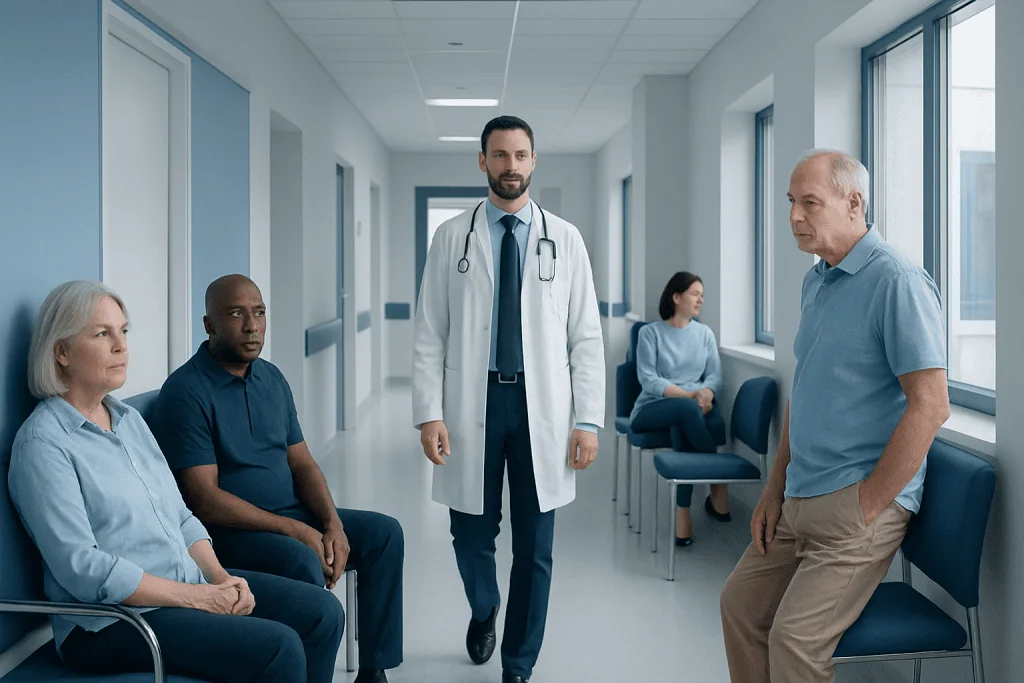
Sudden face drooping, arm weakness, speech difficulty, vision changes, severe imbalance or a new severe headache require emergency assessment. A home stroke check can identify warning signs, but it cannot diagnose or safely rule out a stroke.
Key Takeaways
- Sudden face drooping, arm weakness, speech difficulty, vision changes, severe imbalance or a new severe headache require emergency assessment.
- A home stroke check can identify warning signs, but it cannot diagnose or safely rule out a stroke.
- Brain imaging, usually CT and sometimes MRI, helps clinicians distinguish an ischemic stroke from bleeding in the brain.
- Even symptoms that disappear quickly may be a transient ischemic attack and need urgent medical evaluation.
- Fast assessment matters because some stroke treatments are time-sensitive and depend on the type of stroke and when symptoms began.
A stroke test is not one single examination. It is an urgent assessment that combines symptom recognition, a neurological examination, brain imaging, heart and blood-vessel tests, and laboratory testing to determine whether a stroke has occurred and which treatment may be appropriate.
What Is a Stroke Test?
A stroke test is the group of checks doctors use when a person may be having, or may recently have had, a stroke. There is no single test that confirms every stroke. Instead, healthcare professionals quickly combine the person’s symptoms, medical history, physical and neurological examination, brain scans, and selected blood and heart tests.
The immediate aim is to find out whether symptoms are caused by a blocked blood vessel in the brain, called an ischemic stroke, or bleeding in or around the brain, called a hemorrhagic stroke. These conditions can look similar at first but require different treatment approaches. Tests also help identify other conditions that can resemble a stroke, such as low blood sugar, seizures, migraine, infection, or certain medication effects.
Time is an important part of stroke testing. The medical team will ask when the person was last known to be well, even if symptoms were noticed later. This information can affect which investigations and treatments are considered safe and suitable.
Recognizing Warning Signs Before Testing
The first practical stroke test is recognizing sudden neurological symptoms and seeking emergency care without delay. A useful memory aid is BE FAST: Balance problems, Eyesight changes, Face drooping, Arm weakness, Speech difficulty, and Time to call emergency services. Symptoms may affect one side of the body, but not always.
Other possible warning signs include sudden numbness or weakness of the face, arm, or leg; confusion; trouble understanding words; loss of vision or double vision; difficulty walking; dizziness with other neurological symptoms; or a sudden, unusually severe headache. A person should not drive themselves to hospital or wait to see whether symptoms improve.
A home check may involve asking the person to smile, raise both arms, and repeat a simple sentence. New facial asymmetry, one arm drifting downward, or abnormal speech are warning signs. However, a normal home check does not rule out a stroke. Subtle symptoms, including sudden vision loss, coordination problems, or language difficulty, still need urgent professional assessment.
What Happens During the Emergency Assessment
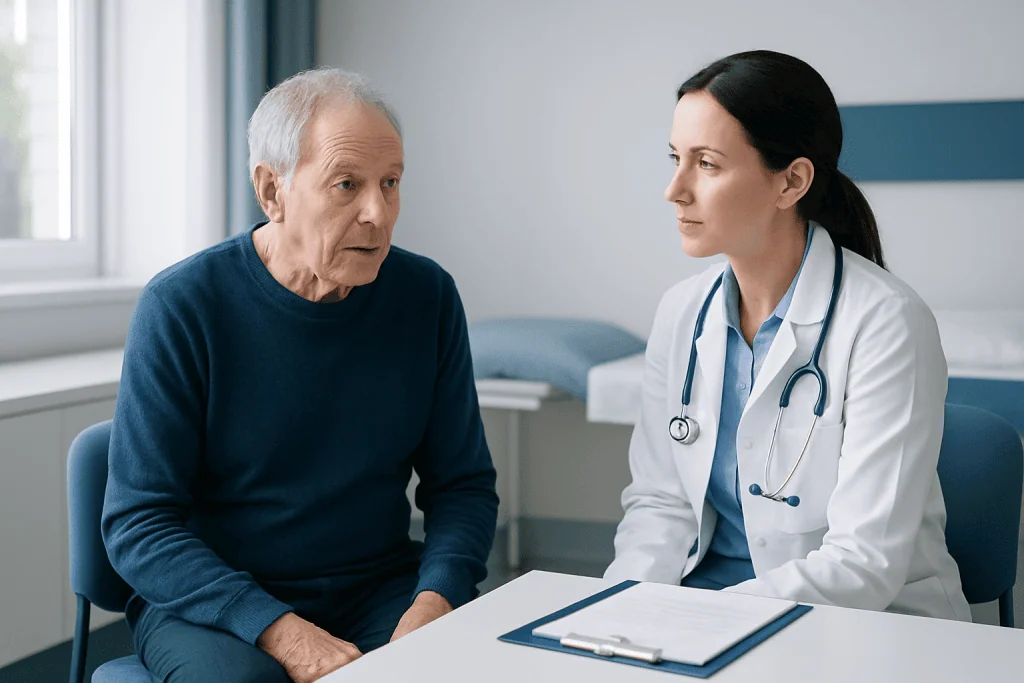
On arrival at an emergency department, clinicians first assess breathing, circulation, consciousness, temperature, oxygen levels, and blood pressure. They also check blood glucose promptly because very low or very high glucose can cause symptoms similar to stroke and may need immediate correction.
A focused neurological examination assesses alertness, speech, facial movement, strength, sensation, coordination, vision, eye movements, and swallowing. Clinicians may use a standardized stroke severity scale to document findings and monitor changes. They will also ask about the exact timing of symptoms, medicines, allergies, recent surgery or injury, and conditions such as high blood pressure, irregular heartbeat, diabetes, or previous stroke.
Information from relatives, friends, or emergency responders can be especially helpful if the person cannot speak clearly or does not remember the onset. If symptoms have resolved by the time of assessment, they are still taken seriously because a transient ischemic attack, often called a TIA or “mini-stroke,” can be a warning of future stroke.
Brain Scans and Other Diagnostic Tests
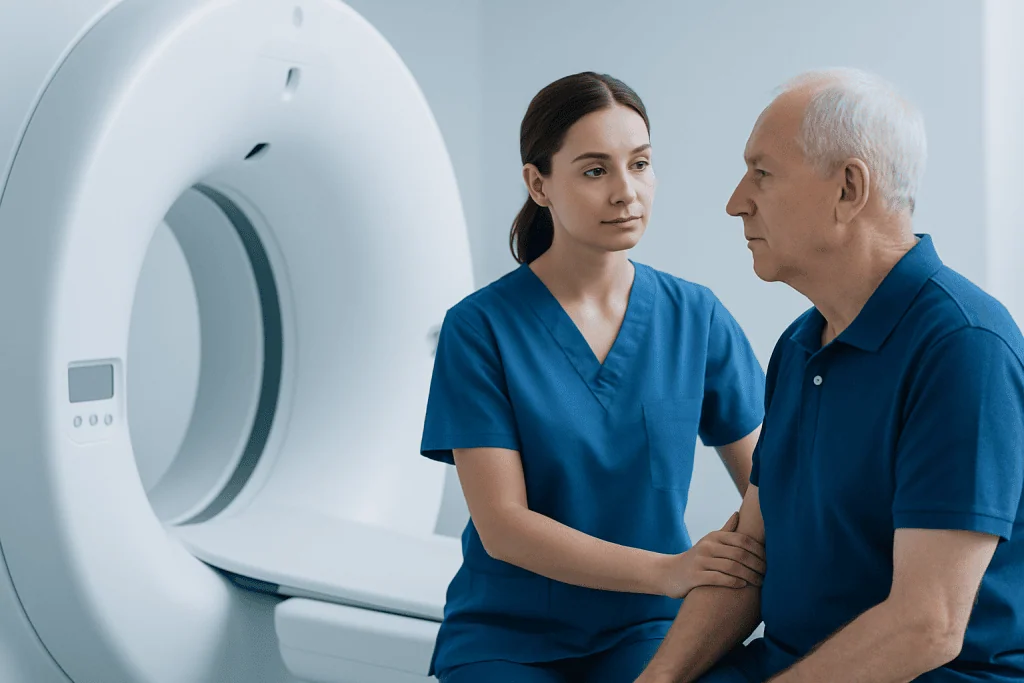
Brain imaging is central to stroke diagnosis. A non-contrast CT scan is often performed rapidly because it can identify bleeding in the brain and other urgent problems. In the early stages of an ischemic stroke, a CT scan may appear normal, so clinicians interpret it alongside the examination and other imaging findings.
CT angiography or MR angiography may be used to examine the blood vessels in the head and neck for a blockage, narrowing, aneurysm, or other abnormality. CT perfusion or specialized MRI techniques may show areas of brain tissue with reduced blood flow. These tests can help stroke specialists decide whether certain urgent treatments could be beneficial for an individual patient.
MRI can be particularly sensitive for detecting small or early areas of ischemic brain injury, although it is not always the first scan used in an emergency. The choice and order of tests depend on the person’s symptoms, the time since onset, local emergency pathways, kidney function, implanted devices, and clinical stability.
In suspected bleeding-related stroke, imaging may also help determine the location and extent of bleeding and whether there is pressure on surrounding brain tissue. Follow-up scans may be needed if symptoms change or to guide ongoing care.
Blood, Heart and Blood-Vessel Tests
Blood tests do not diagnose a stroke by themselves, but they provide important information for safe care. Common tests may include a full blood count, blood glucose, kidney function, electrolytes, liver function, blood clotting tests, and sometimes cholesterol and long-term glucose measurements. The results can identify contributing conditions or factors that affect treatment choices.
An electrocardiogram, also called an ECG, checks the heart rhythm. Atrial fibrillation, an irregular rhythm, can allow blood clots to form in the heart and travel to the brain. Some people need longer heart-rhythm monitoring because irregular rhythms may come and go and may not appear during a short ECG recording.
Doctors may also request an echocardiogram, an ultrasound scan of the heart, to look for structural heart conditions or possible sources of clots. Carotid ultrasound, CT angiography, or MR angiography can assess the arteries in the neck and brain. Identifying the likely cause of a stroke supports decisions about preventing another event.
What Results Can Mean and How Treatment Is Guided
Stroke test results help the team classify the event and plan care. Ischemic stroke is caused by interrupted blood flow, usually from a clot or narrowed artery. Hemorrhagic stroke occurs when a blood vessel bleeds into or around the brain. Both are medical emergencies, but treatments differ substantially, which is why brain imaging is needed before certain treatments are given.
For selected people with ischemic stroke, urgent clot-dissolving medication or a catheter-based procedure to remove a large clot may be considered. Eligibility depends on several factors, including scan findings, the time symptoms began or the last-known-well time, medical history, and bleeding risk. Treatment for hemorrhagic stroke may focus on controlling blood pressure, managing medicines that affect clotting, monitoring closely, and sometimes neurosurgical or endovascular procedures.
After immediate treatment, the team investigates the underlying cause and plans rehabilitation where needed. Recovery needs can involve physiotherapy, occupational therapy, speech and language therapy, nutrition support, and psychological care. Acibadem International’s multidisciplinary specialists and JCI-accredited hospitals diagnose and treat stroke for international patients, with care plans based on individual clinical findings.
When to Seek Medical Care
Emergency medical care is needed immediately for any new, sudden stroke-like symptom, even when it is mild, painless, or improving. Call local emergency services for facial drooping, one-sided weakness or numbness, trouble speaking or understanding, sudden visual loss, severe imbalance, collapse, or a sudden severe headache unlike usual headaches. It is safer not to give food, drink, or medication unless advised by emergency professionals, as swallowing may be affected.
A person should also receive urgent same-day assessment if symptoms lasted only a few minutes and then disappeared. A TIA does not cause permanent symptoms by definition, but it can signal a high short-term risk of stroke. Do not wait for a routine appointment after a possible TIA.
People with stroke risk factors can support prevention by attending regular health reviews and managing high blood pressure, diabetes, high cholesterol, atrial fibrillation, and sleep apnea when present. Avoiding tobacco, limiting alcohol, staying physically active as appropriate, eating a balanced diet, and taking prescribed medicines consistently can all form part of a prevention plan developed with a qualified clinician.
Frequently asked questions
Can a stroke test be done at home?
A home check can help recognize warning signs, such as facial drooping, arm weakness, or speech changes, but it cannot diagnose a stroke. Symptoms may be subtle or temporary, and only urgent medical assessment with examination and imaging can determine the cause. Anyone with sudden possible stroke symptoms should call emergency services.
What is the first test for a suspected stroke?
The first steps usually include checking vital signs, blood glucose, symptom timing, and neurological function. Brain imaging, often a CT scan, is then arranged urgently to look for bleeding and other causes of symptoms. The exact sequence may vary according to the person’s condition and local emergency protocols.
Can a blood test show a stroke?
No blood test alone can confirm or exclude a stroke. Blood tests help identify conditions that can mimic stroke, such as abnormal glucose levels, and provide information needed to choose treatment safely. Imaging of the brain and blood vessels is usually essential.
How long does a stroke test take?
The initial emergency assessment and brain imaging are performed as quickly as possible because treatment decisions may be time-sensitive. Some tests can be completed early in the hospital visit, while heart monitoring, detailed vessel imaging, and tests to identify the cause may continue over the following days. Timing varies with symptoms, available testing, and clinical needs.
Does a normal CT scan rule out stroke?
Not always. A CT scan is very useful for detecting bleeding, but early ischemic stroke may not be visible on an initial non-contrast CT scan. Doctors may use CT angiography, perfusion imaging, MRI, repeat scans, and the neurological examination to reach a diagnosis.
Should symptoms be assessed if they have gone away?
Yes. Brief stroke-like symptoms can be a transient ischemic attack, which requires urgent medical assessment even after full recovery. Prompt testing can identify treatable causes and help reduce the chance of a future stroke.
References
- World Stroke Organization
- American Stroke Association
- National Institute of Neurological Disorders and Stroke
- National Health Service
- Centers for Disease Control and Prevention
This article is for general information only and is not a substitute for professional medical advice. Please consult a qualified doctor about your individual situation.
Explore treatments in Turkey — costs, top hospitals & a free quote
JCI-accredited · board-certified surgeons · reply within 24h
Add us as a Preferred Source to see more of our trusted health content across Google Search, AI Overviews and Discover.
Check your numbers in seconds
BMI, calories, due date, blood pressure and 30+ more clinical calculators — free, instant, doctor-reviewed ranges.