Strong Bones and Joints After 50: Exercise, Nutrition, and Fall Prevention

Weight-bearing, resistance, balance, and flexibility exercises all help support bone and joint health after 50. Calcium, vitamin D, protein, and overall good nutrition are important for maintaining bone strength and muscle function.
Key Takeaways
- Weight-bearing, resistance, balance, and flexibility exercises all help support bone and joint health after 50.
- Calcium, vitamin D, protein, and overall good nutrition are important for maintaining bone strength and muscle function.
- Falls can often be prevented through home safety changes, vision checks, proper footwear, and balance training.
- Joint-friendly movement can reduce stiffness and help manage age-related wear and tear.
- A doctor should evaluate persistent pain, loss of height, frequent falls, or any sudden change in mobility.
Strong bones and joints after 50 are supported by a combination of weight-bearing activity, strength training, balanced nutrition, and practical fall prevention. Small daily habits can help protect mobility, reduce fracture risk, and support long-term independence.
Overview: Why bone and joint health matters after 50
After age 50, the body naturally begins to lose bone density and muscle mass more quickly. Joints may also become stiffer over time because of normal aging, previous injuries, or conditions such as osteoarthritis. These changes do not mean a person must expect frailty or chronic pain, but they do make healthy habits especially important.
Bones, muscles, and joints work as a team. Strong bones help resist fractures, healthy muscles support posture and balance, and well-conditioned joints make everyday movement easier. Protecting one part of the system often helps the others too. For example, strength training can improve bone loading, support the knees and hips, and reduce fall risk.
The good news is that many effective steps are within reach. Regular physical activity, good nutrition, smoking cessation, moderation with alcohol, and a safer home environment can all make a meaningful difference. Even people who are starting later in life can improve strength, mobility, and confidence with an appropriate plan.
Best types of exercise for strong bones and joints
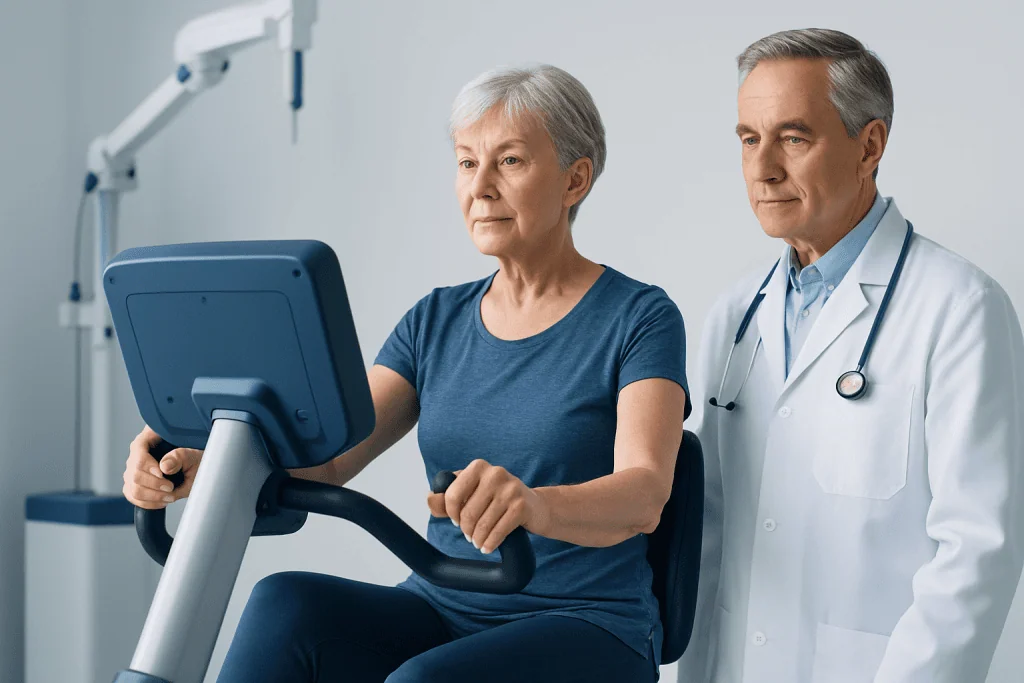
Exercise is one of the most effective tools for maintaining bone and joint health after 50. The most helpful plan usually includes several types of movement rather than relying on only one. Weight-bearing activity encourages bones to stay stronger, resistance exercise supports muscles that protect joints, and balance work helps prevent falls.
Weight-bearing exercises include walking, stair climbing, dancing, hiking, and some low-impact aerobics. These activities make the body work against gravity, which helps stimulate bone maintenance. For people with joint pain, lower-impact choices such as brisk walking or elliptical training may be more comfortable than jumping or running.
Resistance training is also important. Using body weight, resistance bands, machines, or light free weights can help maintain muscle mass, improve posture, and support vulnerable areas such as the hips, knees, shoulders, and spine. A well-designed program should be progressive but safe, especially for people with osteoporosis, back pain, or a history of fractures.
Balance and flexibility deserve equal attention. Tai chi, simple single-leg balance drills, and guided stretching can improve stability and ease of movement. People with ongoing mobility concerns may benefit from an assessment in physical therapy and rehabilitation to build a personalized, joint-friendly exercise program.
Nutrition that supports bone strength and joint function
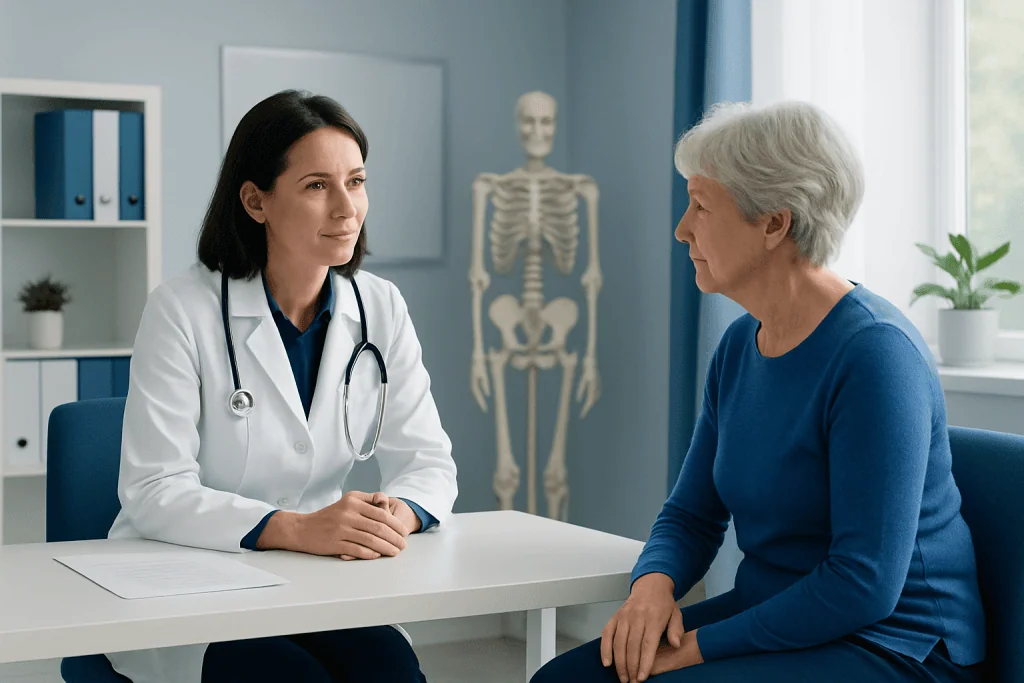
Nutrition plays a central role in keeping bones and joints healthy. Calcium is essential for bone structure, and vitamin D helps the body absorb and use calcium properly. Protein is also important because bones contain protein as well as minerals, and muscles need adequate protein to stay strong enough to support safe movement.
Good calcium sources include dairy products, fortified plant milks, yogurt, cheese, calcium-set tofu, canned fish with soft bones, and some leafy greens. Vitamin D may come from sunlight exposure, fortified foods, and supplements when recommended by a doctor. Because vitamin D needs vary from person to person, it is best not to guess and to seek medical advice if deficiency is suspected.
A generally balanced eating pattern also matters. Fruits, vegetables, legumes, nuts, seeds, and whole grains provide nutrients that support muscle, nerve, and bone function. Adequate hydration can help overall physical performance and may reduce dizziness that could contribute to falls. Limiting excess salt, sugary drinks, and highly processed foods may also support long-term health.
Some people may need extra guidance. Those with low appetite, digestive disorders, restrictive diets, or unintended weight loss can develop nutrient gaps that affect bone and muscle health. A clinician may suggest blood tests, dietary review, or referral for nutrition and diet support when needed.
Protecting joints while staying active
Many adults over 50 worry that exercise will wear out their joints. In reality, appropriate movement usually helps joints more than rest does. Regular activity improves circulation to joint tissues, reduces stiffness, strengthens nearby muscles, and can help control body weight, which lowers stress on weight-bearing joints.
Joint-friendly exercise often begins with pacing and proper technique. A warm-up before activity and a cool-down afterward can help the body adjust to movement. Supportive footwear, gradual progression, and alternating harder days with lighter ones are sensible ways to reduce strain. If one activity causes repeated pain, another form of exercise may provide similar benefits with less discomfort.
People with arthritis, previous joint injury, or persistent swelling may need tailored advice. Low-impact options such as swimming, cycling, water exercise, and modified strength training can be especially useful. Ongoing knee, hip, or hand symptoms may relate to osteoarthritis, which often improves with a combination of exercise, weight management, and medical guidance.
Body weight can also influence joint health. Carrying excess weight increases pressure on the knees, hips, and lower back. Even modest weight reduction, when appropriate, may improve comfort and function. The goal is not intense exercise or rapid change, but steady, sustainable habits that keep a person moving.
Fall prevention: reducing fracture risk at home and beyond
Falls are a major concern after 50 because they can lead to fractures, loss of confidence, and reduced independence. Preventing falls is not only about being careful. It involves improving balance and strength, reviewing health factors that affect steadiness, and making the environment safer.
Home safety is a practical place to start. Good lighting, non-slip mats, handrails on stairs, grab bars in bathrooms, and removing loose rugs or clutter can lower risk. Frequently used items should be kept within easy reach to avoid climbing or stretching unsafely. Supportive shoes with good grip are generally safer than slippers or socks on smooth floors.
Health-related factors matter too. Vision and hearing changes can affect balance and awareness of surroundings. Certain medicines may cause sleepiness, dizziness, or blood pressure drops when standing. Foot pain, numbness, or poor-fitting footwear can also make a person less stable. A medication review and routine eye checks are simple but valuable steps.
Balance-focused exercise is especially helpful for prevention. Programs that include tai chi, leg strengthening, sit-to-stand practice, and guided stability exercises may reduce the likelihood of falls. If there has been a recent fall, fear of falling, or obvious unsteadiness, a doctor may recommend a fuller evaluation, sometimes including orthopedic rehabilitation to rebuild safe movement patterns.
Bone loss, osteoporosis, and when screening may help
Bone loss can progress silently over many years. A person may feel well and still have reduced bone density, which is why screening becomes important in some adults after 50. Osteoporosis weakens bones and raises the risk of fractures, especially in the hip, spine, and wrist. It is more common after menopause, but men can also be affected.
Risk factors include older age, family history, low body weight, smoking, excessive alcohol use, long-term use of certain medicines such as steroids, low calcium or vitamin D intake, and some hormonal or digestive conditions. Previous fractures from a minor fall may also suggest fragile bones. A doctor can assess these factors and decide whether bone density testing is appropriate.
When osteoporosis is diagnosed, treatment may include lifestyle changes as well as prescription medicines to reduce fracture risk. Medical treatment is individualized based on age, fracture history, bone density findings, and overall health. For some people, spine pain or loss of height may raise concern about compression fractures or other bone-related problems that need prompt attention.
People who have concerns about bone thinning may also wish to learn about osteoporosis as a medical condition. Near the end of the care pathway, multidisciplinary specialists at Acibadem International and its JCI-accredited hospitals evaluate and treat bone and joint conditions for international patients when more advanced assessment is needed.
When to see a doctor
Many changes in flexibility and stamina are part of normal aging, but some symptoms should not be ignored. A person should seek medical advice for persistent joint pain, swelling, repeated falls, a clear decline in walking ability, or pain that interferes with sleep or daily tasks. Sudden back pain, noticeable loss of height, or a fracture after a minor injury may also signal underlying bone weakness.
Medical assessment is also important when home exercise feels unsafe or symptoms worsen with activity. A doctor may check for arthritis, osteoporosis, nerve problems, balance disorders, vitamin deficiencies, or medication side effects. Evaluation may include a physical examination, imaging, bone density testing, or laboratory tests depending on the concern.
Anyone with chest pain, severe dizziness, fainting, sudden weakness, or a major fall should seek urgent medical care. For less urgent concerns, early review can still be helpful because timely guidance often prevents a small issue from becoming a larger one. In many cases, the goal is not only treating pain, but preserving long-term independence and confidence in movement.
Frequently asked questions
What is the best exercise for strong bones after 50?
There is no single best exercise, because bone health benefits most from a combination of activities. Weight-bearing exercise, resistance training, and balance work together to support bone strength, muscle mass, and fall prevention. A doctor or physical therapist can help tailor a safe plan if there is joint pain or osteoporosis.
Can bone density be improved after 50?
In many people, bone health can be supported and bone loss can be slowed after 50. Exercise, adequate calcium and vitamin D, enough protein, and medical treatment when needed can all help protect bones. The best approach depends on overall health, fracture risk, and whether osteoporosis is present.
How can someone protect joints while exercising?
Choosing low-impact activities, warming up properly, and increasing intensity gradually can help protect joints. Strengthening the muscles around the joints is also important because stronger muscles improve support and control. If pain is persistent, swollen, or worsening, medical advice is recommended.
Why does fall prevention matter so much after 50?
Falls can lead to fractures, pain, and loss of confidence, especially if bones have become weaker with age. Preventing falls helps preserve independence and mobility. Simple changes such as balance exercises, home safety improvements, and medication review can make a real difference.
Do supplements replace a healthy diet for bone health?
Supplements can be useful for some people, but they do not replace a balanced diet. Foods provide calcium, protein, and other nutrients that work together to support bones and muscles. A doctor can advise whether calcium or vitamin D supplements are appropriate based on diet, blood levels, and risk factors.
When should someone be checked for osteoporosis?
Screening may be considered based on age, sex, menopause status, fracture history, medication use, family history, and other risk factors. Bone density testing is especially helpful when there is concern about silent bone loss. A healthcare professional can decide when screening is appropriate for the individual.
References
- World Health Organization
- National Institute on Aging
- International Osteoporosis Foundation
- National Institutes of Health
- Centers for Disease Control and Prevention
This article is for general information only and is not a substitute for professional medical advice. Please consult a qualified doctor about your individual situation.
Joint and spine care in Turkey — expert assessment & treatment
JCI-accredited · board-certified surgeons · reply within 24h
Add us as a Preferred Source to see more of our trusted health content across Google Search, AI Overviews and Discover.