Sudden Drop in Heart Rate for a Few Seconds: A Complete Medical Overview

A brief slowing of the heart rate can be normal in some situations, particularly during sleep or in well-trained athletes. Symptoms matter more than a single reading from a smartwatch or home monitor.
Key Takeaways
- A brief slowing of the heart rate can be normal in some situations, particularly during sleep or in well-trained athletes.
- Symptoms matter more than a single reading from a smartwatch or home monitor.
- Potential causes include medication effects, vagal reflexes, electrical conduction problems, thyroid disorders, and sleep apnea.
- An ECG or longer-term heart monitor may be needed because brief rhythm changes are not always captured during an appointment.
- Fainting, chest pain, severe breathlessness, or persistent weakness with a slow pulse requires urgent medical assessment.
A sudden drop in heart rate for a few seconds can occur during sleep, relaxation, straining, or a brief reflex response, and it is not always dangerous. However, repeated episodes or episodes linked with fainting, dizziness, breathlessness, chest discomfort, or confusion should be assessed by a qualified clinician.
What Does a Sudden Drop in Heart Rate for a Few Seconds Mean?
A sudden drop in heart rate for a few seconds means the heart is beating more slowly than usual for a brief period. It may be noticed as a pause, a skipped beat, a fluttering sensation, or a momentary feeling that the heart has slowed down. In many people, particularly during sleep, deep relaxation, or after a change in posture, short-lived slowing can be part of the body’s normal regulation of heart rhythm.
The medical term for a slow heart rate is bradycardia, usually defined in adults as a resting heart rate below 60 beats per minute. However, the number alone does not determine whether it is a problem. Some healthy people, including endurance-trained athletes, naturally have lower resting heart rates without symptoms.
Concern increases when the heart slows enough to reduce blood flow to the brain or other organs. This may cause light-headedness, near-fainting, fainting, unusual fatigue, shortness of breath, chest discomfort, or confusion. A brief episode can also be difficult to confirm, because wearable devices and finger pulse checks may not capture every beat accurately.
How the Heart’s Electrical System Can Briefly Slow Down
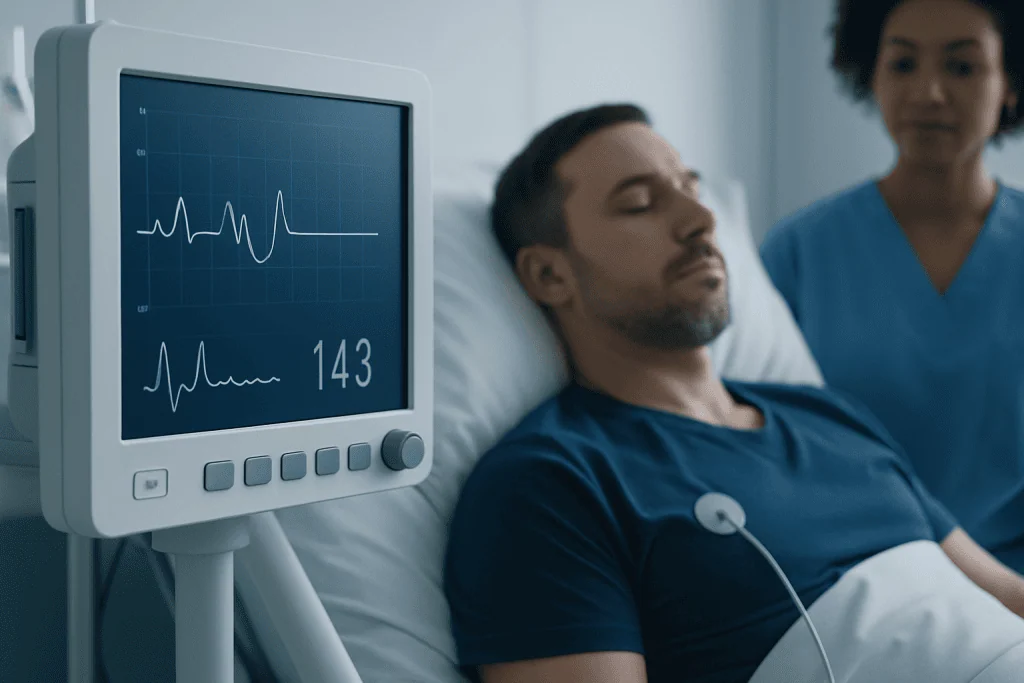
Each heartbeat is coordinated by electrical signals. The sinus node, a small group of cells in the upper right chamber of the heart, normally acts as the heart’s natural pacemaker. It sends signals that travel through the heart in an organized sequence, allowing the chambers to contract and pump blood effectively.
A brief slowing can happen if the sinus node temporarily sends signals less often, if an electrical signal is delayed on its way through the heart, or if a beat occurs early and is followed by a short pause. People may interpret these sensations as the heart stopping, although the pattern may instead be a harmless early beat followed by a compensatory pause.
The autonomic nervous system also affects heart rate. Increased activity of the vagus nerve can slow the heart temporarily. This may occur with nausea, pain, coughing, swallowing, urination, straining during a bowel movement, or emotional stress. These reflexes are often short-lived, but recurrent or symptomatic episodes deserve medical attention.
Possible Causes and Risk Factors

There are several possible explanations for a brief heart-rate drop. Normal sleep-related slowing, physical fitness, dehydration, and a strong vagal response are common non-dangerous contributors. A temporary low reading may also reflect imperfect contact or movement when using a smartwatch, fitness tracker, or other consumer monitor.
Medicines can slow the heart rate, including some treatments for high blood pressure, heart rhythm conditions, angina, migraine, glaucoma, and anxiety. A person should not stop prescribed medication suddenly, but should ask a clinician or pharmacist whether a medicine combination or recent dose change could be contributing.
Medical causes can include sinus node dysfunction, heart block, coronary artery disease, inflammation affecting the heart, an underactive thyroid, electrolyte disturbances, and obstructive sleep apnea. People with known heart disease, a previous heart procedure, older age, or a family history of rhythm disorders may have a higher likelihood of clinically important rhythm changes.
Some episodes may be related to other rhythm disturbances rather than persistent bradycardia. For example, premature beats can create a noticeable pause, while certain fast rhythm problems may alternate with slower rhythms. A clinician may consider related heart rhythm disorders when evaluating the pattern and associated symptoms.
Symptoms That May Accompany a Brief Slow Heart Rate
A person may have no symptoms at all, especially when a short period of slowing happens during sleep or rest. When symptoms occur, they can range from mild awareness of the heartbeat to signs that the brain is briefly receiving less blood flow.
- Light-headedness or dizziness
- Feeling faint or actually fainting
- Sudden weakness, fatigue, or reduced exercise tolerance
- Shortness of breath
- Palpitations, skipped beats, or a sensation of pauses
- Chest pressure or discomfort
- Confusion or difficulty concentrating, particularly in older adults
Symptoms should be considered in context. For instance, dizziness after standing quickly can occur with a blood pressure drop, while dizziness that comes with a clearly slow pulse may point toward a rhythm-related cause. Keeping a brief record of the time, activity, symptoms, pulse reading, medications, and any wearable tracing can help a doctor identify useful patterns.
How Doctors Assess Brief Heart-Rate Changes
A medical assessment usually begins with a detailed history. The clinician may ask when episodes occur, how long they seem to last, whether there was fainting or chest discomfort, what medications are being taken, and whether there is a history of heart disease, thyroid disease, sleep apnea, or similar symptoms in close relatives.
An electrocardiogram (ECG) records the heart’s electrical activity at one point in time. Because a sudden drop in heart rate for a few seconds may not happen during the visit, the clinician may recommend ambulatory monitoring, such as a Holter monitor, patch monitor, or event recorder. These devices record the heart rhythm over a longer period and can be especially useful when symptoms are intermittent.
Depending on the situation, tests may include blood tests for thyroid function and electrolytes, an echocardiogram to evaluate heart structure and pumping function, or a sleep assessment if sleep apnea is suspected. In some cases, an exercise test or a tilt-table test may help clarify whether symptoms relate to exertion, blood pressure regulation, or a reflex response.
Accurate diagnosis depends on matching symptoms with an ECG-recorded rhythm. This helps distinguish a harmless short pause or premature beat from conditions such as sinus node dysfunction or an atrioventricular conduction block.
Treatment Options Depend on the Underlying Cause
Not every brief reduction in heart rate needs treatment. If the person has no concerning symptoms and testing does not show a significant rhythm abnormality, a clinician may recommend observation, hydration where appropriate, attention to sleep, and follow-up if the pattern changes.
When medication contributes to slowing, the prescribing clinician may review the treatment plan. This can involve adjusting timing, changing a medication, or checking for interactions, but it should always be done under medical supervision. Treating an underlying issue, such as hypothyroidism, sleep apnea, or an electrolyte imbalance, may also improve the heart rhythm.
If testing confirms a clinically significant slow rhythm or electrical conduction problem that causes symptoms, a pacemaker may be considered. A pacemaker is a small implanted device that supports the heart’s rhythm when it becomes too slow. The decision is individualized and based on the documented rhythm, symptoms, overall health, and expected benefit.
For people requiring specialist evaluation, cardiology assessment can coordinate rhythm monitoring, imaging, medication review, and discussion of appropriate treatment options. Acibadem International’s multidisciplinary specialists and JCI-accredited hospitals diagnose and treat heart rhythm conditions for international patients.
Practical Self-Care and Monitoring
A home pulse check or wearable device can be useful for noticing patterns, but it cannot diagnose the cause of an abnormal rhythm. If a device reports a low heart rate, it is helpful to sit quietly, check for symptoms, and, if possible, confirm the pulse manually at the wrist or with a validated blood pressure monitor.
People can support overall cardiovascular health by maintaining regular sleep, staying adequately hydrated unless fluid restriction has been advised, avoiding excessive alcohol, and discussing stimulant or recreational substance use openly with a clinician. Managing conditions such as high blood pressure, diabetes, and sleep apnea is also important for heart health.
It is sensible to record recurrent events rather than repeatedly checking the pulse out of anxiety. A useful diary includes the date and time, pulse reading, whether the person was awake or asleep, recent activity, symptoms, and medications taken. This information may make a brief episode easier to investigate during a medical appointment.
Anyone taking heart-rate-lowering medication should not skip, double, or stop doses without professional advice. Sudden changes can worsen the condition being treated or create new rhythm problems.
When to Seek Medical Care
Emergency medical care is needed if a slow or irregular heartbeat is accompanied by fainting, severe chest pain or pressure, severe shortness of breath, blue or gray lips, new confusion, weakness on one side of the body, or symptoms that do not quickly improve. These symptoms can have causes that require urgent assessment.
A prompt, non-emergency medical appointment is appropriate for repeated episodes, a persistent resting pulse that is unusually low for the individual, new exercise intolerance, unexplained fatigue, dizziness, or near-fainting. This is particularly important for people with known heart disease, those taking medicines that affect heart rate, and those with a family history of sudden cardiac death or inherited rhythm conditions.
If an episode has passed and the person feels well, it is still reasonable to discuss it with a doctor when it is new, recurrent, or captured on a device with a rhythm tracing. Early evaluation can provide reassurance when the cause is benign and can identify situations that need further care.
Frequently asked questions
Is a sudden drop in heart rate for a few seconds dangerous?
It can be harmless, particularly during sleep, relaxation, or a short vagal reflex response. It should be assessed if it happens repeatedly or causes fainting, dizziness, chest discomfort, breathlessness, confusion, or marked weakness.
Can anxiety cause the heart rate to suddenly slow down?
Anxiety more commonly raises heart rate, but stress can sometimes trigger changes in the autonomic nervous system that affect heart rhythm sensations. Anxiety should not be assumed to be the cause until significant heart-related symptoms have been appropriately evaluated.
Can a smartwatch accurately detect a brief low heart rate?
Wearables can provide useful clues, but they may miss beats or give inaccurate readings due to motion, poor skin contact, or signal limitations. A clinical ECG or ambulatory heart monitor is more reliable for diagnosing an intermittent rhythm problem.
What heart rate is too low?
A resting heart rate below 60 beats per minute is often described as bradycardia, but it may be normal for some people. A low rate is more concerning when it is new, persistent, very different from the person’s usual rate, or associated with symptoms.
Can dehydration make the heart rate drop?
Dehydration more often causes a faster pulse, especially when blood pressure falls. However, illness, nausea, fainting reflexes, and other factors occurring alongside dehydration can sometimes lead to temporary slowing or a feeling of skipped beats.
Will a pacemaker be needed for brief heart-rate drops?
Most people with brief, symptom-free heart-rate changes do not need a pacemaker. A pacemaker is generally considered only when testing documents an important slow rhythm or conduction problem that is causing symptoms or creating a meaningful risk.
References
- American Heart Association
- National Heart, Lung, and Blood Institute
- Mayo Clinic
- National Institute for Health and Care Excellence
- European Society of Cardiology
This article is for general information only and is not a substitute for professional medical advice. Please consult a qualified doctor about your individual situation.
Joint and spine care in Turkey — expert assessment & treatment
JCI-accredited · board-certified surgeons · reply within 24h
Add us as a Preferred Source to see more of our trusted health content across Google Search, AI Overviews and Discover.
Check your numbers in seconds
BMI, calories, due date, blood pressure and 30+ more clinical calculators — free, instant, doctor-reviewed ranges.