Surgeon Resuscitate a Heart with His Hand: An Evidence-Based Patient Guide

Open-chest cardiac massage involves directly compressing the heart through an opening in the chest. It is not a routine replacement for standard chest-compression CPR or defibrillation.
Key Takeaways
- Open-chest cardiac massage involves directly compressing the heart through an opening in the chest.
- It is not a routine replacement for standard chest-compression CPR or defibrillation.
- It may be considered during cardiac surgery, major chest trauma, or selected in-hospital emergencies.
- The procedure is performed by trained surgical and resuscitation teams alongside treatment of the cause of cardiac arrest.
- Outcomes depend largely on the reason for the arrest, how quickly circulation is restored, and the person's overall condition.
When a surgeon resuscitates a heart with his or her hand, this usually refers to open-chest cardiac massage, also called internal cardiac massage. It is a highly specialized emergency procedure used in selected cases of cardiac arrest, most often when the chest is already open or when there is a potentially reversible cause that needs immediate surgical treatment.
Overview: What Does It Mean to Resuscitate the Heart by Hand?
The phrase “surgeon resuscitate a heart with his hand” describes a real but uncommon emergency technique known as open-chest cardiac massage or internal cardiac massage. After the chest is opened, a surgeon places one or both hands around the heart and rhythmically compresses it to help pump blood to the brain and other vital organs.
This approach differs from ordinary cardiopulmonary resuscitation (CPR), in which rescuers press on the outside of the chest. Standard CPR, early defibrillation when appropriate, airway support, medicines, and rapid treatment of the underlying cause remain the usual initial measures for cardiac arrest. Internal cardiac massage is reserved for carefully selected situations where direct access to the heart is already available or can be gained urgently by an experienced team.
It is not a procedure that bystanders, family members, or untrained staff should attempt. It requires an operating-room or emergency setting, sterile technique when possible, advanced monitoring, anesthesia or critical-care support, and a coordinated team prepared to address the cause of the cardiac arrest.
How Open-Chest Cardiac Massage Works
During cardiac arrest, the heart may stop beating effectively or may develop a dangerous rhythm that does not produce useful blood flow. Internal cardiac massage aims to generate circulation by gently but firmly compressing the heart between the surgeon’s hands. This can provide more direct mechanical pumping than external chest compressions in certain settings.
The team continuously assesses the heart rhythm, blood pressure when available, oxygen levels, and evidence of restored circulation. If the rhythm is shockable, such as ventricular fibrillation, defibrillation may be used. The team also provides oxygenation and ventilation, gives appropriate emergency medicines, and corrects reversible causes such as severe bleeding, cardiac tamponade, a problem with a surgical graft, or a treatable rhythm disturbance.
Direct access can also allow clinicians to identify problems that may not be apparent during external CPR. For example, they may find fluid or blood compressing the heart, a major injury to the heart or great vessels, or a surgical complication requiring immediate repair. The goal is not simply to restart a heartbeat, but to restore effective circulation and treat the reason the arrest occurred.
Who May Be a Candidate?
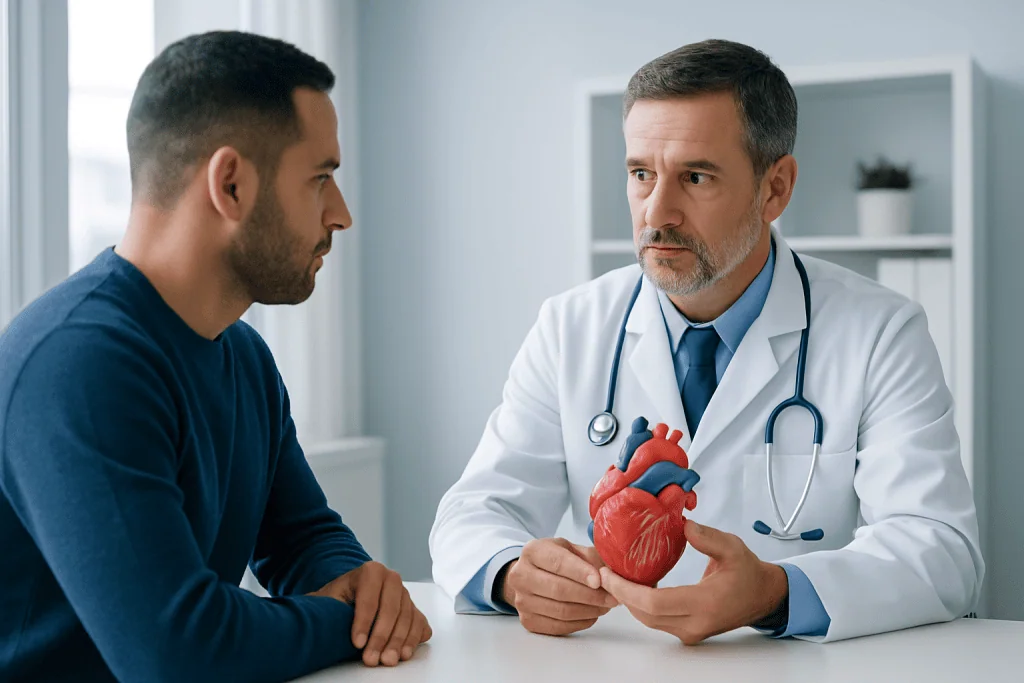
Open-chest cardiac massage is considered only in specific circumstances. One of the clearest situations is cardiac arrest during or soon after heart surgery, when the chest may already be open or can be reopened quickly. It may also be used in selected cases of penetrating chest trauma, severe internal chest bleeding, or cardiac tamponade, where pressure around the heart prevents it from filling normally.
In some hospitals, a surgical team may consider emergency thoracotomy and internal cardiac massage for a witnessed arrest in a patient with a suspected reversible chest cause. Decisions are made rapidly and depend on the circumstances, timing, injuries or illness involved, available expertise, and the likelihood that the person can benefit.
Most people who collapse outside hospital are not candidates for immediate open-chest massage. For them, rapid recognition of cardiac arrest, calling emergency services, starting high-quality external CPR, and using an automated external defibrillator (AED) as soon as possible offer the best immediate response. People with known heart disease may benefit from ongoing assessment and treatment through heart disease care and cardiovascular follow-up.
What Happens During the Procedure?
The exact sequence varies by setting. In an operating room, the surgeon may already have access to the chest. In a life-threatening emergency outside cardiac surgery, a thoracic incision may be made to reach the heart when the clinical situation supports this approach. The resuscitation team continues oxygenation, rhythm assessment, medication support, and correction of reversible causes throughout.
Once the heart is reached, the surgeon performs direct compressions at a controlled rhythm while avoiding unnecessary injury to the heart muscle and nearby structures. If blood or fluid is found around the heart, it may be relieved. If major bleeding, a damaged vessel, or a surgical problem is identified, the team works to control or repair it. Defibrillation may be delivered directly to the heart when indicated.
If circulation returns, the focus shifts immediately to stabilization. This may involve intensive care, temperature management when appropriate, ventilation, blood products if there has been bleeding, imaging, laboratory tests, and treatment of the condition that caused the arrest. Some patients may need advanced circulatory support or further heart surgery after initial resuscitation.
Because this is an emergency intervention, there is usually no opportunity for a person to prepare in the usual way or provide procedure-specific consent at that moment. Care teams act under emergency standards intended to preserve life when immediate treatment is needed.
Potential Benefits, Limits, and Risks
The potential benefit of internal cardiac massage is more direct support of blood flow during a narrow window when the heart is not pumping adequately. It can be particularly valuable when the chest is already open or when the team can rapidly correct a clearly reversible surgical cause of arrest. Direct visualization can help clinicians make urgent decisions that are not possible with external chest compressions alone.
However, it is an invasive procedure and cannot reverse all causes of cardiac arrest. A successful return of heartbeat does not always mean full recovery, because the brain and other organs may have been affected by reduced oxygen delivery. The cause of arrest, the speed of treatment, pre-existing health conditions, and the duration of low blood flow all influence outcome.
Risks include bleeding, injury to the heart, lungs, blood vessels, nerves, or other chest structures, infection, and complications related to emergency surgery, transfusion, anesthesia, or intensive care. In trauma, the underlying injuries may themselves be severe. The decision to proceed balances these risks against the immediate risk of death from cardiac arrest.
Recovery and Outlook After Emergency Resuscitation
Recovery after open-chest cardiac massage varies widely. A person who regains circulation will generally be admitted to an intensive care unit for close observation and organ support. Clinicians monitor heart rhythm, blood pressure, breathing, kidney function, bleeding, and neurological status while investigating why the cardiac arrest occurred.
If the chest was opened, recovery also includes care of the incision and treatment of any repaired injury or cardiac condition. Some people need rehabilitation for strength, breathing, mobility, or cognitive changes after a critical illness. Follow-up may include cardiology review, rhythm monitoring, cardiac imaging, and discussion of strategies to lower the risk of another event.
When a heart rhythm disorder contributes to the arrest, treatment may include medicines, catheter-based procedures, or an implanted device, depending on the diagnosis. A cardiology team can explain whether options such as pacemaker implantation or other rhythm-focused care are relevant. The plan is individualized and based on the person’s heart function, symptoms, and underlying condition.
When to Seek Medical Care
Call emergency services immediately if a person is unresponsive and not breathing normally, or is only gasping. Start CPR if trained and able, ask someone to find an AED, and follow instructions from emergency dispatchers. Do not delay emergency care while trying to determine the cause of collapse.
Urgent medical assessment is also needed for new or worsening chest pressure, severe shortness of breath, fainting, a sustained rapid or irregular heartbeat, or symptoms after a significant chest injury. These symptoms do not always mean cardiac arrest is imminent, but they should be evaluated promptly.
For people who have survived cardiac arrest or undergone emergency heart treatment, planned follow-up is essential. Acibadem International’s multidisciplinary specialists and JCI-accredited hospitals provide evaluation and treatment for international patients with complex cardiac and surgical needs.
Frequently asked questions
Can a surgeon really restart a heart by squeezing it with a hand?
A surgeon can manually compress the heart during open-chest cardiac massage to support blood flow during cardiac arrest. The technique may help circulation while the team treats the underlying cause, but it does not guarantee that the heart will restart or that recovery will be complete.
Is internal cardiac massage better than regular CPR?
It is not routinely used instead of regular CPR. External chest compressions are the standard immediate response for most cardiac arrests, while internal cardiac massage is used in selected surgical, trauma, or in-hospital situations by experienced teams.
Is open-chest cardiac massage performed for every cardiac arrest?
No. Opening the chest is invasive and is appropriate only when the expected benefit outweighs the risks. It is most often considered when the chest is already open, after certain heart operations, or when clinicians suspect a reversible injury or problem inside the chest.
What is cardiac tamponade, and why does it matter in this situation?
Cardiac tamponade occurs when fluid, often blood, collects around the heart and prevents it from filling and pumping normally. In an emergency, relieving that pressure can be lifesaving, and direct access to the chest may be needed in selected cases.
What happens after a person survives this procedure?
The person usually needs intensive care and testing to identify the cause of the cardiac arrest. Recovery may involve treatment of heart disease or injury, rehabilitation, and ongoing follow-up to reduce the risk of future events.
What should a bystander do if someone collapses?
Call emergency services immediately, begin CPR if the person is unresponsive and not breathing normally, and use an AED as soon as it is available. Bystanders should never attempt to open the chest or perform internal cardiac massage.
References
- American Heart Association
- European Resuscitation Council
- American College of Surgeons Committee on Trauma
- Society of Thoracic Surgeons
This article is for general information only and is not a substitute for professional medical advice. Please consult a qualified doctor about your individual situation.
Heart care in Turkey — expert evaluation and treatment
JCI-accredited · board-certified surgeons · reply within 24h
Add us as a Preferred Source to see more of our trusted health content across Google Search, AI Overviews and Discover.
Check your numbers in seconds
BMI, calories, due date, blood pressure and 30+ more clinical calculators — free, instant, doctor-reviewed ranges.