Swelling Uterus Explained: Causes, Management, and When to See a Doctor

Swelling uterus is a symptom or description, not a specific disease. Common causes include fibroids, adenomyosis, pregnancy-related changes, and pelvic infection.
Key Takeaways
- Swelling uterus is a symptom or description, not a specific disease.
- Common causes include fibroids, adenomyosis, pregnancy-related changes, and pelvic infection.
- Symptoms may include pelvic pressure, bloating, heavy periods, pain, or frequent urination.
- Diagnosis often involves a pelvic exam, ultrasound, and sometimes MRI or lab tests.
- Treatment depends on the cause and may range from monitoring and medicines to minimally invasive procedures or surgery.
- Prompt medical care is important for severe pain, fever, heavy bleeding, or swelling during pregnancy.
Swelling uterus usually refers to a uterus that feels enlarged, inflamed, or heavier than usual. It is not a diagnosis itself, but a sign that can happen with common conditions such as fibroids, adenomyosis, pregnancy-related changes, or infection, and a medical evaluation can help identify the cause and guide treatment.
What swelling uterus means
The term swelling uterus is commonly used when a person feels that the lower abdomen is fuller than usual or when a doctor notes that the uterus is enlarged, tender, or inflamed. In everyday use, it may describe several different situations, including a uterus that has grown in size, a uterus affected by hormonal conditions, or inflammation caused by infection.
This matters because the uterus normally changes somewhat during the menstrual cycle, and it enlarges greatly during pregnancy. Outside of expected changes, however, uterine swelling can be linked to conditions such as uterine fibroids, adenomyosis, endometriosis affecting nearby tissues, pelvic inflammatory disease, or less commonly tumors. The symptom itself does not reveal the cause, so it is best understood as a clue that needs proper evaluation.
Many causes are treatable and not emergencies, especially when symptoms are mild and develop gradually. Still, ongoing pelvic fullness, pain, or abnormal bleeding should not be ignored. A gynecologist can usually identify the likely cause with a history, examination, and imaging tests.
Common symptoms that may occur with a swollen uterus
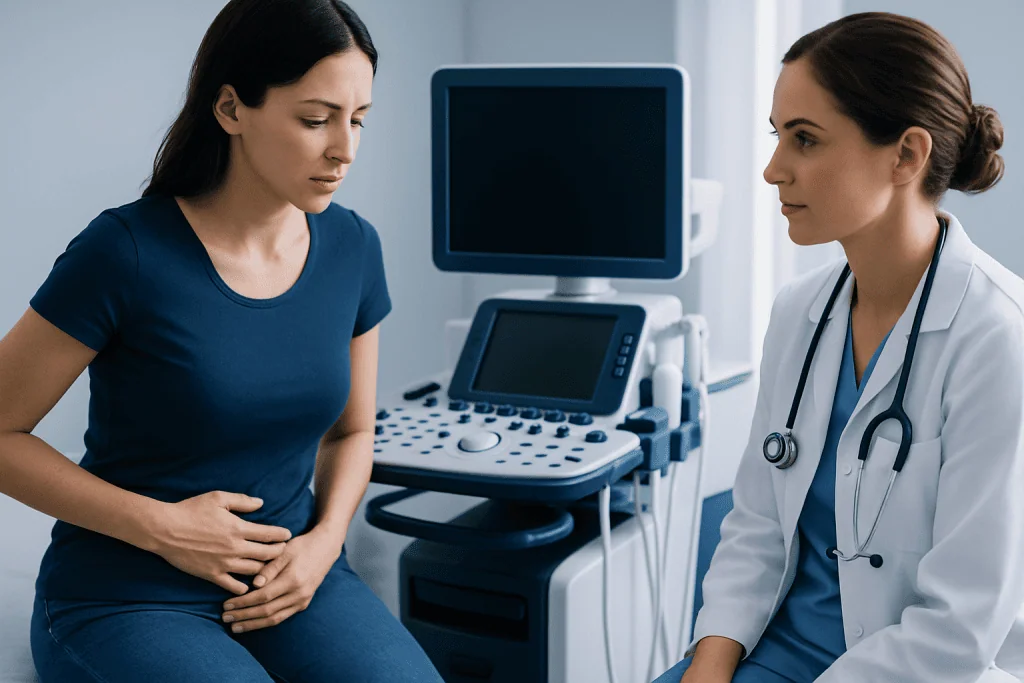
People do not all experience uterine swelling in the same way. Some notice visible bloating or a feeling of pressure in the lower abdomen, while others are told during an exam that the uterus is enlarged even though they had no clear symptoms. The pattern often depends on the underlying cause.
Symptoms that may happen along with a swollen uterus include heavy or prolonged menstrual bleeding, painful periods, pelvic pain, cramping, pain during sex, constipation, lower back discomfort, or a frequent need to urinate. If the uterus becomes larger, it can press on the bladder or bowel and create a sense of fullness.
Warning signs that deserve quicker medical assessment include sudden severe pain, fever, fainting, very heavy bleeding, foul-smelling vaginal discharge, or pain during pregnancy. These symptoms can point to infection, significant bleeding, or other urgent problems.
- Pelvic pressure or lower abdominal fullness
- Heavy, long, or irregular periods
- Painful menstruation or ongoing pelvic pain
- Frequent urination or difficulty emptying the bladder
- Constipation or abdominal bloating
- Pain during sexual intercourse
Main causes and risk factors
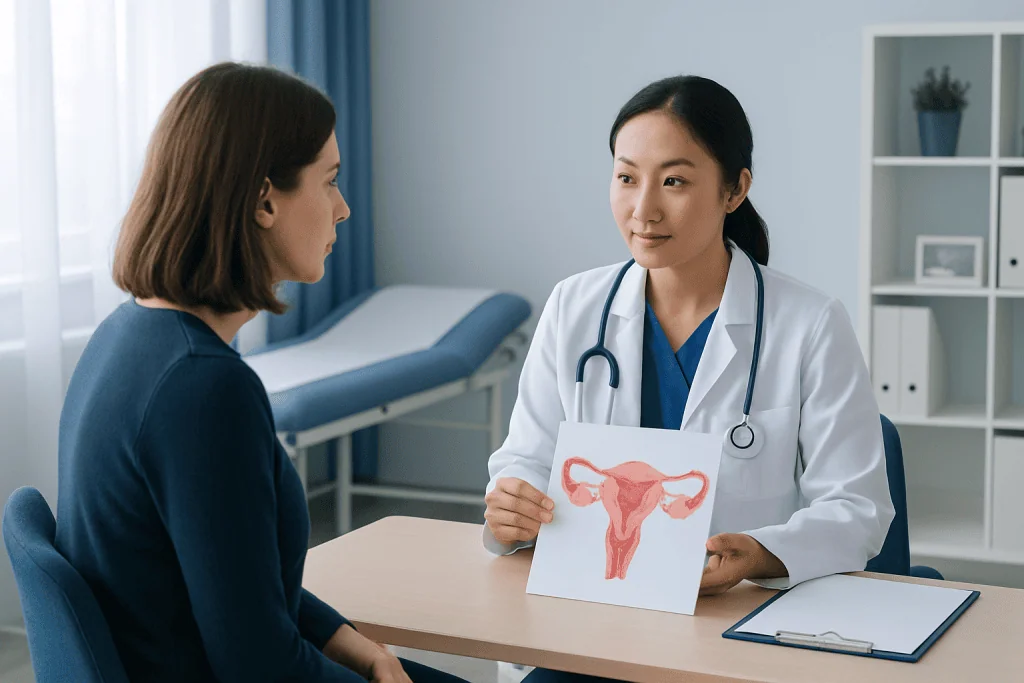
One of the most common reasons for swelling uterus is uterine fibroids, which are noncancerous growths in the muscle of the uterus. Depending on their size and location, fibroids can make the uterus feel enlarged and can cause bleeding, pressure, or fertility-related concerns. Another frequent cause is adenomyosis, a condition in which tissue similar to the uterine lining grows into the muscular wall of the uterus, often leading to a bulky, tender uterus and painful, heavy periods.
Inflammation and infection can also lead to swelling. Pelvic inflammatory disease may affect the uterus and surrounding reproductive organs, causing pain, fever, abnormal discharge, and tenderness. Pregnancy is a normal reason for uterine enlargement, but after pregnancy or miscarriage, retained tissue or infection can sometimes cause unusual swelling and should be assessed by a doctor.
Other possibilities include endometriosis around the uterus, benign ovarian cysts that create similar pressure sensations, hormonal changes near perimenopause, and rarely cancers of the uterus or cervix. Risk factors vary by cause but may include age, family history, hormone exposure, prior pelvic infection, previous uterine surgery, or a history of heavy menstrual bleeding.
Because several gynecologic conditions can overlap, a person may have more than one issue at the same time. For example, fibroids and adenomyosis can both contribute to a larger uterus and menstrual symptoms. This is one reason a careful diagnostic approach is important.
How doctors diagnose the cause
Diagnosis begins with a conversation about symptoms, menstrual patterns, pregnancies, past infections, and any changes in pain, bleeding, or urination. A pelvic exam can help determine whether the uterus feels enlarged, irregular, or tender. While this exam offers useful clues, imaging is usually needed to confirm the cause.
Pelvic ultrasound is often the first test because it is widely available and gives clear information about the size and shape of the uterus, the presence of fibroids, and some signs of adenomyosis. In more complex cases, MRI may be recommended to better distinguish among causes and to support treatment planning. If abnormal bleeding is present, blood tests may be done to check for anemia or infection, and pregnancy testing may also be needed depending on the situation.
Sometimes further evaluation is recommended, especially if bleeding is unusual after age 40, after menopause, or if imaging suggests a condition affecting the uterine lining. In those cases, a doctor may consider hysteroscopy or sampling of the endometrium. The goal is not only to explain the swelling, but also to rule out less common serious conditions safely and efficiently.
Treatment options depend on the cause
Treatment for swelling uterus is based on what is causing it, how severe the symptoms are, the person’s age, and whether pregnancy is desired in the future. Some people only need monitoring if symptoms are mild and the condition is stable. Others benefit from medicine to control bleeding, reduce pain, or manage inflammation.
For fibroids or adenomyosis, treatment may include anti-inflammatory pain relief, hormonal options, or procedures designed to shrink or remove abnormal tissue. Depending on the situation, specialists may discuss uterine fibroid embolization or myomectomy when fibroids are causing significant symptoms and fertility preservation is a consideration. In selected cases, hysterectomy may be considered when symptoms are severe, other treatments have not helped, or childbearing is complete.
If infection is the cause, treatment usually involves antibiotics and prompt follow-up to make sure the inflammation is resolving. If swelling relates to pregnancy or the postpartum period, management depends on the specific finding and may require obstetric assessment. Supportive care, rest, and iron treatment for anemia may also be part of the plan when heavy bleeding has occurred.
The best treatment is individualized rather than one-size-fits-all. A gynecologist will balance symptom relief, safety, fertility goals, and the likelihood of recurrence when recommending next steps.
Self-care and steps that may help
Self-care cannot treat every cause of uterine swelling, but it can help people manage symptoms while they are being assessed or treated. Keeping a menstrual diary is often useful. Recording bleeding days, clotting, pain severity, bloating, bowel changes, and urinary frequency can help a doctor recognize patterns and choose the right tests.
General measures may include using a heating pad for cramping, staying hydrated, eating iron-rich foods if periods are heavy, and avoiding delaying medical review when symptoms are new or getting worse. Some people find it helpful to limit activities that increase pelvic pressure during painful flare-ups, although normal daily movement is usually encouraged as tolerated.
It is important not to self-diagnose a swollen uterus based only on abdominal bloating. Digestive problems, ovarian conditions, and bladder issues can sometimes feel similar. Over-the-counter medicines may ease pain for some people, but persistent swelling, abnormal bleeding, or pelvic pressure still deserves professional evaluation.
When to seek medical care
Medical care is recommended if a person notices ongoing pelvic fullness, heavier periods than usual, new pelvic pain, bleeding between periods, pain during sex, or urinary and bowel pressure symptoms. These symptoms often have benign explanations, but they should be checked if they persist, recur, or interfere with daily life.
Urgent care is appropriate for severe or sudden pelvic pain, very heavy bleeding, fever, vomiting, dizziness, fainting, or foul-smelling discharge. During pregnancy, any significant abdominal pain, bleeding, or unusual swelling should be discussed with an obstetric clinician without delay.
Near the end of the diagnostic process, some patients may need coordinated care from imaging specialists, gynecologists, and minimally invasive surgeons. Acibadem International’s multidisciplinary specialists in JCI-accredited hospitals evaluate and treat uterine conditions for international patients when more advanced assessment or treatment is needed.
Frequently asked questions
Is swelling uterus the same as an enlarged uterus?
Often, yes. People commonly use swelling uterus to describe an enlarged, bulky, or tender uterus, but the phrase can also refer to inflammation. A doctor can determine whether the uterus is actually enlarged and what is causing it.
Can a swollen uterus go away on its own?
It depends on the cause. Temporary swelling related to the menstrual cycle or mild inflammation may improve, but fibroids, adenomyosis, or ongoing infection usually need medical evaluation and sometimes treatment. If symptoms continue, it is best to see a gynecologist.
Does a swollen uterus always mean fibroids?
No. Fibroids are a common cause, but not the only one. Adenomyosis, pregnancy-related changes, pelvic infection, endometriosis, and other gynecologic conditions can also make the uterus feel enlarged or painful.
Can swelling uterus affect fertility?
Sometimes it can, depending on the underlying condition. Fibroids, adenomyosis, and pelvic infection may affect implantation, pregnancy, or pelvic anatomy in some people. Early evaluation is especially helpful if someone is trying to conceive.
What test is usually done first for a swollen uterus?
A pelvic ultrasound is often the first imaging test. It helps show the size and shape of the uterus and can identify common causes such as fibroids or other structural changes. Additional tests are used only when needed.
When should someone worry about uterine swelling?
A person should seek prompt medical care if uterine swelling comes with severe pain, fever, fainting, very heavy bleeding, or symptoms during pregnancy. Even without emergency symptoms, persistent pelvic pressure or abnormal bleeding should be assessed.
References
- American College of Obstetricians and Gynecologists
- National Institute for Health and Care Excellence
- World Health Organization
- Office on Women's Health
- MedlinePlus
This article is for general information only and is not a substitute for professional medical advice. Please consult a qualified doctor about your individual situation.
Explore treatments in Turkey — costs, top hospitals & a free quote
JCI-accredited · board-certified surgeons · reply within 24h
Add us as a Preferred Source to see more of our trusted health content across Google Search, AI Overviews and Discover.