Sympathetic Nervous System: An Evidence-Based Guide for Patients
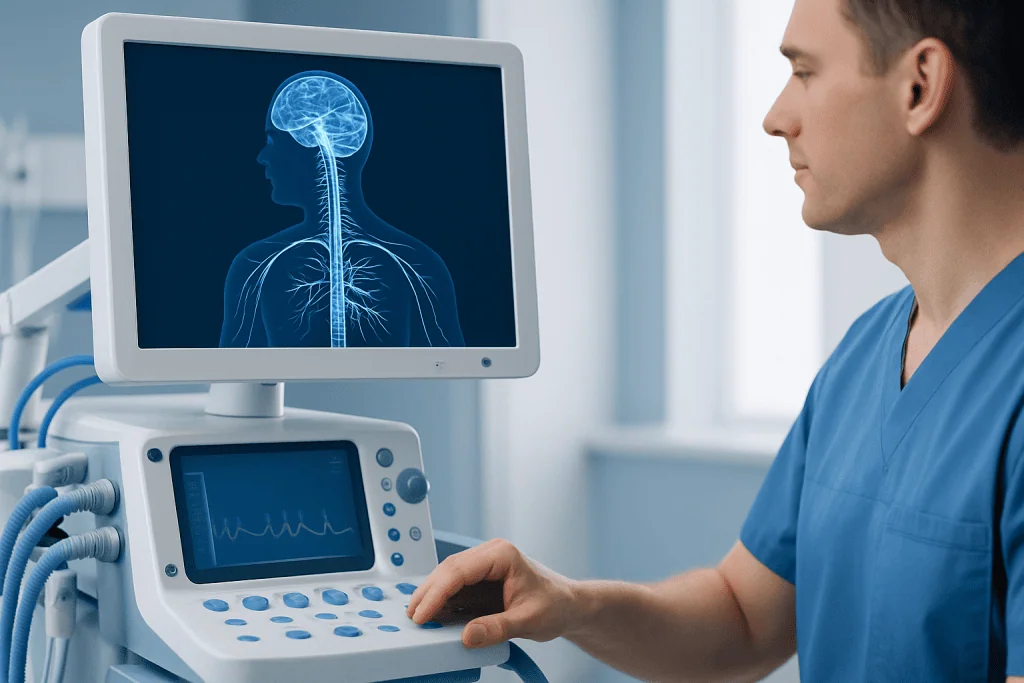
The sympathetic nervous system helps the body respond to stress by increasing alertness, heart rate, and blood flow to muscles. It works together with the parasympathetic nervous system to keep many automatic body functions in balance.
Key Takeaways
- The sympathetic nervous system helps the body respond to stress by increasing alertness, heart rate, and blood flow to muscles.
- It works together with the parasympathetic nervous system to keep many automatic body functions in balance.
- Symptoms linked to sympathetic dysfunction can include rapid heartbeat, sweating changes, dizziness, tremor, and blood pressure swings.
- Doctors diagnose suspected autonomic problems using medical history, physical examination, and targeted tests.
- Treatment focuses on the underlying cause, symptom control, hydration, lifestyle steps, and specialist care when needed.
The sympathetic nervous system is part of the autonomic nervous system that prepares the body to respond to stress, activity, and changing demands. It is essential for normal body function, but when its signals become overactive, underactive, or unbalanced, symptoms such as palpitations, dizziness, sweating changes, or blood pressure problems can occur.
What the sympathetic nervous system does
The sympathetic nervous system is a branch of the autonomic nervous system, the network that controls body functions people do not have to think about. It helps regulate heart rate, blood pressure, breathing patterns, pupil size, sweating, digestion, and body temperature responses. In simple terms, it prepares the body to act when physical or emotional demands rise.
This system is often described as the body’s “fight or flight” response. When the brain senses stress, danger, pain, illness, or even vigorous exercise, sympathetic signals tell the body to become more alert. The heart may beat faster, airways may open wider, blood flow may shift toward muscles, and digestion may temporarily slow down.
These changes are normal and useful. The sympathetic nervous system is not harmful by itself; it is a necessary part of healthy function. Problems arise when the system is persistently overactive, not active enough, or out of balance with the parasympathetic nervous system, which supports rest, digestion, and recovery.
How it works with the rest of the nervous system
The autonomic nervous system has two main balancing branches: the sympathetic nervous system and the parasympathetic nervous system. Rather than acting as complete opposites all the time, they work together in a coordinated way. One may increase a body response while the other helps settle it back to baseline.
For example, the sympathetic nervous system can raise heart rate during exercise or emotional stress. After the demand passes, parasympathetic signals help slow the heart and support recovery. A similar balance helps control sweating, bowel activity, bladder function, blood vessel tone, and sexual function.
Signals begin in the brain and spinal cord, then travel through nerves to organs and blood vessels. Because the system affects many parts of the body at once, symptoms of autonomic imbalance can seem unrelated at first. Someone may notice palpitations, heat intolerance, digestive changes, and dizziness without realizing these symptoms may share the same nervous system pathway.
Autonomic problems can overlap with other neurological conditions. In some situations, doctors may also evaluate related disorders such as Parkinson's disease or other causes of nervous system dysfunction, depending on the person’s symptoms and examination findings.
Common symptoms when the sympathetic nervous system is out of balance

Because the sympathetic nervous system helps control many automatic functions, imbalance can produce a wide range of symptoms. Some people experience signs of overactivity, such as a racing heart, shakiness, sweating, anxiety-like sensations, headaches, or feeling constantly “on edge.” Others may have difficulty maintaining blood pressure, especially when standing, leading to dizziness, weakness, blurred vision, or fainting.
Symptoms can be occasional or persistent, and they may worsen with dehydration, illness, heat, standing for long periods, or emotional stress. In some people, the problem is not the sympathetic system alone but the broader autonomic system. This can make symptoms more varied and sometimes harder to recognize early.
Common symptoms associated with sympathetic or autonomic dysfunction may include:
- Rapid heartbeat or palpitations
- Blood pressure spikes or drops
- Dizziness on standing
- Excessive sweating or reduced sweating
- Tremor or internal shakiness
- Cold hands or feet
- Heat intolerance
- Headaches
- Fatigue or “crashing” after exertion
- Digestive changes, such as bloating or constipation
These symptoms do not always mean there is a primary nervous system disease. Similar complaints can occur with dehydration, thyroid disorders, anemia, medication side effects, panic symptoms, infections, diabetes, and heart rhythm conditions. That is why a medical assessment is important when symptoms are new, severe, recurrent, or affecting daily life.
Causes and risk factors
Sympathetic nervous system problems can develop for many reasons. Sometimes the issue is temporary, such as a normal response to stress, pain, fever, or intense exercise. In other cases, the system becomes dysregulated because of an underlying medical condition, nerve injury, or a disorder affecting autonomic control.
Possible causes include diabetes, autoimmune conditions, infections, dehydration, prolonged bed rest, certain neurological disorders, and side effects from medications or stimulants. Hormonal conditions such as thyroid disease may also mimic or worsen sympathetic symptoms. Emotional stress does not mean symptoms are “imagined”; rather, stress can amplify genuine body responses and make existing autonomic symptoms more noticeable.
One well-known pattern is orthostatic intolerance, in which symptoms worsen when standing. Some patients are evaluated for forms of dysautonomia, an umbrella term for disorders of the autonomic nervous system. Depending on the person’s symptoms, doctors may also consider heart rhythm issues, endocrine conditions, or peripheral nerve disorders.
Risk factors for autonomic imbalance can include chronic illness, poorly controlled diabetes, recent viral infection, inadequate fluid intake, deconditioning, and use of substances that affect heart rate or blood pressure. Even when a clear cause is not immediately found, symptoms can still be assessed and managed carefully.
How doctors diagnose sympathetic nervous system problems
Diagnosis starts with a detailed conversation about symptoms, timing, triggers, medications, and overall health. A doctor will often ask whether symptoms occur with standing, meals, stress, exercise, heat exposure, or dehydration. They may also review sleep, caffeine use, recent illness, and family history, because all of these can affect autonomic symptoms.
A physical examination usually includes checking heart rate and blood pressure in different positions, such as lying down and standing. Depending on the situation, blood tests may be used to look for anemia, infection, thyroid problems, diabetes, vitamin deficiencies, or inflammation. An electrocardiogram may help rule out arrhythmias that can mimic autonomic symptoms.
Some people need more specialized testing. This may include autonomic function tests, sweat testing, heart rhythm monitoring, tilt-table testing, nerve studies, or imaging when doctors suspect a structural or neurological cause. If symptoms such as dizziness, blackouts, or severe blood pressure changes are prominent, assessment by specialists in neurology or cardiology may be recommended.
In selected cases, clinicians may use advanced evaluations such as electromyography (EMG) or other neurological testing to look for broader nerve involvement. The goal is not only to identify whether the sympathetic nervous system is affected, but also to find and treat the underlying cause whenever possible.
Treatment options and day-to-day management
Treatment depends on the cause, symptom pattern, and severity. If symptoms are linked to dehydration, medication effects, infection, or a hormone problem, correcting that issue may improve the autonomic imbalance. When a chronic condition is responsible, treatment usually focuses on both the underlying disease and symptom relief.
Common first-line measures include improving hydration, using adequate salt intake when medically appropriate, rising slowly from bed or chairs, avoiding overheating, and pacing activity. Compression garments may help some people who have blood pressure drops or pooling of blood in the legs when standing. Regular, gentle reconditioning exercises can also support autonomic stability over time.
Doctors may prescribe medication in some cases to help control heart rate, support blood pressure, reduce excessive sympathetic symptoms, or treat contributing conditions such as neuropathy or migraine. Because treatment is individualized, patients should not start or stop medicines on their own without guidance.
When symptoms are complex or persistent, multidisciplinary care may be useful. Depending on the person, this can involve neurology evaluation, cardiology input, endocrine assessment, rehabilitation, or nutrition support. Near the end of the care pathway, patients seeking international care may wish to know that Acibadem International’s multidisciplinary specialists and JCI-accredited hospitals diagnose and treat autonomic and neurological conditions for international patients.
Self-care, prevention, and when to seek medical care
Not all sympathetic symptoms can be prevented, but everyday habits can reduce strain on the autonomic nervous system. Helpful steps include staying well hydrated, eating regular balanced meals, limiting excess caffeine or stimulant use, sleeping consistently, and managing stress with realistic, sustainable strategies. Gentle exercise, especially under medical advice when symptoms are significant, can improve conditioning and tolerance over time.
People who notice dizziness on standing may benefit from standing up gradually, avoiding long periods of still standing, and discussing compression garments or fluid strategies with a clinician. Keeping a symptom diary can also be useful. Recording triggers such as heat, skipped meals, poor sleep, illness, or menstrual cycle changes may help guide diagnosis and treatment.
Medical care is important if symptoms are frequent, unexplained, or interfering with daily life. A person should seek prompt medical assessment for fainting, chest pain, severe shortness of breath, a new irregular heartbeat, sudden weakness, confusion, severe headache, or major blood pressure changes. These symptoms may have causes beyond the sympathetic nervous system and should not be self-diagnosed.
If symptoms persist despite routine measures, doctors may recommend further evaluation such as a comprehensive check-up or referral for specialist testing. Early assessment can help identify treatable causes, reduce uncertainty, and support a safer management plan.
Frequently asked questions
What is the sympathetic nervous system in simple terms?
The sympathetic nervous system is the part of the autonomic nervous system that helps the body respond to stress, exertion, and changing demands. It can increase heart rate, raise alertness, and shift blood flow to support action.
Is the sympathetic nervous system always harmful when it is activated?
No. Activation is a normal and necessary body response during exercise, emotional stress, pain, or danger. It becomes a concern only when symptoms are excessive, persistent, or linked to an underlying medical problem.
What symptoms can happen if the sympathetic nervous system is overactive?
Possible symptoms include palpitations, shakiness, sweating, headaches, heat intolerance, and a sense of being constantly keyed up. These symptoms can also have other causes, so a medical evaluation may be needed to clarify what is happening.
Can sympathetic nervous system problems cause dizziness?
Yes. If the autonomic system has trouble regulating blood pressure and heart rate during standing, dizziness, lightheadedness, or even fainting can occur. Dehydration, medications, and heart conditions may cause similar symptoms, which is why assessment is important.
How do doctors test for autonomic or sympathetic dysfunction?
Doctors begin with a symptom review, examination, and measurements of heart rate and blood pressure in different positions. Depending on the situation, they may also use blood tests, ECG monitoring, tilt-table testing, or specialized autonomic function tests.
Can lifestyle changes help manage sympathetic nervous system symptoms?
Often, yes. Good hydration, consistent meals, sleep, gradual exercise, and avoiding known triggers such as excess heat or too much caffeine may reduce symptoms. These steps are supportive, but they do not replace medical care when symptoms are severe or unexplained.
References
- National Institute of Neurological Disorders and Stroke
- National Institute of Diabetes and Digestive and Kidney Diseases
- American Academy of Neurology
- National Institute for Health and Care Excellence
- Mayo Clinic
This article is for general information only and is not a substitute for professional medical advice. Please consult a qualified doctor about your individual situation.
Heart care in Turkey — expert evaluation and treatment
JCI-accredited · board-certified surgeons · reply within 24h
Add us as a Preferred Source to see more of our trusted health content across Google Search, AI Overviews and Discover.
Check your numbers in seconds
BMI, calories, due date, blood pressure and 30+ more clinical calculators — free, instant, doctor-reviewed ranges.