Symptomatic Bradycardia Treatment: How It Works, Results and What to Expect

Bradycardia means a heart rate below 60 beats per minute, but it needs treatment only when it causes symptoms or reflects an underlying problem. Urgent treatment may be needed when a slow pulse causes fainting, chest discomfort, severe breathlessness, confusion or signs of poor circulation.
Key Takeaways
- Bradycardia means a heart rate below 60 beats per minute, but it needs treatment only when it causes symptoms or reflects an underlying problem.
- Urgent treatment may be needed when a slow pulse causes fainting, chest discomfort, severe breathlessness, confusion or signs of poor circulation.
- Doctors look for reversible causes such as medicines, thyroid disease, electrolyte abnormalities, sleep apnea and heart conditions.
- A permanent pacemaker is the usual long-term treatment when symptomatic bradycardia is due to ongoing dysfunction of the heart’s electrical system.
- Outlook depends mainly on the underlying cause, other heart conditions and timely assessment rather than on the heart-rate number alone.
Symptomatic bradycardia treatment aims to restore a heart rate that supplies the body adequately and to address the reason the heart is beating too slowly. Some causes are temporary and reversible, while persistent symptoms caused by the heart’s electrical system may require a permanent pacemaker.
Overview: how symptomatic bradycardia treatment works
Symptomatic bradycardia treatment begins by confirming that a slow heart rate is responsible for a person’s symptoms and by finding the cause. A pulse below 60 beats per minute is called bradycardia, but this can be normal during sleep or in well-trained athletes. Treatment is generally needed when the slow rhythm reduces blood flow enough to cause problems such as dizziness, fainting, unusual tiredness, shortness of breath, confusion or chest discomfort.
Care may involve correcting a reversible trigger, changing a medicine under medical supervision, treating an associated illness or providing urgent support when circulation is unstable. When symptoms result from persistent disease of the heart’s electrical system, a permanent pacemaker can help maintain an appropriate heart rate. The goal is not simply to raise a number on a monitor; it is to improve safety, relieve symptoms and address the underlying condition.
Because slow heart rhythms have several possible causes, assessment is usually led by a cardiologist and may involve electrophysiology specialists, primary care clinicians, emergency physicians and other relevant teams. A treatment plan is individualized according to symptoms, test results, age, medical history and daily activity needs.
Symptoms, causes and who may need treatment
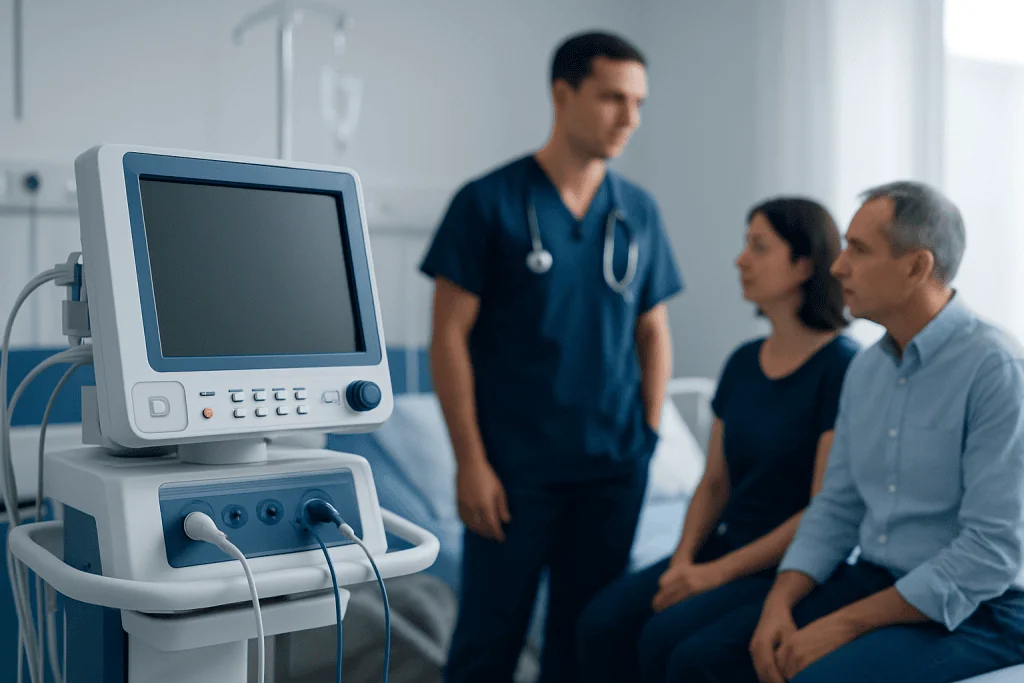
Symptoms can vary from mild and intermittent to sudden and severe. A person may notice light-headedness, near-fainting, fainting, reduced exercise tolerance, weakness, fatigue, palpitations, breathlessness or difficulty concentrating. Some people have no symptoms, particularly when the heart rate is only mildly slow and the body is receiving enough blood flow.
Common rhythm-related causes include sinus node dysfunction, in which the heart’s natural pacemaker does not send signals reliably, and heart block, in which electrical signals do not travel normally from the upper to lower chambers. Scarring from aging, coronary artery disease, inflammation of heart tissue, prior heart surgery and some inherited conditions can contribute.
Other causes may be reversible. These include medicines that slow the heart rate, low thyroid hormone levels, potassium or other electrolyte disturbances, infection, low body temperature, obstructive sleep apnea and increased pressure within the skull. A slower resting pulse can also occur in healthy people with high levels of physical fitness, where it is not necessarily a medical problem.
- Symptoms that occur together with a slow pulse deserve medical assessment.
- People with known heart disease, prior fainting or medication changes should discuss new symptoms promptly with a clinician.
- Do not stop prescribed heart, blood-pressure or psychiatric medicines without medical advice, even if a medication may be contributing.
What will a cardiologist do for bradycardia?

A cardiologist will first assess whether the slow rate is causing reduced blood flow or whether it is a normal finding. The consultation commonly includes a review of symptoms, medical conditions, family history, medicines and supplements, along with a physical examination and an electrocardiogram (ECG). The ECG records the heart’s electrical activity and can identify sinus bradycardia, heart block and other rhythm changes.
If symptoms come and go, longer monitoring may be useful. This can involve a Holter monitor worn for a day or more, an event monitor, or in selected cases an implantable loop recorder. Blood tests may check thyroid function, electrolytes and other possible contributors. An echocardiogram may assess heart structure and pumping function, while a sleep assessment may be recommended when sleep apnea is suspected.
The cardiologist then connects test findings with the person’s symptoms. If a reversible cause is found, correcting it may resolve the bradycardia. If the electrical system is persistently unreliable and symptoms are clearly related to the rhythm, the specialist may recommend pacemaker implantation after explaining expected benefits, alternatives and follow-up needs.
Treatment options and pacemaker candidacy
Emergency treatment is used when symptomatic bradycardia is causing unstable blood pressure, altered consciousness, ischemic chest symptoms, shock or severe breathing difficulty. In a monitored medical setting, clinicians support breathing and circulation, review possible causes and may use short-acting medicines or temporary pacing while arranging definitive care. Emergency decisions are based on the whole clinical picture, not on heart rate alone.
For stable patients, treatment may consist of adjusting a contributing medicine, treating hypothyroidism or sleep apnea, correcting electrolyte abnormalities, or managing an underlying cardiac disorder. Some people need observation and periodic reassessment rather than an immediate procedure. This is particularly relevant when symptoms are absent, the cause is temporary or the rhythm is appropriate for the person’s level of fitness.
A permanent pacemaker may be recommended for symptomatic sinus node dysfunction or clinically significant heart block that is not expected to resolve. A pacemaker is a small device that monitors the heartbeat and delivers a gentle electrical impulse only when the heart is too slow or misses a beat. It does not cure every cause of bradycardia, but it can prevent excessively slow rates caused by certain electrical conduction problems.
Candidacy is based on documented rhythm findings, the relationship between symptoms and bradycardia, likely reversibility, general health and personal preferences. The decision should include a discussion of device type, expected pacing needs, procedure-related risks and long-term monitoring.
Pacemaker procedure: step by step, recovery and expected results
Pacemaker implantation is usually performed in a hospital procedure room under sterile conditions. Sedation and local anesthetic are commonly used, although the exact approach depends on the person and the procedure. The cardiologist makes a small incision, often below the collarbone, and guides one or more pacing leads through a vein into the heart using imaging. The leads are connected to a pulse generator placed beneath the skin, and the device is tested before the incision is closed.
Some patients may be candidates for a leadless pacemaker, which is delivered through a vein in the groin and placed directly inside the heart. Not every rhythm problem can be treated with this device type. The choice depends on the heart rhythm, anatomy, need for one or more pacing chambers and other clinical factors.
After implantation, many people go home the same day or after a short hospital stay, depending on their health and the reason for pacing. The site can be sore or bruised initially. The care team provides individualized instructions about wound care, bathing, driving, activity and temporary limits on lifting or certain arm movements while the area heals. Follow-up checks confirm that the incision is healing and that the device settings are appropriate.
When symptoms are truly caused by slow heart rhythms, pacing often reduces fainting, dizziness and fatigue and can improve exercise tolerance. Results vary, however, because breathlessness or tiredness may also be related to other heart, lung, sleep, blood or metabolic conditions. Pacemakers require ongoing device checks, either in clinic, remotely, or both, and the generator is replaced when its battery approaches depletion.
Benefits, risks and everyday self-care
The potential benefit of treating symptomatic bradycardia is more reliable heart-rate support and improved blood flow to the brain and body. For people who have recurrent fainting or dangerous conduction abnormalities, treatment can also reduce rhythm-related safety risks. Treating reversible causes may avoid a permanent device altogether.
Pacemaker implantation is a commonly performed procedure, but it has potential complications. These can include bleeding, bruising, infection, collapsed lung, blood vessel injury, lead movement, heart perforation, blood clots or the need for further procedures. Device-related concerns over time can include lead problems, battery depletion and occasional interference from strong electromagnetic sources. The treating team reviews individual risks before consent.
After diagnosis, a person should take medicines exactly as prescribed, attend device and cardiology appointments, and report recurring symptoms. They should tell healthcare professionals and security staff that they have a pacemaker, carry device identification if provided, and ask their cardiology team before exposure to industrial equipment or medical procedures that could affect the device. Most everyday household electronics are safe when used normally.
Healthy habits remain important: avoiding tobacco, following advice for blood pressure, diabetes and cholesterol management, staying physically active within medical guidance, and prioritizing adequate sleep. If sleep apnea is suspected, evaluation and treatment can be an important part of managing slow rhythms.
Can you heal from bradycardia?
Bradycardia can improve or resolve when it is caused by a reversible factor. Examples include a medicine effect, an underactive thyroid, an electrolyte imbalance, certain infections or untreated sleep apnea. In these situations, treating the cause may allow the heart rate to return to an appropriate range.
When bradycardia results from lasting changes in the heart’s natural pacemaker or conduction pathways, it may not be reversible in the same way. A permanent pacemaker can effectively manage many of these rhythms by preventing the heart from becoming too slow, even though it does not remove the underlying electrical-system disease.
It is important not to try to “fix” a slow pulse with caffeine, supplements or unprescribed medicines. The appropriate approach depends on why the rhythm is slow and whether it is actually causing symptoms.
What should you not do with bradycardia?
A person with known or suspected bradycardia should not ignore fainting, repeated near-fainting, new chest discomfort, severe breathlessness or confusion. These symptoms may indicate inadequate blood flow and require urgent assessment. They should also avoid driving, climbing heights, swimming alone or operating hazardous machinery if they are having dizziness or unexplained fainting until a clinician has advised that it is safe.
It is also important not to stop, start or change the dose of prescribed medicines without speaking with the clinician who manages them. Some medicines can slow the heart rate, but abruptly stopping certain heart or blood-pressure medicines can be harmful. A medication review is safer than self-adjustment.
Strenuous exercise should not be started or intensified when a person is having unexplained symptoms with a slow pulse. A clinician can advise whether activity is safe and whether exercise testing, rhythm monitoring or treatment is needed first.
What is the life expectancy of someone with bradycardia?
Life expectancy cannot be predicted from a slow heart rate alone. Many people with asymptomatic sinus bradycardia, especially during sleep or in physically fit individuals, have a normal outlook and need no treatment. The key factors are the cause of bradycardia, the presence of symptoms, other heart or medical conditions and whether significant conduction disease is treated appropriately.
When a reversible cause is identified and managed, the outlook is often favorable. For people with persistent symptomatic sinus node dysfunction or heart block, a pacemaker can provide dependable rate support and may substantially improve symptoms and daily functioning. Regular follow-up remains important because a pacemaker addresses slow rhythm but does not treat every possible cardiovascular condition.
A cardiologist can give the most meaningful individual outlook after reviewing rhythm recordings, heart structure, medical history and response to treatment. Questions about prognosis are appropriate to discuss at the time of diagnosis and during follow-up.
When to seek medical care
Emergency care is needed for a slow pulse with fainting, persistent chest pain or pressure, severe shortness of breath, confusion, blue or gray lips, signs of shock, or inability to stay awake. These symptoms may have causes other than bradycardia, but they should be evaluated urgently. If a person collapses and is unresponsive or not breathing normally, local emergency services should be called immediately.
A non-emergency medical appointment should be arranged soon for repeated dizziness, fatigue that is limiting normal activities, exercise intolerance, palpitations, near-fainting or a newly noticed persistently slow pulse. People with a pacemaker should contact their device clinic if they develop fever, redness, swelling, drainage or worsening pain at the implant site, or if prior symptoms return.
Acibadem International’s multidisciplinary cardiology and electrophysiology specialists at JCI-accredited hospitals diagnose and treat heart rhythm disorders for international patients. A qualified cardiology team can help determine whether symptoms are due to bradycardia and whether monitoring, treatment of a reversible cause or pacing is appropriate.
Frequently asked questions
What is symptomatic bradycardia?
Symptomatic bradycardia is a slow heart rhythm that causes signs of reduced blood flow, such as dizziness, fainting, fatigue, breathlessness, confusion or chest discomfort. A heart rate below 60 beats per minute alone does not necessarily mean a person has a problem. Symptoms, medical history and ECG findings help determine whether treatment is needed.
Can you heal from bradycardia?
Some forms of bradycardia improve when the underlying cause is corrected, such as a medication effect, thyroid disorder, electrolyte imbalance or sleep apnea. Bradycardia due to permanent changes in the heart’s electrical pathways may not resolve on its own. In those cases, a pacemaker may provide reliable long-term control of slow heart rates.
What should you not do with bradycardia?
Do not ignore fainting, chest discomfort, severe breathlessness or confusion, as these symptoms need urgent medical evaluation. Do not change prescribed medicines without medical advice, even if they may be slowing the pulse. If dizziness or fainting is occurring, avoid driving and other activities where a sudden loss of consciousness could cause injury.
What is the life expectancy of someone with bradycardia?
A slow heart rate by itself does not determine life expectancy. Outlook depends on the cause, symptoms, other heart conditions and whether clinically important conduction problems are treated. Many people with asymptomatic bradycardia have a normal outlook, while pacemakers can effectively support people with persistent symptomatic slow rhythms.
What will a cardiologist do for bradycardia?
A cardiologist will review symptoms and medicines, perform an ECG, and may arrange blood tests, heart imaging or ambulatory rhythm monitoring. The aim is to determine whether the rhythm is causing symptoms and whether a reversible cause is present. Treatment may include correcting an underlying condition, adjusting medicines or considering a pacemaker for persistent symptomatic electrical-system disease.
How quickly do people feel better after a pacemaker?
Some people notice less dizziness, fainting or fatigue soon after pacing begins, while recovery from the procedure itself usually takes longer. Improvement depends on whether the slow rhythm was the main cause of symptoms and whether other medical conditions are present. Device settings and symptoms are reviewed at follow-up appointments to support the best possible result.
References
- American Heart Association
- American College of Cardiology
- Heart Rhythm Society
- National Heart, Lung, and Blood Institute
- Mayo Clinic
This article is for general information only and is not a substitute for professional medical advice. Please consult a qualified doctor about your individual situation.
Heart care in Turkey — expert evaluation and treatment
JCI-accredited · board-certified surgeons · reply within 24h
Add us as a Preferred Source to see more of our trusted health content across Google Search, AI Overviews and Discover.
Check your numbers in seconds
BMI, calories, due date, blood pressure and 30+ more clinical calculators — free, instant, doctor-reviewed ranges.