

Synovial Joints vs Fibrous Joints: Key Differences

Synovial joints are freely movable joints that support most body movement. Fibrous joints are tightly connected joints that allow little or no movement.
Key Takeaways
- Synovial joints are freely movable joints that support most body movement.
- Fibrous joints are tightly connected joints that allow little or no movement.
- Joint structure determines function, including stability, flexibility, and load-bearing.
- Symptoms such as pain, stiffness, swelling, or reduced motion may suggest a joint problem.
- A doctor can help identify whether symptoms are coming from a joint, bone, tendon, or ligament.
Synovial joints and fibrous joints are two major types of joints in the human body, and they differ mainly in how much movement they allow. Understanding these differences can help explain everyday motion, stability, and some common joint problems.
Overview
Joints are the places where bones meet, and they are essential for movement, posture, and stability. The comparison of synovial joints vs fibrous joints is especially useful because these two types differ in structure and function in important ways.
Synovial joints are the most common and most mobile joints in the body. They include the shoulder, knee, hip, elbow, and wrist. These joints are designed to move smoothly and freely, which makes walking, reaching, bending, and many other actions possible.
Fibrous joints are connected by dense connective tissue and are much less movable. They are built for strength and stability rather than range of motion. Examples include the sutures of the skull and the connection between the tibia and fibula in the lower leg.
In simple terms, synovial joints favor movement, while fibrous joints favor stability. Both are necessary for healthy body function, and each has a specific role in protecting tissues and supporting everyday activity.
Symptoms and What Joint Problems Can Feel Like
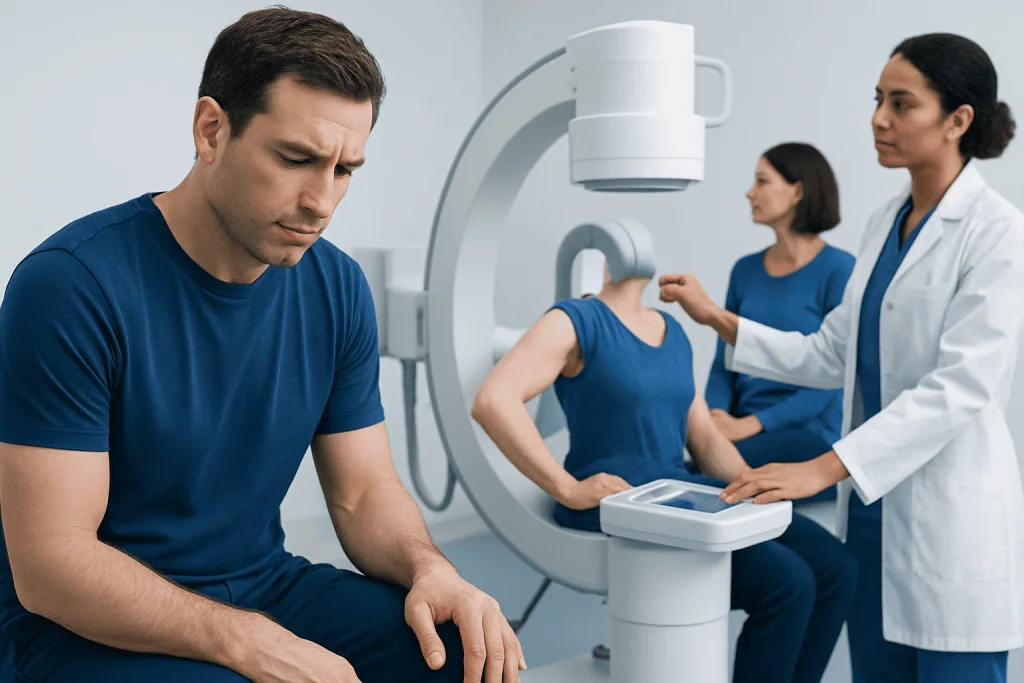
Symptoms do not always mean the joint itself is the source of the problem. Tendons, ligaments, muscles, cartilage, and nearby nerves can also cause discomfort that feels like joint pain. A careful evaluation is often needed to identify the true cause.
In children, joint-related symptoms should be taken seriously because bones and connective tissues are still developing. In adults, long-term wear and tear, autoimmune conditions, and previous injuries are common reasons for ongoing joint complaints.
Causes and Risk Factors
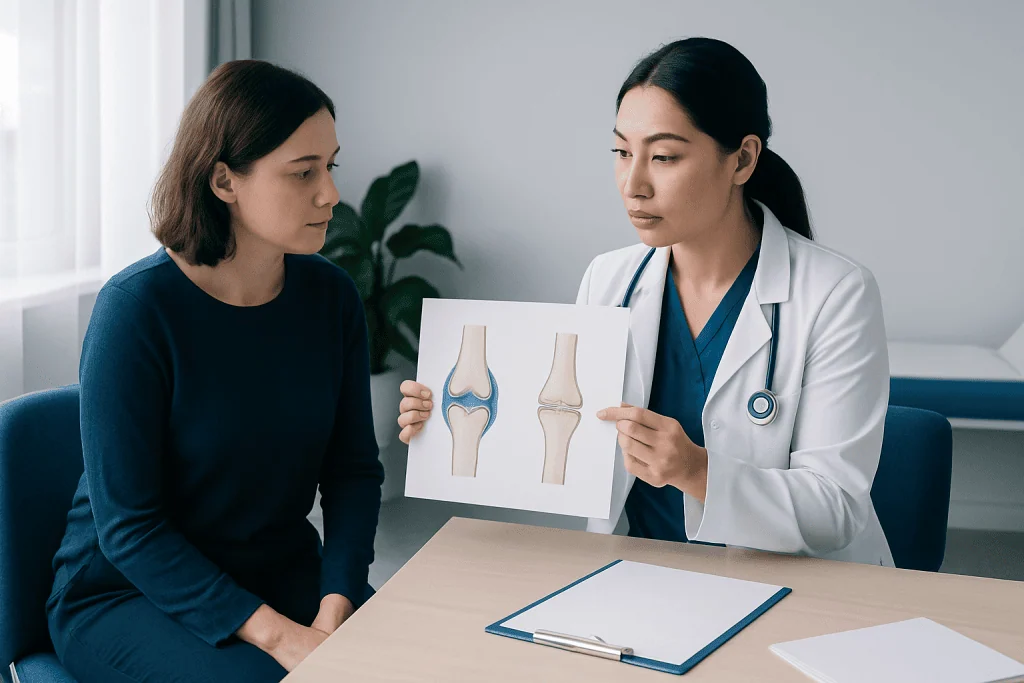
The main reason synovial and fibrous joints differ is the way their bones are connected. Synovial joints have a joint cavity, articular cartilage, and a capsule filled with synovial fluid, all of which support movement with less friction. Fibrous joints are connected by collagen-rich connective tissue that creates a strong, tight bond.
Factors that increase joint symptoms or joint disease risk include aging, previous injury, repetitive strain, obesity, poor conditioning, inflammatory arthritis, and certain inherited conditions. Jobs or sports that place repeated stress on the same joint can also contribute to wear and irritation over time.
Some causes are specific to joint type. Synovial joints are more often affected by osteoarthritis, bursitis, dislocation, and ligament injuries because they move more and bear dynamic loads. Fibrous joints are less commonly injured, but trauma can still affect them, and some genetic conditions may alter how these connections develop.
Risk can also rise when posture, muscle balance, or biomechanics are poor. The body often compensates for one area by stressing another, which may lead to pain even when the original joint itself is not damaged.
Diagnosis
Doctors begin with a medical history and physical examination. They ask where the pain is located, when it started, what makes it better or worse, and whether there was an injury or a gradual onset of symptoms.
During the exam, the doctor may check range of motion, swelling, tenderness, joint stability, and how the affected area responds to movement or pressure. This helps determine whether the issue is more likely to involve a synovial joint, a fibrous joint, or the surrounding tissues.
Imaging tests may be used when needed. X-rays can show bone alignment and some structural problems, while MRI or ultrasound may help evaluate soft tissues, inflammation, or cartilage. In some cases, blood tests are ordered if inflammatory or autoimmune disease is suspected.
Diagnosis is not only about naming a joint type. It is also about understanding whether symptoms come from arthritis, injury, infection, overuse, or another condition that needs targeted care.
Treatment Options
Treatment depends on the cause of symptoms, the type of joint involved, and how much function has been affected. Many joint problems improve with conservative care, especially when addressed early.
Common approaches include rest from aggravating activity, activity modification, physical therapy, and guided exercise to improve strength and flexibility. Heat or cold may help with comfort in some situations, and supportive devices such as braces or splints may be recommended for specific injuries.
For inflammatory or degenerative conditions, a doctor may suggest medications or other therapies based on the diagnosis. In selected cases, procedures such as joint injections or surgery may be considered. For people with significant movement-related joint pain, a specialist may discuss options such as orthopedic surgery when conservative care is not enough, or joint replacement if a major synovial joint is severely damaged and function is limited.
Fibrous joint problems usually focus on protecting the area and treating the underlying cause, while synovial joint problems may require a broader plan because of their larger role in movement. The best treatment is individualized and depends on the diagnosis rather than the joint type alone.
Prevention and Self-care
Not all joint problems can be prevented, but many can be reduced with healthy habits. Regular movement, balanced muscle strength, and good posture support joint function and may lower the risk of strain.
Self-care measures that may help protect joints include maintaining a healthy body weight, warming up before exercise, avoiding sudden spikes in activity, and using proper technique during sports or lifting. Adequate footwear and ergonomic work habits can also reduce stress on weight-bearing joints.
People with known joint conditions often benefit from a long-term plan that includes prescribed exercises, pacing of activities, and follow-up care. Staying active in a safe way usually helps maintain flexibility and support the muscles that stabilize synovial joints.
It is also wise to listen to the body. Persistent pain should not be ignored or repeatedly pushed through, because continued stress can delay healing and make symptoms harder to manage.
When to See a Doctor
A doctor should be consulted if joint pain lasts more than a short time, returns frequently, or interferes with daily life. Medical assessment is also important if there is swelling, warmth, redness, significant stiffness, or reduced ability to move the joint normally.
Prompt care is especially important after a fall, sports injury, or accident, particularly if the joint looks deformed, cannot bear weight, or feels unstable. Fever, unexplained fatigue, or pain in multiple joints may suggest a systemic condition that needs evaluation.
For ongoing or complex joint concerns, a specialist can help distinguish normal anatomy from disease and recommend the right next step. Acibadem International’s multidisciplinary specialists and JCI-accredited hospitals diagnose and treat joint conditions for international patients in a coordinated, patient-centered way.
Early assessment often leads to simpler treatment and better recovery. Even when symptoms are mild, timely evaluation can provide reassurance and help prevent further irritation or injury.
Frequently asked questions
What is the main difference between synovial joints and fibrous joints?
Synovial joints are built for movement and have a joint cavity filled with synovial fluid. Fibrous joints are held together by dense connective tissue and allow little or no movement. The main difference is mobility versus stability.
Which joints move the most in the body?
Synovial joints move the most in the body. Examples include the shoulder, hip, knee, elbow, and wrist. These joints are designed to support a wide range of motion.
Are fibrous joints completely immovable?
Many fibrous joints are essentially immovable, but some may allow very slight motion depending on their location and function. Their main purpose is strong connection and stability rather than flexibility.
Can joint pain come from structures around the joint instead of the joint itself?
Yes. Muscles, tendons, ligaments, cartilage, and nerves can all cause pain that feels like it comes from a joint. A doctor may need to examine the area to find the real source of symptoms.
How are joint problems diagnosed?
Diagnosis usually starts with a history and physical examination. Imaging tests such as X-rays, MRI, or ultrasound may be used if needed, and blood tests can help when inflammation or autoimmune disease is suspected.
Can exercise help joint health?
Yes, when it is chosen carefully and done safely. Regular exercise can improve strength, flexibility, and support around synovial joints, which may reduce stress and improve function over time.
References
- American Academy of Orthopaedic Surgeons
- Merck Manual Professional Edition
- NIH MedlinePlus
- Cleveland Clinic
- National Institute of Arthritis and Musculoskeletal and Skin Diseases
This article is for general information only and is not a substitute for professional medical advice. Please consult a qualified doctor about your individual situation.
Joint and spine care in Turkey — expert assessment & treatment
JCI-accredited · board-certified surgeons · reply within 24h
Add us as a Preferred Source to see more of our trusted health content across Google Search, AI Overviews and Discover.

More from the Health Library



Related Specialists

Prof. Dr. Erkan Vardareli
Nuclear Medicine
Assoc. Prof. Dr. Mehmet Fatih Karakaş
Cardiology
Dr. Levent Karaman
Inpatient Clinic Physicians Clinical Service
Assoc. Prof. Dr. Ece Uysal
Neurosurgery