System of Blood Circulation: What Patients Need to Know

The system of blood circulation includes the heart, blood, arteries, veins, and capillaries. It carries oxygen, nutrients, hormones, immune cells, and waste products throughout the body.
Key Takeaways
- The system of blood circulation includes the heart, blood, arteries, veins, and capillaries.
- It carries oxygen, nutrients, hormones, immune cells, and waste products throughout the body.
- Healthy circulation supports brain, heart, kidney, skin, and muscle function.
- Poor circulation can cause symptoms such as chest pain, shortness of breath, leg pain, swelling, cold extremities, or fatigue.
- Lifestyle habits and medical conditions such as smoking, diabetes, high blood pressure, and high cholesterol can affect circulation.
- Medical evaluation is important for sudden, severe, or persistent symptoms.
The system of blood circulation is the body’s transport network. It uses the heart, blood, and blood vessels to deliver oxygen and nutrients, remove waste, support temperature control, and help every organ work properly.
Overview: What the System of Blood Circulation Does
The system of blood circulation is the body’s built-in delivery and removal service. It moves blood through the heart and blood vessels so oxygen, nutrients, hormones, and immune cells can reach tissues, while carbon dioxide and other waste products are carried away for removal.
This system works continuously. With each heartbeat, blood is pushed through a network of arteries, smaller vessels called capillaries, and veins. The process supports breathing, movement, digestion, temperature regulation, wound healing, and normal organ function.
Many people think of circulation only in relation to the heart, but it is broader than that. The circulatory system includes the heart as a pump, blood as the transport fluid, and blood vessels as the pathways. When any part of this network is affected, blood flow can become less efficient.
Understanding how the system of blood circulation works can help patients recognize symptoms early, protect long-term health, and make sense of common tests and treatments used by doctors.
How Blood Circulation Works in the Body
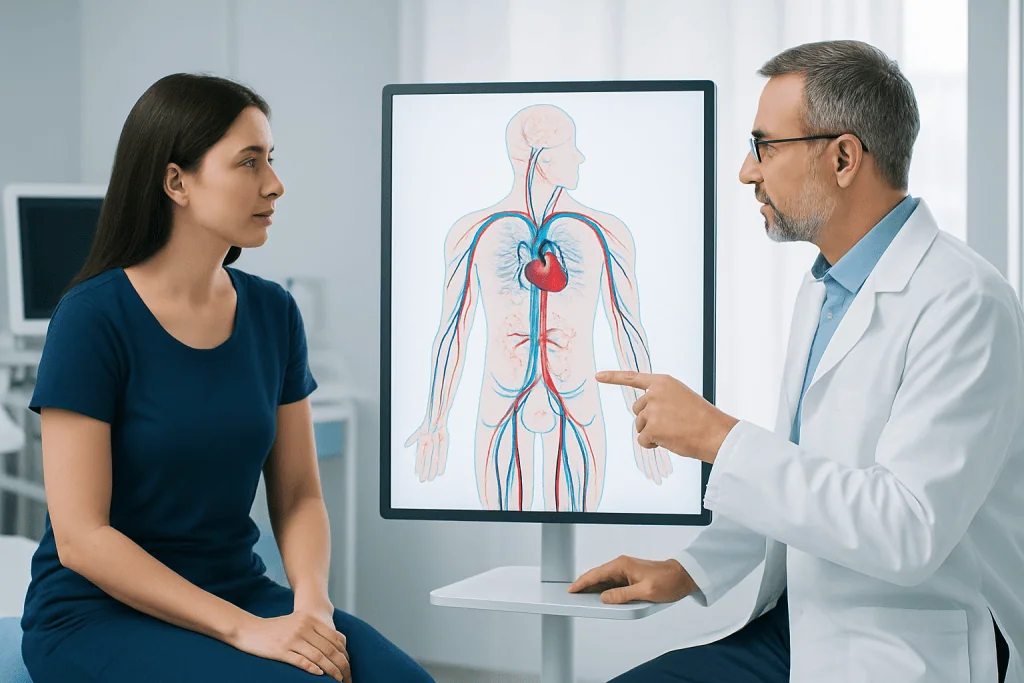
The heart has four chambers and acts as a strong, coordinated pump. The right side receives blood that is low in oxygen and sends it to the lungs. In the lungs, blood picks up oxygen and releases carbon dioxide. The left side of the heart then pumps oxygen-rich blood out to the rest of the body.
Arteries carry blood away from the heart under pressure. As arteries branch into smaller arterioles and then capillaries, blood moves close enough to body tissues for oxygen and nutrients to pass through vessel walls. Waste products then move from tissues back into the blood.
Veins return blood to the heart. Many veins, especially in the legs, have one-way valves that help blood travel upward against gravity. Muscle movement, especially when walking, also helps push blood back toward the heart.
Doctors often describe two linked loops of circulation:
- Pulmonary circulation: blood flow between the heart and lungs
- Systemic circulation: blood flow between the heart and the rest of the body
Together, these loops keep tissues supplied and maintain internal balance throughout the day and night.
Main Parts of the Circulatory System

Each part of the system of blood circulation has a distinct role. The heart generates the force that keeps blood moving. Blood vessels guide where blood needs to go. Blood itself carries oxygen, nutrients, hormones, clotting factors, and cells involved in immunity.
Arteries are thick-walled vessels that carry blood away from the heart. Veins return blood to the heart and often contain valves. Capillaries are extremely small vessels where exchange happens between the blood and body tissues.
Blood has several important components:
- Red blood cells: carry oxygen using hemoglobin
- White blood cells: help fight infection
- Platelets: help blood clot after injury
- Plasma: the fluid that carries cells, proteins, salts, and hormones
The lymphatic system is separate but closely related. It helps return extra fluid from tissues back to the bloodstream and supports immune defense. Although it is not the same as the circulatory system, it works alongside it to maintain fluid balance and overall health.
Why Good Circulation Matters
Efficient circulation is essential because every organ depends on a reliable blood supply. The brain needs constant oxygen and glucose to function normally. The heart muscle needs steady blood flow through the coronary arteries. The kidneys filter the blood and help regulate fluid, salts, and blood pressure.
Healthy circulation also supports the skin, muscles, digestive tract, and reproductive organs. During exercise, blood flow increases to working muscles. After a meal, circulation helps support digestion. During infection or injury, blood carries immune cells and clotting factors to the affected area.
Good circulation plays a role in temperature control as well. Blood vessels near the skin can widen to release heat or narrow to conserve warmth. This fine adjustment helps the body respond to changes in weather, exercise, fever, and stress.
When circulation is reduced, tissues may not get enough oxygen. Depending on the area affected, this can lead to fatigue, pain with walking, slow wound healing, dizziness, numbness, or more serious complications. Conditions such as coronary artery disease and peripheral artery disease are examples of diseases that directly impair blood flow.
Problems That Can Affect Blood Circulation
Circulation can be affected by conditions involving the heart, blood vessels, or blood itself. Atherosclerosis, often called hardening or narrowing of the arteries, can limit blood flow when fatty deposits build up inside vessel walls. This may affect the heart, brain, legs, kidneys, or other organs.
Other common circulation-related problems include high blood pressure, varicose veins, blood clots, heart rhythm disorders, heart failure, anemia, and complications of diabetes. Smoking, obesity, high cholesterol, inactivity, and long-term stress can also place strain on the system.
Symptoms vary depending on the cause and the part of the body involved. People may notice chest discomfort, shortness of breath, palpitations, swollen ankles, cold hands or feet, leg pain while walking, discoloration, dizziness, headaches, or unusual fatigue. Some circulation problems cause no symptoms at first and are found during routine checkups.
In some cases, doctors may investigate circulation using tests such as blood pressure measurement, blood tests, electrocardiography, echocardiography, vascular ultrasound, CT angiography, or MRI. If a blocked or narrowed vessel is suspected, specialists may recommend treatments such as angiography or angioplasty and stent treatment when appropriate.
How Doctors Evaluate Circulatory Health
Evaluation usually begins with a medical history and physical examination. A doctor may ask about symptoms, exercise tolerance, smoking, family history, diet, medications, and conditions such as diabetes or high blood pressure. They will often check blood pressure, heart rate, oxygen level, pulses, and signs of swelling or poor blood flow.
Blood tests can help identify anemia, high cholesterol, diabetes, inflammation, kidney problems, or clotting issues. Heart tests may include an electrocardiogram to assess rhythm and signs of strain, or an echocardiogram to look at heart structure and pumping function. For leg symptoms, a Doppler or vascular ultrasound may be used to measure blood flow.
Imaging tests may be needed when doctors suspect blocked arteries, blood clots, or structural problems. Depending on the situation, evaluation may involve a stress test, CT scan, MRI, or catheter-based procedures. If rhythm disturbances are contributing to symptoms, patients may also be assessed for conditions such as atrial fibrillation.
The goal of diagnosis is not only to name a condition, but also to understand how much it affects organ function and what treatment is most suitable. Early diagnosis often makes treatment simpler and may lower the risk of complications.
Treatment and Ways to Support Healthy Circulation
Treatment depends on the underlying cause. Some people need lifestyle changes alone, while others may benefit from medication or procedures. Doctors may recommend treatment to control blood pressure, improve cholesterol levels, manage diabetes, reduce clotting risk, or help the heart pump more effectively.
When circulation problems are linked to narrowed or blocked arteries, treatment may include supervised exercise, medication, catheter-based procedures, or surgery. For some patients with coronary disease or advanced blockages, procedures such as coronary angiography may help guide care. The best option depends on symptoms, overall health, and which blood vessels are involved.
Everyday habits are also important for maintaining circulation:
- Be physically active on a regular basis, as advised by a doctor
- Avoid smoking and secondhand smoke
- Eat a balanced diet rich in vegetables, fruits, whole grains, and healthy fats
- Maintain a healthy weight
- Manage blood pressure, cholesterol, and blood sugar
- Limit long periods of sitting and move the legs during travel
- Stay well hydrated unless a doctor has advised fluid restriction
Near the end of the care journey, some patients benefit from coordinated support across cardiology, vascular medicine, radiology, and rehabilitation. Acibadem International’s multidisciplinary specialists and JCI-accredited hospitals diagnose and treat circulatory conditions for international patients when advanced evaluation or treatment is needed.
When to Seek Medical Care
Patients should arrange medical assessment if they have persistent symptoms that may suggest circulation problems. These include repeated chest discomfort, shortness of breath, heart palpitations, fainting, unexplained swelling, pain in the legs while walking, slow-healing sores, new numbness, or skin color changes in the hands or feet.
Urgent medical care is important for sudden or severe symptoms. These include chest pain that does not settle, sudden shortness of breath, one-sided weakness, difficulty speaking, sudden vision loss, severe leg swelling with pain, or signs of a possible blood clot. These symptoms need prompt professional evaluation.
Routine checkups also matter, even when no symptoms are present. People with diabetes, high blood pressure, high cholesterol, kidney disease, obesity, or a family history of heart or vascular disease may benefit from earlier monitoring and preventive care.
Patients do not need to self-diagnose the exact cause of symptoms. A qualified doctor can determine whether the problem relates to the heart, blood vessels, blood, lungs, nerves, or another system, and advise the safest next steps.
Frequently asked questions
What is the system of blood circulation in simple terms?
The system of blood circulation is the body’s network for moving blood. It uses the heart to pump blood through arteries, capillaries, and veins so oxygen and nutrients reach tissues and waste products are removed.
What are the main parts of the circulatory system?
The main parts are the heart, blood, and blood vessels. Blood vessels include arteries, veins, and capillaries, each with a different role in moving blood through the body.
How does blood get oxygen?
Blood gets oxygen in the lungs. The right side of the heart sends blood to the lungs, where oxygen enters the blood and carbon dioxide is released before the blood returns to the left side of the heart.
What are common signs of poor circulation?
Common signs can include cold hands or feet, leg pain with walking, swelling, numbness, fatigue, slow-healing wounds, chest discomfort, or shortness of breath. Symptoms depend on which part of the circulatory system is affected.
Can exercise improve circulation?
Yes, regular physical activity often helps circulation by improving heart function and supporting blood flow, especially in the legs. The type and amount of exercise should match a person’s health status, so medical advice is helpful for those with symptoms or chronic conditions.
What conditions can damage the circulatory system?
Conditions such as high blood pressure, diabetes, high cholesterol, heart disease, blood clots, anemia, and smoking-related vascular disease can affect circulation. Over time, these may reduce blood flow or increase the strain on the heart and blood vessels.
When should someone see a doctor about circulation symptoms?
A doctor should be consulted for persistent symptoms such as chest discomfort, shortness of breath, leg pain with walking, swelling, or slow-healing sores. Emergency care is needed for sudden severe chest pain, stroke-like symptoms, or abrupt shortness of breath.
References
- World Health Organization
- American Heart Association
- National Heart, Lung, and Blood Institute
- Centers for Disease Control and Prevention
- MedlinePlus
This article is for general information only and is not a substitute for professional medical advice. Please consult a qualified doctor about your individual situation.
Explore treatments in Turkey — costs, top hospitals & a free quote
JCI-accredited · board-certified surgeons · reply within 24h
Add us as a Preferred Source to see more of our trusted health content across Google Search, AI Overviews and Discover.
Check your numbers in seconds
BMI, calories, due date, blood pressure and 30+ more clinical calculators — free, instant, doctor-reviewed ranges.

More from the Health Library

Holistic Remedies for Add: An Evidence-Based Guide for Patients

Castor Oil — Explained by Medical Evidence, Not Myths

Cardiac Glycosides: What Patients Need to Know

Oatmilk: A Complete Medical Overview

Endomorph Body Type: An Evidence-Based Guide for Patients