Telemedicine vs In-Person Care: When a Virtual Visit Is Enough
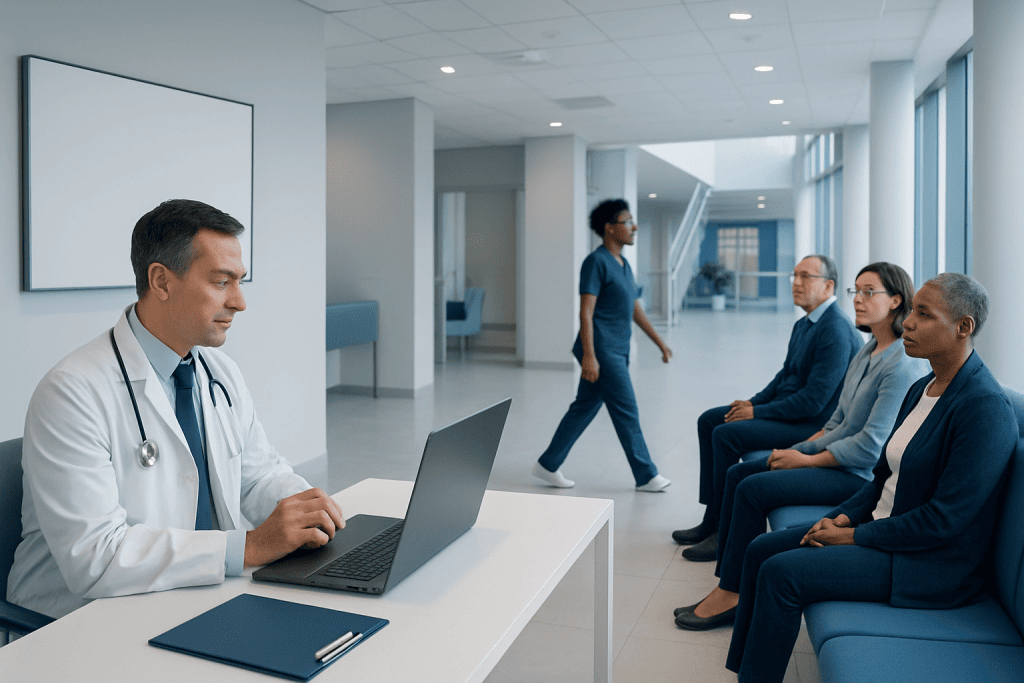
Virtual visits are often enough for routine follow-ups, medication checks, and many mild symptoms. In-person care is usually better when a hands-on exam, lab tests, imaging, or procedures are needed.
Key Takeaways
- Virtual visits are often enough for routine follow-ups, medication checks, and many mild symptoms.
- In-person care is usually better when a hands-on exam, lab tests, imaging, or procedures are needed.
- Emergency warning signs such as chest pain, severe breathing trouble, stroke symptoms, or heavy bleeding need immediate in-person care.
- A good telemedicine visit works best when the patient prepares key details like symptoms, medicines, and home measurements.
- Many people benefit from a blended approach that combines virtual convenience with in-person testing or treatment when necessary.
Telemedicine can safely and conveniently handle many common health needs, especially follow-up care, medication reviews, and minor symptoms. In-person care is still important when a physical exam, testing, imaging, or urgent treatment is needed.
Overview
Telemedicine means receiving medical care remotely, usually by video call, phone call, or secure online messaging. It has become a practical part of modern healthcare because it can save travel time, improve access to specialists, and make follow-up care easier. For many everyday health concerns, a virtual visit can be a safe and effective first step.
Still, telemedicine is not a replacement for every kind of care. Some problems require a doctor to listen to the heart or lungs, examine the abdomen, check reflexes, perform a procedure, or order tests right away. The best choice depends on the person’s symptoms, medical history, age, and how urgently they need evaluation.
In simple terms, telemedicine is often enough when the main goal is discussion, advice, monitoring, or review of results. In-person care is often better when the doctor needs direct physical findings to make a diagnosis or begin treatment. Many healthcare systems now use both approaches together, giving patients more flexible care.
When a Virtual Visit Is Often Enough
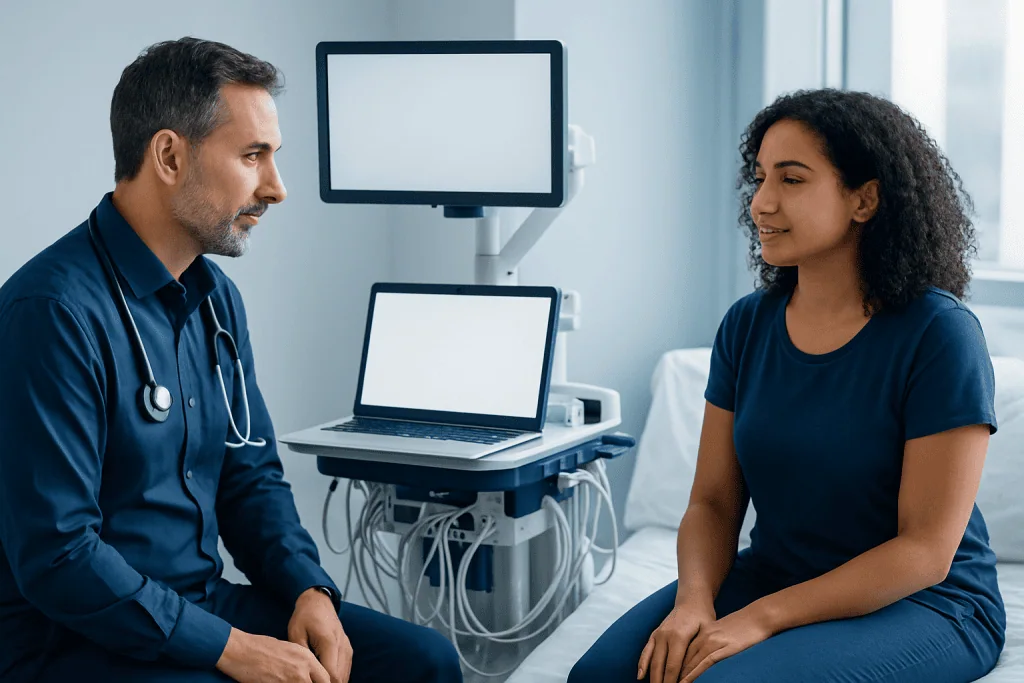
A virtual visit is often appropriate for health issues that can be assessed mainly through conversation, visual observation, and review of history. Examples include medication refills when ongoing monitoring is already established, follow-up after a stable diagnosis, discussing lab results, reviewing chronic condition symptoms, and getting advice about mild new concerns. Mental health support, sleep concerns, nutrition counseling, and many skin issues visible on camera can also fit telemedicine well.
Telemedicine can be especially helpful for chronic disease management. A person with high blood pressure, diabetes, migraine, asthma, or thyroid disease may be able to discuss symptoms, home readings, treatment response, and side effects without coming to the clinic every time. If the doctor notices anything that needs closer examination, they can recommend in-person assessment or testing.
Virtual care may also work well for minor illnesses when symptoms are uncomplicated. Examples can include a common cold, mild allergy symptoms, a simple medication question, or a discussion about whether supportive home care is reasonable. In some situations, a telemedicine doctor can decide whether the next step should be rest at home, a prescription, a lab test, or an in-person appointment.
- Routine follow-up visits
- Medication review or refill discussions
- Review of test results
- Mild skin, allergy, or upper respiratory symptoms
- Chronic disease check-ins with home monitoring
- Mental health, counseling, and lifestyle support
When In-Person Care Is Usually Better
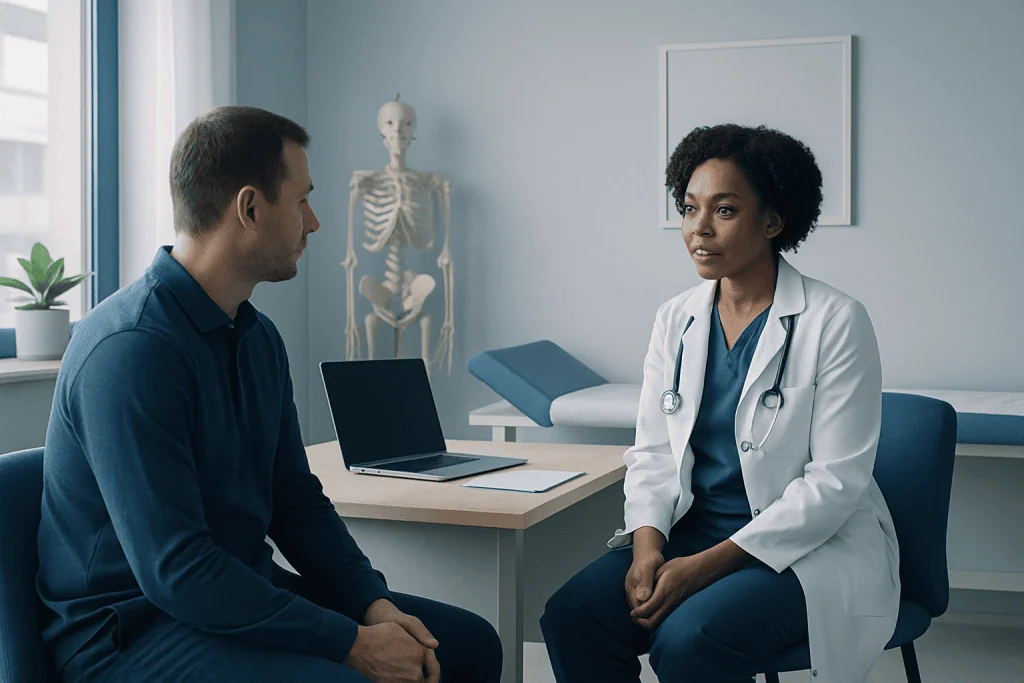
In-person care is usually the better choice when a problem may require a physical examination, urgent treatment, or immediate testing. A doctor may need to examine the throat, ears, lungs, joints, abdomen, skin texture, strength, balance, or neurological function in detail. Even high-quality video cannot replace some aspects of a hands-on assessment.
Many symptoms also need tools that are only available in a clinic or hospital, such as blood tests, urine tests, imaging, heart tracing, oxygen measurement, wound care, or procedures. For example, severe abdominal pain, a possible fracture, dehydration, a deep cut, or sudden weakness should not be managed by telemedicine alone. These situations often need direct evaluation without delay.
Children, older adults, pregnant patients, and people with multiple medical conditions may sometimes need a lower threshold for in-person assessment because symptoms can be harder to interpret remotely. If a patient has difficulty describing symptoms, using technology, or checking basic home measurements, an office or hospital visit may provide safer and clearer care.
Red Flags That Need Urgent or Emergency Attention
Some symptoms should not wait for a routine virtual visit. Emergency warning signs need prompt in-person medical attention, and in many cases emergency services should be contacted right away. Telemedicine can sometimes help direct the patient, but it should not delay emergency care.
Examples of red-flag symptoms include chest pain, severe shortness of breath, signs of stroke such as one-sided weakness or facial drooping, fainting, seizures, severe allergic reaction, heavy bleeding, sudden confusion, or a serious head injury. High fever with severe illness, severe dehydration, worsening blue lips or fingertips, or rapidly spreading infection also need urgent evaluation.
Persistent symptoms that are not immediately life-threatening can still require prompt in-person review. These include strong abdominal pain, a new breast lump, blood in stool or urine, significant unexplained weight loss, and symptoms that continue despite treatment. If there is uncertainty, it is safer to seek direct medical advice than to rely on self-diagnosis.
- Chest pain or pressure
- Trouble breathing or severe wheezing
- Stroke symptoms or sudden severe weakness
- Heavy bleeding or major injury
- Severe abdominal pain
- Confusion, fainting, or seizures
How Doctors Decide Between Telemedicine and Office Care
Clinicians usually decide based on several practical questions. How severe are the symptoms? Did they start suddenly or gradually? Is there a known diagnosis already, or is this a brand-new problem? Would a physical exam change the next step? Is a test, scan, or procedure likely to be needed today? These factors help determine whether virtual care is enough or whether in-person review is more appropriate.
The type of symptom matters. A rash, red eye, medication side effect, or discussion of ongoing back pain may begin well with telemedicine. But hearing loss, abdominal swelling, chest symptoms, a new neurological problem, or a changing lump often need a direct exam. When relevant, the doctor may arrange a check-up and screening or refer the patient for diagnostic imaging to clarify the diagnosis.
Telemedicine also works best when the patient can provide accurate information. Home blood pressure readings, temperature, blood glucose logs, pulse oximeter readings, or clear photos of a skin issue can make virtual assessment more useful. If the information remains incomplete or concerning, the doctor may recommend a clinic visit, testing, or escalation to urgent care.
Benefits and Limits of Telemedicine
The main advantages of telemedicine are convenience, access, and continuity. It can reduce travel time, time away from work, and the burden of attending frequent follow-ups. It may also help patients who live far from specialist centers, have mobility limitations, or need easier access to routine review. In some situations, being seen at home can even give the doctor useful context about daily function and self-care habits.
There are also clear limitations. Video quality may be poor, internet connections can fail, and some patients may not feel comfortable using technology. A camera cannot always show details such as subtle swelling, tenderness, or changes in heart and lung sounds. Privacy can also be harder if the patient is joining from a shared space.
Another limitation is that telemedicine can sometimes lead to a second visit if testing or direct examination becomes necessary. This does not mean the first visit was unhelpful; often it serves as a safe triage step that clarifies what should happen next. In many cases, the best model is blended care, where telemedicine and in-person services support each other rather than compete.
How to Prepare for a Successful Virtual Visit
Preparation can make a telemedicine appointment much more productive. Before the visit, the patient should write down symptoms, when they started, what makes them better or worse, and any questions they want answered. It also helps to have a current list of medications, supplements, allergies, and recent test results close by.
If available, simple home measurements can be very useful. Depending on the concern, this might include body temperature, blood pressure, pulse, blood sugar, oxygen level, or body weight. For skin issues, clear photographs taken in good lighting may help the doctor assess changes more accurately than a webcam image alone.
The setting matters as well. A quiet, private, well-lit room supports better communication. The patient should test the internet connection, camera, and microphone ahead of time and make sure the device is charged. If symptoms worsen before or during the visit, they should not wait for the appointment to end if urgent in-person care is needed.
- Write down symptoms and questions
- Keep medicines and allergies ready
- Gather home readings if relevant
- Use a private, well-lit space
- Be prepared to switch to in-person care if advised
The Best Approach Is Often a Combination of Both
For many people, the most effective healthcare uses both telemedicine and in-person care at different times. A patient may start with a virtual visit for triage, education, or follow-up, then come in for examination, tests, or treatment if needed. This can make care more efficient without compromising safety.
For example, someone with recurring headaches, digestive discomfort, or joint pain may begin with telemedicine to review symptoms and history, then be guided toward a medical check-up or further testing if warning signs appear. A person with visible skin concerns might first have an online review, then attend in person if the doctor needs closer assessment or a procedure such as dermatology evaluation and treatment.
Patients should feel comfortable asking which format is most appropriate for their situation. A trustworthy clinician will explain why a virtual visit is enough, why office care is recommended, or why both are needed. Near the end of the care pathway, institutions such as Acibadem International can support international patients through multidisciplinary evaluation and treatment in JCI-accredited hospitals when in-person care is required.
Frequently asked questions
Is telemedicine as good as an in-person doctor visit?
It can be just as effective for many routine concerns, follow-ups, medication reviews, and advice-based visits. It is not ideal for every situation, especially when a hands-on exam, urgent treatment, or immediate testing is needed.
What symptoms should not be handled by telemedicine alone?
Symptoms such as chest pain, severe shortness of breath, stroke signs, heavy bleeding, seizures, or sudden confusion need urgent in-person care. Severe abdominal pain, serious injuries, and rapidly worsening illness also usually require direct medical evaluation.
Can a doctor diagnose illness accurately over video?
Often, yes, especially when symptoms are straightforward and the history is clear. However, accuracy may be limited if the problem depends on physical findings, vital signs, laboratory tests, or imaging.
What conditions are commonly suitable for a virtual visit?
Common examples include follow-up for stable chronic conditions, medication questions, mild cold or allergy symptoms, mental health support, and review of test results. Some skin concerns and lifestyle counseling are also often well suited to virtual care.
How can a patient make a telemedicine appointment more useful?
It helps to prepare a symptom timeline, medication list, and any home measurements such as temperature or blood pressure. Joining from a quiet, private, well-lit place and testing the device beforehand can improve communication.
Will a virtual visit always prevent the need for an office appointment?
Not always. Sometimes a virtual visit is the first step that helps the doctor decide whether an examination, test, or procedure is needed next.
References
- World Health Organization
- Centers for Disease Control and Prevention
- American Medical Association
- National Health Service
- Mayo Clinic
This article is for general information only and is not a substitute for professional medical advice. Please consult a qualified doctor about your individual situation.
Explore treatments in Turkey — costs, top hospitals & a free quote
JCI-accredited · board-certified surgeons · reply within 24h
Add us as a Preferred Source to see more of our trusted health content across Google Search, AI Overviews and Discover.
Check your numbers in seconds
BMI, calories, due date, blood pressure and 30+ more clinical calculators — free, instant, doctor-reviewed ranges.

More from the Health Library



Related Specialists

Prof. Dr. Ayşe Korkmaz Toygar
Neonatal Intensive Care Unit
Dr. Fuad Jafarov
Gastroenterology
Assoc. Prof. Dr. Emrullah Hayta
Physical Medicine & Rehabilitation
Prof. Dr. Güler Berkiten
Otorhinolaryngology