Testicle Removal Surgery: Procedure, Recovery and Results
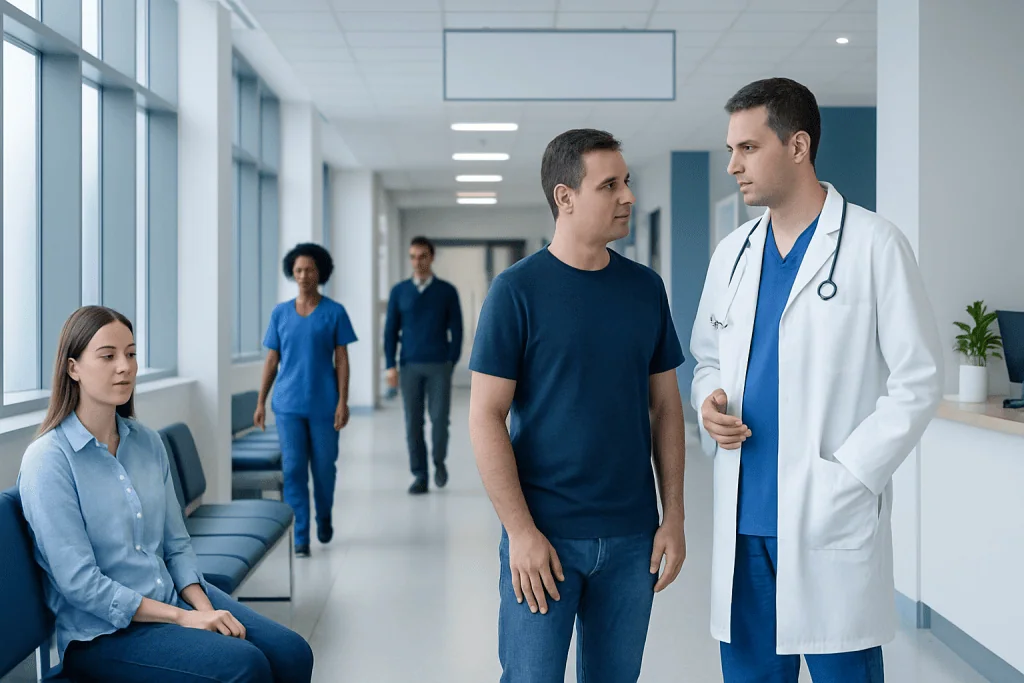
Orchiectomy can remove one testicle or both, depending on the medical reason and treatment plan. For a suspected testicular tumor, the testicle is usually removed through an incision in the groin rather than the scrotum.
Key Takeaways
- Orchiectomy can remove one testicle or both, depending on the medical reason and treatment plan.
- For a suspected testicular tumor, the testicle is usually removed through an incision in the groin rather than the scrotum.
- Most patients go home the same day or after a short hospital stay and gradually resume activities over several weeks.
- One remaining healthy testicle often produces enough testosterone and sperm for normal hormone function and possible fertility.
- Urgent symptoms after surgery include fever, worsening swelling, heavy bleeding, drainage, or trouble passing urine.
Testicle removal surgery, also called orchiectomy, is an operation to remove one or both testicles. It may be recommended for suspected or confirmed testicular cancer, severe injury, infection, hormone-sensitive cancer, or other specific medical reasons, and many people recover well with appropriate follow-up care.
Overview: What Is Testicle Removal Surgery?
Testicle removal surgery is an operation that removes one testicle, called a unilateral orchiectomy, or both testicles, called a bilateral orchiectomy. The procedure may be performed to diagnose and treat a suspected testicular cancer, manage severe testicular injury or infection, treat an undescended testicle in selected circumstances, or reduce testosterone production when this is medically necessary.
When a testicular tumor is suspected, surgeons commonly use a procedure called radical inguinal orchiectomy. The testicle and spermatic cord are removed through an incision in the lower groin. This approach helps avoid disturbing the scrotum and supports accurate assessment and treatment planning.
Testicle removal surgery is a significant operation, but it is also a well-established procedure. The care team considers the reason for surgery, general health, hormone needs, fertility plans, imaging findings, and blood test results before recommending it.
Who May Need an Orchiectomy?
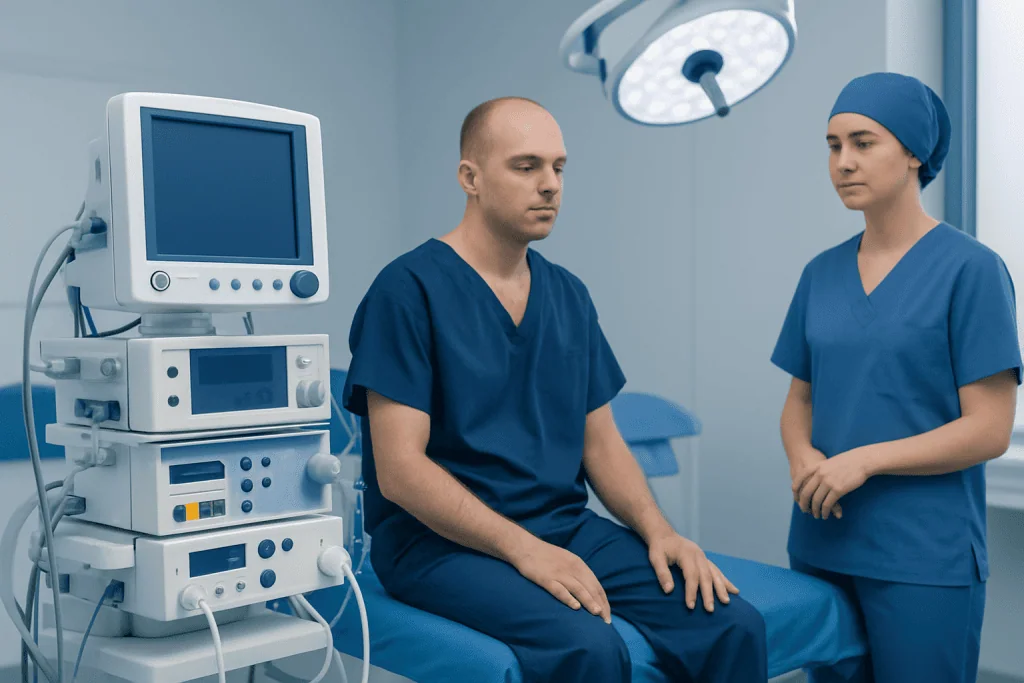
A doctor may recommend orchiectomy when ultrasound, examination, and tumor-marker blood tests suggest testicular cancer. In this setting, surgery often provides the tissue needed to confirm the diagnosis and determine the tumor type. Further treatment, if needed, is based on the pathology results and cancer stage.
Other possible reasons include a testicle that has been severely damaged by trauma, a serious infection that has not responded to other treatment, or a testicle affected by torsion with irreversible loss of blood supply. Orchiectomy may also be part of hormone-reducing treatment for some advanced prostate cancers or part of gender-affirming care for people who choose it.
Not every scrotal lump, swelling, or pain requires removal of a testicle. Conditions such as testicular torsion, epididymitis, hydrocele, varicocele, and cysts can have different treatments. Prompt assessment by a urologist is important because the safest approach depends on the cause.
How the Testicle Removal Surgery Procedure Works

Before surgery, the patient meets the surgical and anesthesia teams. The assessment may include a physical examination, ultrasound, blood tests, a review of regular medicines, and discussion of allergies and anesthesia history. People who may want biological children in the future can ask about sperm banking before treatment, particularly if both testicles may be removed or cancer treatment could affect fertility.
The procedure is usually performed under general anesthesia, meaning the patient is asleep and does not feel pain during the operation. For suspected cancer, the surgeon makes a small incision in the groin, carefully brings out the testicle and spermatic cord, controls blood vessels, removes the necessary tissue, and closes the incision with sutures. In other circumstances, a scrotal approach may be appropriate.
The removed tissue is examined by a pathologist. If cancer is found, the pathology report helps guide next steps, which may include surveillance, imaging, chemotherapy, radiotherapy, lymph node surgery, or another individualized approach. Orchiectomy treatment is planned by a urology team in coordination with oncology and other relevant specialists.
A testicular prosthesis may be discussed before surgery. This is an optional implant intended to restore the appearance and feel of a testicle in the scrotum; it does not produce hormones or sperm.
How Long Is Recovery After Removing a Testicle?
Testicle removal surgery recovery time varies according to the surgical approach, whether one or both testicles were removed, the reason for surgery, and the person’s overall health. Many patients return home on the day of surgery, while others need a short stay for observation. The first few days usually involve soreness, bruising, and swelling that gradually improve.
Light walking is commonly encouraged soon after surgery to support circulation, but strenuous exercise, cycling, heavy lifting, and sexual activity are generally avoided until the surgeon confirms healing is adequate. Many people can return to desk-based work within about one to two weeks, while physically demanding jobs may require more time. Full recovery commonly takes several weeks.
Testicle removal surgery pain is usually managed with the pain-relief plan provided by the clinician. A supportive garment, rest, and a cold pack wrapped in cloth may help reduce discomfort and swelling when advised. Pain that suddenly worsens rather than improves should be reported to the care team.
Follow-up visits allow the surgeon to check wound healing, review pathology results, and discuss any need for additional treatment. For cancer-related surgery, ongoing monitoring may include examinations, blood tests, and scans.
Can I Poop After Testicle Surgery?
Yes. Most people can have a bowel movement after testicle surgery, although constipation can occur for a few days. Anesthesia, reduced activity, changes in eating and drinking, and some prescription pain medicines can all slow the bowels temporarily.
Drinking fluids if permitted, eating fiber-containing foods, walking gently, and using a stool softener or laxative only if recommended by the care team can help. It is sensible to avoid straining because this may increase discomfort around the groin incision.
The patient should contact their clinician if they have severe abdominal pain, persistent vomiting, marked bloating, inability to pass stool or gas, or constipation that does not improve with the post-operative plan. These symptoms need individual medical advice.
What Should I Wear After Testicle Removal?
Supportive, close-fitting underwear or a scrotal support is often recommended after testicle removal surgery. It can limit movement, reduce pulling around the surgical area, and make walking more comfortable during the early healing period. The surgeon will advise how long support should be worn.
Soft, loose trousers or shorts are usually more comfortable than tight jeans or restrictive clothing over the groin incision. Clothing should not rub on the wound or make it difficult to check for increasing swelling, redness, or drainage.
Dressings should be kept clean and dry according to the discharge instructions. Patients should ask their surgical team when showering is allowed, whether the dressing needs changing, and when swimming, baths, and hot tubs can safely be resumed.
Benefits, Risks and Longer-Term Effects
The main benefit of orchiectomy is that it can remove diseased tissue and provide a clear diagnosis. For testicular cancer, it is often an essential first treatment and allows the multidisciplinary team to make informed decisions about follow-up. In emergency situations such as a non-viable testicle after torsion or severe injury, removal may prevent ongoing complications.
Possible risks include bleeding, infection, blood collection under the skin, swelling, scarring, numbness, ongoing discomfort, reaction to anesthesia, and delayed wound healing. Less commonly, there may be concerns related to appearance, body image, mood, or sexual confidence. These concerns are valid and can be discussed with the care team.
After removal of one testicle, the remaining healthy testicle often produces sufficient testosterone. Many people retain normal erections, sexual desire, and fertility, although this cannot be assumed for everyone. Removing both testicles causes a major reduction in testosterone and permanent infertility; testosterone replacement may be needed when medically appropriate, and fertility preservation should be discussed beforehand whenever possible.
For people treated for testicular cancer, attention to follow-up is especially important. Related evaluation and management may include testicular cancer care and supportive services for fertility, sexual health, and emotional wellbeing.
When to Seek Medical Care
Seek urgent medical evaluation for a new testicular lump, sudden severe testicular or scrotal pain, rapid swelling, nausea with testicular pain, or pain after an injury. Sudden pain can be caused by torsion, which requires urgent assessment to give the best chance of preserving the testicle.
After surgery, contact the surgical team promptly for fever, chills, increasing redness or warmth around the incision, pus-like drainage, heavy bleeding, worsening swelling, severe pain not controlled by the prescribed plan, or difficulty passing urine. Emergency care is appropriate for severe symptoms, fainting, chest pain, shortness of breath, or significant uncontrolled bleeding.
Acibadem International’s multidisciplinary specialists and JCI-accredited hospitals diagnose and treat urological conditions for international patients. A urologist can explain whether orchiectomy is appropriate, review alternatives where available, and provide a personalized recovery plan.
Frequently asked questions
How serious is removing a testicle?
Removing a testicle is a major surgical procedure, but it is commonly performed and often necessary to diagnose or treat an important medical condition. The seriousness depends on why surgery is needed, whether one or both testicles are removed, and whether further treatment is required. With one healthy remaining testicle, many people maintain normal testosterone production and sexual function.
How long is recovery after removing a testicle?
Early soreness and swelling usually improve over days to a couple of weeks, while complete recovery often takes several weeks. Return to work depends on the type of job and the individual recovery process. The surgeon should give specific advice about driving, exercise, lifting, and sexual activity.
Can a person live normally with one testicle?
Yes, many people live normally with one testicle. A healthy remaining testicle often makes enough testosterone and sperm for normal hormone function and possible fertility. Individual fertility and hormone testing can be arranged if there are concerns.
Can I poop after testicle surgery?
Yes, bowel movements are expected after surgery, although constipation is common temporarily after anesthesia and pain medicine. Fluids, gentle walking, and fiber may help if these are suitable for the individual. Persistent constipation, severe abdominal pain, or vomiting should be discussed with a clinician.
What should I wear after testicle removal?
Supportive underwear or a scrotal support is often the most comfortable option during the first stage of recovery. Loose, soft clothing can prevent pressure and rubbing over the groin or scrotal area. The surgical team can advise how long to use support and when normal clothing choices are comfortable.
Does testicle removal surgery affect sex life?
Removal of one testicle does not usually prevent erections, orgasm, or sexual activity once healing is complete. Physical recovery, anxiety, body image, and the underlying condition can affect sexual confidence for some people. Removing both testicles lowers testosterone, so hormone management and sexual health support may be needed.
References
- American Urological Association
- National Cancer Institute
- European Association of Urology
- NHS
- American Cancer Society
This article is for general information only and is not a substitute for professional medical advice. Please consult a qualified doctor about your individual situation.
Oncology care in Turkey — second opinion and treatment plan
JCI-accredited · board-certified surgeons · reply within 24h
Add us as a Preferred Source to see more of our trusted health content across Google Search, AI Overviews and Discover.