The Most Common Neurodegenerative Diseases and How They Affect Daily Life

Neurodegenerative diseases are progressive disorders that affect brain or nerve function over time. Common examples include Alzheimer’s disease, Parkinson’s disease, Huntington’s disease, and motor neuron diseases.
Key Takeaways
- Neurodegenerative diseases are progressive disorders that affect brain or nerve function over time.
- Common examples include Alzheimer’s disease, Parkinson’s disease, Huntington’s disease, and motor neuron diseases.
- Symptoms vary widely and may involve memory loss, tremor, stiffness, balance problems, mood changes, or difficulty speaking and swallowing.
- Early assessment can help clarify the cause of symptoms and guide treatment and support.
- Although many neurodegenerative diseases cannot be cured, medicines, rehabilitation, and practical lifestyle changes can improve quality of life.
Neurodegenerative diseases are conditions in which nerve cells in the brain or spinal cord gradually lose function over time. They can affect memory, movement, speech, behavior, and independence, but timely diagnosis, treatment, and supportive care may help people live more safely and comfortably.
Overview
Neurodegenerative diseases are a group of conditions that damage or destroy nerve cells over time. Because nerve cells in the brain, spinal cord, and related pathways control thinking, movement, sensation, behavior, and automatic body functions, these diseases can affect many parts of daily life. In most cases, symptoms develop gradually and become more noticeable over months or years.
The term includes several well-known disorders, such as Alzheimer’s disease, Parkinson’s disease, Huntington’s disease, and motor neuron diseases such as amyotrophic lateral sclerosis. Some conditions mainly affect memory and thinking, while others mostly affect movement, speech, coordination, or muscle strength. A person’s experience depends on which parts of the nervous system are involved.
Although aging is a major risk factor for some neurodegenerative diseases, these conditions are not considered a normal part of aging. Persistent forgetfulness, repeated falls, new tremor, slowness, personality change, or trouble with speech and swallowing should not be dismissed. A careful medical evaluation can help identify whether symptoms are related to a neurodegenerative disorder or another treatable problem.
The most common types and how they affect daily life
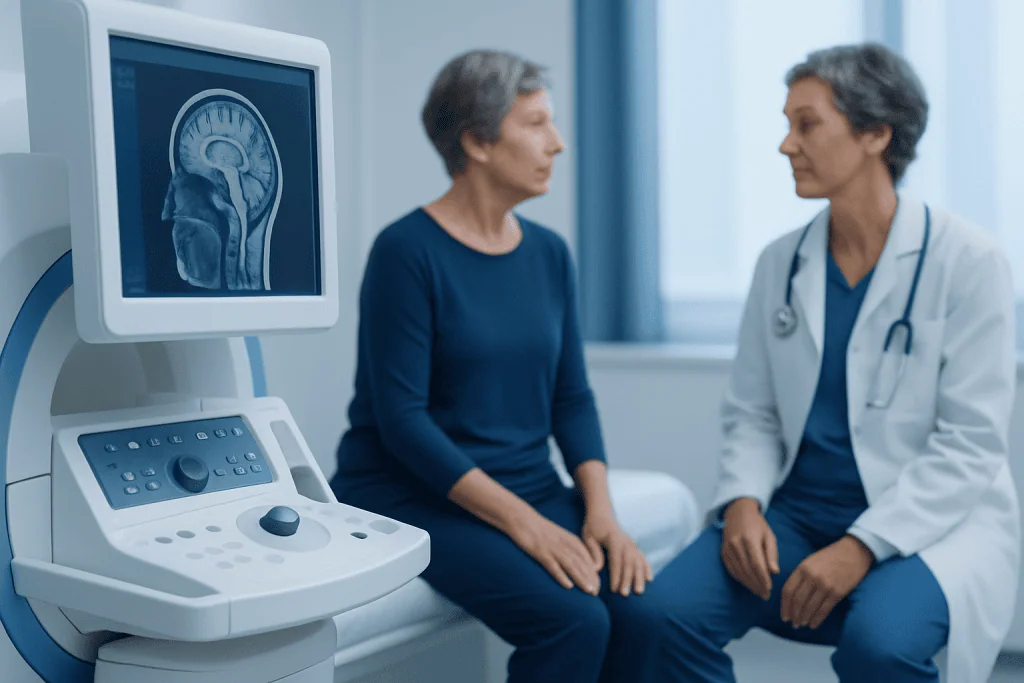
Among the most common neurodegenerative diseases, Alzheimer’s disease is a leading cause of dementia. It primarily affects memory, learning, orientation, and judgment. At first, a person may misplace items, repeat questions, forget appointments, or struggle with complex tasks such as managing finances or medications. As the condition progresses, everyday activities like cooking, traveling alone, or personal care may become difficult.
Parkinson’s disease is another common condition and mainly affects movement, although non-motor symptoms are also important. Typical features include tremor, stiffness, slowed movement, smaller handwriting, reduced facial expression, constipation, sleep changes, and sometimes mood or cognitive symptoms. Daily routines may take longer, walking can become less steady, and dressing, eating, or getting out of a chair may require more effort. Readers seeking more information on Parkinson’s disease may benefit from a condition-specific overview.
Huntington’s disease is less common but can strongly affect family life because it is inherited. It may cause involuntary movements, mood changes, irritability, difficulty concentrating, and progressive problems with planning and independence. Motor neuron diseases, including ALS, mainly affect the nerve cells that control muscles. This can lead to weakness, muscle wasting, speech changes, cramps, and trouble swallowing or breathing, with increasing effects on mobility and self-care over time.
Other neurodegenerative disorders include frontotemporal dementia, dementia with Lewy bodies, multiple system atrophy, and progressive supranuclear palsy. Some people may first notice behavioral or language changes rather than memory loss. Because symptom patterns differ, specialist assessment is important to identify the condition accurately and plan the right support.
Symptoms and signs to look for

Symptoms depend on the disease type, but several patterns are common. Cognitive symptoms may include memory loss, confusion, trouble finding words, reduced attention, poor judgment, difficulty following steps, and getting lost in familiar places. Behavioral and emotional symptoms can include apathy, anxiety, depression, irritability, hallucinations, or changes in social behavior.
Movement-related symptoms may include tremor, stiffness, slowed walking, balance problems, frequent falls, poor coordination, involuntary movements, muscle weakness, or changes in posture. Speech may become softer, slower, or less clear. Some people also develop swallowing problems, which can affect nutrition and increase the risk of choking.
Neurodegenerative diseases may also cause symptoms that are less obvious at first, such as sleep disturbance, loss of smell, constipation, urinary urgency, fatigue, or changes in handwriting. Family members often notice subtle changes before the person does, especially when symptoms involve judgment or insight.
- Memory problems that interfere with normal routines
- Tremor, stiffness, slowness, or difficulty walking
- Repeated falls or poor balance
- Speech, swallowing, or voice changes
- Personality, mood, or behavior changes
- Progressive weakness or loss of coordination
Causes and risk factors
The exact cause of many neurodegenerative diseases is not fully understood. In general, these conditions involve the gradual loss of nerve cells and the build-up of abnormal proteins or other harmful changes inside the nervous system. Different diseases affect different brain regions and networks, which explains why symptoms can vary so much from one condition to another.
Age is one of the strongest risk factors for several disorders, especially Alzheimer’s disease and Parkinson’s disease. Genetics also play a role. Some conditions, such as Huntington’s disease, are directly inherited, while in others a family history may increase risk without guaranteeing that disease will develop. Environmental exposures, vascular health, head injury, and other biological factors may also contribute in some cases.
It is important to remember that having a risk factor does not mean a person will definitely develop a neurodegenerative disease. Likewise, a person without an obvious family history can still be affected. A doctor may review medical history, medicines, sleep, mental health, nutrition, and other conditions because symptoms can sometimes be worsened by dehydration, infection, vitamin deficiency, thyroid problems, or medication side effects.
How diagnosis is made
Diagnosis usually begins with a detailed conversation about symptoms, how they started, and how they affect work, home life, mobility, and independence. A doctor will ask about memory, mood, sleep, movement, falls, bowel and bladder function, speech, swallowing, and family history. Input from a partner, relative, or caregiver can be very helpful, especially if changes are subtle or have developed gradually.
Neurological examination is an important next step. This may include assessment of strength, reflexes, coordination, gait, balance, eye movements, speech, and mental function. Cognitive screening tests may be used to check memory, attention, language, and problem-solving. Depending on the situation, blood tests may help rule out treatable causes of similar symptoms.
Brain imaging such as MRI or CT can help identify other explanations, support the diagnosis, or show patterns consistent with a specific disorder. In selected cases, doctors may use more specialized tests, including neuropsychological evaluation, swallowing studies, sleep assessment, or electromyography for suspected motor neuron involvement. If symptoms suggest dementia, a broader assessment for Alzheimer’s disease or related conditions may be considered.
Treatment options and supportive care
Most neurodegenerative diseases cannot yet be cured, but treatment can still make a meaningful difference. Management usually focuses on relieving symptoms, preserving function, supporting independence, and planning for future needs. The treatment plan depends on the condition, the stage of disease, and the person’s goals, home environment, and overall health.
Medicines may help certain symptoms, such as tremor, stiffness, memory changes, mood symptoms, sleep problems, or excess saliva. Rehabilitation also plays a major role. Physical therapy and rehabilitation can improve mobility, posture, balance, and fall prevention strategies. Speech and language therapy may support communication and swallowing, while occupational therapy can suggest practical tools for dressing, bathing, cooking, and safer movement at home.
Nutrition support, exercise adapted to ability, sleep care, mental health support, and caregiver education are also important. Some people may benefit from neurology evaluation and follow-up to monitor progression and adjust treatment over time. In advanced stages, palliative care can help manage symptoms, improve comfort, and support decision-making without meaning that active treatment has stopped.
Near the end of the care journey, coordinated support becomes especially important. Acibadem International’s multidisciplinary specialists in JCI-accredited hospitals diagnose and treat neurodegenerative conditions for international patients, with care plans tailored to the person’s neurological and rehabilitation needs.
Prevention, self-care, and living well
There is no certain way to prevent all neurodegenerative diseases, but healthy habits may support brain health and overall function. Regular physical activity, good sleep, social engagement, hearing and vision care, balanced nutrition, and management of blood pressure, diabetes, and cholesterol are sensible long-term strategies. Avoiding smoking and limiting alcohol are also beneficial for general brain and vascular health.
For someone already diagnosed, self-care often focuses on routine, safety, and conserving energy. Clear schedules, pill organizers, labels, reminder systems, and simple home layouts can reduce stress. Supportive footwear, grab bars, improved lighting, and removal of tripping hazards may lower the risk of falls. If swallowing becomes difficult, a clinician or speech therapist can advise on safer eating and drinking strategies.
Emotional well-being matters as much as physical care. Many people experience frustration, grief, or anxiety as abilities change. Support groups, counseling, caregiver respite, and open family communication can reduce isolation and help everyone adapt. Practical planning for driving, work, legal documents, and future care needs is often easier when discussed early and calmly.
When to see a doctor
A person should seek medical advice if memory, movement, speech, behavior, or balance problems are new, persistent, or worsening. Early assessment is especially important when symptoms affect work, finances, medication management, driving, or safety at home. Evaluation does not always lead to a diagnosis of neurodegenerative disease, but it can identify other treatable causes and provide reassurance or a clearer plan.
Urgent medical attention is needed if there is sudden confusion, new one-sided weakness, severe headache, sudden vision loss, chest pain, repeated choking, breathing difficulty, or an abrupt major change in consciousness. These symptoms may suggest a different emergency condition rather than a slowly progressive disorder.
Families and caregivers should also speak with a doctor if they are struggling with falls, poor nutrition, sleep disruption, wandering, agitation, or increasing care demands. A change in support, treatment, or rehabilitation can sometimes greatly improve day-to-day life for both the patient and the people helping them.
Frequently asked questions
What are neurodegenerative diseases?
Neurodegenerative diseases are conditions in which nerve cells gradually lose function or die over time. Depending on the parts of the nervous system affected, they may cause memory loss, movement problems, behavior changes, speech difficulty, or muscle weakness.
What are the most common neurodegenerative diseases?
Common examples include Alzheimer’s disease and Parkinson’s disease. Other important conditions include Huntington’s disease, dementia with Lewy bodies, frontotemporal dementia, and motor neuron diseases such as ALS.
Are neurodegenerative diseases a normal part of aging?
No. Some risk increases with age, but significant memory loss, tremor, repeated falls, personality change, or progressive weakness should not be considered normal aging. These symptoms deserve medical assessment.
Can neurodegenerative diseases be cured?
Many neurodegenerative diseases cannot currently be cured. However, treatments may help control symptoms, maintain function, improve safety, and support quality of life for both the patient and caregivers.
How do these diseases affect everyday activities?
They may make daily tasks slower, harder, or less safe. People can have difficulty with walking, dressing, cooking, remembering appointments, managing finances, speaking clearly, swallowing, or driving.
When should someone see a doctor about possible symptoms?
A doctor should be consulted if symptoms are persistent, getting worse, or interfering with independence. Early evaluation is particularly important when there are falls, confusion, medication mistakes, driving concerns, or changes in speech and swallowing.
References
- World Health Organization
- National Institute on Aging
- National Institute of Neurological Disorders and Stroke
- Alzheimer's Association
- Parkinson's Foundation
This article is for general information only and is not a substitute for professional medical advice. Please consult a qualified doctor about your individual situation.
Neurodegenerative Diseases in Turkey — costs, top hospitals & a free quote
JCI-accredited · board-certified surgeons · reply within 24h
Add us as a Preferred Source to see more of our trusted health content across Google Search, AI Overviews and Discover.

Physical Medicine & Rehabilitation
Restoring movement and function after injury, surgery or neurological conditions.
150 specialists in this unit