The Whole Poop Won’t Come Out: What Patients Need to Know

A feeling that stool is stuck or not fully passed is often related to constipation or incomplete evacuation. Low fluid intake, low-fiber eating patterns, certain medicines, hemorrhoids, and pelvic floor dysfunction can all contribute.
Key Takeaways
- A feeling that stool is stuck or not fully passed is often related to constipation or incomplete evacuation.
- Low fluid intake, low-fiber eating patterns, certain medicines, hemorrhoids, and pelvic floor dysfunction can all contribute.
- Treatment depends on the cause and may include hydration, diet changes, toilet habit adjustments, medicines, or specialist care.
- Urgent medical review is needed for severe abdominal pain, vomiting, blood in the stool, or inability to pass stool and gas.
- Ongoing symptoms deserve evaluation because bowel problems can sometimes reflect underlying digestive or pelvic floor conditions.
If the whole poop won't come out, the most common reasons are constipation, hard stool, straining, or poor coordination of the pelvic floor muscles. The sensation is often treatable, but persistent symptoms, pain, bleeding, or weight loss should be assessed by a doctor.
Overview: why it feels like stool will not fully come out
When a person says “the whole poop won’t come out,” they are usually describing a feeling of incomplete evacuation. In simple terms, stool passes only partly, or it feels as if some is still left behind even after using the toilet. This can happen occasionally, especially during dehydration or after changes in routine, but repeated episodes suggest that the bowel movement is not moving or emptying as smoothly as it should.
The most common explanation is constipation. Stool becomes dry, hard, or difficult to push out, so the rectum may not empty fully. However, constipation is not the only cause. Some people have trouble because the muscles of the pelvic floor do not relax properly during defecation. Others may have irritation around the anus, hemorrhoids, a rectal blockage, or a digestive disorder that changes bowel habits.
This symptom can be uncomfortable and frustrating, but it is often manageable once the cause is identified. Helpful clues include how often bowel movements happen, whether stools are hard or small, whether there is straining, and whether there are other symptoms such as pain, bloating, bleeding, or a recent change in bowel pattern. A doctor can use these details to decide whether the problem is functional and temporary or whether further testing is needed.
Common signs that go along with incomplete bowel movements
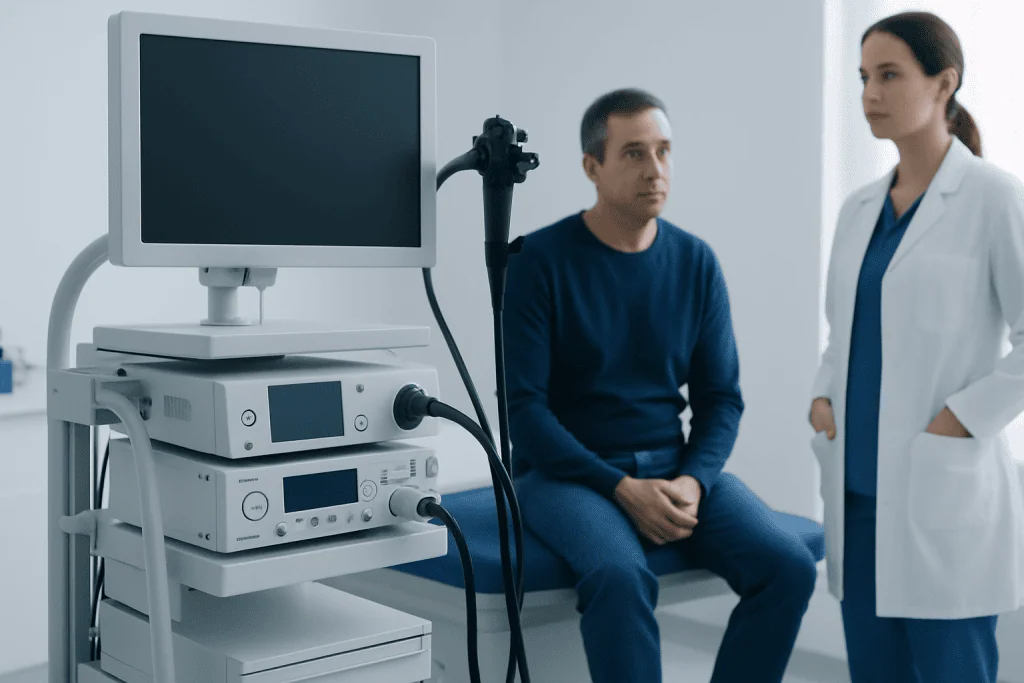
The sensation that stool is stuck may happen on its own, but it often appears with other bowel symptoms. Some people pass small amounts repeatedly, feel pressure in the rectum, or need to strain for a long time. Others notice hard, lumpy stool, abdominal fullness, or the need to return to the toilet soon after finishing.
Incomplete evacuation may also come with symptoms that point toward a specific cause. Bright red blood on toilet paper can occur with hemorrhoids or anal fissures. Mucus, urgency, or alternating diarrhea and constipation may suggest a bowel disorder such as irritable bowel syndrome. If there is significant pain during passage of stool, a structural or anal problem may also be involved.
Common accompanying symptoms include:
- Straining during bowel movements
- Hard or dry stools
- A sense of rectal blockage or pressure
- Bloating or abdominal discomfort
- Needing to use a finger or change position to help stool pass
- Feeling unsatisfied after a bowel movement
Keeping track of stool form, frequency, and associated symptoms can be very useful. A simple record helps a clinician understand whether the main issue is slow movement through the colon, outlet difficulty at the rectum, or a condition affecting the digestive tract more broadly.
What can cause the whole poop not to come out?

Constipation is the leading cause. This may develop when a person does not drink enough fluids, eats too little fiber, delays going to the toilet, becomes less active, or experiences travel, stress, or changes in schedule. Hard stool sits in the rectum and is more difficult to pass, making the bowel movement feel incomplete.
Another important cause is pelvic floor dysfunction, sometimes called dyssynergic defecation. In this condition, the muscles that should relax to let stool pass instead tighten or do not coordinate properly. Even if stool reaches the rectum, the outlet does not open efficiently. People may strain a lot yet still feel blocked. Structural problems such as rectocele, rectal prolapse, or narrowing of the anal canal can also interfere with normal emptying.
Medicines are a frequent contributor. Opioid pain medicines, iron supplements, some antacids, antidepressants, and certain blood pressure or neurologic medications may slow the bowel. Endocrine and neurologic conditions can matter too. Low thyroid function, diabetes-related nerve changes, Parkinsonian disorders, and reduced mobility may all impair normal bowel activity.
Less commonly, bowel obstruction, inflammatory disease, or colorectal growths can cause a new or worsening change in stool passage. This is one reason doctors pay close attention when symptoms begin suddenly, become progressively worse, or are accompanied by red-flag features such as weight loss, anemia, bleeding, or nighttime symptoms. If needed, a digestive specialist may assess for conditions such as colon cancer or other diseases affecting the large intestine.
How doctors evaluate this symptom
Diagnosis starts with a careful history. A doctor will ask how long the problem has been happening, how often bowel movements occur, whether stool is hard or narrow, and whether there is pain, blood, bloating, medication use, or recent changes in diet and activity. They may also ask about childbirth history, pelvic surgery, thyroid disease, neurologic symptoms, and stress, because these can affect bowel function.
A physical examination may include an abdominal exam and, when appropriate, a gentle rectal exam. This can help identify hard stool in the rectum, hemorrhoids, fissures, masses, weak pushing, or pelvic floor muscle discoordination. In many cases, these first steps are enough to guide treatment.
If symptoms are persistent or concerning, further testing may be advised. Blood tests can look for contributing medical conditions. Imaging or endoscopy may be used if there is bleeding, unexplained weight loss, anemia, older age with new symptoms, or a family history that raises concern. A doctor may recommend colonoscopy to examine the colon directly when indicated.
For patients whose main problem seems to be outlet dysfunction rather than slow transit constipation, specialized tests may be useful. These can include anorectal manometry, balloon expulsion testing, or imaging studies of defecation. Such tests help clarify whether the pelvic floor muscles are coordinating normally and whether targeted therapy is likely to help.
Treatment options and practical relief strategies
Treatment depends on the cause, but many people improve with a combination of lifestyle steps and medical guidance. A gradual increase in dietary fiber, adequate daily fluids, regular movement, and a consistent toilet routine are often the first measures. Some people benefit from responding to the urge to defecate promptly rather than delaying it, and from allowing enough unhurried time on the toilet after meals, when the colon is naturally more active.
Body position can also help. Placing the feet on a small stool to bring the knees slightly above the hips may make evacuation easier for some people. Relaxed breathing and avoiding prolonged straining are important, because repeated straining can worsen hemorrhoids and pelvic floor tension.
When lifestyle steps are not enough, a doctor may recommend stool softeners, osmotic laxatives, or other medicines suited to the person’s symptoms and health history. If there is significant stool buildup, the first goal may be clearing retained stool safely before starting a long-term prevention plan. When hemorrhoids contribute to pain, swelling, or a sensation of blockage, evaluation for hemorrhoids may be helpful.
If pelvic floor dysfunction is the main issue, the most effective treatment is often pelvic floor physical therapy with biofeedback. This teaches the muscles to relax and coordinate correctly during defecation. Some patients also need specialist care in gastroenterology or colorectal surgery. In selected cases with structural problems or severe complications, procedures may be considered, and hospitals with digestive specialists may use advanced diagnostic or therapeutic approaches such as endoscopy when clinically appropriate.
Prevention and self-care at home
Preventing incomplete bowel movements usually means supporting regular, softer stool and reducing strain. A balanced eating pattern with fruits, vegetables, legumes, whole grains, and other fiber-containing foods can help, but fiber should be increased gradually to avoid extra gas and bloating. Sufficient hydration is just as important, because fiber without enough fluid may not work well.
Routine matters. Many people benefit from trying to use the toilet at the same time each day, especially after breakfast or another meal. Physical activity, even simple daily walking, encourages bowel motility. It is also wise to review medicines with a doctor or pharmacist if bowel changes began after starting a new prescription or supplement.
Helpful self-care habits include:
- Drinking enough fluids unless medically restricted
- Eating fiber regularly and increasing it slowly
- Staying physically active most days
- Not ignoring the urge to have a bowel movement
- Avoiding excessive straining or sitting on the toilet for long periods
- Discussing constipation-causing medications with a clinician
If symptoms keep returning despite these steps, self-treatment alone may not be enough. A personalized plan can identify whether the problem is diet-related, medicine-related, pelvic floor-related, or due to another digestive condition. Near the end of the care pathway, some international patients choose centers such as Acibadem International, where multidisciplinary specialists in JCI-accredited hospitals evaluate and treat digestive and colorectal concerns.
When to seek medical care
Occasional difficulty passing stool is common, but ongoing or severe symptoms should be assessed by a healthcare professional. Medical review is especially important if the sensation that stool will not come out lasts more than a few weeks, keeps recurring, or starts suddenly without an obvious reason. A doctor should also review symptoms if there is a major change in bowel habit, especially in an older adult.
Prompt care is needed for warning signs such as severe abdominal pain, vomiting, abdominal swelling, fever, black stool, rectal bleeding, unexplained weight loss, faintness, or inability to pass stool and gas. These symptoms may signal fecal impaction, bowel obstruction, significant bleeding, or another condition that should not be managed at home.
People with chronic illnesses, pregnancy, recent surgery, neurologic disorders, or regular use of medicines that slow the bowel may need earlier medical advice. A clinician can help prevent complications and choose the safest treatment approach.
Frequently asked questions
Is it normal to feel like some poop is still left after going?
This can happen occasionally, especially with dehydration, travel, stress, or a temporary change in diet. If it happens often, it may point to constipation, pelvic floor dysfunction, hemorrhoids, or another bowel issue that deserves medical assessment.
Does the feeling that the whole poop won't come out always mean constipation?
No. Constipation is common, but not the only cause. Some people have normal stool frequency yet still struggle because the pelvic floor muscles do not relax properly or because there is irritation or a structural problem near the rectum or anus.
What can a person do at home to help stool come out more easily?
General self-care may include drinking enough fluids, gradually increasing fiber, staying active, and using the toilet when the urge appears rather than delaying. A more supportive toilet position, such as placing the feet on a small stool, may also help reduce straining.
When is this symptom an emergency?
Urgent medical care is needed if there is severe abdominal pain, vomiting, a swollen abdomen, inability to pass stool and gas, heavy rectal bleeding, black stool, or faintness. These signs can suggest blockage, impaction, or bleeding and should not be managed only with home remedies.
Can hemorrhoids make it feel like stool is stuck?
Yes. Hemorrhoids can cause swelling, discomfort, and a sensation of pressure around the anus or rectum. They do not always block stool directly, but they can make bowel movements painful and contribute to the feeling of incomplete emptying.
What tests might a doctor order for incomplete bowel movements?
Testing depends on the person's age, symptoms, and medical history. A doctor may start with an examination and basic blood tests, and in some cases may recommend colonoscopy or specialized tests that evaluate how the rectum and pelvic floor work during defecation.
References
- National Institute of Diabetes and Digestive and Kidney Diseases
- American College of Gastroenterology
- National Health Service
- Mayo Clinic
- Cleveland Clinic
This article is for general information only and is not a substitute for professional medical advice. Please consult a qualified doctor about your individual situation.
Medical weight-loss options in Turkey — costs & eligibility
JCI-accredited · board-certified surgeons · reply within 24h
Add us as a Preferred Source to see more of our trusted health content across Google Search, AI Overviews and Discover.
Check your numbers in seconds
BMI, calories, due date, blood pressure and 30+ more clinical calculators — free, instant, doctor-reviewed ranges.

More from the Health Library



Related Specialists

Dr. Atilay Büker
Radiology
Dr. Melisa Ulufi
Inpatient Clinic Physicians Clinical Service
Prof. Dr. Özlem Dicle
Dermatology
Dt. Barış Konuk
Oral Dental & Maxillofacial Surgery