Thyroid Cancer After Surgery: Radioactive Iodine, Follow-Up Tests, and Long-Term Monitoring

Not every person needs radioactive iodine after thyroid cancer surgery; the decision depends on cancer type, stage, and recurrence risk. Long-term follow-up commonly includes thyroglobulin blood tests, thyroid hormone monitoring, neck ultrasound, and clinical exams.
Key Takeaways
- Not every person needs radioactive iodine after thyroid cancer surgery; the decision depends on cancer type, stage, and recurrence risk.
- Long-term follow-up commonly includes thyroglobulin blood tests, thyroid hormone monitoring, neck ultrasound, and clinical exams.
- Thyroid hormone replacement is an important part of care after thyroidectomy and may also help lower the risk of recurrence in some patients.
- Most follow-up plans become less intensive over time if results remain reassuring, but ongoing monitoring is still important.
- Patients should contact their doctor if they develop a new neck lump, voice changes, trouble swallowing, or symptoms suggesting hormone imbalance.
Thyroid cancer after surgery usually requires structured follow-up to confirm that treatment has worked and to watch for signs of recurrence. Care may include radioactive iodine in selected cases, blood tests, imaging, and long-term monitoring tailored to the individual risk level.
Overview: What Happens After Thyroid Cancer Surgery?
After surgery for thyroid cancer, treatment does not always end in the operating room. The next steps depend on the type of thyroid cancer, the extent of surgery, the pathology report, and whether there are signs that cancer may remain or return. Many people do very well after surgery, but regular follow-up helps the care team confirm recovery and plan any additional treatment if needed.
The most common surgery is thyroidectomy, which removes all or part of the thyroid gland. After this operation, doctors review the final pathology findings, including tumor size, whether lymph nodes were involved, and whether the cancer had features linked to a higher chance of recurrence. These details guide decisions about surveillance, thyroid hormone treatment, and whether radioactive iodine is likely to be helpful.
For many patients, the main goals after surgery are to replace thyroid hormone, monitor for recurrence, and support long-term health. In selected cases, doctors may recommend radioactive iodine therapy to treat remaining thyroid tissue or microscopic cancer cells. Some patients only need careful observation and routine testing.
Radioactive Iodine: Who May Need It and Why
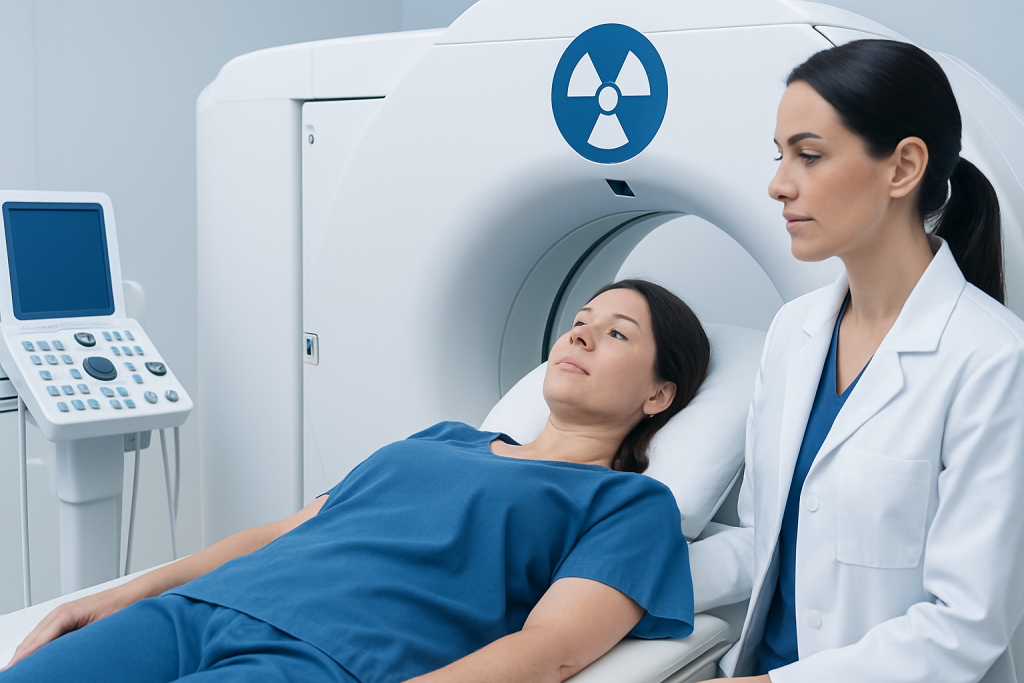
Radioactive iodine, often called RAI, is used mainly for certain differentiated thyroid cancers, especially papillary and follicular thyroid cancers. It works because thyroid cells naturally absorb iodine. When radioactive iodine is given, it can destroy leftover thyroid tissue and, in some situations, treat thyroid cancer cells that surgery could not remove. It is not routinely used for every patient.
Doctors are more likely to consider RAI when the cancer is larger, has spread to lymph nodes or outside the thyroid, shows higher-risk features on pathology, or appears to remain after surgery. In lower-risk cases, the possible benefit may be small, so careful follow-up without RAI may be preferred. Medullary and anaplastic thyroid cancers generally do not respond to radioactive iodine in the same way, so different treatment strategies are used.
Before treatment, patients may need preparation to raise thyroid-stimulating hormone levels so the radioactive iodine is more effective. This can be done by temporarily changing thyroid hormone treatment or using a recombinant TSH injection, depending on the plan. Some centers also advise a short low-iodine diet before therapy. The care team explains radiation safety precautions after treatment, such as temporary limits on close contact, especially with children and pregnant people.
RAI is usually well tolerated, but side effects can occur. These may include temporary neck discomfort, dry mouth, altered taste, nausea, or swelling of the salivary glands. Most side effects are manageable, and the treating team provides practical guidance on hydration, oral care, and follow-up after treatment.
Follow-Up Tests After Surgery

Follow-up testing is designed to detect any remaining thyroid tissue, identify possible recurrence early, and make sure thyroid hormone levels stay in a healthy range. The exact schedule varies from person to person, but most plans include blood tests, neck ultrasound, and regular clinical review. Doctors adjust the intensity of monitoring based on risk level and how the patient responds over time.
A key blood test after treatment for differentiated thyroid cancer is thyroglobulin. Thyroglobulin is a protein made by thyroid tissue, so after total thyroidectomy, and especially after radioactive iodine when used, low or undetectable levels are usually reassuring. Doctors often measure thyroglobulin together with thyroglobulin antibodies, because antibodies can interfere with the result and make interpretation more difficult.
Another important test checks thyroid-stimulating hormone, or TSH. After surgery, most patients need lifelong thyroid hormone replacement if the whole gland was removed. In some patients, doctors also aim to keep TSH slightly lower than usual because TSH can stimulate thyroid cells. The target level depends on recurrence risk, age, heart health, bone health, and the overall treatment plan.
Neck ultrasound is one of the most useful imaging tests in long-term surveillance. It can help detect small abnormalities in the thyroid bed or nearby lymph nodes, sometimes before symptoms develop. In selected cases, additional imaging may be needed, such as diagnostic whole-body scanning, CT, MRI, or PET scanning, particularly if blood tests or symptoms suggest recurrent disease.
Long-Term Monitoring and Risk-Based Care
Long-term monitoring is an important part of care because thyroid cancer can sometimes recur years after initial treatment. At the same time, many patients remain disease-free and can move to less frequent follow-up after a period of stable, reassuring results. The best plan is individualized and usually evolves over time.
Doctors often use a risk-based approach. Patients with small cancers confined to the thyroid and excellent test results may need fewer visits as time passes. Those with lymph node involvement, more aggressive tumor features, or persistent abnormal thyroglobulin levels may need closer observation. Dynamic follow-up is common, meaning the care plan is updated according to test results rather than relying only on the original diagnosis.
Monitoring also includes attention to overall health, not only recurrence. Thyroid hormone replacement should be reviewed regularly because both under-treatment and over-treatment can cause symptoms. If TSH suppression is used for a long period, the doctor may monitor for effects on the heart and bones, especially in older adults or people with other risk factors.
For patients whose disease requires more complex care, follow-up may involve specialists in endocrinology, nuclear medicine, pathology, radiology, and oncology. Multidisciplinary care can be especially helpful for recurrent disease, unusual pathology, or advanced cases such as thyroid cancer that no longer responds to standard treatment approaches.
Recovery, Thyroid Hormone Treatment, and Daily Life
Recovery after thyroid surgery includes healing from the operation itself as well as adjusting to hormone treatment. Many patients feel tired for a period after surgery, and the voice may be temporarily different, especially if the throat is irritated from the procedure. Most people gradually return to usual activities, but the pace varies.
If the entire thyroid has been removed, thyroid hormone tablets are needed to replace what the body can no longer produce. It can take time to find the right dose. Symptoms such as fatigue, feeling cold, constipation, palpitations, anxiety, or sleep changes may suggest that the hormone level needs adjustment, although these symptoms can also have other causes. Follow-up blood tests help guide dose changes safely.
Some patients also have temporary or less commonly persistent low calcium levels after surgery if the parathyroid glands were affected. This may cause tingling, muscle cramps, or numbness and should be reported to the doctor. The team may recommend calcium and vitamin D monitoring and treatment when appropriate.
Daily life after treatment often returns to normal, but some people benefit from extra support. Keeping follow-up appointments, taking medication consistently, and sharing new symptoms early can make long-term care smoother. If surgery was part of broader cancer treatment, additional options such as thyroid cancer treatment planning may be discussed when follow-up findings change.
Prevention of Recurrence and Self-Care
There is no guaranteed way to prevent thyroid cancer from returning, but good follow-up habits can support early detection and overall well-being. Taking thyroid hormone exactly as prescribed is one of the most important steps. Patients should not change or stop medication without medical advice, even if they feel well.
General self-care also matters. A balanced diet, regular physical activity, adequate sleep, and not smoking can support recovery and long-term health. If radioactive iodine has been part of treatment, the care team will explain any short-term dietary or safety instructions. Outside of these periods, no special diet is usually required unless advised by the doctor.
It can also help to keep a personal health record with surgery details, pathology findings, medicines, and test results. This is especially useful for people who travel or receive care in more than one center. Some patients feel anxious before follow-up scans or blood tests; discussing these concerns openly may help, and support from counseling or patient groups can be valuable.
Near the later stages of follow-up planning, some international patients seek coordinated specialist care. Acibadem International’s multidisciplinary specialists and JCI-accredited hospitals diagnose and treat thyroid conditions for international patients, including evaluation with thyroid ultrasound when imaging follow-up is needed.
When to See a Doctor During Follow-Up
Patients should seek medical advice if they notice a new lump in the neck, persistent swelling, voice changes that do not improve, trouble swallowing, or breathing difficulty. These symptoms do not always mean recurrence, but they should be assessed promptly. New bone pain, persistent cough, or unexplained weight loss also deserve medical attention.
It is also important to contact the care team if symptoms suggest thyroid hormone imbalance. Feeling unusually tired, depressed, cold, constipated, or mentally slowed may point to low thyroid hormone levels, while palpitations, tremor, heat intolerance, anxiety, or sleep problems may suggest too much hormone replacement. Blood tests can help clarify the cause.
People who recently had radioactive iodine should follow the instructions they were given and ask questions if anything is unclear. Medical advice is also needed for troublesome dry mouth, salivary swelling, severe nausea, or other side effects that do not settle. If pregnancy is being planned, this should be discussed with the treating doctor because timing matters after certain treatments.
Regular appointments remain important even when a person feels completely well. Many recurrences, if they happen, are first detected on routine testing rather than from symptoms. Continued follow-up allows treatment decisions to be made early and thoughtfully if any change appears.
Frequently asked questions
Does everyone need radioactive iodine after thyroid cancer surgery?
No. Radioactive iodine is recommended only for selected patients, usually based on the type of thyroid cancer, tumor size, lymph node involvement, and other pathology findings. Many people with low-risk disease are safely followed without it.
What blood tests are usually done after thyroidectomy for thyroid cancer?
Doctors commonly check thyroglobulin, thyroglobulin antibodies, and thyroid-stimulating hormone. These tests help show whether thyroid tissue may remain and whether thyroid hormone replacement is in the right range.
How long does thyroid cancer follow-up continue?
Follow-up is usually long term and may continue for many years. The schedule often becomes less frequent if results remain reassuring, but ongoing monitoring is still important because recurrence can occasionally happen later.
Will thyroid hormone pills be needed for life?
If the whole thyroid gland has been removed, thyroid hormone replacement is usually lifelong. If only part of the thyroid was removed, some people still make enough hormone naturally, while others need medication depending on blood test results.
What symptoms should be reported between follow-up visits?
A new neck lump, persistent hoarseness, trouble swallowing, unexplained cough, or breathing difficulty should be reported. Symptoms of too little or too much thyroid hormone, such as fatigue, palpitations, tremor, or feeling unusually cold or hot, also deserve medical review.
Can thyroid cancer come back even after successful surgery?
Yes, recurrence is possible, which is why structured monitoring is recommended. However, many recurrences are found early through blood tests or ultrasound, and many patients continue to do well with appropriate follow-up and treatment.
References
- American Thyroid Association
- National Cancer Institute
- National Comprehensive Cancer Network
- European Society for Medical Oncology
- American Cancer Society
This article is for general information only and is not a substitute for professional medical advice. Please consult a qualified doctor about your individual situation.
Thyroid Cancer in Turkey — costs, top hospitals & a free quote
JCI-accredited · board-certified surgeons · reply within 24h
Add us as a Preferred Source to see more of our trusted health content across Google Search, AI Overviews and Discover.

More from the Health Library



Related Specialists

Prof. Dr. Faik Acar Koç
Perinatology & High Risk Pregnancies
Prof. Dr. Belgin Selam
Gynecology & Obstetrics
Fzt. Faika Nur Erkol
Treatment of Lymphedema
Dt. Ferah Kuybulu
Oral & Dental Health