Tilted Uterus: A Complete Clinical Guide for Patients

A tilted uterus usually means the uterus angles backward toward the spine instead of forward over the bladder. Many people with a tilted uterus have no symptoms and only learn about it during a pelvic exam or ultrasound.
Key Takeaways
- A tilted uterus usually means the uterus angles backward toward the spine instead of forward over the bladder.
- Many people with a tilted uterus have no symptoms and only learn about it during a pelvic exam or ultrasound.
- Symptoms, when present, may include pelvic pain, pressure, painful intercourse, or menstrual discomfort.
- A tilted uterus can be a normal variation, but it may also be linked to conditions such as endometriosis, fibroids, or pelvic adhesions.
- Diagnosis is typically straightforward with a pelvic exam and imaging when needed.
- Treatment depends on symptoms and the underlying cause, not simply on the uterine position itself.
A tilted uterus is a common anatomical variation in which the uterus leans backward rather than forward. It often causes no symptoms and usually does not affect fertility, but some people may experience pelvic discomfort, painful sex, or pressure-related symptoms that deserve medical evaluation.
Overview: what a tilted uterus means
A tilted uterus is a uterus that angles backward toward the lower back rather than forward toward the bladder. Doctors may also call this a retroverted uterus, tipped uterus, or tilted womb. In most cases, it is simply a normal variation in pelvic anatomy and not a disease.
Many patients worry that a tilted uterus is dangerous or unusual, but it is actually fairly common. Some people are born with this uterine position, while others develop it over time because of pregnancy, aging, scar tissue, or gynecologic conditions. The important point is that the angle of the uterus alone does not automatically mean there is a health problem.
What matters most is whether symptoms are present and whether another condition is contributing to the tilt. A patient-centered evaluation looks beyond the position itself and asks how the uterus moves, whether there is tenderness, and whether there are signs of related problems such as endometriosis or uterine fibroids.
How the uterus is positioned and why the angle can vary
The uterus sits in the pelvis between the bladder and the rectum. In many people, it bends slightly forward, but the exact angle can vary naturally from person to person. A backward tilt does not mean the uterus is malformed. It simply reflects a different orientation within the pelvis.
Several structures help support the uterus, including ligaments, pelvic floor muscles, and surrounding connective tissue. Changes in these supports can influence uterine position over time. For example, pregnancy can stretch pelvic tissues, and as the body heals after birth, the uterus may settle into a different angle than before.
A tilted uterus may also be temporary in some situations. Fullness in the bladder or bowel, pelvic inflammation, or scarring can alter how the uterus sits on examination. This is one reason doctors interpret uterine position together with symptoms, menstrual history, and imaging findings rather than relying on one isolated exam result.
Symptoms and how a tilted uterus may feel

Most people with a tilted uterus do not notice any symptoms at all. The finding is often discovered during a routine gynecologic exam, pregnancy care visit, or pelvic ultrasound done for another reason. When symptoms do happen, they tend to relate to pressure on nearby pelvic organs or to an underlying gynecologic condition.
Possible symptoms can include pelvic pressure, lower back discomfort, pain during sexual intercourse, and menstrual cramping that feels deeper or more intense. Some patients also describe trouble with tampon insertion, bladder pressure, urinary frequency, or a feeling of fullness in the pelvis. These symptoms are not specific to a tilted uterus, so they should be assessed carefully.
Symptoms that may overlap with a tilted uterus include:
- Pain during or after intercourse
- Pelvic pain or pressure
- Menstrual cramps
- Low back pain
- Urinary urgency or incomplete emptying
- Constipation or rectal pressure in some cases
If symptoms are persistent, severe, or worsening, the doctor will usually look for a broader explanation rather than assuming the uterine angle is the only cause. Conditions such as uterine fibroids or pelvic scarring may produce similar symptoms and may need targeted treatment.
Causes and risk factors
A tilted uterus can be present from birth as a normal anatomical variant. In these cases, no disease process is responsible, and no treatment may ever be needed. For many patients, the uterus has always been positioned this way.
In other cases, the uterus becomes retroverted later in life. This can happen after pregnancy, as pelvic support tissues stretch and change. Menopause may also play a role because connective tissues and pelvic support can weaken with age. Previous pelvic infections, surgery, or inflammatory conditions can lead to adhesions that pull the uterus backward.
Several gynecologic conditions are commonly considered when symptoms are present. Endometriosis can cause inflammation and adhesions. Fibroids may alter the shape or weight of the uterus. Adenomyosis, pelvic inflammatory disease, and scarring after surgery are other possible contributors. When pelvic organ support is weak, some patients may also have prolapse-related symptoms, which may require a separate pelvic floor assessment.
Risk factors and associated factors may include:
- Natural variation in anatomy
- Pregnancy and childbirth
- Pelvic surgery or prior infection
- Endometriosis or pelvic adhesions
- Fibroids or other uterine structural changes
- Age-related changes in pelvic support tissues
Diagnosis: how doctors confirm it and rule out related conditions
Diagnosis usually begins with a conversation about symptoms, menstrual patterns, urinary or bowel complaints, sexual pain, and reproductive history. A pelvic examination can often identify whether the uterus tilts backward. During the exam, the clinician also checks for tenderness, masses, restricted movement, or signs that another pelvic condition may be present.
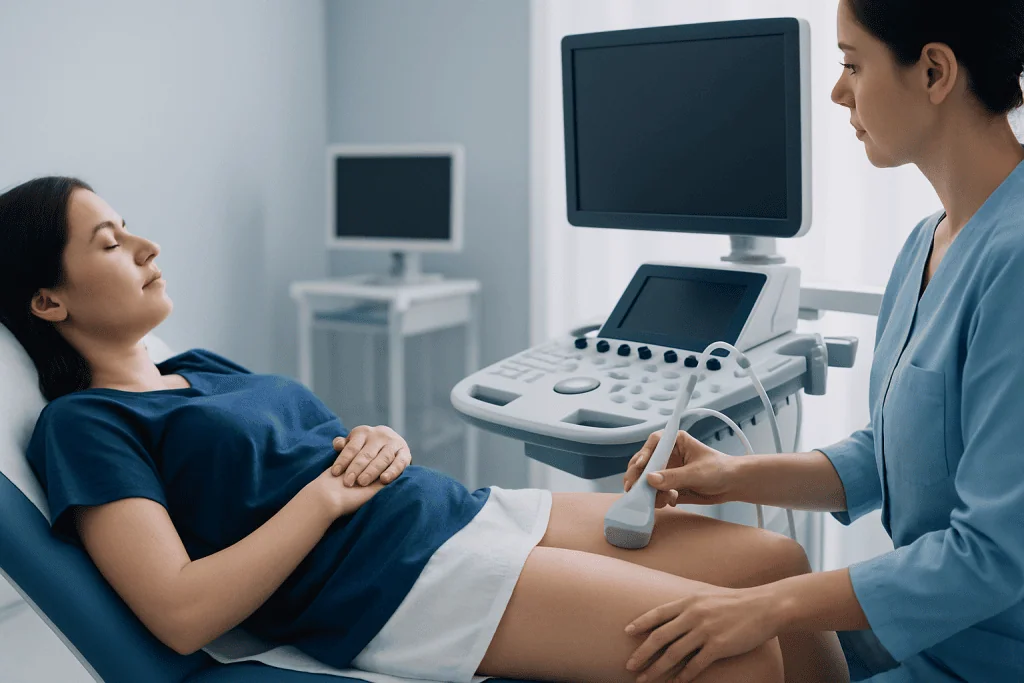
If symptoms are significant or the exam is unclear, pelvic ultrasound is commonly used to confirm uterine position and evaluate the ovaries, uterine lining, and any structural changes. Ultrasound can help identify fibroids, ovarian cysts, or other causes of pelvic pain. In selected cases, additional imaging such as MRI may be useful, especially when conditions like adenomyosis or deep endometriosis are suspected.
Further testing depends on the clinical picture. A doctor may recommend urine tests for bladder symptoms, pregnancy testing when appropriate, or referral to a gynecologist for more detailed evaluation. If infertility, chronic pain, or complex pelvic symptoms are involved, the workup may become more specialized and can include pelvic ultrasound and other targeted assessments.
Treatment options and when treatment is actually needed
Treatment is not needed for a tilted uterus that causes no symptoms. In asymptomatic patients, reassurance and routine gynecologic care are often all that is required. The focus of treatment is symptom relief and addressing any underlying condition rather than changing anatomy simply for its own sake.
If symptoms are mild, doctors may suggest observation, pain-relief strategies, pelvic floor support, or treatment aimed at associated conditions. For example, if endometriosis, fibroids, or pelvic inflammation is identified, treating that cause may reduce pain and improve comfort. In some patients, pelvic floor physical therapy may help if muscle tension or support problems contribute to symptoms.
When a structural problem is causing persistent symptoms, treatment may involve more specific gynecologic care. Depending on the diagnosis, a doctor may discuss options such as hormonal management, minimally invasive procedures, or surgery. Patients with infertility concerns or significant pelvic disease may benefit from review by specialists in fertility treatment or laparoscopy when clinically appropriate.
In selected cases, surgery to reposition the uterus may be considered, but this is uncommon and typically reserved for carefully chosen patients with ongoing symptoms linked clearly to uterine position or associated pelvic pathology. A multidisciplinary gynecology team can help weigh benefits, risks, and whether another explanation better accounts for the symptoms.
Fertility, pregnancy, and sexual health concerns
Many patients ask whether a tilted uterus affects fertility. In most cases, the answer is no. A retroverted uterus by itself usually does not prevent conception. If there is difficulty becoming pregnant, doctors are more likely to investigate associated conditions such as endometriosis, adhesions, ovulation problems, or tubal issues.
During pregnancy, a tilted uterus usually rises out of the pelvis as the uterus grows. Most pregnancies progress normally. Rarely, early pregnancy may bring more pressure or urinary symptoms if the uterus remains deeply tilted for a time, but this is something a doctor can monitor. Patients should not assume that a tilted uterus means a high-risk pregnancy.
A tilted uterus can sometimes be linked with pain during intercourse, especially with deeper penetration. This symptom may improve by identifying triggers, trying different positions, or treating an underlying pelvic condition. Open discussion with a gynecologist is helpful because sexual pain is common, treatable, and not something a patient should feel embarrassed to mention.
Self-care, when to seek medical care, and specialist support
Self-care starts with understanding that a tilted uterus is often harmless. Keeping a symptom diary can help patients notice patterns related to menstruation, bladder function, bowel habits, or intercourse. Gentle exercise, good bowel habits, and following a doctor’s advice for pelvic pain or menstrual symptoms may also support comfort, although self-care cannot change uterine position in a meaningful or reliable way.
Medical care should be sought if pelvic pain is persistent, periods suddenly become much more painful or heavy, intercourse is regularly painful, or bladder and bowel symptoms are new or bothersome. Prompt assessment is also important for infertility concerns, postmenopausal bleeding, fever, severe pain, or symptoms that interfere with daily life. These signs do not necessarily mean something serious, but they deserve a proper evaluation.
When needed, care may involve gynecologists, imaging specialists, pelvic floor therapists, and fertility experts. Acibadem International’s multidisciplinary specialists in JCI-accredited hospitals diagnose and treat pelvic conditions for international patients, including evaluation with gynecology check-up when symptoms suggest a deeper cause behind a tilted uterus.
The most reassuring takeaway is that treatment decisions should be based on the whole clinical picture. A tilted uterus alone is often simply a variation of normal anatomy, while persistent symptoms are a reason to look more closely and find the right explanation.
Frequently asked questions
Is a tilted uterus normal?
Yes. A tilted uterus is often a normal variation in anatomy rather than a disease. Many people have no symptoms and only learn about it during a routine pelvic exam or ultrasound.
Can a tilted uterus cause pain?
It can in some people, but not everyone. Pelvic pain, painful sex, menstrual discomfort, or low back pain may occur, especially if another condition such as endometriosis or fibroids is also present.
Does a tilted uterus affect fertility?
Usually, no. A tilted uterus by itself typically does not prevent pregnancy. If fertility problems are present, doctors usually look for other causes such as ovulation disorders, endometriosis, adhesions, or tubal factors.
Can a tilted uterus affect pregnancy?
Most pregnancies are completely normal with a tilted uterus. As pregnancy progresses, the uterus usually moves upward and changes position naturally. Any unusual pain, urinary difficulty, or bleeding in pregnancy should still be assessed by a doctor.
How is a tilted uterus diagnosed?
It is often diagnosed during a pelvic exam. If needed, a pelvic ultrasound can confirm the uterine position and help check for fibroids, cysts, or other pelvic conditions that may explain symptoms.
Does a tilted uterus need treatment?
Not if it causes no symptoms. Treatment is considered when symptoms are bothersome or when an underlying condition is found. In those situations, the goal is to treat the cause of symptoms rather than the uterine angle alone.
References
- American College of Obstetricians and Gynecologists
- National Health Service
- Merck Manual
- Mayo Clinic
- Office on Women's Health
This article is for general information only and is not a substitute for professional medical advice. Please consult a qualified doctor about your individual situation.
IVF & fertility treatment in Turkey — success rates and costs
JCI-accredited · board-certified surgeons · reply within 24h
Add us as a Preferred Source to see more of our trusted health content across Google Search, AI Overviews and Discover.