Toddler Tear Duct Surgery: When Is Probing Recommended?

Many blocked tear ducts in babies and toddlers improve on their own during the first year of life. Probing may be recommended when tearing and discharge continue, or when infections keep coming back.
Key Takeaways
- Many blocked tear ducts in babies and toddlers improve on their own during the first year of life.
- Probing may be recommended when tearing and discharge continue, or when infections keep coming back.
- The procedure is typically brief and is usually performed by a pediatric eye specialist.
- Diagnosis is based on symptoms and an eye examination to rule out other causes of watering.
- Parents should seek medical advice promptly if there is redness, swelling, fever, or eye pain.
Toddler tear duct surgery usually refers to tear duct probing, a short procedure used when a blocked tear duct does not improve with time or simple care. It is often recommended for persistent watering, discharge, or repeated infections, especially after infancy.
Overview: What toddler tear duct surgery means
Toddler tear duct surgery most often means a procedure called tear duct probing. This is used to treat a blocked tear duct, also known as nasolacrimal duct obstruction. In this condition, tears do not drain normally from the eye into the nose, so they collect on the eyelid or cheek and may be accompanied by sticky discharge.
Blocked tear ducts are common in infants and young children. In many cases, the duct opens naturally over time, which is why doctors often recommend observation and simple home care during the first months of life. When symptoms continue into the toddler years, however, spontaneous improvement becomes less likely, and a procedure may be discussed.
Probing involves gently passing a very thin instrument through the tear drainage pathway to open the blockage. It is usually considered a minor procedure, but the decision about timing depends on the child’s age, symptoms, frequency of infections, and examination findings. Evaluation by a specialist in pediatric ophthalmology can help determine whether probing is the most appropriate next step.
Symptoms of a blocked tear duct in toddlers
The most common sign of a blocked tear duct is persistent watering of one or both eyes. Parents may notice tears sitting in the eye even when the child is not crying, or a constant wetness on the cheek. Some children also have crusting on the eyelashes, especially after sleep.
Sticky or yellowish discharge can develop because tears are not draining properly. This does not always mean there is a serious infection, but the buildup of tears can make mild infections or inflammation more likely. Symptoms can sometimes look similar to conjunctivitis, so an eye examination is helpful when the cause is unclear.
Signs that suggest a blocked tear duct include:
- Constant tearing from one eye or both eyes
- Mucus or sticky discharge on the lashes
- Crusting after naps or overnight sleep
- Mild irritation of the skin around the eye from frequent wiping
- Repeated eye infections or inflammation around the tear sac
If the area near the inner corner of the eye becomes red, swollen, warm, or painful, this may indicate infection of the tear drainage system. That situation needs medical attention more quickly.
Causes and risk factors

Most blocked tear ducts in young children are congenital, meaning the drainage channel did not fully open at birth. Often, a thin membrane remains at the lower end of the duct near the nose. As the child grows, this membrane may open on its own, allowing the tears to drain normally.
Although the problem is often present from infancy, some children continue to have symptoms into the second year of life or beyond. Less commonly, narrowing of the drainage passages, inflammation, trauma, or structural differences in the nose or eyelids may contribute to blockage. These possibilities are more likely to be considered if symptoms are severe, affect both sides, or do not improve after treatment.
Doctors also consider other reasons for watery eyes. Eye surface irritation, eyelid problems, allergies, or less commonly certain eye conditions can cause similar symptoms. Because persistent tearing may have more than one cause, children may benefit from assessment in general ophthalmology or pediatric eye care to confirm the diagnosis.
When is probing recommended?
Probing is usually recommended when a blocked tear duct has not resolved after a period of watchful waiting and conservative care. In many babies, symptoms improve during the first 6 to 12 months of life. If tearing and discharge continue beyond that time, especially into the toddler years, doctors are more likely to discuss a procedure.
The exact timing varies. Some specialists recommend probing after the first birthday if symptoms are persistent, while others individualize the decision based on the child’s overall health, symptom severity, and the likelihood of spontaneous improvement. In a toddler, ongoing daily tearing, significant discharge, skin irritation, or repeated infections are common reasons to move from observation to treatment.
Probing may be more strongly considered if:
- Symptoms have lasted beyond infancy
- There are repeated episodes of infection or inflammation
- The child needs frequent antibiotic drops for recurrent discharge
- Tearing interferes with comfort or daily care
- The diagnosis of blocked tear duct is clear on specialist examination
In some children, probing is the first procedure recommended. In others, if the blockage is complex or if previous probing did not work, additional treatments such as tube placement or other drainage procedures may be discussed. These decisions are made case by case.
How doctors diagnose the problem
Diagnosis usually begins with a medical history and a careful eye examination. The doctor asks when the tearing started, whether one eye or both eyes are involved, how often discharge occurs, and whether the child has had redness, swelling, or fever. The pattern of symptoms can give useful clues.
During the examination, the doctor looks at the eyelids, lashes, tear meniscus, and the area near the inner corner of the eye. The surface of the eye is checked to rule out irritation or injury. The doctor may gently press over the tear sac to see whether mucus refluxes through the puncta, the small openings in the eyelids where tears normally drain.
Sometimes a dye disappearance test is used. A small amount of harmless dye is placed in the eye, and the doctor watches to see whether it drains normally. This helps support the diagnosis of tear duct blockage. The goal is not only to confirm the blockage but also to rule out other causes of watery eyes, such as eyelid abnormalities or uncommon corneal problems.
If the child has frequent infections, unusual anatomy, or symptoms that do not fit the typical pattern, the specialist may recommend further evaluation. This is not needed for every child, but it can help guide treatment when the situation is more complex.
Treatment options and what probing involves
Before surgery is considered, doctors often recommend simple supportive care. This may include cleaning away discharge and performing a gentle tear duct massage technique, if advised by the doctor. Short courses of antibiotic eye drops may be used when there is significant discharge or infection, but they do not open the blockage itself.
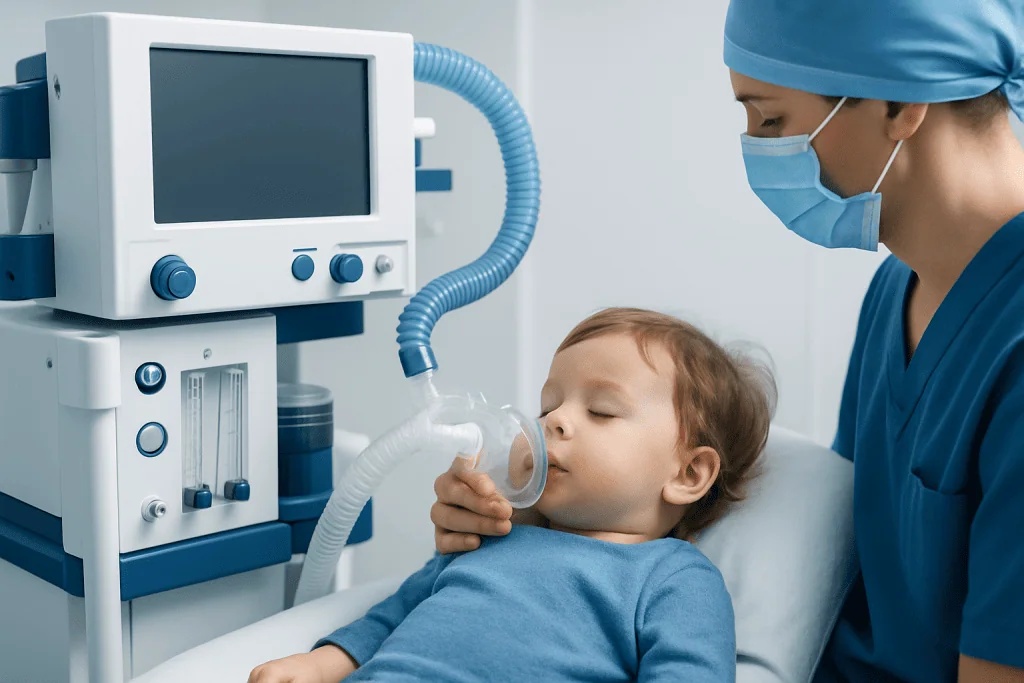
When probing is recommended, it is typically performed as a brief procedure. In toddlers, it is commonly done with anesthesia or sedation appropriate for the child’s age and safety, so the child stays still and comfortable. A fine instrument is passed through the natural tear drainage openings and down the duct to open the blockage. In some cases, the doctor may also irrigate the duct with fluid to confirm that it is open.
If a simple probing is not enough, other options may be considered. These can include balloon dilation or placement of a small temporary silicone tube to keep the passage open while it heals. In children with more complicated anatomy or persistent obstruction, treatment planning may involve specialists in oculoplastic surgery.
Success rates are often good, especially when the blockage is uncomplicated, but no single procedure is right for every child. Parents should ask what the likely benefits are, whether more than one treatment might be needed, and what follow-up will involve.
Recovery, prevention, and self-care
After probing, most children recover quickly. Mild tearing, a small amount of blood-tinged discharge, or temporary irritation can happen for a short time after the procedure. Parents are usually given instructions on eye drops if needed, cleaning the eyelids gently, and watching for signs of infection or persistent symptoms.
There is no guaranteed way to prevent a congenital blocked tear duct, because it usually results from the drainage system not opening fully before birth. However, good eyelid hygiene can help reduce crusting and irritation while the problem is being monitored. Wiping from the inner corner outward with clean cotton or gauze and warm water may make the child more comfortable.
When massage is recommended, it should be done exactly as the doctor demonstrates. Too much pressure or the wrong technique may irritate the area. Home care supports comfort, but it should not replace medical review if symptoms are ongoing.
Near the end of the care journey, some families prefer evaluation at a center that offers coordinated pediatric eye services. Acibadem International’s multidisciplinary specialists in JCI-accredited hospitals diagnose and treat eye conditions in international patients, including tear drainage problems in children.
When to see a doctor
Parents should arrange a medical evaluation if a toddler has persistent tearing, recurrent sticky discharge, or frequent eye crusting. Although a blocked tear duct is often manageable, watery eyes can have other causes, and it is important to confirm the diagnosis before deciding on treatment.
More urgent medical attention is needed if the child develops redness and swelling near the inner corner of the eye, fever, marked pain, sensitivity to light, or seems generally unwell. These features may suggest an infection that needs prompt treatment. If the eye itself is very red or the child struggles to open it, a doctor should assess the situation without delay.
Parents should also return for review if symptoms continue after probing or if they come back after an initial improvement. Follow-up helps ensure that the duct is draining properly and that another eye problem is not being missed.
Frequently asked questions
At what age is tear duct probing usually done?
Timing depends on the child's symptoms and the specialist's assessment. Many doctors consider probing when a blocked tear duct has not resolved by around 12 months of age or when symptoms persist into the toddler years. Recurrent infections or significant discharge may lead to earlier treatment.
Can a blocked tear duct in a toddler still clear without surgery?
Yes, some cases can still improve on their own, especially if symptoms are mild. However, spontaneous resolution becomes less likely as the child gets older. A doctor can help decide whether continued observation or probing is the better option.
Is tear duct probing painful for toddlers?
The procedure is usually done with anesthesia or sedation appropriate for the child's age, so the child is kept comfortable and still. Mild irritation or discharge afterward can happen, but it is generally short-lived. Parents should follow the aftercare instructions given by the treating team.
How long does recovery take after probing?
Most children recover quickly and return to normal activities soon after the procedure. Some temporary tearing, mild swelling, or a small amount of discharge may occur for a short time. The doctor will advise when follow-up is needed and what signs to watch for.
What if probing does not work the first time?
If symptoms continue, the specialist may reassess the diagnosis and consider whether the blockage is more complex. A repeat probing, balloon dilation, or temporary tube placement may be recommended in some children. The next step depends on the child's age, anatomy, and symptoms.
How can parents tell the difference between a blocked tear duct and an eye infection?
A blocked tear duct often causes ongoing watering and sticky discharge but may not make the white of the eye very red. An infection may cause more redness, swelling, discomfort, or fever, especially if the area near the inner corner of the eye is affected. Because symptoms can overlap, a doctor should examine the child if there is any uncertainty.
This article is for general information only and is not a substitute for professional medical advice. Please consult a qualified doctor about your individual situation.
Explore treatments in Turkey — costs, top hospitals & a free quote
JCI-accredited · board-certified surgeons · reply within 24h
Add us as a Preferred Source to see more of our trusted health content across Google Search, AI Overviews and Discover.

Related Treatments
More from the Health Library

Lazy Eye Treatment in Adults: Can Amblyopia Still Improve?

What Is an Eye Exam? Tests, Results, and When You Need One

Secondary Cataract After Surgery: Why Vision Gets Cloudy Again

Cataracts: Cloudy Vision, Lens Surgery, and Recovery Expectations

Tonometry Test for Measuring Eye Pressure