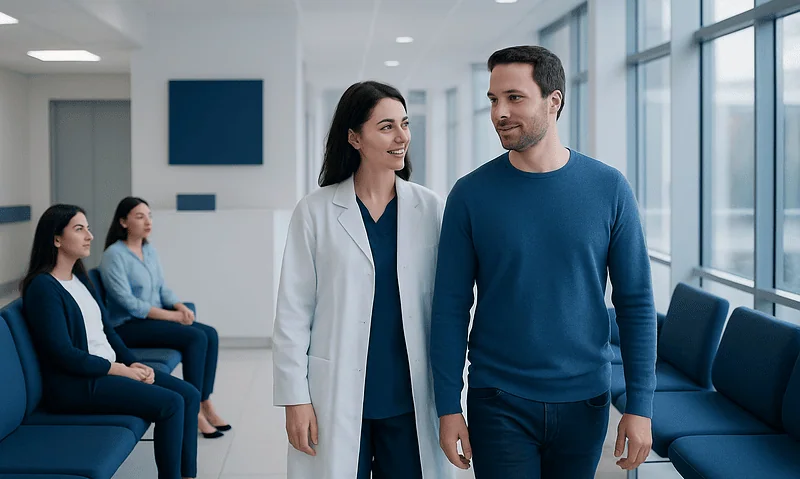
Tonometry Test for Measuring Eye Pressure
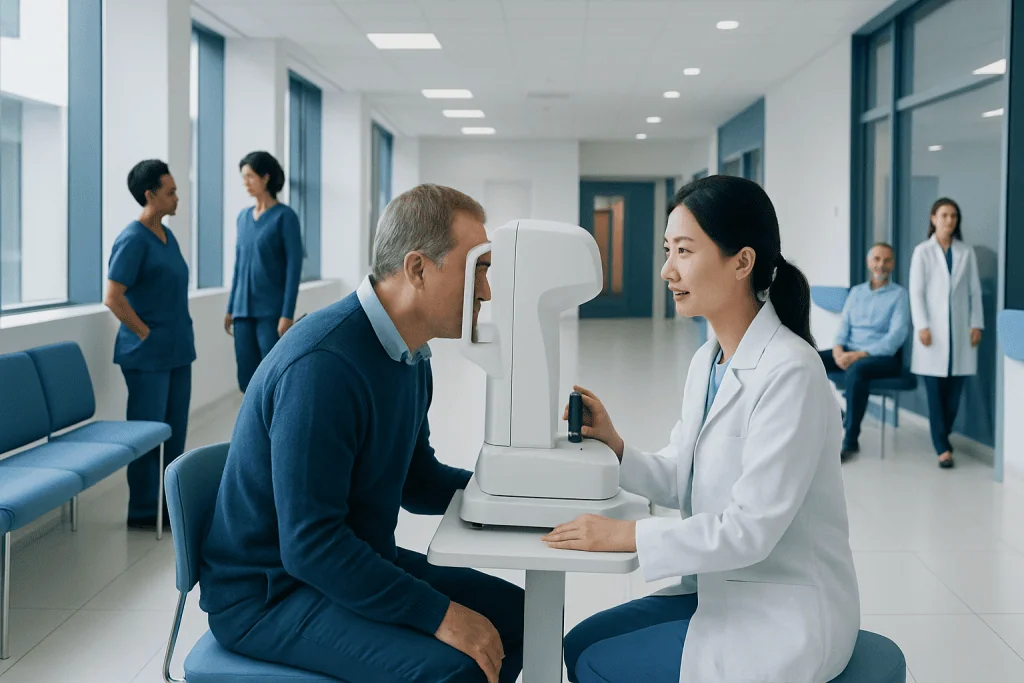
Tonometry measures intraocular pressure, often called eye pressure. It is an important part of glaucoma screening, diagnosis and follow-up.
Key Takeaways
- Tonometry measures intraocular pressure, often called eye pressure.
- It is an important part of glaucoma screening, diagnosis and follow-up.
- Several methods are available, including air-puff, contact and handheld tonometry.
- The test is usually brief, safe and causes little to no discomfort.
- A higher or lower reading does not diagnose an eye disease by itself.
A tonometry test is a quick eye examination that measures intraocular pressure, or the pressure inside the eye. It is commonly used to help identify and monitor glaucoma, although results are interpreted alongside a complete eye assessment.
What Is a Tonometry Test?
A tonometry test measures the pressure inside the eye, known medically as intraocular pressure (IOP). The eye continuously produces and drains a clear fluid called aqueous humor. When this fluid does not drain as it should, pressure can increase and may place stress on the optic nerve, which carries visual information from the eye to the brain.
Tonometry is most often performed during a routine eye examination or when an ophthalmologist is assessing a person for glaucoma. Glaucoma is a group of conditions that can damage the optic nerve and gradually affect vision, sometimes without early symptoms. Measuring eye pressure is useful because raised IOP is an important risk factor, but it is not the only factor involved.
The test may also be used to monitor people already diagnosed with glaucoma, those using certain steroid medicines, and individuals with a family history of glaucoma. It is a diagnostic measurement rather than a treatment, and it is usually completed within minutes.
Why Eye Pressure Is Measured
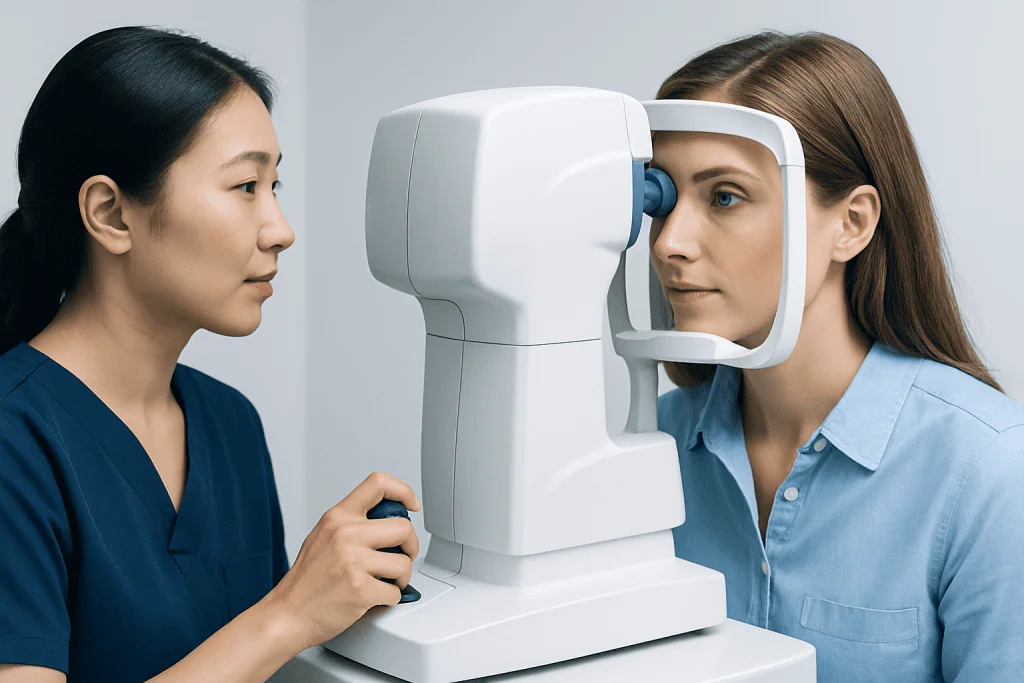
Eye pressure is measured because unusually high pressure can increase the likelihood of optic nerve damage. Many people with elevated IOP feel entirely well, which is why regular eye examinations are important. Detecting risk early gives an eye specialist the opportunity to monitor changes and recommend appropriate care when needed.
A normal pressure reading does not completely rule out glaucoma. Some people develop glaucoma despite pressures within the usual range, a situation often called normal-tension glaucoma. Conversely, some people have elevated readings without detectable optic nerve damage; this may be described as ocular hypertension.
For this reason, tonometry is interpreted together with the appearance of the optic nerve, visual field testing, corneal thickness measurement and imaging of the nerve fiber layer when appropriate. An ophthalmologist considers the whole clinical picture rather than relying on one result alone.
Types of Tonometry
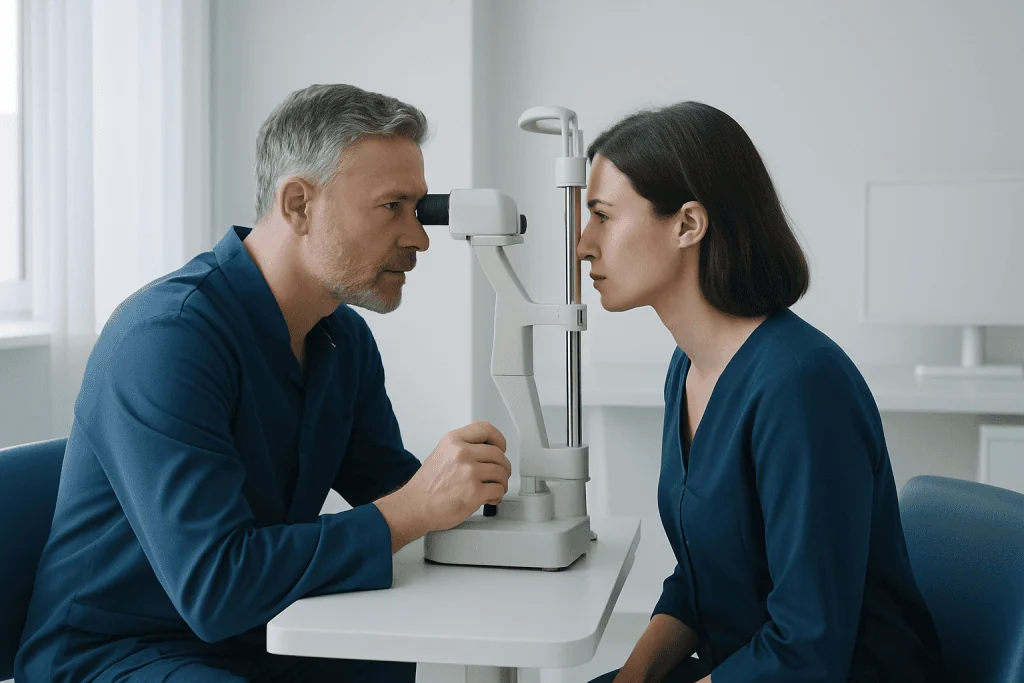
Several techniques can measure intraocular pressure. The method selected may depend on the setting, the person’s eye health, age, comfort needs and whether repeated measurements are required. All methods aim to provide reliable information for the eye care team.
Non-contact tonometry, often called the air-puff test, uses a brief puff of air to gently flatten a small area of the cornea, the clear front surface of the eye. It does not touch the eye and generally does not require anesthetic drops. It can be useful as a screening measurement, although an unexpected result may be checked using another method.
Goldmann applanation tonometry is widely used in eye clinics and is often considered a reference method. After anesthetic eye drops are applied, a small instrument lightly touches the cornea while the person sits at a slit-lamp microscope. The contact is brief and should not be painful.
Other options include handheld devices, which can be especially helpful for children or people who cannot easily sit at a slit lamp, and rebound tonometry, which briefly touches the cornea with a very small probe. Some devices can also be used to measure pressure at different times of day when clinically appropriate.
How to Prepare and What to Expect
Most people do not need special preparation for a tonometry test. It is helpful to tell the eye care professional about eye surgery, eye injuries, contact lens use, allergies to eye drops and all medicines being taken. Steroid-containing medicines, including some eye drops, inhalers, skin treatments and tablets, can affect eye pressure in some people.
For contact tonometry, the clinician may place numbing drops in the eyes. These can cause a brief cool or stinging sensation, followed by temporary numbness. A dye may also be used to help the clinician view the measurement. The person will usually be asked to rest their chin and forehead on supports, keep both eyes open and look straight ahead.
During non-contact testing, the person looks at a target in the instrument while a short puff of air is delivered. The sensation can be surprising but lasts only a moment. It is important not to squeeze the eyelids or hold the breath, as this can affect the measurement.
After the test, vision may be slightly blurred for a short time if drops or dye were used. The clinician will explain any individual instructions. People should avoid rubbing their eyes until the numbing effect has worn off.
Understanding Tonometry Results
Intraocular pressure is commonly recorded in millimeters of mercury (mmHg). Many healthy adults have readings within an approximate range of 10 to 21 mmHg, but a reading inside or outside this range is not enough on its own to confirm or exclude glaucoma.
Measurements can vary between eyes and throughout the day. They may also be influenced by the thickness and shape of the cornea. For example, a thicker cornea can sometimes lead to a reading that is higher than the actual pressure, while a thinner cornea may lead to an underestimated measurement. Corneal assessment therefore adds useful context.
If the result is higher than expected, the ophthalmologist may repeat the test, use a different technique, check the optic nerve, perform visual field testing or arrange follow-up measurements. Lower-than-usual pressure can occasionally occur after eye surgery, injury or inflammation and may also require assessment depending on the situation.
A result should be discussed with a qualified eye specialist who can explain what it means for that individual. Trends over time are often more informative than a single measurement, particularly for people being monitored for glaucoma.
Safety, Risks and Limitations
Tonometry is generally safe and is routinely performed in eye care settings. Air-puff and many handheld tests do not require contact with the eye. With contact methods, numbing drops make the test comfortable for most people, and the device is disinfected or uses a disposable tip according to infection-control procedures.
Temporary mild irritation, watering or a foreign-body sensation can occur after contact testing, although significant complications are uncommon. People should tell the clinician promptly if they develop persistent pain, marked redness, light sensitivity, discharge or reduced vision after an eye examination.
No tonometry method is perfect. Readings can be affected by corneal properties, eyelid squeezing, body position, recent exercise, eye inflammation and the time of day. The clinician may repeat a measurement when it seems inconsistent with other findings.
Tonometry does not replace a comprehensive eye examination. It is one component of evaluating glaucoma and other eye concerns, alongside careful review of symptoms, medical history and specialized eye tests when needed.
When to Arrange an Eye Examination
Adults should follow the eye examination schedule advised by their eye care professional. Regular assessments are particularly important for people with a family history of glaucoma, diabetes, significant short-sightedness, previous eye injury, long-term steroid use or older age. Glaucoma risk can be higher in certain populations, so personalized screening advice is valuable.
Prompt medical attention is important for sudden severe eye pain, a red eye, blurred vision, halos around lights, headache, nausea or vomiting. These symptoms can have different causes, but they may indicate an urgent eye problem that needs immediate evaluation.
People with diagnosed glaucoma should attend planned follow-up appointments even if their vision seems stable. Treatment and monitoring decisions are based on eye pressure and other changes over time. Acibadem International’s multidisciplinary specialists and JCI-accredited hospitals diagnose and treat eye conditions, including glaucoma, for international patients.
Anyone who is worried about their eye pressure or has received an unusual result can speak with an ophthalmologist. Early assessment is a practical step toward protecting long-term eye health.
Frequently asked questions
Does a tonometry test hurt?
A tonometry test is usually painless. Air-puff testing may feel surprising, while contact testing is generally comfortable because anesthetic eye drops numb the surface of the eye. Some people may notice brief mild irritation afterward.
What is a normal eye pressure reading?
Eye pressure is often considered to be within a typical range of about 10 to 21 mmHg. However, normal values vary between individuals, and glaucoma can occur at pressures within this range. An ophthalmologist interprets the result together with other eye findings.
Can tonometry diagnose glaucoma?
Tonometry alone cannot diagnose glaucoma. It identifies eye pressure that may increase risk, but the diagnosis also depends on optic nerve examination, visual field tests, imaging and other clinical information. Some people with glaucoma do not have high eye pressure.
Do contact lenses affect a tonometry test?
Contact lenses may need to be removed before certain tonometry methods, particularly tests involving direct contact with the cornea. The eye care team will provide instructions based on the device being used. It is useful to bring a lens case and glasses to the appointment if possible.
How often should eye pressure be checked?
The appropriate schedule depends on age, risk factors, previous eye findings and whether glaucoma has been diagnosed. People with higher risk or established glaucoma may need checks more often than those with no known risk factors. An ophthalmologist can recommend an individualized follow-up plan.
Can stress or exercise change eye pressure?
Eye pressure can fluctuate during the day and may be influenced by several factors, including body position and recent activity. A single result is therefore interpreted cautiously, especially if it does not match the rest of the eye examination. Repeat measurements may be recommended when necessary.
This article is for general information only and is not a substitute for professional medical advice. Please consult a qualified doctor about your individual situation.
Explore treatments in Turkey — costs, top hospitals & a free quote
JCI-accredited · board-certified surgeons · reply within 24h
Add us as a Preferred Source to see more of our trusted health content across Google Search, AI Overviews and Discover.

Related Treatments
More from the Health Library
Cataract Surgery Recovery: Vision Changes, Eye Drops, and Healing Milestones
Is LASIK Eye Surgery Safe? What the Evidence Shows

How Long Does LASIK Last? What to Expect Over Time
Presbyopia: Age-Related Near Vision Changes Explained
Are You Awake During LASIK? What Happens in Surgery