

Toxoplasma: What Patients Need to Know

Toxoplasma infection is common and often causes no symptoms in otherwise healthy people. The infection can be more serious during pregnancy or in people with weakened immune systems.
Key Takeaways
- Toxoplasma infection is common and often causes no symptoms in otherwise healthy people.
- The infection can be more serious during pregnancy or in people with weakened immune systems.
- Diagnosis usually involves blood tests and, in some cases, imaging or other specialized testing.
- Treatment depends on symptoms, pregnancy status, and the person’s immune health.
- Safe food handling, handwashing, and careful litter-box hygiene help reduce risk.
Toxoplasma is a parasite that can infect humans, usually through undercooked meat, contaminated soil, or exposure to cat feces. Most healthy people have no symptoms or only a mild illness, but careful evaluation is important during pregnancy and for people with weakened immune systems.
Overview: What toxoplasma means for patients
Toxoplasma refers to infection with Toxoplasma gondii, a microscopic parasite that can live in humans and animals. In many people, the infection passes unnoticed or causes only mild, flu-like symptoms. For that reason, many patients only learn about it after a blood test, during pregnancy screening, or when a doctor is investigating enlarged lymph nodes or another unexplained illness.
What makes toxoplasma important is not usually its effect on healthy adults, but the situations in which it can cause complications. Infection during pregnancy may affect the developing baby, and people with weakened immune systems can develop more severe disease involving the brain, eyes, or other organs. This is why the same infection may be handled very differently from one patient to another.
Patients often associate toxoplasma only with cats, but that is only part of the picture. People can also become infected by eating undercooked meat, handling contaminated soil, drinking contaminated water, or eating unwashed produce. Understanding how the parasite spreads helps patients focus on practical prevention rather than fear.
How toxoplasma spreads and who is at higher risk
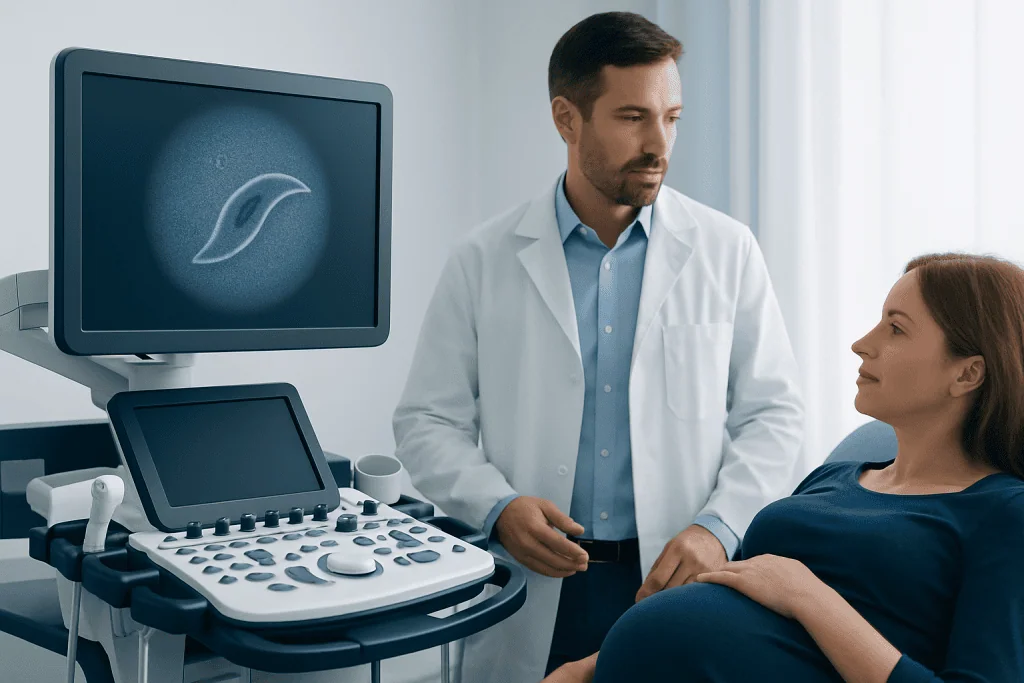
The parasite has a complex life cycle, but the patient-focused message is straightforward: toxoplasma reaches people mainly through exposure to infectious material from food, soil, water, or cat feces. Cats can shed the parasite in their stool, especially after a first infection, which is why litter-box hygiene matters. However, most household contact with cats does not automatically mean infection.
Common routes of exposure include:
- Eating raw or undercooked meat, especially pork, lamb, or venison
- Using kitchen tools or surfaces contaminated by raw meat
- Gardening or handling soil without gloves
- Eating unwashed fruits or vegetables
- Cleaning a cat litter box without proper hand hygiene
- Less commonly, transmission during pregnancy, organ transplant, or blood transfusion
Certain groups need closer attention. Pregnant patients, people receiving chemotherapy, organ transplant recipients, and those living with conditions that weaken the immune system face a greater chance of serious complications. In these settings, clinicians may also think about related infections that affect the nervous system or lungs, such as pneumonia or other opportunistic illnesses, depending on symptoms.
Symptoms: from no symptoms to eye or brain involvement

Many healthy adults with toxoplasma have no symptoms at all. When symptoms do occur, they are often mild and can resemble a short viral illness. A person may feel tired, have low-grade fever, muscle aches, sore throat, or notice swollen lymph nodes, especially in the neck.
Some patients develop symptoms in specific organs. Ocular toxoplasmosis affects the eye and may cause blurred vision, eye pain, redness, sensitivity to light, or floating spots. This form can occur after a recent infection or from reactivation of an earlier infection, and it needs prompt specialist assessment because vision can be affected if inflammation is significant.
In people with weakened immune systems, toxoplasma may become much more serious. Brain involvement can lead to headache, confusion, fever, weakness, seizures, difficulty speaking, or changes in behavior. Doctors may evaluate these symptoms urgently and may use MRI or CT scan to look for inflammation or lesions in the brain, especially when there is concern for severe infection.
Babies infected during pregnancy may have no obvious signs at birth, or they may develop eye, brain, liver, or growth-related problems. Because some effects may appear later, follow-up is important when congenital toxoplasmosis is suspected or confirmed.
Toxoplasma in pregnancy and congenital infection
Pregnancy deserves special attention because a first-time toxoplasma infection during pregnancy can be passed to the fetus. The chance of transmission and the potential effects on the baby depend partly on when the infection occurs. In general, earlier infection in pregnancy may be less likely to transmit but can have more serious consequences, while later infection may transmit more easily.
Most pregnant patients with toxoplasma feel well or have only mild symptoms, so diagnosis often depends on blood testing rather than symptoms alone. If blood tests suggest a recent infection, doctors may recommend additional testing to clarify timing and assess the baby. This may include repeat blood work, ultrasound monitoring, and in selected cases other specialized tests.
Patients who are pregnant do not need to avoid all contact with cats, but they should be especially careful with litter boxes, soil, and food hygiene. Practical steps include avoiding raw meat, washing produce thoroughly, wearing gloves for gardening, and asking someone else to change the litter box if possible. These measures are simple but meaningful ways to lower risk without unnecessary restriction.
How doctors diagnose toxoplasma
Diagnosis usually starts with the clinical context: symptoms, pregnancy status, immune health, travel or food history, and possible exposure to cats or soil. The most common test is a blood test that looks for antibodies to the parasite. These antibodies can help show whether infection is new, recent, or occurred in the past, although interpretation may require expertise and repeat testing.
When symptoms involve the eye, an ophthalmologist may examine the retina for a pattern of inflammation that suggests ocular toxoplasmosis. If the brain or other organs may be affected, imaging studies can help guide diagnosis and treatment decisions. Depending on the situation, doctors may also use blood tests alongside other laboratory methods, and some patients may need consultation with infectious disease, neurology, ophthalmology, or maternal-fetal medicine specialists.
In pregnancy, the main challenge is determining whether the infection is old or recent. This distinction matters because a past infection before pregnancy usually poses much less concern for the current fetus in an otherwise healthy patient. Doctors may therefore combine several test results rather than relying on a single number.
In people with weakened immunity, diagnosis may need to move quickly if there are neurological symptoms. In that setting, clinicians may also consider other causes of brain lesions or infection and tailor testing to the person’s medical history.
Treatment options and what recovery looks like
Not everyone with toxoplasma needs treatment. Healthy people with mild or no symptoms may only need observation and follow-up, because the infection often settles without specific therapy. Doctors are more likely to treat when symptoms are significant, when the eyes or brain are involved, during pregnancy in certain situations, or when the immune system is weakened.
Medications for toxoplasma are chosen according to the clinical situation and are meant to limit parasite activity and reduce complications. Treatment plans vary, and patients should not self-medicate or rely on internet advice about antibiotics. Eye disease may require coordinated care between infectious disease and eye specialists, while brain involvement may require hospital-based care and imaging follow-up.
Recovery depends on which organs are affected and on the patient’s underlying health. Mild illness may improve over weeks, while eye or brain disease can require longer treatment and ongoing monitoring. Some patients, particularly those with weakened immunity, may also need preventive therapy to reduce the chance of recurrence.
For patients who need advanced assessment, Acibadem International’s multidisciplinary specialists at JCI-accredited hospitals diagnose and treat complex infections for international patients, including cases that require coordinated imaging and specialist input.
Prevention and self-care in daily life
Prevention focuses on everyday habits rather than extreme measures. Meat should be cooked thoroughly, kitchen surfaces and utensils that touch raw meat should be washed well, and fruits and vegetables should be rinsed before eating. Handwashing after handling raw meat, soil, or unwashed produce is one of the simplest and most effective steps.
Cat ownership does not mean a person will definitely get toxoplasma. The practical advice is to avoid direct contact with cat feces when possible, change litter daily if needed, wear gloves or use tools, and wash hands afterward. Keeping cats indoors and avoiding feeding them raw meat may also reduce their chance of becoming infected.
Patients with weaker immune systems should ask their doctor whether they need extra precautions. Depending on the condition, doctors may discuss food safety in more detail or evaluate related symptoms if they arise. In some cases of immune suppression, specialists may also review other infections or conditions that can mimic toxoplasma, including brain tumor in the workup of brain lesions, because imaging findings are not always specific.
When to seek medical care
Medical care is appropriate if a person has persistent swollen lymph nodes, unexplained fever, or flu-like symptoms that do not improve, especially after a possible exposure. Patients should also seek evaluation for blurred vision, eye pain, light sensitivity, or new floaters, because eye inflammation can threaten vision if left untreated.
Urgent care is important for neurological symptoms such as severe headache, confusion, seizures, weakness, trouble speaking, or sudden behavior changes. These symptoms can have many causes, but toxoplasma is one possibility in people with weakened immune systems and should be assessed promptly.
Pregnant patients should contact their doctor if they think they may have been exposed or if routine testing suggests a recent infection. Early assessment helps clarify risk, guide follow-up, and support informed decisions. People with immune suppression should also report new symptoms sooner rather than later, since prompt treatment can reduce complications.
Frequently asked questions
Is toxoplasma the same as toxoplasmosis?
Toxoplasma usually refers to the parasite itself, while toxoplasmosis refers to the infection it causes. In everyday health information, the terms are often used interchangeably. A doctor can explain the difference if test results use one term more than the other.
Can a healthy person recover from toxoplasma without treatment?
Yes, many healthy people recover without specific medication because the infection is often mild or causes no symptoms. Treatment is more often needed when symptoms are significant or when the eyes, brain, pregnancy, or immune suppression are involved. A clinician can decide whether observation is enough.
Do all cat owners get toxoplasma?
No. Owning a cat does not automatically mean someone will become infected. Risk is lowered by careful litter-box hygiene, handwashing, and avoiding direct contact with cat feces.
How serious is toxoplasma in pregnancy?
It can be important if a person has a first-time infection during pregnancy because the parasite may pass to the fetus. The level of risk depends on the timing of infection and other clinical details. This is why doctors may recommend blood tests and follow-up if exposure is suspected.
Can toxoplasma affect the eyes?
Yes. Ocular toxoplasmosis can cause blurred vision, eye pain, redness, light sensitivity, or floaters. Prompt eye evaluation is important because inflammation in the retina can affect vision.
How can someone reduce the risk of toxoplasma infection?
The most effective steps are cooking meat thoroughly, washing produce, cleaning kitchen tools carefully, wearing gloves for gardening, and washing hands after soil or litter-box contact. Pregnant patients and people with weakened immune systems should be especially consistent with these habits. If there are special health concerns, a doctor can recommend additional precautions.
References
- Centers for Disease Control and Prevention
- World Health Organization
- American College of Obstetricians and Gynecologists
- Merck Manual Professional Edition
- National Institutes of Health
This article is for general information only and is not a substitute for professional medical advice. Please consult a qualified doctor about your individual situation.
Explore treatments in Turkey — costs, top hospitals & a free quote
JCI-accredited · board-certified surgeons · reply within 24h
Add us as a Preferred Source to see more of our trusted health content across Google Search, AI Overviews and Discover.

More from the Health Library



Related Specialists

Prof. Dr. Ahmet Ümit Güllü
Cardiovascular Surgery
Dr. Hamed Moghanchı Zadeh
Cardiology
Prof. Dr. Metin Türkmen
Orthopedic Surgery & Traumatology
Fzt. Ömür Akgül
Physical Medicine & Rehabilitation