Trauma: What Patients Need to Know
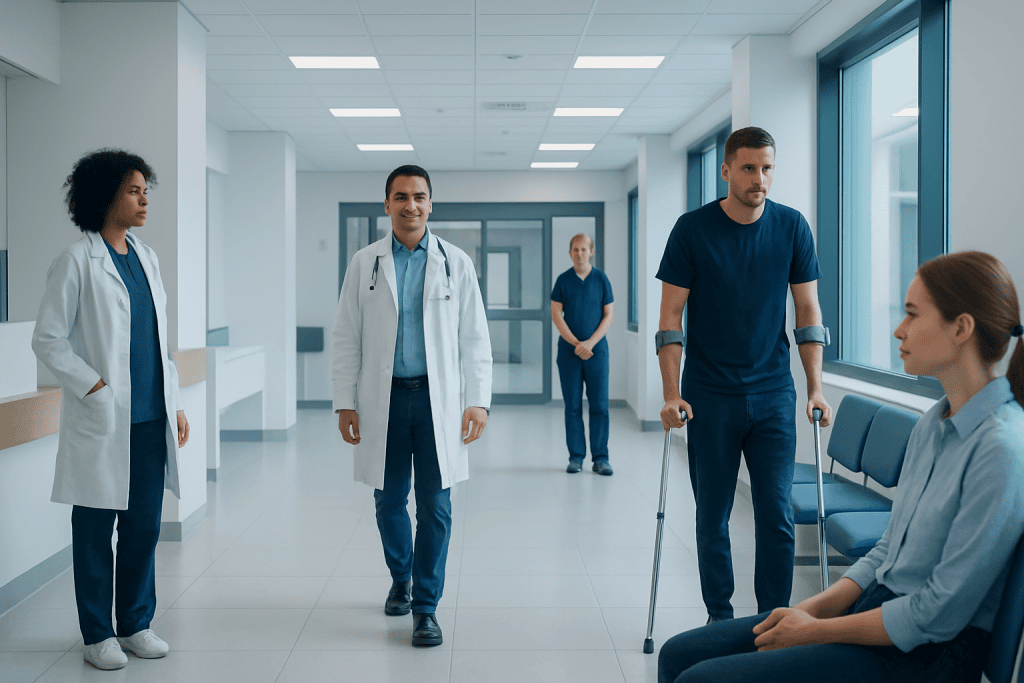
Trauma may be physical, psychological, or both, and symptoms can appear immediately or develop later. Severe bleeding, trouble breathing, head injury symptoms, chest pain, or loss of consciousness need urgent medical care.
Key Takeaways
- Trauma may be physical, psychological, or both, and symptoms can appear immediately or develop later.
- Severe bleeding, trouble breathing, head injury symptoms, chest pain, or loss of consciousness need urgent medical care.
- Diagnosis focuses on stabilizing the patient first, then identifying hidden injuries or stress-related effects.
- Treatment depends on the type of trauma and may include emergency care, surgery, medication, rehabilitation, and mental health support.
- Recovery can take time, and follow-up care is important even when symptoms seem mild at first.
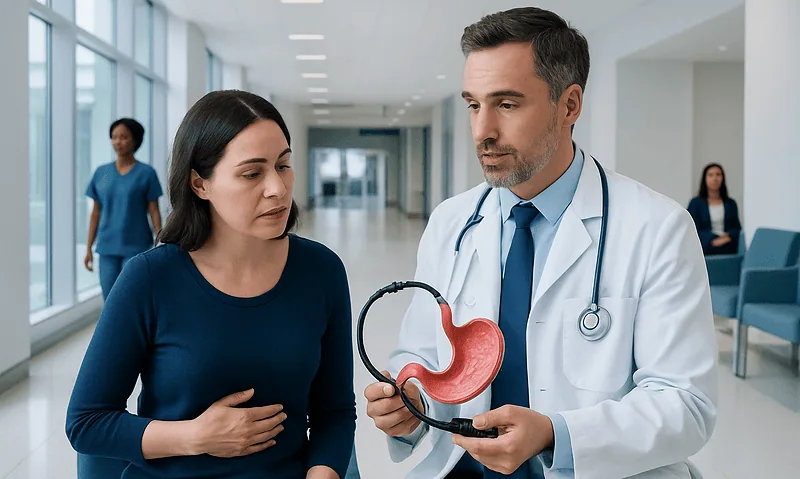
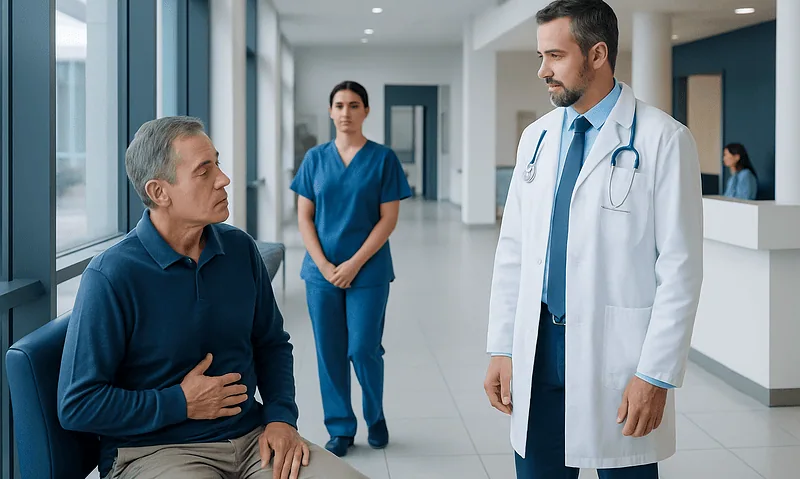
Trauma is injury or harm caused by a sudden distressing event, and it can affect the body, the mind, or both. Patients need prompt evaluation for serious injuries and supportive follow-up because recovery often includes medical care, emotional healing, and practical self-care.
Overview: what trauma means
Trauma is harm caused by an overwhelming event. In medical care, the word often refers to physical injury from events such as falls, road traffic crashes, burns, violence, sports injuries, or workplace accidents. Trauma can also describe the emotional and psychological effects of frightening or life-threatening experiences.
For many patients, trauma is not just a single injury. It can involve several body systems at once, such as the head, chest, abdomen, bones, skin, and internal organs. Even when there is no visible wound, there may still be a serious internal injury, concussion, or emotional distress that needs attention.
Psychological trauma is also important to recognize. A person may feel shock, fear, numbness, confusion, sadness, irritability, or difficulty sleeping after a distressing event. These reactions can be a normal short-term response, but if they persist or interfere with daily life, professional support can help.
Because trauma affects people in different ways, care is usually guided by the type of event, the symptoms, the body areas involved, and how stable the patient is. Early evaluation improves the chance of identifying urgent problems and starting the right treatment plan.
Signs and symptoms to watch for
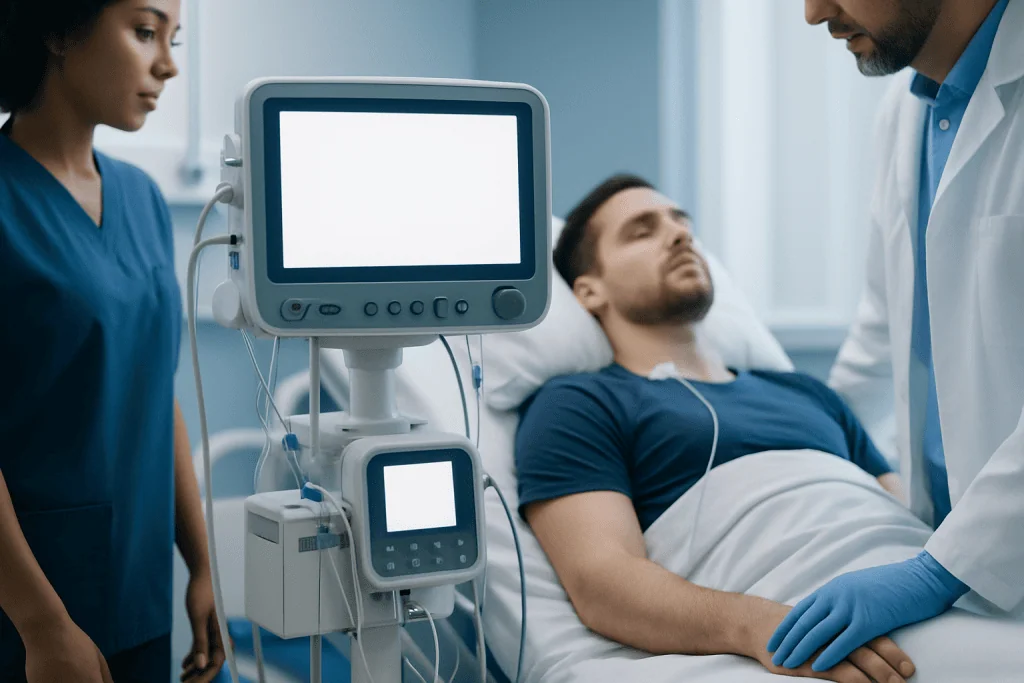
Physical trauma symptoms depend on the injury. Common signs include pain, swelling, bruising, cuts, bleeding, deformity, burns, dizziness, weakness, and reduced movement. A person may also have headache, vomiting, confusion, memory gaps, or sensitivity to light after a blow to the head.
Some symptoms suggest a more serious problem and should never be ignored. These include severe bleeding, trouble breathing, chest pain, fainting, seizures, severe abdominal pain, a limb that looks misshapen, numbness, weakness on one side, or worsening drowsiness. These symptoms may indicate injuries that require urgent assessment, including stroke-like neurological symptoms after head or neck trauma.
Emotional and psychological symptoms can happen after the event or appear later. Patients may feel jumpy, avoid reminders of what happened, have nightmares, relive the event, or struggle to focus. Children may show trauma differently, such as clinginess, sleep problems, behavior changes, or regression in toilet training or speech.
It is also possible to feel “fine” right after an accident because stress hormones can mask pain. For that reason, new pain, increasing swelling, shortness of breath, persistent headache, or emotional distress in the hours or days after trauma should still be taken seriously.
Common causes and risk factors

Trauma can result from many situations. Common causes include falls, motor vehicle collisions, bicycle or pedestrian accidents, sports injuries, assaults, burns, electrical injuries, and injuries from sharp objects or heavy machinery. Older adults may experience trauma from falls, while children may be more vulnerable during play or travel if safety measures are not used.
Certain factors increase the risk of severe injury. These include high-speed impact, lack of seatbelt or helmet use, alcohol or substance use, unsafe work conditions, poor lighting, slippery floors, osteoporosis, balance problems, frailty, and some neurological conditions. Medical conditions that affect blood clotting can also increase the seriousness of bleeding after injury.
Psychological trauma may follow a single event, such as an assault or disaster, or repeated exposure to stress, violence, neglect, or loss. Previous trauma, limited social support, chronic illness, and ongoing stress can make recovery more difficult. This does not mean a person is weak; it means the nervous system has been placed under more strain.
Knowing the cause and circumstances of the event helps clinicians decide what injuries to look for. A fall from height may raise concern for spine or internal injuries, while a blow to the face may require checking for fractures, dental injury, or brain injury.
How trauma is assessed and diagnosed
Trauma evaluation begins with safety and stabilization. Clinicians first check the airway, breathing, circulation, level of consciousness, and visible bleeding. This rapid assessment helps identify life-threatening problems before moving on to a more detailed examination.
After the patient is stable, the medical team asks about what happened, where pain is located, what symptoms began immediately, and whether there are any medical conditions, medications, or allergies. The physical examination may include checking the head, neck, chest, abdomen, pelvis, limbs, skin, and nervous system. Depending on the injury, clinicians may recommend imaging tests such as X-rays, ultrasound, CT, or MRI, often through MRI or CT scanning when deeper injuries are suspected.
Laboratory tests may help assess blood loss, infection risk, clotting, and organ function. If there are signs of a head injury, the team may monitor changes in alertness, pupils, coordination, speech, and memory. If emotional symptoms are prominent, screening questions may also be used to understand stress, sleep, mood, and coping.
Diagnosis is not only about finding broken bones or wounds. It also includes ruling out hidden internal injuries, nerve damage, and later complications such as infection, blood clots, or persistent stress reactions. Follow-up appointments can be just as important as the first evaluation because some problems evolve over time.
Treatment options and recovery planning
Treatment for trauma depends on the type and severity of injury. Emergency care may involve controlling bleeding, giving oxygen, stabilizing the neck or spine, cleaning wounds, reducing fractures, or managing pain. Some patients need observation only, while others require hospital care, blood transfusion, or specialist treatment.
Procedures and surgery may be needed when trauma causes fractures, internal bleeding, organ damage, deep wounds, or serious head injury. In selected cases, patients may need brain surgery for severe traumatic brain injury or treatment by teams experienced in complex injuries. Burns may require wound care and infection prevention, while chest or abdominal trauma may need urgent intervention.
Recovery often continues after the emergency phase. Physical therapy, occupational therapy, speech therapy, or rehabilitation can help restore strength, movement, balance, communication, and independence. This is especially important after fractures, nerve injuries, spine injuries, or prolonged hospital stays.
Mental health support is also part of trauma care. Counseling, trauma-focused psychotherapy, sleep support, and stress management strategies may help patients process the event and regain a sense of safety. If symptoms fit conditions such as post-traumatic stress disorder, treatment should be guided by a qualified mental health professional. Near the end of recovery planning, some patients also benefit from coordinated care at centers such as Acibadem International, where multidisciplinary specialists in JCI-accredited hospitals evaluate and treat international patients with complex trauma-related needs.
Prevention and self-care after trauma
Not all trauma can be prevented, but many injuries can be reduced through everyday safety steps. Wearing seatbelts, using child car seats correctly, wearing helmets for cycling and some sports, using protective equipment at work, and avoiding driving under the influence all lower risk. Fall prevention at home, especially for older adults, may include good lighting, secure rugs, supportive footwear, and balance-focused exercise.
After a traumatic event, self-care should support both physical healing and emotional recovery. Patients should follow wound care instructions, take prescribed medicines as directed, rest appropriately, and attend follow-up visits. Gentle movement may be encouraged for some injuries, but activity should match the doctor’s advice.
Emotional recovery also matters. Talking with trusted family or friends, maintaining regular meals and sleep, limiting alcohol, and returning to routine gradually can help. Some people find that journaling, relaxation exercises, or brief breaks from distressing media coverage reduce stress.
Self-care is not a substitute for medical review. If pain increases, fever develops, the wound looks worse, mobility declines, or flashbacks and panic symptoms become more disruptive, patients should contact a healthcare professional rather than trying to manage alone.
When to seek medical care
Emergency care is needed right away for severe bleeding, trouble breathing, chest pain, loss of consciousness, seizures, severe burns, suspected neck or spine injury, major deformity, or weakness and confusion after a head injury. A person should also be evaluated urgently if they cannot stay awake, have repeated vomiting, have slurred speech, or develop sudden severe headache after trauma.
Prompt medical care is also important for wounds that may need stitches, possible fractures, animal or human bites, eye injuries, and pain that prevents normal movement. Children, older adults, pregnant patients, and people taking blood thinners may need a lower threshold for assessment because injuries can be more serious than they first appear.
A non-emergency appointment is still worthwhile if symptoms continue for days, sleep is poor, concentration is affected, mood changes persist, or the person avoids daily activities because of fear after the event. Early support can reduce complications and help recovery feel more manageable.
Whenever there is uncertainty, it is safer to ask a qualified clinician for guidance. Trauma can look mild at first but become clearer over time, so listening to the body and seeking timely care is an important part of recovery.
Frequently asked questions
Is trauma always a physical injury?
No. Trauma can refer to physical injury, psychological injury, or both at the same time. A person may have visible wounds, hidden internal injuries, emotional distress, or a combination of these effects.
Can trauma symptoms appear later?
Yes. Some symptoms do not become obvious until hours or days after the event. Pain, swelling, concussion symptoms, anxiety, sleep problems, or intrusive memories can develop after the initial shock has passed.
What is the difference between stress and psychological trauma?
Stress is a broad response to pressure or challenge, while psychological trauma usually follows an overwhelming or deeply distressing event. Trauma-related symptoms may include flashbacks, avoidance, nightmares, and a lasting sense of danger or helplessness.
Do all head injuries after trauma need emergency care?
Not every bump to the head is an emergency, but some are. Loss of consciousness, repeated vomiting, severe headache, confusion, seizures, weakness, or unusual drowsiness after a head injury should be assessed urgently.
How long does trauma recovery take?
Recovery varies widely depending on the injury, the person’s general health, and whether emotional effects are also present. Some people recover in days to weeks, while others need rehabilitation or mental health support over a longer period.
Can children experience trauma differently from adults?
Yes. Children may not always describe their feelings clearly, so trauma can show up as clinginess, irritability, sleep problems, withdrawal, or behavior changes. Medical and emotional assessment should consider the child’s age and developmental stage.
References
- World Health Organization
- Centers for Disease Control and Prevention
- National Institute of Mental Health
- American College of Surgeons
- Mayo Clinic
This article is for general information only and is not a substitute for professional medical advice. Please consult a qualified doctor about your individual situation.
Explore treatments in Turkey — costs, top hospitals & a free quote
JCI-accredited · board-certified surgeons · reply within 24h
Add us as a Preferred Source to see more of our trusted health content across Google Search, AI Overviews and Discover.