

Traumatic Brain Injury: Common Cognitive Problems After the Initial Recovery
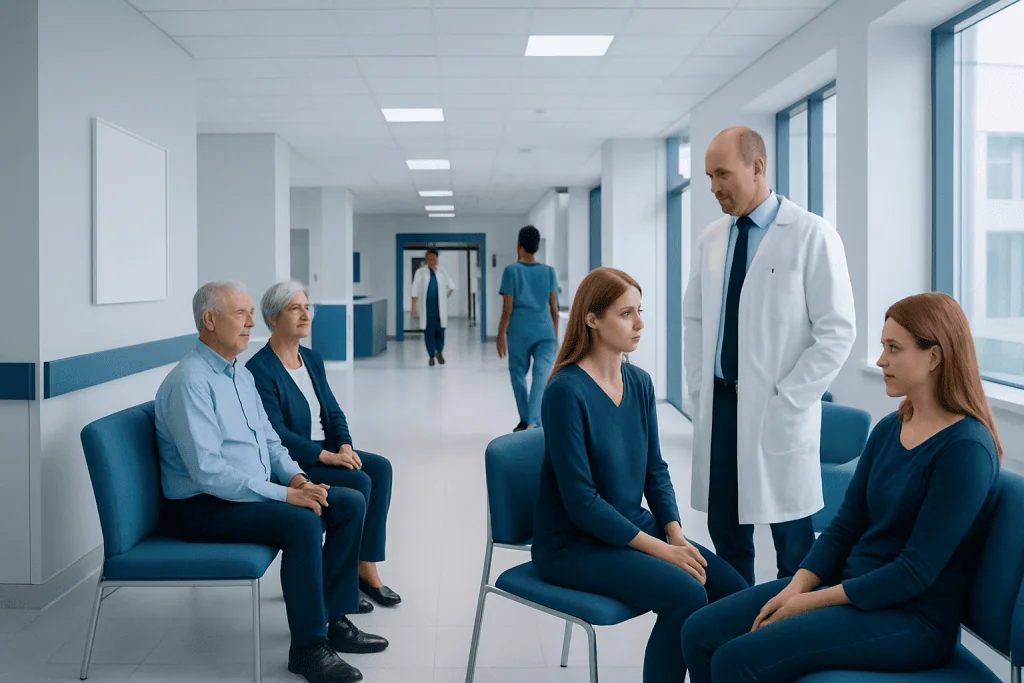
Cognitive symptoms after traumatic brain injury may appear subtle but can still affect work, school, relationships, and daily routines. Common difficulties include memory lapses, slower thinking, poor concentration, trouble organizing tasks, and reduced mental stamina.
Key Takeaways
- Cognitive symptoms after traumatic brain injury may appear subtle but can still affect work, school, relationships, and daily routines.
- Common difficulties include memory lapses, slower thinking, poor concentration, trouble organizing tasks, and reduced mental stamina.
- Recovery varies widely and depends on the injury, the person’s health, and access to rehabilitation and support.
- Assessment may include neurological exams, imaging, and neuropsychological testing to identify specific areas of difficulty.
- Treatment often combines cognitive rehabilitation, therapy, symptom management, structured routines, and family education.
- Medical review is important if symptoms persist, worsen, or interfere with safety or independence.
Traumatic brain injury can affect thinking long after the first physical recovery. Common cognitive problems may involve memory, attention, language, processing speed, and emotional regulation, but careful evaluation and rehabilitation can help many people improve function over time.
Overview
Traumatic brain injury, often called TBI, happens when an external force injures the brain. This may occur after a fall, road traffic collision, sports injury, workplace accident, or a blow to the head. Some people recover quickly from the first stage of injury, while others notice ongoing changes in how they think, feel, and function in daily life.
After the initial recovery, cognitive problems are among the most common ongoing effects. “Cognitive” refers to mental processes such as attention, memory, learning, language, problem-solving, judgment, and processing speed. These changes are not always obvious from the outside, but they can make familiar activities feel unexpectedly difficult.
The severity of cognitive symptoms does not always match how serious the injury first appeared. Even a mild traumatic brain injury can lead to persistent difficulties in some people, while others recover fully. The pattern of symptoms may also shift over time as the brain heals and a person returns to work, school, driving, or family responsibilities.
Understanding these problems is an important step toward treatment. With proper assessment, rehabilitation, and practical support, many people can improve their abilities and learn strategies to manage ongoing challenges.
Common Cognitive Problems After Traumatic Brain Injury
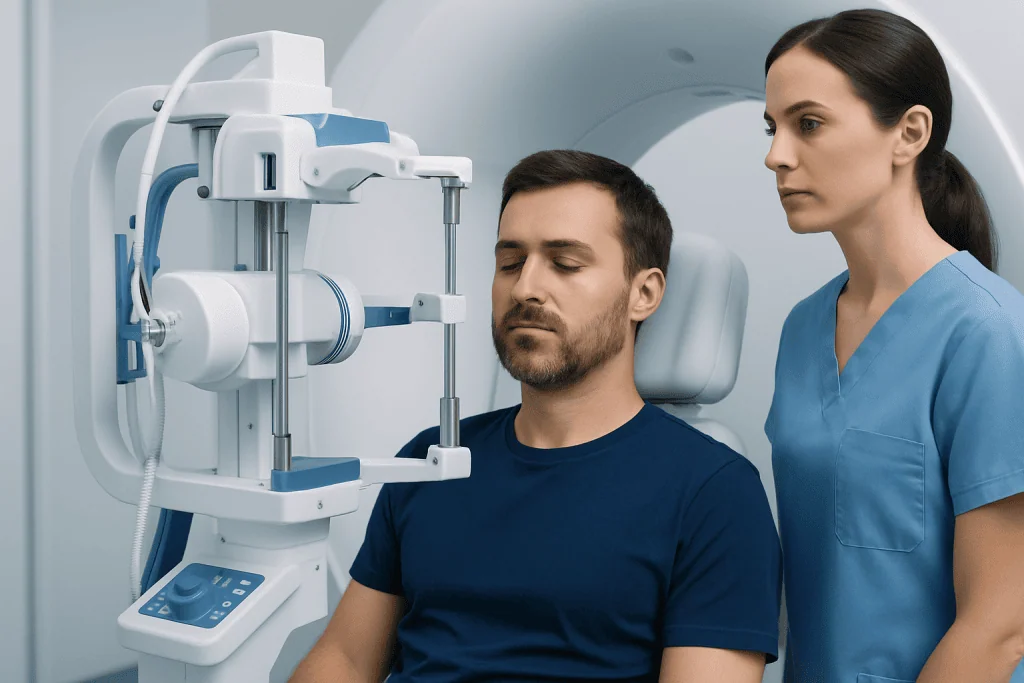
Cognitive problems after TBI can vary from person to person. Some notice forgetfulness, while others struggle more with focus, planning, or mental fatigue. Problems may become clearer only when a person resumes more demanding tasks and realizes that concentration, multitasking, or quick decision-making is harder than before.
Common symptoms include short-term memory problems, poor attention span, slower information processing, word-finding difficulty, trouble following conversations, and reduced ability to organize or complete complex tasks. People may also feel mentally overwhelmed in noisy or busy environments. In some cases, changes in insight or judgment make it harder to recognize mistakes or understand personal limitations.
Executive function is another area often affected. This refers to the brain’s ability to plan, prioritize, solve problems, manage time, and control impulses. When executive function is disrupted, a person may know what needs to be done but find it difficult to start, sequence, or finish the task.
- Forgetting appointments, messages, or recent conversations
- Losing track of steps in a task such as cooking or paying bills
- Feeling easily distracted or unable to stay focused while reading
- Taking longer than usual to understand information or respond
- Having trouble finding words or following fast speech
- Becoming mentally tired after short periods of concentration
Why These Problems Happen
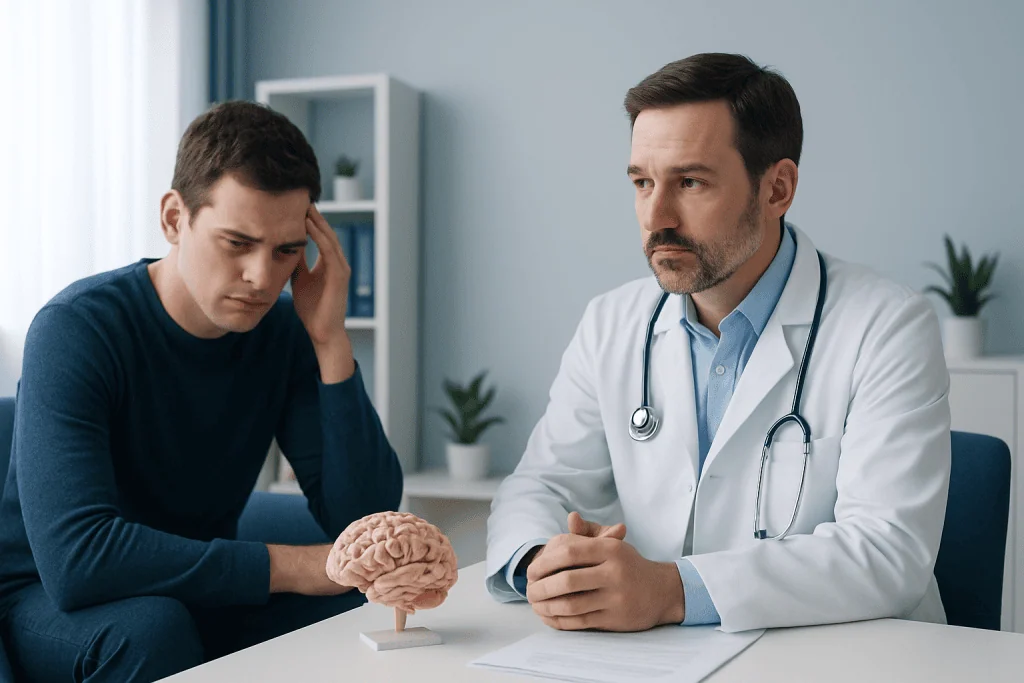
Cognitive symptoms can develop for several reasons after traumatic brain injury. The injury itself may damage brain cells, disrupt connections between different brain regions, or cause bruising, bleeding, swelling, or microscopic injury that affects communication pathways. Depending on which parts of the brain are involved, different mental functions may be affected.
Attention, memory, and executive functioning often rely on networks spread across multiple brain areas rather than one single location. This is why a person may experience a broad mix of symptoms. Injuries involving the frontal lobes can strongly affect planning, self-control, and behavior, while injuries affecting temporal regions may contribute to memory and language difficulties.
Other factors can make cognitive symptoms more noticeable or longer-lasting. These include pain, headaches, poor sleep, depression, anxiety, sensory overload, dizziness, medication side effects, and fatigue. In practical terms, this means a person’s thinking problems may worsen when stress is high or rest is poor, even if the brain injury itself is stable.
Previous brain injuries, older age, alcohol or substance use, and preexisting neurological or mental health conditions may also influence recovery. For some individuals, related conditions such as stroke or epilepsy may need to be considered during evaluation if there are overlapping symptoms or complications.
How Cognitive Problems Affect Daily Life
The impact of post-TBI cognitive problems often becomes most clear in everyday routines. A person may physically appear recovered but still struggle with returning to work, managing finances, organizing household tasks, or keeping up with school demands. This can be frustrating both for the individual and for family members who may not immediately understand the hidden nature of cognitive symptoms.
Relationships can also be affected. Forgetfulness, slowed responses, irritability, or poor concentration may be misunderstood as lack of interest or motivation. Social situations may become tiring because following conversations, filtering background noise, and reacting quickly require significant mental effort.
Safety is another consideration. Problems with judgment, reaction time, distraction, or planning can affect driving, medication use, or operating machinery. In some cases, a person may need temporary support or supervision while abilities are reassessed and rehabilitation progresses.
Emotional changes often occur alongside cognitive symptoms. People may feel embarrassed, discouraged, anxious, or isolated when familiar tasks become harder. Recognizing these challenges early can help prevent unnecessary stress and guide more effective treatment and support.
Diagnosis and Assessment
Assessment begins with a detailed medical history and neurological evaluation. Doctors usually ask about the injury itself, loss of consciousness, confusion, memory gaps, headaches, sleep, mood, medications, and changes in work or daily functioning. Family observations can be especially helpful because close relatives often notice changes the person may not fully recognize.
Brain imaging such as CT or MRI may be used to look for structural injury or complications, although imaging does not always explain every cognitive symptom. Some people with clear cognitive complaints can have scans that appear normal, especially when the injury involves subtle network disruption rather than large visible damage.
Neuropsychological testing is often an important part of diagnosis. These structured tests measure attention, memory, language, processing speed, visual-spatial skills, and executive functioning. The results help identify strengths and weaknesses, support rehabilitation planning, and distinguish cognitive effects of brain injury from problems mainly related to mood, sleep, or other medical issues.
Depending on symptoms, care may also involve specialists in neurology, rehabilitation medicine, psychology, speech and language therapy, occupational therapy, or neurosurgery when structural brain injury requires surgical review. A multidisciplinary approach is often the most useful way to understand the full picture.
Treatment Options and Rehabilitation
Treatment focuses on both recovery and adaptation. The exact plan depends on the type of cognitive problem, the severity of symptoms, the stage of healing, and the person’s goals. There is rarely one single treatment; instead, improvement often comes through a combination of therapies and practical strategies over time.
Cognitive rehabilitation is a key part of care. This may include exercises to improve attention, memory, communication, and problem-solving, as well as compensatory strategies such as calendars, reminders, checklists, routines, and environmental modifications. Speech and language therapists can help with communication and word-finding issues, while occupational therapists may focus on daily activities, planning, and return to work or school.
Associated symptoms should also be treated because they can worsen cognitive performance. Managing headaches, dizziness, depression, anxiety, and sleep disturbance may significantly improve day-to-day functioning. In some cases, a doctor may consider medications to address specific symptoms, but medication choices are individualized and should be supervised by a qualified clinician.
Formal rehabilitation programs can be especially helpful for persistent symptoms. If seizures, pressure effects, or other neurological concerns are present, related services such as epilepsy treatment may be considered. Near the end of the recovery pathway, some international patients seek care at Acibadem International, where multidisciplinary specialists in JCI-accredited hospitals assess and treat traumatic brain injury and its cognitive effects.
Self-care, Support, and Prevention of Setbacks
Daily habits can make a meaningful difference in cognitive recovery. Regular sleep, balanced nutrition, gradual physical activity, hydration, and stress reduction support overall brain health. It is also helpful to pace activities, take short mental breaks, and avoid pushing through severe fatigue, since overexertion often worsens concentration and memory.
Practical supports can reduce frustration. Many people benefit from using one calendar, setting phone reminders, keeping items in consistent places, breaking tasks into smaller steps, and limiting distractions when focusing. Family members can help by giving one instruction at a time, allowing extra response time, and avoiding overstimulation during conversations.
A gradual return to work, school, sports, and driving is often safer than resuming everything at once. Decisions about high-risk activities should follow medical advice. Preventing another head injury is especially important because repeat injuries can increase recovery time and may worsen long-term outcomes.
- Use helmets and seat belts appropriately
- Reduce fall risks at home and in the workplace
- Maintain a regular sleep schedule
- Limit alcohol and avoid non-prescribed substances
- Keep follow-up appointments and rehabilitation sessions
- Ask for academic or workplace accommodations if needed
When to See a Doctor
Medical review is important if cognitive symptoms persist beyond the expected recovery period, interfere with work or independent living, or seem to be worsening instead of improving. A doctor should also assess new problems with memory, attention, language, balance, behavior, or personality after any head injury, even if the initial injury seemed minor.
Urgent medical attention is needed for warning signs such as repeated vomiting, worsening headache, increasing confusion, unusual drowsiness, seizures, weakness, slurred speech, severe agitation, or loss of consciousness. These symptoms may indicate a complication that requires immediate evaluation.
It is also wise to seek help when emotional symptoms become prominent. Depression, anxiety, irritability, and sleep problems can strongly affect cognitive function and quality of life. Addressing them early is part of brain injury care, not something separate from it.
Follow-up matters because recovery after TBI is not always linear. Some people improve steadily, while others notice plateaus or setbacks when life becomes busier. Ongoing medical guidance can help adjust treatment plans, monitor safety, and support the best possible recovery.
Frequently asked questions
How long can cognitive problems last after traumatic brain injury?
Recovery time varies widely. Some people improve within weeks or months, while others continue to have symptoms for much longer. The duration depends on the type of injury, overall health, sleep, mood, and access to rehabilitation.
Can a mild traumatic brain injury cause lasting thinking problems?
Yes, it can in some cases. Even when the injury is classified as mild, symptoms such as poor concentration, memory lapses, and mental fatigue may persist. This does not happen to everyone, but persistent symptoms deserve medical assessment.
What are the most common cognitive symptoms after TBI?
Common symptoms include memory problems, reduced attention, slower processing speed, trouble organizing tasks, difficulty multitasking, and word-finding issues. Many people also experience mental fatigue, especially in busy or noisy environments.
Can cognitive rehabilitation really help after brain injury?
Yes, many people benefit from cognitive rehabilitation. Therapy may help improve specific skills and teach strategies to manage ongoing challenges in daily life. Progress is often gradual, but structured support can be very valuable.
Should family members be involved in treatment?
Family involvement is often helpful because relatives may notice changes that the injured person does not fully recognize. They can also support routines, reminders, and communication strategies at home. Education for caregivers may reduce stress and improve recovery planning.
When is it safe to return to work or school after TBI?
The timing depends on symptoms and the demands of the activity. Many people do best with a gradual return, modified hours, or temporary accommodations. A doctor or rehabilitation specialist can help guide this process safely.
References
- World Health Organization
- Centers for Disease Control and Prevention
- National Institute of Neurological Disorders and Stroke
- Brain Injury Association of America
- American Congress of Rehabilitation Medicine
This article is for general information only and is not a substitute for professional medical advice. Please consult a qualified doctor about your individual situation.
Traumatic Brain Injury in Turkey — costs, top hospitals & a free quote
JCI-accredited · board-certified surgeons · reply within 24h
Add us as a Preferred Source to see more of our trusted health content across Google Search, AI Overviews and Discover.

More from the Health Library



Related Specialists

Prof. Dr. Taner Korkmaz
Medical Oncology
Prof. Dr. Hasan Uçmak
Clinical Laboratory
Prof. Dr. A. Taner Usta
Gynecology & Obstetrics
Dr. Hicran Karaca Sönmezer
Anesthesiology