Treatment for Hand Tremors: How It Works, Results and What to Expect

The best treatment for hand tremors depends on the underlying cause, severity and impact on daily activities. Essential tremor commonly affects the hands during movement, but tremors can also be related to medicines, thyroid disease, anxiety, alcohol withdrawal or neurological conditions.
Key Takeaways
- The best treatment for hand tremors depends on the underlying cause, severity and impact on daily activities.
- Essential tremor commonly affects the hands during movement, but tremors can also be related to medicines, thyroid disease, anxiety, alcohol withdrawal or neurological conditions.
- Medicines and practical adaptations can reduce tremor for many people; advanced procedures are generally reserved for severe, medication-resistant tremor.
- Focused ultrasound and deep brain stimulation target brain circuits involved in tremor and require specialist assessment.
- A new, suddenly worsening or one-sided tremor should be assessed promptly, especially if it occurs with weakness, speech changes or balance problems.
Treatment for hand tremors starts with identifying why the tremor occurs. Many people improve with trigger management, occupational strategies or medication, while procedures such as focused ultrasound or deep brain stimulation may help selected people with disabling tremor that does not respond well to other care.
Overview: how treatment for hand tremors works
Treatment for hand tremors aims to reduce shaking, improve function and address the cause when one can be identified. A tremor is an involuntary, rhythmic movement. It may be most noticeable while reaching for a cup, writing or holding an object, or it may occur when the hands are resting. The pattern gives clinicians important clues about the likely cause.
Some tremors are temporary and improve after reducing caffeine, correcting a medical problem or reviewing a medicine with a clinician. Essential tremor is a common movement disorder that often causes action-related shaking of the hands and may gradually become more troublesome over time. Parkinsonian tremor more often begins at rest and is assessed and treated differently.
Care is individualized. A neurologist or movement-disorders specialist may combine lifestyle measures, rehabilitation, medication and, for carefully selected people with severe symptoms, a procedure that targets a small area within the brain’s tremor network. The goal is meaningful improvement in everyday tasks rather than a promise that every tremor will disappear completely.
What is the most effective treatment for hand tremors?
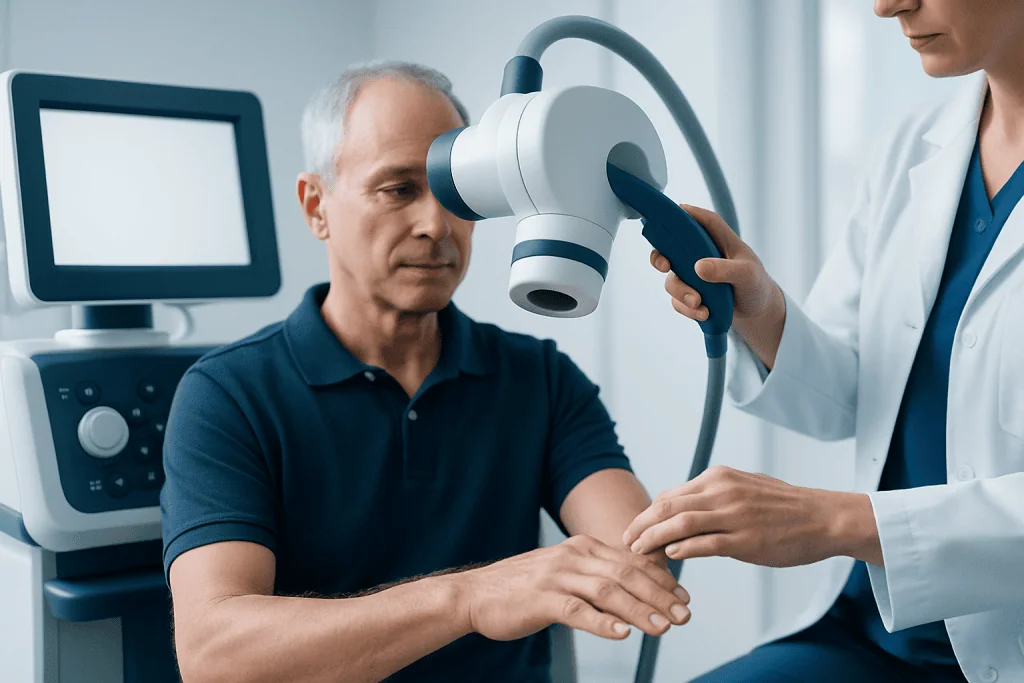
There is no single most effective treatment for every hand tremor because effectiveness depends on the diagnosis. For essential tremor, medicines such as beta-blockers or certain antiseizure medicines are often considered first when tremor affects work, eating, writing or social confidence. A clinician chooses treatment based on other health conditions, current medicines and possible side effects.
For tremor that remains disabling despite appropriate medication, deep brain stimulation (DBS) and magnetic resonance-guided focused ultrasound may provide substantial improvement for some people. DBS uses implanted electrodes to modulate a tremor-related brain circuit and can be adjusted after surgery. Deep brain stimulation may be particularly considered when tremor is severe, affects both sides, or requires an adjustable approach.
Focused ultrasound uses precisely directed ultrasound energy to create a small treatment area without an incision. It is commonly used to treat tremor on one side of the body, usually the side that most affects daily function. The choice between these options requires a detailed multidisciplinary assessment of symptoms, goals, anatomy and overall health.
Causes, triggers and who may benefit from treatment

Hand tremors have many possible causes. Essential tremor may run in families and usually appears during action or posture, such as holding the arms outstretched. Tremors may also be worsened by stress, fatigue, fever, caffeine, nicotine and some medicines. Low blood sugar, overactive thyroid function, liver or kidney disease, alcohol withdrawal and certain neurological disorders can also contribute.
A careful review is important before starting treatment. A clinician may ask when the tremor began, whether it occurs at rest or during movement, which body areas are affected, and whether there are changes in walking, stiffness, coordination, speech or thinking. They will also review prescribed medicines, over-the-counter products, supplements, alcohol intake and family history.
People may be candidates for advanced treatment when a confirmed tremor disorder causes significant difficulty despite well-chosen medication or when medication is not tolerated. Not everyone needs a procedure. Mild tremor that does not interfere with daily life can often be managed with education, follow-up and practical adjustments.
- Medication may suit people whose tremor is bothersome but not severely disabling.
- Occupational therapy may help with eating, writing, dressing and work-related tasks.
- Focused ultrasound or DBS may be considered for selected adults with disabling, medication-resistant essential tremor.
How treatment is planned and performed
Assessment usually begins with a clinical neurological examination. Depending on the history and findings, blood tests, medication review or brain imaging may be used to look for contributing conditions or to exclude other causes. Video recordings or standardized tremor ratings can help document how tremor affects function before treatment and during follow-up.
For medication treatment, the clinician starts with an appropriate option and monitors benefit, side effects and interactions. It may take more than one trial to find a suitable plan. Occupational therapists can suggest weighted utensils, cups with lids, writing supports, voice-to-text tools and ways to position the arms for greater stability.
For DBS, pre-procedure planning includes brain imaging and detailed neurological, medical and sometimes neuropsychological assessment. During the procedure, a neurosurgical team places thin electrodes in a carefully selected brain target and connects them to a small pulse generator placed under the skin, usually in the chest. After healing, the device is programmed over several visits to balance tremor control with side effects.
For focused ultrasound, imaging is used to plan a highly precise target. The patient lies in an MRI scanner wearing a specialized head frame while the team delivers ultrasound in gradually adjusted doses and assesses tremor response throughout the session. No implanted device is left behind. Focused ultrasound treatment is not suitable for every person, and eligibility depends on clinical and imaging-based factors.
Benefits, risks and recovery timeline
Benefits vary with the cause of tremor and type of treatment. Medication may reduce tremor enough to make daily tasks easier, although it does not cure the underlying disorder. Therapy and adaptive tools can improve independence even when shaking remains present. Procedural treatment can offer more marked tremor reduction for carefully selected people, particularly in the treated hand.
Medication effects may become apparent over days to weeks, while clinicians monitor response and tolerability. Common concerns depend on the medicine used and can include tiredness, dizziness, low blood pressure or balance changes. Medicines should not be started, stopped or changed without professional advice, especially when they affect heart rate, blood pressure, mood or seizure threshold.
Recovery after focused ultrasound is generally quicker because there is no surgical incision; some people return to light activities within days, although temporary balance, sensation or speech-related symptoms can occur. DBS recovery includes wound healing and device programming, so the full benefit is often refined over several weeks or months. Risks of DBS include bleeding, infection, seizures, hardware problems and stimulation-related effects such as speech or balance changes.
Any procedure involves individual risks, and outcomes cannot be guaranteed. The treating team explains expected benefits, alternatives, possible complications and the follow-up plan before a decision is made. Ongoing reviews help ensure that treatment continues to match the person’s symptoms and priorities.
How long does it take to get rid of tremors?
The timeline depends on what is causing the tremor. A temporary tremor related to caffeine, poor sleep, stress, low blood sugar or a medication effect may settle once the trigger is addressed, sometimes within hours to days. Tremor linked to an underlying medical condition may improve after that condition is treated, but the timing varies.
Essential tremor and Parkinsonian tremor are usually long-term conditions, so treatment is focused on control rather than an immediate or permanent cure. Medication trials may take several weeks to assess fully. With DBS, improvement may be noticed when stimulation is activated and then adjusted over subsequent appointments; focused ultrasound can produce an effect during or soon after treatment, with recovery from short-term side effects taking additional time.
People should discuss realistic goals with their clinician. Useful goals may include drinking from a cup with less spilling, writing more legibly, using a computer more easily or reducing the need to avoid social activities. Progress is best measured by meaningful daily function as well as by the visible amount of tremor.
Will hand tremors go away and how to get hand tremors to stop?
Hand tremors may go away when they are caused by a reversible factor, such as stimulant use, a temporary illness, an adverse medicine effect or an untreated metabolic problem. However, persistent tremors caused by essential tremor, Parkinson’s disease or other neurological conditions may not disappear entirely. They can often be reduced and managed effectively with the right diagnosis and care plan.
To help hand tremors stop or become less noticeable in the short term, people can prioritize regular sleep, adequate meals and hydration, and reduce triggers such as excess caffeine, nicotine and alcohol. Relaxation methods may be helpful when stress increases shaking. It is important not to stop alcohol suddenly if there is heavy or dependent use; withdrawal can be dangerous and requires medical guidance.
Practical strategies can reduce the impact of tremor. These include using two hands for cups, resting the elbows while eating or writing, choosing heavier or adapted utensils, and allowing extra time for fine-motor tasks. A clinician or occupational therapist can tailor these approaches to the person’s work, hobbies and home environment.
Medication-related tremor should be reviewed by the prescribing clinician rather than managed by stopping a drug independently. Similar evaluation is needed for persistent or unexplained symptoms, since treating the apparent shaking without understanding its cause can delay appropriate care.
When to seek medical care
A person should arrange a medical evaluation for a new tremor, a tremor that is getting worse, or shaking that affects writing, eating, work, driving or other daily activities. Assessment is also appropriate when tremor begins after starting a medicine, is accompanied by weight loss, palpitations or heat intolerance, or occurs with changes in coordination, walking, stiffness or memory.
Urgent medical care is needed if shaking starts suddenly with facial drooping, weakness or numbness on one side, difficulty speaking, severe headache, new confusion, loss of balance or vision changes. These symptoms may indicate a time-sensitive neurological problem and should not be attributed to tremor alone.
Specialist evaluation can clarify whether symptoms fit a movement disorder such as essential tremor or another condition. Acibadem International’s multidisciplinary specialists and JCI-accredited hospitals diagnose and treat movement disorders for international patients, with care plans based on individual clinical assessment.
Frequently asked questions
What is the most effective treatment for hand tremors?
The most effective treatment depends on the cause. For essential tremor, medication is often tried first, while focused ultrasound or deep brain stimulation may help selected people with severe tremor that remains disabling despite medication. A neurological assessment is needed to determine the most appropriate option.
How long does it take to get rid of tremors?
Temporary tremors may improve within hours, days or weeks after the trigger or underlying cause is addressed. Long-term tremor disorders usually require ongoing management rather than a one-time cure. The time to benefit from treatment varies by medication, procedure and individual response.
Will hand tremors go away?
They can go away if they are linked to a reversible cause, such as excess caffeine, certain medicines or a correctable medical condition. Tremors caused by chronic movement disorders may persist, but treatment can often reduce their severity and improve daily function. A clinician can help identify the likely cause.
How can hand tremors be stopped at home?
Reducing caffeine and nicotine, eating regularly, sleeping well and managing stress may lessen tremor that is worsened by these triggers. Using adaptive equipment and bracing the arms during tasks can also help. Persistent or worsening tremor should be assessed rather than self-treated alone.
Can anxiety cause hand tremors?
Anxiety and stress can cause temporary shaking or make an existing tremor more noticeable. The tremor often improves as the person becomes calmer, rests or addresses the triggering situation. Recurrent tremor should still be discussed with a clinician to rule out other contributors.
Are hand tremors a sign of Parkinson’s disease?
Hand tremors can occur in Parkinson’s disease, but they are not always caused by it. Parkinsonian tremor often occurs at rest and may be accompanied by slowness, stiffness or changes in walking. Essential tremor more commonly appears during movement or when holding a posture, but diagnosis requires a professional assessment.
References
- National Institute of Neurological Disorders and Stroke
- International Parkinson and Movement Disorder Society
- Mayo Clinic
- National Health Service
- U.S. Food and Drug Administration
This article is for general information only and is not a substitute for professional medical advice. Please consult a qualified doctor about your individual situation.
Tremor in Turkey — costs, top hospitals & a free quote
JCI-accredited · board-certified surgeons · reply within 24h
Add us as a Preferred Source to see more of our trusted health content across Google Search, AI Overviews and Discover.