Treatment for Women with HPV: How It Works, Results and What to Expect

Most HPV infections clear naturally without treatment, often within a few years. Treatment is recommended for visible genital warts or confirmed precancerous changes in the cervix, vagina, vulva, or anus.
Key Takeaways
- Most HPV infections clear naturally without treatment, often within a few years.
- Treatment is recommended for visible genital warts or confirmed precancerous changes in the cervix, vagina, vulva, or anus.
- A positive HPV test does not mean cancer and does not identify when the infection was acquired.
- HPV screening, follow-up appointments, and vaccination are important tools for preventing HPV-related cancers.
- Partners commonly share HPV without symptoms, and a positive result does not prove infidelity.
Treatment for women with HPV does not usually remove the virus directly. Instead, care addresses genital warts or abnormal cervical cells caused by certain HPV types, while regular screening helps prevent cervical cancer through early detection and treatment.
Overview: What Treatment for Women With HPV Involves
Treatment for women with HPV is tailored to what the virus has caused, rather than aimed at eliminating HPV itself. There is currently no medication that reliably clears HPV from the body. In many people, the immune system controls or clears the infection without treatment, so a positive HPV test may only require repeat testing or closer screening.
When HPV causes health changes, treatment can be very effective. Genital warts may be treated with prescription medicines or in-office procedures. Abnormal cells found during cervical screening may be monitored, biopsied, or removed before they can develop into cancer. The right approach depends on the HPV type, screening results, age, pregnancy status, medical history, and the location and severity of any changes.
High-risk HPV types are associated with cervical cancer and can also affect the vagina, vulva, anus, throat, and penis. Low-risk types can cause genital warts but are not the types usually linked with cancer. A clinician can explain what a particular test result means and recommend an individual follow-up plan.
How HPV Is Found and What the Results Mean
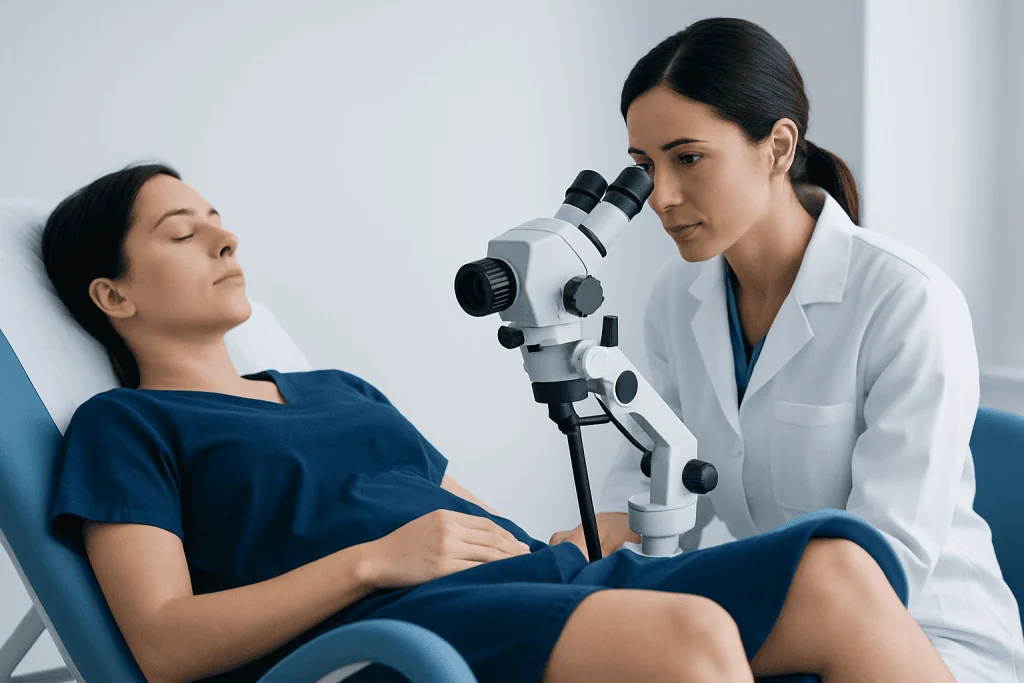
HPV is commonly identified through cervical screening. Depending on local guidance and a person’s age, screening may include an HPV test, a Pap test (cytology), or both. The HPV test looks for high-risk viral types, while a Pap test looks for changes in cervical cells. These tests are preventive tools and do not diagnose cancer on their own.
An HPV-positive result can feel worrying, but it is common and usually manageable. It means that high-risk HPV genetic material was detected in a cervical sample; it does not show how long the infection has been present, who transmitted it, or whether it will lead to cell changes. Many infections are temporary, and follow-up testing helps determine whether the virus has persisted.
If screening suggests more significant cell changes, a gynecologist may recommend colposcopy. During this office examination, the cervix is viewed under magnification and small tissue samples may be taken if an area looks abnormal. Biopsy results guide whether observation or treatment is safest.
How Treatment Works, Who May Need It, and the Procedure Steps

Not every woman with HPV needs a procedure. Monitoring is often appropriate when mild cervical cell changes are present, particularly because these changes may return to normal as HPV resolves. Treatment is more likely to be advised when a biopsy confirms moderate or severe precancerous changes, when abnormalities persist, or when there are genital warts that cause symptoms or distress.
For cervical precancer, commonly used procedures include loop electrosurgical excision procedure (LEEP/LLETZ), cone biopsy, laser treatment, or freezing therapy in selected situations. These treatments remove or destroy the abnormal area while preserving as much healthy cervical tissue as possible. The choice is based on the type and location of the lesion, biopsy findings, future pregnancy plans, and local clinical practice.
A typical process begins with screening, followed by colposcopy and biopsy when needed. If treatment is recommended, the clinician explains the expected benefits, alternatives, anesthesia or local numbing options, and possible effects on future pregnancies. During an excisional procedure such as LEEP, an electrically heated wire loop removes a small area of abnormal tissue, which is then examined in a laboratory. Follow-up HPV-based testing is essential because treatment removes changed cells but may not immediately remove all HPV infection.
Genital warts can be treated with clinician-applied freezing, acids, surgical removal, or other approaches; some external wart treatments can be prescribed for home use. Warts may recur because HPV can remain in nearby skin, and treatment decisions should be made with a qualified clinician rather than by using over-the-counter wart products intended for hands or feet.
Benefits, Risks, and Recovery Timeline
The main benefit of treating cervical precancer is preventing progression to cervical cancer. Excisional procedures also provide tissue for laboratory assessment, helping clinicians confirm the diagnosis and check whether abnormal cells were fully removed. Treatment of genital warts can reduce discomfort, bleeding, irritation, and the emotional impact of visible lesions, although it does not guarantee that warts will not return.
After a cervical biopsy, mild spotting or a dark discharge may occur for a few days. Following LEEP, cone biopsy, or similar treatment, light bleeding or watery, brown, or dark discharge can continue for several weeks as the cervix heals. Clinicians commonly advise avoiding vaginal intercourse, tampons, and swimming for a period that is specific to the procedure and the individual’s healing progress.
Possible risks of cervical procedures include bleeding, infection, cervical narrowing, and incomplete removal or later recurrence of abnormal cells. Removal of a larger amount of cervical tissue can be associated with a higher chance of some pregnancy complications, such as preterm birth, so pregnancy plans should be discussed before treatment whenever possible. Seek prompt advice for heavy bleeding, worsening pelvic pain, fever, foul-smelling discharge, or feeling unwell after a procedure.
Follow-up is a key part of successful care. Repeat HPV testing and cervical screening are usually recommended at set intervals after treatment, because people who have had high-grade changes need continued surveillance even when treatment results are reassuring.
Can I Live a Long Life With HPV?
Yes. Most people with HPV live long, healthy lives. HPV infection is extremely common, and in most cases the immune system clears or suppresses it without causing long-term health problems. A positive HPV test is not a diagnosis of cancer.
The important step is to attend recommended screening and follow-up appointments. Persistent infection with certain high-risk HPV types can lead to precancerous cell changes over years, but screening can find these changes early, when they can usually be monitored or treated effectively. Regular preventive care greatly reduces the likelihood that cervical abnormalities will progress unnoticed.
People with weakened immune systems, including those living with HIV or taking immune-suppressing medicines, may need more frequent screening or tailored follow-up. A gynecologist or primary care clinician can advise on the schedule that best fits the person’s health history.
What Are the First Signs of HPV in a Woman?
HPV often has no first signs. Most women do not feel HPV infection and only learn about it after an HPV test or an abnormal cervical screening result. This is why routine screening is important even when there are no symptoms.
Low-risk HPV may cause genital warts, which can appear as small bumps, flat lesions, or cauliflower-like growths around the vulva, vagina, cervix, anus, or groin. They may be painless, itchy, irritated, or associated with minor bleeding. A clinician should assess any new genital lump or skin change because other conditions can look similar.
Precancerous cervical changes generally do not cause symptoms. Vaginal bleeding after sex, bleeding between periods, bleeding after menopause, persistent unusual discharge, or ongoing pelvic pain should be assessed, but these symptoms have many possible causes and do not necessarily mean HPV-related disease.
Why Did My Wife Test Positive for HPV? Is HPV Still Considered an STD?
HPV is usually passed through intimate skin-to-skin sexual contact, including vaginal, anal, and oral sex. It is generally considered a sexually transmitted infection (STI), sometimes called an STD. Because it can spread without intercourse and often causes no symptoms, it can be difficult to know exactly when transmission occurred.
A positive result may reflect a recent infection or an infection acquired years earlier that became detectable again. HPV can remain inactive for a long time, and tests cannot determine the timing or source of infection. For this reason, a wife testing positive for HPV does not show that either partner has been unfaithful.
In established relationships, partners commonly have already shared HPV, and routine HPV testing is not generally recommended for male partners. Condoms can lower, but do not completely eliminate, the chance of HPV transmission because the virus can infect uncovered genital skin. Couples can discuss questions or concerns with a sexual health clinician together if helpful.
Prevention, Self-Care, and When to Seek Medical Care
HPV vaccination protects against several HPV types that cause most HPV-related cancers and genital warts. It does not treat an existing infection, but it may still offer protection against types a person has not encountered. Eligibility varies by age, medical history, and country, so vaccination should be discussed with a clinician. Screening should continue as advised even after vaccination.
Using condoms and dental dams consistently can reduce the chance of HPV transmission, although they cannot provide complete protection. Avoiding tobacco is also helpful, as smoking can make it harder for the body to clear HPV and is linked with cervical cell changes. There is no proven supplement, cleansing product, or home remedy that clears HPV; routine care, balanced nutrition, and not smoking are more reliable supportive measures.
Medical care should be sought for new genital warts, unexplained genital sores or lumps, bleeding after sex, bleeding between periods, bleeding after menopause, persistent abnormal discharge, or pelvic pain. It is also important to arrange timely follow-up after an abnormal HPV or Pap test, even when there are no symptoms. Acibadem International’s multidisciplinary specialists and JCI-accredited hospitals support diagnosis, cervical screening, and treatment planning for international patients.
Frequently asked questions
Can HPV be cured in women?
There is no treatment that directly removes HPV from the body. However, the immune system often clears or suppresses the infection naturally, and treatments are available for HPV-related genital warts and precancerous cell changes. Follow-up testing helps confirm that cervical health remains stable.
Does a positive HPV test mean cervical cancer?
No. A positive result means that a high-risk type of HPV was detected, not that cancer is present. Most HPV infections do not cause cancer, especially when recommended screening and follow-up care are completed.
How long does HPV last in women?
Many HPV infections become undetectable within one to two years, although timing varies from person to person. Some high-risk infections persist longer and need closer follow-up because persistence increases the chance of cervical cell changes.
Can a woman with HPV have sex?
In most cases, yes. HPV is common and can be shared between partners without either person knowing. Condoms reduce, but do not eliminate, transmission risk, and a clinician may recommend avoiding sex temporarily after cervical treatment to allow healing.
Can HPV affect pregnancy?
Most HPV infections do not affect pregnancy. If cervical treatment is needed, the timing and method are carefully considered because some procedures may affect the cervix and future pregnancy risk. Pregnant women with abnormal screening results should follow advice from an obstetrician or gynecologist.
Do genital warts mean I have a high-risk HPV type?
Usually not. Genital warts are most often caused by low-risk HPV types that are not usually associated with cancer. A person may still need routine cervical screening based on their age and local recommendations.
References
- World Health Organization
- Centers for Disease Control and Prevention
- American College of Obstetricians and Gynecologists
- National Cancer Institute
- International Agency for Research on Cancer
This article is for general information only and is not a substitute for professional medical advice. Please consult a qualified doctor about your individual situation.
Oncology care in Turkey — second opinion and treatment plan
JCI-accredited · board-certified surgeons · reply within 24h
Add us as a Preferred Source to see more of our trusted health content across Google Search, AI Overviews and Discover.