Treatment of Anterior Cruciate Ligament Injuries: How It Works, Results and What to Expect
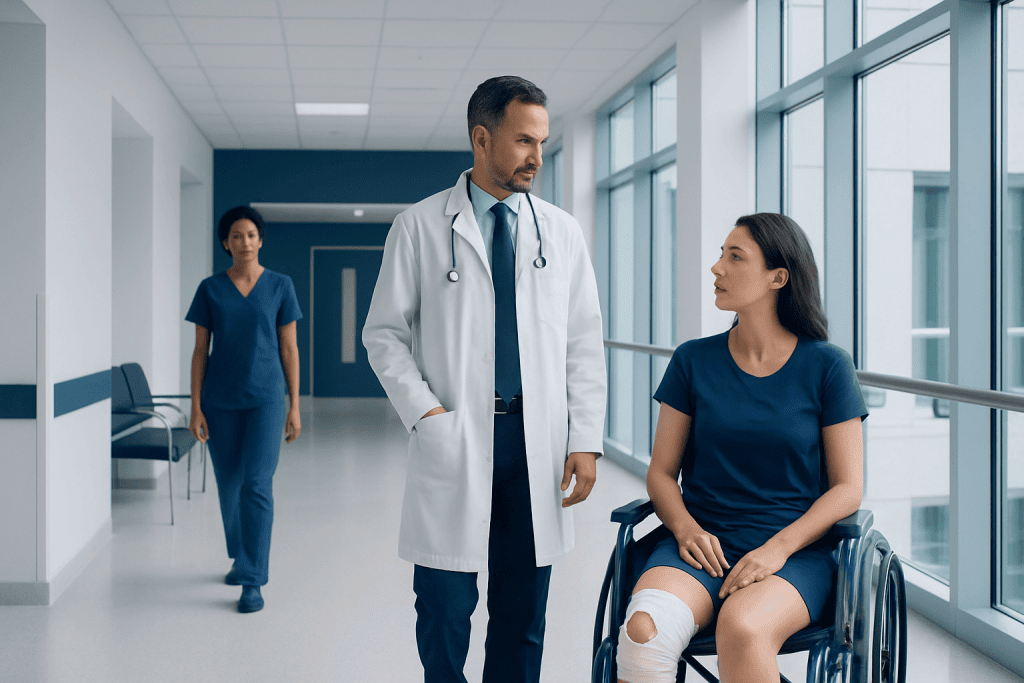
A torn ACL does not always require surgery, but persistent instability can increase the chance of further knee injury. Rehabilitation is essential whether treatment is non-surgical or includes ACL reconstruction.
Key Takeaways
- A torn ACL does not always require surgery, but persistent instability can increase the chance of further knee injury.
- Rehabilitation is essential whether treatment is non-surgical or includes ACL reconstruction.
- ACL reconstruction usually replaces the torn ligament with a graft rather than repairing it directly.
- Return to pivoting sports commonly takes many months and should be based on recovery criteria, not the calendar alone.
- Prompt assessment is important when a knee injury causes swelling, locking, inability to bear weight or repeated giving way.
Treatment of anterior cruciate ligament injuries is individualized: some people regain stable, functional knees with structured rehabilitation, while others benefit from ACL reconstruction surgery. The decision depends on symptoms of instability, activity demands, associated knee injuries and personal goals.
Overview: How ACL Injury Treatment Works
The anterior cruciate ligament (ACL) is one of the main ligaments inside the knee. It helps control forward movement and rotation of the shin bone relative to the thigh bone. It may tear during a sudden change of direction, awkward landing, direct impact or knee hyperextension. A tear can be partial or complete, and it may occur alone or together with damage to the meniscus, cartilage or other ligaments.
Treatment of anterior cruciate ligament injuries focuses on restoring knee movement, strength, confidence and stability for daily life, work and sport. Initial care often includes activity modification, ice, compression, elevation, pain relief advised by a clinician and early guided exercises. Longer-term care may be non-surgical rehabilitation or ACL reconstruction, followed by a carefully progressed rehabilitation program.
There is no single best plan for every person. A specialist considers the degree of instability, the person’s age and general health, occupation, preferred activities, associated injuries and willingness to participate in rehabilitation. The goal is not simply to obtain a scan result, but to help the person return safely to meaningful activities with the lowest reasonable risk of repeat injury.
Symptoms, Assessment and Diagnosis
Many people describe hearing or feeling a “pop” when the ACL tears. Rapid swelling, pain, reduced range of motion and difficulty continuing activity are common in the first hours or days. Once early swelling settles, some people mainly notice that the knee feels unstable, shifts or gives way during turning, stepping off a curb or changing direction.
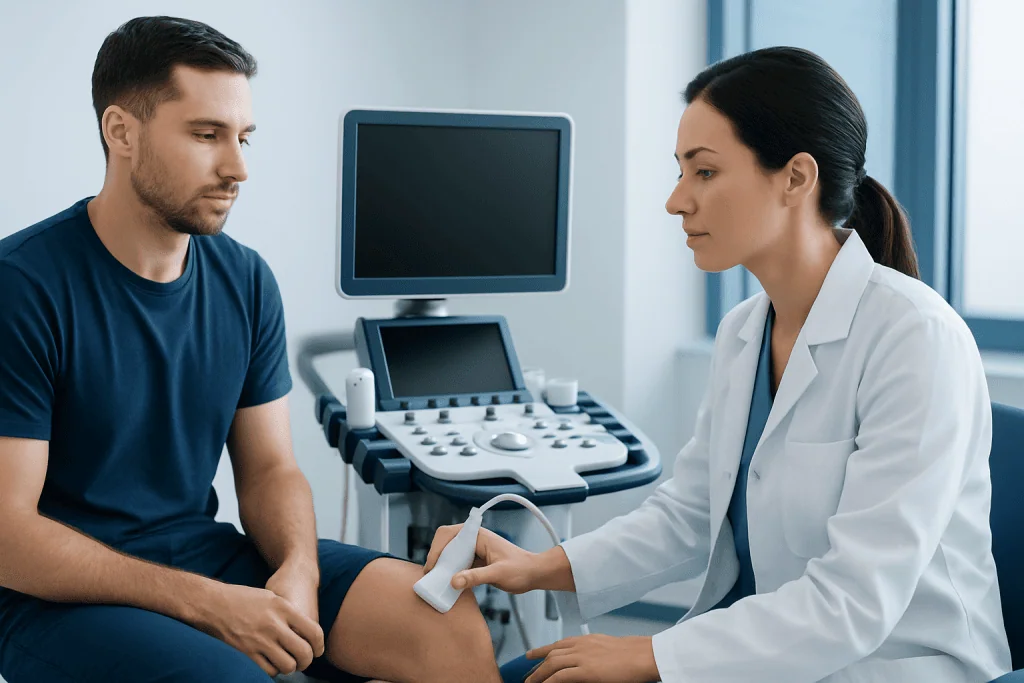
A clinician will ask how the injury happened and whether the knee has locked, caught or given way. They will examine swelling, movement, tenderness and ligament stability. Several hands-on tests can help assess the ACL, although pain and swelling soon after injury may make examination less precise.
X-rays may be used to exclude a fracture or identify a small bone avulsion. Magnetic resonance imaging (MRI) can show the ACL and identify associated injuries, such as a meniscus tear or cartilage damage. Imaging supports decision-making but is interpreted alongside symptoms, examination findings and the person’s functional needs.
- Partial ACL tears may retain some fibers and can sometimes be managed without reconstruction if the knee remains stable.
- Complete ACL tears are more likely to cause instability, especially during pivoting activities, but treatment is still individualized.
- Combined injuries, including repairable meniscus tears, may make surgery more appropriate in some cases.
Who May Benefit From Rehabilitation or ACL Reconstruction?
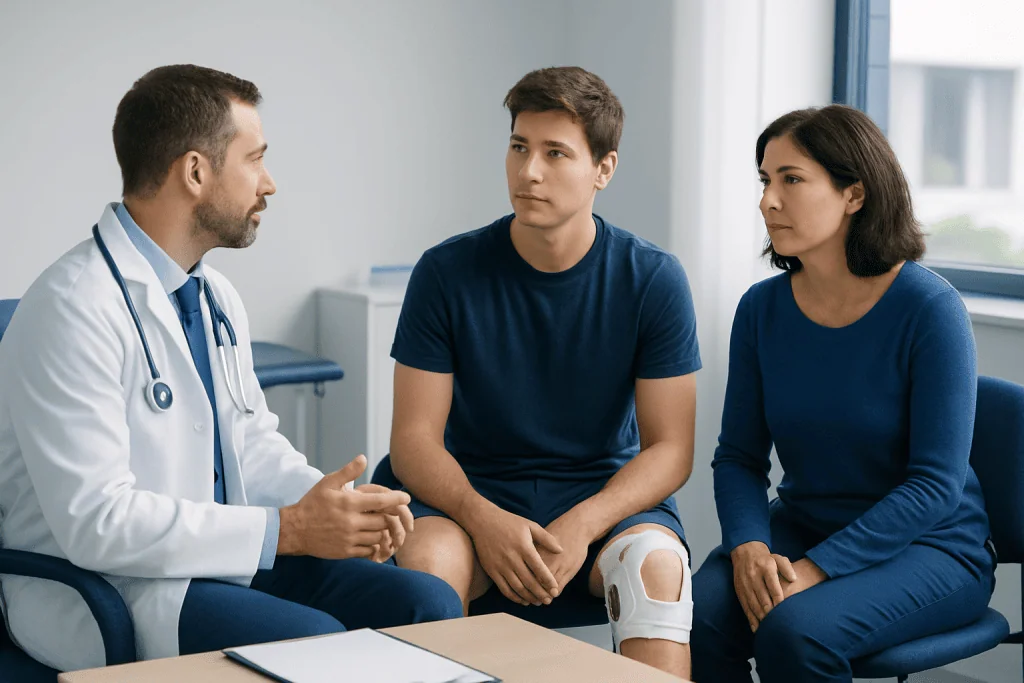
Non-surgical care can be a reasonable option for people whose knees are stable in daily life, who do not participate in pivoting or contact sports, or who prefer to avoid surgery. It usually involves structured physiotherapy to restore full knee extension, improve quadriceps and hamstring strength, build balance and movement control, and gradually return to suitable activities. Some people may use a brace for selected tasks, although a brace does not replace strength and neuromuscular training.
ACL reconstruction may be considered when the knee repeatedly gives way, when a person wishes to return to sports involving cutting, pivoting or jumping, or when there are associated injuries that need surgical treatment. It may also be appropriate for people whose work requires reliable knee stability. Surgery is usually planned after swelling has improved and enough movement and muscle control have been regained, unless another injury requires more urgent care.
Age alone does not determine candidacy. Children and adolescents require particular expertise because growth plates may still be open, while older adults may be good candidates if they are healthy, active and have instability that affects their goals. An orthopedic knee specialist can explain whether conservative care, reconstruction or a staged approach is most suitable.
ACL Reconstruction: Step by Step
ACL reconstruction is commonly performed with arthroscopic, or keyhole, techniques under anesthesia. The surgeon first inspects the inside of the knee through a small camera. This allows assessment and treatment of associated meniscus or cartilage injuries where appropriate. The torn ACL is generally not stitched back together because it has limited healing capacity in its usual location.
The surgeon creates bone tunnels in the thigh bone and shin bone and places a graft in the position of the original ACL. The graft may come from the patient’s own tissue, commonly the hamstring tendon, patellar tendon or quadriceps tendon. In selected situations, donor tissue may be discussed. Graft selection is individualized and reflects anatomy, activity level, previous surgery, associated injuries and the surgeon’s clinical judgment.
The graft is secured with fixation devices while the knee is positioned carefully. Over time, the body incorporates and remodels the graft. If the meniscus is repaired during the same operation, early weight-bearing and bending restrictions may differ from those used after an isolated reconstruction. ACL reconstruction should always be understood as one part of a longer recovery process that depends heavily on rehabilitation.
Most people begin early rehabilitation soon after surgery. They receive instructions on wound care, swelling management, safe walking, exercises and follow-up. The exact plan varies according to the graft used, the condition of the knee and any additional procedures performed.
Benefits, Risks and Recovery Timeline
Potential benefits of ACL reconstruction include improved knee stability and a better chance of returning to activities that demand pivoting, jumping or rapid changes of direction. Non-surgical treatment can also provide good function for selected people, particularly when they can modify activities and do not experience instability. In either pathway, improved strength, movement quality and confidence are important treatment outcomes.
Every treatment approach has limitations. Without adequate stability, repeated giving way may contribute to further meniscus or cartilage injury. Surgery carries risks including infection, blood clots, bleeding, stiffness, persistent pain, numbness around the incision, graft failure, new injury and the need for further treatment. These complications are not expected, but they should be discussed before a decision is made.
Recovery begins with reducing swelling, regaining full knee extension and restoring a normal walking pattern. During the following months, rehabilitation progresses to strength, balance, controlled jogging and sport-specific drills when appropriate. Timelines differ, especially if a meniscus repair or other procedure was performed. Return to sport should be based on clinical examination, strength and functional testing, movement quality and psychological readiness rather than time alone.
For international patients, Acibadem International’s multidisciplinary orthopedic, radiology, anesthesiology and rehabilitation teams at JCI-accredited hospitals can assess ACL injuries and coordinate treatment and follow-up planning.
Can You Recover 100% From a Torn ACL?
Many people recover excellent knee function after a torn ACL and return to work, exercise and, in some cases, competitive sport. However, “100%” is difficult to define because recovery involves more than a healed surgical site or a painless knee. It includes strength, coordination, confidence, sport-specific performance and protection against future injury.
Some people have ongoing symptoms such as occasional stiffness, weakness, altered confidence with turning movements or discomfort from associated meniscus or cartilage damage. A reconstructed ACL also does not eliminate the possibility of a future tear in the reconstructed knee or an ACL injury in the other knee. Following an individualized rehabilitation plan and meeting return-to-activity criteria can improve the likelihood of a successful outcome.
Do You Ever Fully Recover From an ACL Injury?
It is possible to fully recover in the practical sense of returning to desired daily activities without pain or instability. Whether this occurs depends on the severity of the injury, associated damage, treatment choice, rehabilitation participation, physical demands and individual healing. People who do not require cutting or pivoting movements may function very well with rehabilitation alone.
For those who undergo reconstruction, recovery continues after the incisions heal because the graft must biologically incorporate and the surrounding muscles must regain strength and control. Regular reassessment by a rehabilitation professional helps ensure that progression is appropriate. A gradual, criteria-based return is safer than trying to resume demanding activity simply because a certain number of months has passed.
Is a Torn ACL the Worst Injury?
A torn ACL is a significant knee injury, particularly for active people, but it is not automatically the “worst” injury. Its impact varies considerably. Some ACL tears can be managed successfully without surgery, while others require reconstruction because of instability or combined injuries.
Injuries involving multiple knee ligaments, fractures, major cartilage damage, dislocation, nerve injury or blood vessel injury can be more urgent or complex. An ACL tear should nevertheless be assessed promptly so that associated injuries are recognized and a safe plan can be made. The outlook is often favorable when treatment and rehabilitation are tailored to the individual.
How Long Does It Take to Recover From an Anterior Cruciate Ligament Injury?
Recovery time varies. Early pain and swelling may improve over several weeks, while rehabilitation after a non-surgical ACL injury often continues for months. People may return to routine daily activities sooner than they return to demanding work, running or sports that involve pivoting.
After ACL reconstruction, many people need several months of structured rehabilitation before returning to running and progressive sport drills. Return to pivoting or contact sport is often considered around nine to twelve months or longer, but this should be individualized. Strength symmetry, hopping and movement tests, knee stability, absence of significant swelling and readiness to return are all more meaningful than a fixed date.
Recovery may take longer if there was a meniscus repair, cartilage procedure, reduced preoperative strength, complications or difficulty attending rehabilitation. Patience and consistent rehabilitation are important because an early return before the knee is ready can raise the risk of reinjury.
When to Seek Medical Care
Medical assessment is advisable after a twisting injury or impact that causes a pop, immediate swelling, difficulty bearing weight, inability to fully straighten the knee or a feeling that the knee is unstable. Timely evaluation can identify ACL injury and related meniscus, cartilage or bone injuries, and can help start appropriate early care.
Urgent medical care is needed if the knee looks deformed, the foot becomes cold, pale, numb or weak, severe pain is worsening, or there is marked swelling after a major injury. These signs may indicate injuries beyond an isolated ACL tear. People should also seek review if a previously injured knee repeatedly gives way, locks or develops new swelling during rehabilitation.
Until assessed, it is sensible to avoid pivoting, jumping and activities that cause the knee to buckle. A clinician can advise on safe weight-bearing, temporary support and pain management. Early specialist guidance helps protect the knee while longer-term treatment decisions are made.
Frequently asked questions
Does every torn ACL need surgery?
No. Some people can achieve stable, comfortable knee function with structured rehabilitation and activity modification. Surgery may be considered when the knee gives way, when pivoting sports or demanding work are important, or when there are associated injuries that require treatment.
Can an ACL heal without surgery?
The ACL has limited ability to heal reliably after a complete tear because of its location and blood supply. Some people with partial tears or stable knees can function well without reconstruction, but this does not necessarily mean the ligament has returned to its original structure. A specialist can assess knee stability and help determine the safest approach.
When can someone walk after ACL reconstruction?
Many people begin walking with crutches soon after surgery, with the amount of weight-bearing guided by the surgeon and physiotherapist. The plan may be more restrictive if a meniscus repair or other procedure was performed at the same time. Walking should progress as swelling, pain, muscle control and gait improve.
What happens if an ACL tear is left untreated?
Some people manage well without surgery, especially if they do not have instability and can adapt their activities. However, repeated episodes of the knee giving way can increase the chance of damaging the meniscus or joint cartilage. Ongoing instability should be discussed with an orthopedic specialist.
Can a person return to sports after ACL reconstruction?
Many people return to sport after ACL reconstruction, but the timing and level of return vary. A safe return requires restored strength, balance, movement control, knee stability and sport-specific readiness. Rehabilitation professionals commonly use functional testing to help guide this decision.
How can reinjury after an ACL tear be reduced?
Consistent rehabilitation, progressive strengthening, balance training and learning safe landing and turning techniques can help reduce risk. Returning to demanding activity only after meeting individualized functional criteria is also important. Wearing a brace may be advised in selected situations, but it is not a substitute for rehabilitation.
References
- American Academy of Orthopaedic Surgeons
- OrthoInfo – American Academy of Orthopaedic Surgeons
- National Institute of Arthritis and Musculoskeletal and Skin Diseases
- American Orthopaedic Society for Sports Medicine
- National Institute for Health and Care Excellence
This article is for general information only and is not a substitute for professional medical advice. Please consult a qualified doctor about your individual situation.
Joint and spine care in Turkey — expert assessment & treatment
JCI-accredited · board-certified surgeons · reply within 24h
Add us as a Preferred Source to see more of our trusted health content across Google Search, AI Overviews and Discover.