Treatment of Hashimoto’s Thyroiditis: How It Works, Results and What to Expect

Hashimoto's thyroiditis is an autoimmune condition that can gradually cause an underactive thyroid. Not everyone needs medication immediately; treatment depends mainly on thyroid hormone and TSH test results, symptoms, and individual circumstances.
Key Takeaways
- Hashimoto's thyroiditis is an autoimmune condition that can gradually cause an underactive thyroid.
- Not everyone needs medication immediately; treatment depends mainly on thyroid hormone and TSH test results, symptoms, and individual circumstances.
- Levothyroxine is the standard treatment for hypothyroidism caused by Hashimoto's and is often taken long term.
- Regular blood tests help clinicians adjust treatment safely, especially during pregnancy, illness, or major life changes.
- There is no proven diet or supplement that replaces appropriate thyroid hormone treatment.
- New or worsening symptoms, neck swelling, pregnancy planning, or medication concerns should be discussed with a clinician.
Treatment of Hashimoto's thyroiditis focuses on monitoring thyroid function and replacing thyroid hormone if the gland can no longer make enough. Although the autoimmune process cannot currently be cured, most people can achieve stable hormone levels and feel well with individualized medical follow-up.
Treatment of Hashimoto's Thyroiditis: How It Works
Treatment of Hashimoto’s thyroiditis is designed to correct low thyroid hormone levels when they develop and to monitor thyroid function over time. Hashimoto’s is an autoimmune thyroid condition: the immune system mistakenly targets thyroid tissue, and inflammation may gradually reduce the gland’s ability to produce hormones. The condition may be present for years before hypothyroidism develops.
When blood tests show that the thyroid is underactive, the usual treatment is levothyroxine, a laboratory-made form of thyroxine (T4), a hormone normally produced by the thyroid. It replaces the hormone the body needs for metabolism, temperature regulation, heart function, bowel activity, skin and hair health, and many other processes. The goal is not to suppress the immune system routinely, but to maintain thyroid hormone levels in a healthy range.
Some people have thyroid antibodies but normal thyroid function. In this situation, medication may not be necessary right away. A clinician may recommend repeat thyroid-stimulating hormone (TSH) and free T4 testing, since treatment decisions should be based on thyroid function, symptoms, age, pregnancy status, and relevant medical history.
Who Needs Treatment and How Is It Planned?
People with overt hypothyroidism—typically a high TSH level together with a low free T4 level—generally benefit from thyroid hormone replacement. Treatment may also be considered for some people with persistently elevated TSH but normal free T4, known as subclinical hypothyroidism. The decision is individualized and may take account of symptoms, TSH level, thyroid antibody status, cholesterol levels, fertility plans, pregnancy, age, and cardiovascular health.
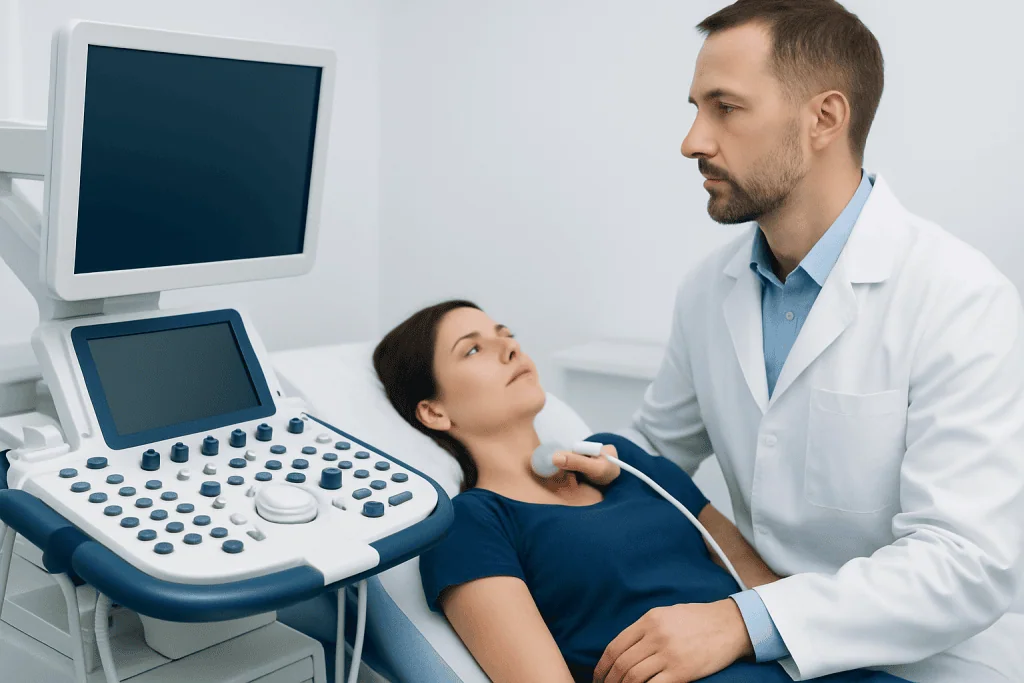
Before starting treatment, a clinician usually reviews symptoms, current medicines, supplements, medical conditions, and family history. Blood tests commonly include TSH and free T4; thyroid peroxidase antibody testing can support the diagnosis. A thyroid ultrasound is not required for everyone, but may be useful if there is thyroid enlargement, a nodule, pain, pressure symptoms, or an uncertain diagnosis.
Levothyroxine is suitable for many people, including those who are pregnant or planning pregnancy, but the dose and monitoring schedule require medical guidance. Older adults and people with coronary artery disease may need a more cautious starting approach. An endocrinologist can help when test results are difficult to interpret, symptoms continue despite treatment, or other endocrine conditions are suspected.
What Happens During Treatment? Step by Step

Thyroid hormone replacement is not a procedure or surgery; it is a daily treatment plan adjusted through blood testing. After diagnosis, the clinician selects an initial levothyroxine dose based on factors such as body size, age, severity of hypothyroidism, pregnancy status, and heart health. The medicine is generally taken consistently as directed, often on an empty stomach, because food and certain products can affect absorption.
TSH is usually rechecked several weeks after starting treatment or changing a dose, as the body needs time to reach a new steady hormone level. The clinician then adjusts the dose if needed. Once levels are stable, testing is commonly less frequent, although ongoing monitoring remains important because hormone requirements can change over time.
Iron and calcium supplements, some antacids, and certain medications can reduce levothyroxine absorption when taken too close together. A pharmacist or clinician can explain how to separate these products appropriately and whether any medicines need review. Patients should not change brands, stop treatment, or adjust the dose on their own without discussing it with their healthcare team.
For comprehensive evaluation and thyroid treatment, care may involve endocrinology, laboratory medicine, nutrition support when appropriate, and other specialists based on a person’s symptoms and health needs.
Results, Recovery Timeline, Benefits and Risks
There is no recovery period in the usual surgical sense, because Hashimoto’s is most often managed with daily medication and follow-up rather than an invasive treatment. Some symptoms, such as tiredness, feeling cold, constipation, or slowed thinking, may begin to improve over several weeks once thyroid hormone levels are corrected. Hair, skin, weight-related, and menstrual changes may take longer and can have causes beyond thyroid disease.
The main benefit of properly adjusted treatment is restoration of normal thyroid hormone activity. This can improve symptoms of hypothyroidism and help prevent complications associated with long-term untreated low thyroid hormone, such as unfavorable cholesterol changes, fertility and pregnancy complications, or more severe slowing of body functions.
Risks usually relate to too little or too much thyroid hormone replacement. An insufficient dose may leave hypothyroid symptoms and abnormal blood results untreated. An excessive dose can cause symptoms such as palpitations, shakiness, anxiety, sleep problems, heat intolerance, or unintentional weight loss; over time, excessive hormone levels can affect bone and heart health. Regular testing helps reduce these risks.
Thyroid surgery is not a routine treatment for Hashimoto’s. It may occasionally be considered for a suspicious nodule, confirmed thyroid cancer, a very enlarged gland causing swallowing or breathing pressure, or another specific thyroid problem. These situations require specialist assessment.
What Are the Five Stages of Hashimoto's?
There is no universally accepted medical system that divides Hashimoto’s thyroiditis into exactly five stages. The phrase “five stages” is often used online to describe a possible progression, but it should not replace clinical testing or create expectations that every person will follow the same pattern.
In practical clinical terms, Hashimoto’s may progress from genetic susceptibility and early immune activity, to positive thyroid antibodies with normal hormone levels, then to mild TSH elevation, and eventually to overt hypothyroidism in some people. Others remain in the antibody-positive, normal-thyroid-function phase for a long time and may never develop significant hypothyroidism.
A clinician follows the condition with TSH and free T4 rather than assigning a stage. Antibody levels can help confirm autoimmune thyroid disease, but repeating them is usually less useful than monitoring thyroid function and symptoms over time.
What Should You Not Do With Hashimoto's?
People with Hashimoto’s should not stop or change prescribed thyroid hormone on their own, even if they feel better. Feeling better often means the treatment is working. Stopping medication can allow hypothyroidism to return, while taking extra hormone can lead to excessive thyroid hormone levels.
It is also sensible to avoid relying on “thyroid support” products or high-dose iodine supplements without professional advice. Some supplements contain variable amounts of iodine or even undisclosed thyroid hormone, and excess iodine may worsen autoimmune thyroid dysfunction in susceptible people. Selenium and other supplements are not appropriate for everyone and should be discussed with a clinician.
Strict elimination diets are not routinely required. A balanced eating pattern can support general health, but there is no single diet proven to cure Hashimoto’s. People with digestive symptoms, anemia, unexplained weight loss, or a family history of autoimmune disease may need assessment for conditions such as celiac disease rather than broad dietary restriction without evaluation.
Consistency is important: levothyroxine should be taken according to the clinician’s instructions, and blood tests should be completed as scheduled. Informing clinicians about pregnancy, new medicines, supplements, or major changes in eating habits helps keep treatment accurate.
What Is the Sister Disease to Hashimoto's? What Are the Biggest Triggers?
Graves’ disease is often described as the “sister” autoimmune thyroid disease to Hashimoto’s because both involve immune system activity directed at the thyroid. However, Graves’ disease usually causes too much thyroid hormone, or hyperthyroidism, whereas Hashimoto’s more commonly leads to too little hormone over time. A person can have changing thyroid function, so symptoms and blood tests should guide evaluation rather than labels alone.
Hashimoto’s does not have one proven trigger. It develops through a combination of genetic susceptibility and environmental influences. Family history of autoimmune disease, female sex, pregnancy and the period after childbirth, and having another autoimmune condition are recognized risk factors. Iodine excess, certain medications, radiation exposure, infections, smoking status, and major stress are sometimes discussed as possible influences, but they do not explain every case and are not usually direct, preventable causes.
Patients should avoid blaming themselves for developing Hashimoto’s. Good sleep, regular movement, adequate nutrition, and management of other health conditions can support wellbeing, but they do not replace medical monitoring. If symptoms suggest another autoimmune condition, a clinician can decide whether targeted testing is appropriate.
When to Seek Medical Care
Medical review is appropriate for persistent fatigue, constipation, dry skin, hair changes, feeling unusually cold, unexplained weight change, low mood, heavy or irregular periods, fertility concerns, or a visible or felt neck swelling. These symptoms can have many causes, so blood tests are important before assuming they are due to thyroid disease.
Prompt advice is especially important during pregnancy or when planning pregnancy, because thyroid hormone needs can change early in pregnancy and healthy thyroid levels support maternal and fetal health. People already taking levothyroxine should contact their clinician soon after a positive pregnancy test for individualized testing and dose guidance.
Urgent medical assessment is needed for severe chest pain, fainting, marked shortness of breath, confusion, or a rapidly enlarging neck swelling. These symptoms are not typical of routine Hashimoto’s management and should not be ignored.
Acibadem International’s multidisciplinary specialists and JCI-accredited hospitals diagnose and treat thyroid conditions for international patients, with care plans based on clinical assessment and follow-up testing.
Frequently asked questions
Can Hashimoto's thyroiditis be cured?
There is currently no treatment that reliably cures the autoimmune process behind Hashimoto's thyroiditis. However, low thyroid hormone levels can usually be treated effectively with levothyroxine, and many people maintain normal thyroid tests and good quality of life with regular follow-up.
Do all people with Hashimoto's need levothyroxine?
No. People who have thyroid antibodies but normal TSH and free T4 levels may only need periodic monitoring. Levothyroxine is generally recommended when hypothyroidism develops, while some milder cases are assessed individually.
How long does it take to feel better after starting levothyroxine?
Some symptoms may begin to improve within several weeks, but full improvement can take longer. The timing depends on how low thyroid hormone levels were, whether the dose is correct, and whether symptoms have another cause.
Can diet treat Hashimoto's thyroiditis?
A nutritious, balanced diet supports general health but does not replace thyroid hormone when the thyroid is underactive. There is no universal Hashimoto's diet proven to cure the condition, and restrictive diets should be discussed with a qualified clinician or dietitian.
Is Hashimoto's the same as hypothyroidism?
Hashimoto's is an autoimmune disease that can cause hypothyroidism, but the terms are not identical. Hypothyroidism means the thyroid is producing too little hormone and can occur for several reasons, including Hashimoto's, thyroid surgery, radioactive iodine treatment, or certain medicines.
How often should thyroid levels be checked?
Testing is usually repeated several weeks after starting or changing levothyroxine, then less often once results are stable. The appropriate schedule varies with pregnancy, symptoms, test results, other illnesses, and medication changes.
References
- American Thyroid Association
- National Institute of Diabetes and Digestive and Kidney Diseases
- Mayo Clinic
- British Thyroid Foundation
- World Health Organization
This article is for general information only and is not a substitute for professional medical advice. Please consult a qualified doctor about your individual situation.
Explore treatments in Turkey — costs, top hospitals & a free quote
JCI-accredited · board-certified surgeons · reply within 24h
Add us as a Preferred Source to see more of our trusted health content across Google Search, AI Overviews and Discover.
Check your numbers in seconds
BMI, calories, due date, blood pressure and 30+ more clinical calculators — free, instant, doctor-reviewed ranges.