Treatment Papillary Thyroid Carcinoma: How It Works, Results and What to Expect

Surgery is the main treatment for many papillary thyroid carcinomas, although selected very small low-risk cancers may be monitored first. Radioactive iodine is not needed for every patient; it is used when it is likely to improve disease control or simplify follow-up.
Key Takeaways
- Surgery is the main treatment for many papillary thyroid carcinomas, although selected very small low-risk cancers may be monitored first.
- Radioactive iodine is not needed for every patient; it is used when it is likely to improve disease control or simplify follow-up.
- Thyroid hormone replacement is usually needed after total thyroid removal and may also help reduce stimulation of remaining thyroid cancer cells.
- Follow-up commonly includes physical examinations, neck ultrasound, blood tests and individualized imaging when needed.
- A second opinion is reasonable if the diagnosis, recommended treatment or care options are unclear.
Treatment papillary thyroid carcinoma is individualized and often begins with surgery, followed by selective use of radioactive iodine and thyroid hormone therapy. Many people have effective long-term disease control, but the plan depends on tumor size, lymph nodes, spread, pathology findings and personal health needs.
Overview: how treatment papillary thyroid carcinoma works
Treatment papillary thyroid carcinoma usually combines careful risk assessment with surgery when appropriate, followed by tailored follow-up and, for some people, radioactive iodine or thyroid hormone treatment. The goal is to remove or control cancer while avoiding treatment that is unlikely to add benefit.
Papillary thyroid carcinoma is the most common type of thyroid cancer. It often grows slowly and is frequently highly treatable, especially when found before it has spread beyond the neck. However, treatment decisions should not be based on the diagnosis name alone. The care team considers the tumor’s size and location, lymph node involvement, whether cancer has spread, pathology results, age, other health conditions and the person’s preferences.
Management is usually planned by specialists in endocrinology, endocrine surgery, nuclear medicine, pathology, radiology and oncology. The treatment approach may range from active surveillance for a carefully selected small cancer to surgery and additional therapies for disease with higher-risk features.
What does treatment mean?
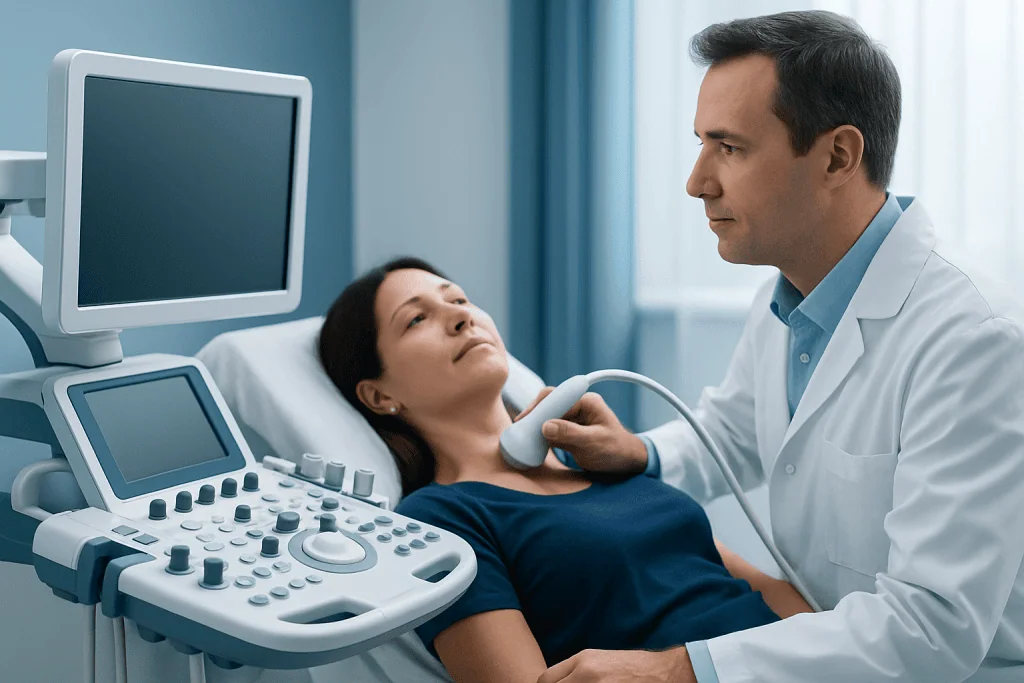
Treatment means medical care intended to manage a health condition. In papillary thyroid carcinoma, it may mean removing the tumor, reducing the chance of recurrence, treating cancer that remains or returns, and monitoring for changes over time.
Treatment is not always a single procedure. It can include active surveillance, an operation, radioactive iodine therapy, medicines, imaging and long-term laboratory monitoring. The most appropriate approach is the one that balances expected benefits with possible side effects for that individual.
In everyday language, synonyms for treatment include care, therapy, management and intervention. In cancer care, these terms may have slightly different meanings: therapy often refers to a specific medical treatment, while management includes surveillance, supportive care and follow-up as well.
Who may need treatment and how is the plan chosen?

Most people with confirmed papillary thyroid carcinoma are assessed for surgery. A thyroid lobectomy removes one side of the thyroid, while a total thyroidectomy removes the entire gland. For a small cancer confined to one lobe, lobectomy may be sufficient in some cases. Total thyroidectomy may be recommended when cancer affects both sides of the gland, is larger, has spread to lymph nodes or has other higher-risk features.
Some adults with a very small, low-risk papillary thyroid carcinoma may be candidates for active surveillance rather than immediate surgery. This involves regular ultrasound examinations and clinical review. It is only suitable when imaging and clinical findings suggest that close monitoring can be performed safely and reliably.
Before a plan is finalized, assessment commonly includes neck ultrasound, thyroid blood tests and a fine-needle aspiration biopsy of a suspicious nodule. If cancer is confirmed, further imaging may be considered to evaluate lymph nodes or possible spread. The pathology report after surgery provides important information that can refine the next steps.
Related thyroid conditions can also influence evaluation and long-term care, including thyroid nodules and thyroid hormone disorders. A clinician can explain how these findings relate to an individual cancer diagnosis.
What are the 5 main treatment types?
The five main approaches used in treatment papillary thyroid carcinoma are active surveillance, surgery, radioactive iodine therapy, thyroid hormone therapy and systemic treatment for uncommon advanced cases. Not everyone needs all of these options, and some people need only monitoring after an initial operation.
- Active surveillance: scheduled ultrasound and clinical review for selected very low-risk cancers.
- Surgery: thyroid lobectomy or total thyroidectomy, with removal of involved neck lymph nodes when necessary.
- Radioactive iodine: an oral treatment that can destroy remaining thyroid tissue or iodine-absorbing cancer cells after surgery.
- Thyroid hormone therapy: levothyroxine replaces needed hormone after thyroid removal and may be adjusted to keep thyroid-stimulating hormone at a suitable level.
- Systemic treatment: targeted medicines and, less often, other cancer therapies for cancer that cannot be fully treated with surgery or radioactive iodine.
External beam radiation therapy is occasionally used when disease cannot be safely removed or has a high risk of causing local problems, but it is not a routine treatment for most papillary thyroid carcinomas. Treatment choices are regularly reviewed as pathology, imaging and response to care become clearer.
Surgery and radioactive iodine: step by step
Before thyroid surgery, the team reviews imaging, biopsy findings, current medicines and general fitness for anesthesia. The surgeon discusses whether lobectomy or total thyroidectomy is recommended and whether lymph nodes in the central or side neck need to be removed. Voice assessment may be performed when there are symptoms or concern about the nerves that control the vocal cords.
During surgery, the surgeon makes an incision low in the front of the neck and removes the planned thyroid tissue. Great care is taken to protect the recurrent laryngeal nerves and parathyroid glands, which help regulate calcium levels. The removed tissue is examined by a pathologist, and results help determine whether further treatment is needed. Thyroidectomy may be recommended as a primary treatment when the cancer’s features make surgery the safest and most effective option.
Radioactive iodine, also called radioiodine or I-131 treatment, may be considered after total thyroidectomy for selected intermediate- or higher-risk cancers. It is taken by mouth and works because thyroid cells can absorb iodine. Preparation may involve dietary guidance and adjusting thyroid hormone treatment or using a medicine that raises thyroid-stimulating hormone. Safety instructions, including temporary distance precautions around others, are individualized by the nuclear medicine team.
After treatment, follow-up may include thyroglobulin blood testing, thyroid-stimulating hormone testing and neck ultrasound. Thyroglobulin can be a useful marker after total thyroidectomy, but results must always be interpreted alongside antibody testing, imaging and the person’s treatment history.
Benefits, risks and recovery timeline
The potential benefit of surgery is removal of known cancer and more accurate staging from the pathology examination. Radioactive iodine may treat microscopic iodine-absorbing disease that remains after surgery and can support follow-up in appropriate cases. Thyroid hormone therapy replaces a hormone the body needs and may reduce stimulation of thyroid cells in some patients.
Recovery after thyroid surgery varies. Many people go home within one or a few days, depending on the operation and their recovery. Neck discomfort, swallowing awareness, fatigue and a temporary change in voice can occur early on. The clinical team provides advice about incision care, activity, work and when to restart normal exercise. Final pathology results are often reviewed at a follow-up appointment after surgery.
Potential surgical risks include bleeding, infection, scar changes, temporary or persistent voice changes, and low calcium levels if the parathyroid glands are affected. Low calcium can cause tingling around the mouth or in the hands and feet, muscle cramps or spasms, and should be reported promptly. Most complications are uncommon, but informed consent should include an individualized discussion of risks.
Radioactive iodine can cause temporary dry mouth, taste changes, neck tenderness or nausea. Rare longer-term effects are considered when deciding whether it is appropriate. Thyroid hormone doses are monitored with blood tests, since too little or too much hormone can affect energy, heart rhythm, bone health and overall wellbeing.
Follow-up, self-care and what to do if treatment is declined
Long-term follow-up is an important part of treatment papillary thyroid carcinoma because recurrence can occasionally occur years after initial care. Follow-up frequency depends on risk level and response to treatment. It may include an examination, thyroid function tests, thyroglobulin and antibody tests, neck ultrasound, and further imaging only when clinically indicated.
People can support recovery by taking prescribed thyroid hormone consistently, attending planned appointments, protecting the surgical scar from strong sun while it heals, and discussing symptoms or medication side effects with their clinician. There is no proven special diet that cures thyroid cancer. A balanced eating pattern, regular activity as recovery allows, sleep and avoiding tobacco support general health.
If a doctor advises against a requested treatment, it does not necessarily mean care is being refused. The doctor may believe that the treatment is not indicated, may carry more risk than benefit, or may need additional tests before recommending it. A person can ask for a clear explanation, request copies of records and pathology reports, discuss alternatives, and seek a second opinion from an endocrinologist, endocrine surgeon or thyroid cancer multidisciplinary team.
Acibadem International’s multidisciplinary specialists in JCI-accredited hospitals assess and treat thyroid cancer for international patients, including planning surgery, nuclear medicine care and long-term endocrine follow-up when needed.
When to seek medical care
Anyone with a thyroid nodule, abnormal neck ultrasound or biopsy result should arrange timely review with a qualified clinician. Medical assessment is also appropriate for a new neck lump, persistent voice change, difficulty swallowing, breathing difficulty, or enlarged lymph nodes in the neck. These symptoms often have causes other than cancer, but they deserve professional evaluation.
After thyroid surgery, urgent medical advice is needed for rapidly increasing neck swelling, difficulty breathing, severe or worsening pain, fever with wound concerns, or symptoms of low calcium such as marked tingling, muscle cramps or spasms. Emergency services should be contacted immediately for trouble breathing or severe neck swelling.
During follow-up, new or persistent symptoms should be discussed rather than waiting for the next routine appointment. A care team can decide whether examination, blood tests or imaging is appropriate and provide reassurance when findings are not concerning.
Frequently asked questions
Is surgery always needed for papillary thyroid carcinoma?
Surgery is the main treatment for many people, but it is not always immediate or necessary for every case. Selected adults with a very small, low-risk cancer may be monitored through active surveillance. The decision should be made with a thyroid cancer specialist after reviewing ultrasound, biopsy and personal health factors.
Can papillary thyroid carcinoma be treated with only one thyroid lobe removed?
Yes, a thyroid lobectomy may be appropriate for some cancers that are small and limited to one side of the thyroid. Other people benefit more from total thyroidectomy because of tumor size, disease on both sides of the gland, lymph node involvement or other pathology features. The final decision is individualized.
Does everyone need radioactive iodine after thyroid cancer surgery?
No. Radioactive iodine is generally reserved for patients in whom it is expected to provide meaningful benefit, such as some people with higher-risk disease or disease beyond the thyroid. Many low-risk patients do well without it after surgery.
How long does recovery from thyroid cancer surgery take?
Many people return home within one or a few days and gradually resume usual activities over the following weeks. Energy levels, voice changes and neck comfort can take longer to settle for some individuals. The surgeon’s advice should guide activity and wound care.
What happens if papillary thyroid carcinoma comes back?
A recurrence can often be evaluated and managed effectively. Depending on where it occurs and how it behaves, options may include surgery, radioactive iodine, focused radiation or systemic medicines. The care team will use imaging, blood tests and pathology information to recommend the most suitable approach.
What should a person do if a doctor refuses treatment?
They should ask why the treatment is not recommended and whether more tests, monitoring or an alternative treatment is advised. It is reasonable to request records and seek a second opinion, particularly from a thyroid cancer specialist or multidisciplinary team. A refusal of one treatment may reflect a judgment that it would not help or could cause unnecessary harm, rather than a lack of care.
References
- American Thyroid Association
- National Cancer Institute
- National Comprehensive Cancer Network
- American Cancer Society
- World Health Organization
This article is for general information only and is not a substitute for professional medical advice. Please consult a qualified doctor about your individual situation.
Oncology care in Turkey — second opinion and treatment plan
JCI-accredited · board-certified surgeons · reply within 24h
Add us as a Preferred Source to see more of our trusted health content across Google Search, AI Overviews and Discover.