Tremor Types Explained: Essential Tremor, Parkinsonian Tremor, and More

A tremor is not a diagnosis by itself; it is a symptom with several possible causes. Essential tremor and Parkinsonian tremor are common, but they usually have different patterns.
Key Takeaways
- A tremor is not a diagnosis by itself; it is a symptom with several possible causes.
- Essential tremor and Parkinsonian tremor are common, but they usually have different patterns.
- Doctors diagnose tremor mainly through medical history, neurologic examination, and selected tests when needed.
- Treatment depends on the tremor type, how much it affects daily life, and any underlying condition.
- New or worsening tremor should be assessed by a qualified doctor, especially if other neurologic symptoms are present.
Tremor is an involuntary shaking movement, and it can happen for several different reasons. Understanding the main tremor types can help patients recognize patterns, seek appropriate evaluation, and learn which treatments and self-care steps may help.
Overview: What Is a Tremor?
A tremor is a rhythmic, involuntary shaking movement of part of the body. It most often affects the hands, but it can also involve the head, voice, jaw, legs, or trunk. Tremor may appear when a person is resting, when holding a posture, or during movement. These patterns help doctors identify the likely cause.
Tremor is a symptom rather than a disease itself. In some people, it is mild and only noticeable during stress or fatigue. In others, it can interfere with writing, eating, drinking, dressing, or other daily activities. Because the causes vary widely, proper evaluation is important.
Many people worry that any shaking means Parkinson’s disease, but that is not always the case. Essential tremor is one of the most common movement disorders and is different from Parkinsonian tremor. Other tremors may be linked to medications, thyroid problems, anxiety, nerve disorders, or conditions affecting the brain.
Common Tremor Types and How They Differ
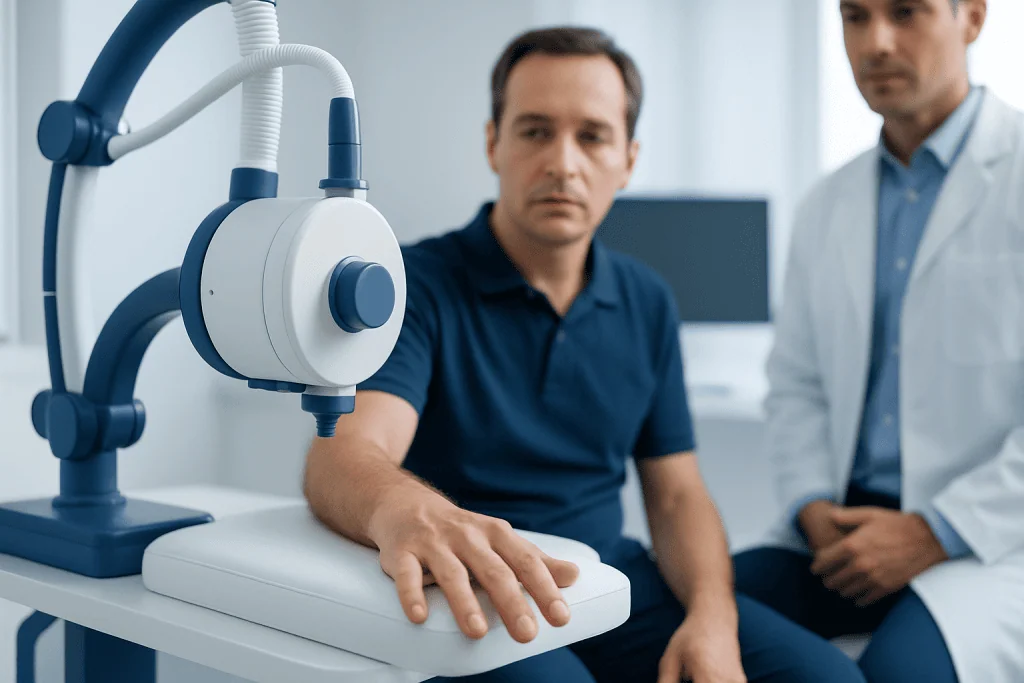
Doctors often classify tremor by when it occurs and what it looks like. A resting tremor happens when the muscles are relaxed, such as when the hands are resting in the lap. An action tremor happens with movement and includes postural tremor, which appears while holding a position, and intention tremor, which becomes more noticeable as the hand moves toward a target.
Essential tremor usually causes shaking during action, such as holding a cup, using utensils, or writing. It commonly affects both hands and may also involve the head or voice. It often runs in families and may gradually become more noticeable over time. Although it is not usually life-threatening, it can affect confidence and independence.
Parkinsonian tremor is more often a resting tremor. It frequently begins on one side of the body and may be accompanied by slowness of movement, muscle stiffness, reduced arm swing, or changes in balance. This type can be seen in Parkinson's disease, but a doctor must evaluate the full clinical picture before making that diagnosis.
Other forms include enhanced physiologic tremor, which can happen temporarily with stress, caffeine, lack of sleep, fever, or certain medicines; cerebellar tremor, often linked to coordination problems; dystonic tremor, associated with abnormal postures; and functional tremor, which may have variable features. In some cases, tremor may also be related to multiple sclerosis or other neurologic conditions.
Symptoms That Can Help Identify the Tremor Type

The way a tremor behaves can offer important clues. Some people notice shaking mainly when reaching for an object or trying to write. Others notice it most when their hands are at rest. A tremor may affect one side more than the other, or it may be fairly symmetrical from the beginning.
Doctors also ask which body parts are involved. Hand tremor is common, but head nodding, shaky voice, jaw trembling, or leg shaking may also occur. Tremor that worsens with emotional stress, tiredness, hunger, or caffeine may point toward certain causes, while tremor that improves temporarily after a small amount of alcohol can sometimes occur in essential tremor.
Additional symptoms matter as well. Slowness, stiffness, softer voice, smaller handwriting, or reduced facial expression may suggest a Parkinsonian syndrome. Unsteadiness, poor coordination, double vision, numbness, weakness, or changes in sensation may raise concern for a different neurologic problem. A fast heart rate, heat intolerance, weight loss, or anxiety symptoms may point toward a metabolic cause such as an overactive thyroid.
- Shaking during movement may suggest essential or action tremor.
- Shaking at rest may suggest Parkinsonian tremor.
- Sudden onset should be assessed carefully, especially if other neurologic symptoms are present.
- Symptoms that interfere with eating, writing, or work are important to discuss with a doctor.
Causes and Risk Factors
Tremor can develop for many reasons. Essential tremor often has a hereditary pattern, meaning it may run in families. Parkinsonian tremor is associated with changes in brain circuits involved in movement. Other tremors may result from stroke, traumatic brain injury, peripheral nerve disorders, metabolic imbalances, or degenerative neurologic diseases.
Medications are another common cause. Certain asthma medicines, some psychiatric medications, stimulants, and other drugs may trigger or worsen shaking. Caffeine, nicotine, alcohol withdrawal, lack of sleep, and severe emotional stress can also make a mild tremor much more noticeable. In some people, a temporarily intensified normal tremor is the main issue rather than a chronic movement disorder.
Medical conditions outside the nervous system can contribute as well. Thyroid disease, liver or kidney dysfunction, low blood sugar, vitamin deficiencies, and electrolyte problems may all be considered. Because of this wide range of possibilities, a full assessment often includes both neurologic review and general medical evaluation.
How Doctors Diagnose Tremor
Diagnosis starts with a detailed history. The doctor will ask when the tremor began, whether it has changed over time, what makes it better or worse, and whether there is a family history. They will also review medications, caffeine and alcohol use, sleep patterns, and any other symptoms such as stiffness, unsteadiness, weakness, or numbness.
A neurologic examination is central to diagnosis. The doctor may observe the tremor at rest, while the arms are held out, during writing, and during tasks such as drawing a spiral or touching the nose. They will also check gait, balance, reflexes, muscle tone, coordination, and speed of movement. This clinical examination often provides the most useful information.
Some patients may need additional tests to rule out other causes. These can include blood tests for thyroid function or metabolic problems, and in selected cases brain imaging. If symptoms suggest a broader movement disorder, referral to a specialist in movement disorder evaluation and treatment may be helpful. The goal is not only to name the tremor type but also to identify treatable contributing factors.
Treatment Options for Different Tremor Types
Treatment depends on the tremor type, the underlying cause, and how much it affects daily life. Mild tremor may not need medication if it causes little disruption. When an underlying issue is found, such as a thyroid disorder or a medicine side effect, addressing that cause may improve the shaking.
For essential tremor, doctors may recommend medications to reduce symptoms, especially when eating, drinking, writing, or social interaction becomes difficult. Occupational strategies, adaptive utensils, weighted items, and practical home adjustments can also help. In more severe cases that do not respond adequately to medicine, advanced options may be considered, including deep brain stimulation for carefully selected patients.
Parkinsonian tremor treatment usually focuses on the broader movement disorder, not just the shaking itself. Medications may help tremor as well as stiffness and slowness. Depending on the diagnosis and symptom pattern, some patients may benefit from Parkinson's disease treatment in a multidisciplinary setting that includes neurology, rehabilitation, and follow-up care.
Supportive therapies are also valuable. Physical and occupational therapy can improve function, posture, and safe movement. If tremor is part of a more complex neurologic condition, doctors may coordinate care with specialists in neurology services and rehabilitation. Near the end of the care pathway, some international patients choose centers such as Acibadem International, where multidisciplinary specialists in JCI-accredited hospitals diagnose and treat tremor-related conditions.
Self-care, Prevention, and Daily Living Tips
Not all tremors can be prevented, but some triggers can be reduced. Regular sleep, balanced meals, good hydration, and stress management may help keep symptoms from becoming more noticeable. Limiting caffeine and avoiding non-prescribed stimulants can also reduce shaking in some people.
Simple practical changes can make everyday tasks easier. Using cups with lids, choosing heavier utensils, resting the elbows while eating, and allowing extra time for fine hand tasks may improve confidence. Voice tremor or head tremor can also be better managed when fatigue and stress are kept under control.
People should not stop prescription medicines on their own, even if they suspect a medication is worsening tremor. A doctor or pharmacist can review whether an alternative is possible. Keeping a symptom diary that notes time of day, triggers, and activity can help guide the next appointment and support a more accurate diagnosis.
When to See a Doctor
A person should see a doctor if tremor is new, worsening, or beginning to affect daily activities such as eating, dressing, writing, or work. Medical review is especially important when tremor appears with stiffness, slowness, poor balance, falls, weakness, numbness, speech changes, or vision symptoms.
Urgent assessment may be needed if tremor starts suddenly, especially after a head injury or alongside severe headache, confusion, facial drooping, or one-sided weakness. These symptoms may point to a more serious neurologic problem that requires prompt attention.
Even when tremor is not urgent, an evaluation can be reassuring and useful. Many causes are manageable, and treatment plans can often improve function and quality of life. Early assessment also helps avoid unnecessary worry and supports more personalized care.
Frequently asked questions
What is the difference between essential tremor and Parkinsonian tremor?
Essential tremor usually happens during action, such as writing, eating, or holding an object. Parkinsonian tremor more often appears at rest and may come with slowness, stiffness, and changes in walking or balance.
Is a tremor always a sign of Parkinson's disease?
No. Tremor can have many causes, including essential tremor, medication effects, anxiety, thyroid problems, and other neurologic conditions. A doctor needs to assess the pattern of symptoms before deciding on the cause.
Can stress or caffeine make tremor worse?
Yes. Stress, fatigue, poor sleep, caffeine, and some stimulants can make an existing tremor more noticeable. In some people, they can also bring out a temporary enhanced physiologic tremor.
How is tremor diagnosed?
Diagnosis is based mainly on medical history and a neurologic examination. Depending on the situation, a doctor may also order blood tests or imaging to look for underlying causes or rule out other conditions.
Can tremor be treated?
Often, yes. Treatment depends on the type of tremor, its cause, and how much it affects daily life. Options may include lifestyle changes, medication adjustments, symptom-relieving medicines, therapy, or in selected cases advanced procedures.
When should someone seek urgent care for tremor?
Urgent medical attention is important if tremor starts suddenly or appears with weakness, facial drooping, confusion, severe headache, trouble speaking, or after a head injury. These symptoms can signal a serious neurologic emergency.
References
- National Institute of Neurological Disorders and Stroke
- National Institute on Aging
- NHS
- Mayo Clinic
- International Parkinson and Movement Disorder Society
This article is for general information only and is not a substitute for professional medical advice. Please consult a qualified doctor about your individual situation.
Tremor in Turkey — costs, top hospitals & a free quote
JCI-accredited · board-certified surgeons · reply within 24h
Add us as a Preferred Source to see more of our trusted health content across Google Search, AI Overviews and Discover.
Check your numbers in seconds
BMI, calories, due date, blood pressure and 30+ more clinical calculators — free, instant, doctor-reviewed ranges.