Tripod Position COPD: An Evidence-Based Guide for Patients
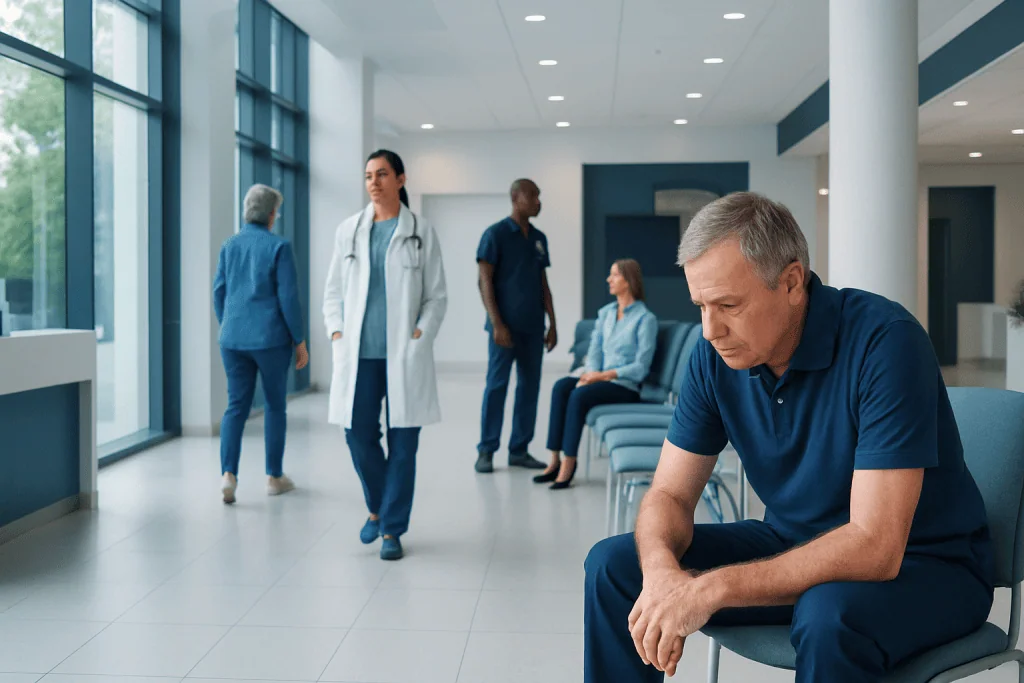
Tripod position is a common self-protective posture people with COPD may use during breathlessness. Leaning forward with the arms supported can help accessory breathing muscles work more effectively.
Key Takeaways
- Tripod position is a common self-protective posture people with COPD may use during breathlessness.
- Leaning forward with the arms supported can help accessory breathing muscles work more effectively.
- The posture itself is not a treatment for COPD, but it can be a useful clue that breathing is becoming difficult.
- Sudden or severe shortness of breath, chest pain, blue lips, or confusion require urgent medical attention.
- Long-term COPD care may include inhaled medicines, pulmonary rehabilitation, oxygen therapy, and smoking cessation support.
Tripod position in COPD is a forward-leaning posture many people naturally use when they feel short of breath. It often helps breathing feel easier by improving the work of the chest and neck muscles, but it is also a sign that COPD symptoms may be flaring and should be discussed with a doctor.
Overview: what tripod position means in COPD
Tripod position in COPD describes a posture in which a person sits or stands leaning slightly forward, often with the hands or elbows braced on the knees, a table, or another firm surface. Many people adopt this position instinctively during episodes of shortness of breath because it can make breathing feel easier within a short time.
In chronic obstructive pulmonary disease, airflow limitation and air trapping can make it harder to fully exhale and take the next breath comfortably. The tripod position does not cure the underlying problem, but it may improve body mechanics enough to reduce the sensation of breathlessness. Clinicians often recognize it as a sign that the breathing muscles are working harder than usual.
This posture is not unique to COPD. It can also appear in asthma, severe lung infections, heart-related breathlessness, or other conditions that affect breathing. For that reason, tripod position should be understood as an important symptom clue rather than a diagnosis by itself.
Why leaning forward can help breathing
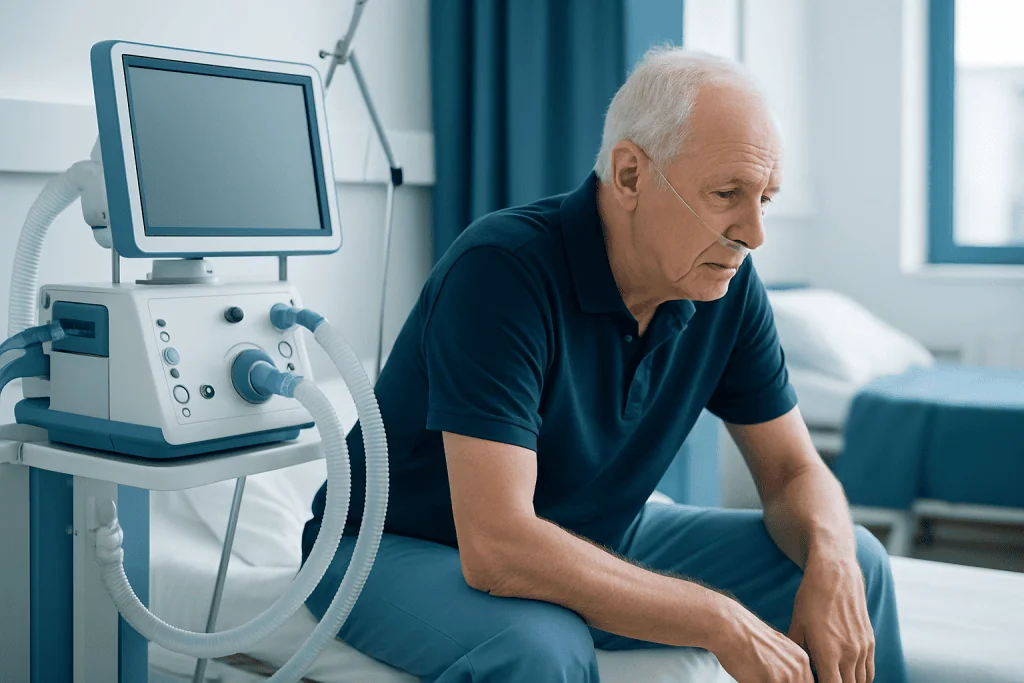
Breathing depends mainly on the diaphragm, the large muscle under the lungs, but during respiratory distress the body also recruits accessory muscles in the neck, shoulders, and chest wall. When a person leans forward and supports the upper body with the arms, those accessory muscles may work more efficiently. This can help lift the rib cage and reduce the effort needed to breathe.
The position may also give the diaphragm a mechanical advantage. In COPD, trapped air can flatten the diaphragm, making it less effective. A forward-leaning posture can sometimes improve how the diaphragm and chest wall move together, which may ease the sense of air hunger.
For some people, tripod positioning works best when combined with slow, controlled breathing techniques such as pursed-lip breathing. This approach helps keep airways open a little longer during exhalation, which may reduce air trapping and make the next breath easier to take.
- Sit on a chair and lean slightly forward.
- Rest the forearms on the thighs or place the hands on a table or countertop.
- Relax the shoulders and neck as much as possible.
- Breathe in gently through the nose and exhale slowly through pursed lips.
What symptoms may appear with tripod position
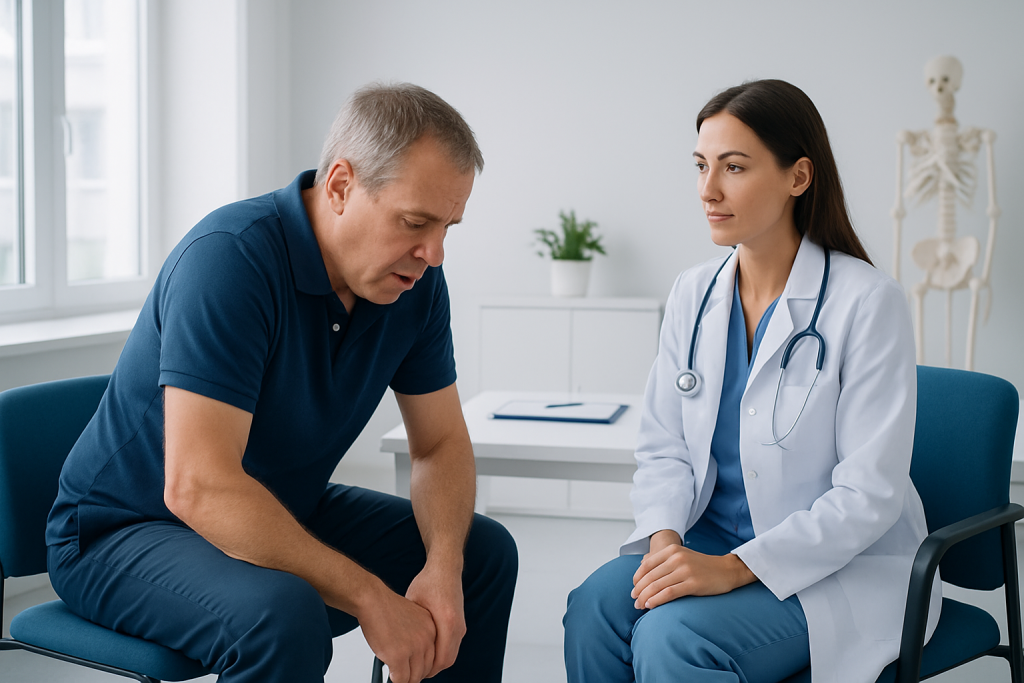
People with COPD may use tripod position during activities that increase breathing demand, such as climbing stairs, walking quickly, carrying shopping bags, or recovering after coughing. It may also happen during a COPD flare-up, when symptoms become worse than the person’s usual baseline.
Common symptoms that can accompany tripod position include shortness of breath, wheezing, chest tightness, fast breathing, and fatigue. Some people notice they cannot speak in full sentences without pausing for breath. Others describe feeling anxious because breathing has become hard work, although anxiety is usually a response to breathlessness rather than the main cause.
Symptoms deserve closer attention if they are new, clearly worsening, or happening at rest. Increased sputum, a change in mucus color, fever, new swelling in the legs, or needing rescue inhalers more often can all suggest that the underlying condition is not well controlled. In that setting, medical review is important to identify whether the problem is related to COPD, infection, heart strain, or another cause.
Causes, triggers, and risk factors
The most common reason for tripod position in COPD is increased work of breathing. COPD narrows the airways and damages lung tissue over time, making it difficult to move air in and out efficiently. During exercise, respiratory infection, exposure to smoke or air pollution, or a flare-up of inflammation, the extra effort of breathing may prompt a person to lean forward for relief.
Several risk factors can make these episodes more likely. Smoking is the leading cause of COPD in many countries, but long-term exposure to biomass fuel, occupational dust, chemicals, and air pollution can also contribute. Older age, previous respiratory infections, poor physical conditioning, and other chronic illnesses may worsen breathlessness.
Not every person using tripod position has COPD. Similar symptoms can occur in asthma, pneumonia, pulmonary embolism, heart failure, or severe anxiety-related hyperventilation. Because shortness of breath can have many causes, the overall clinical picture matters more than the posture alone.
People who have known COPD and begin using tripod position more frequently should see this as a sign to review symptom control. It may mean medicines need adjustment, inhaler technique needs checking, physical conditioning has declined, or a flare-up is beginning.
How doctors evaluate tripod position and COPD symptoms
Diagnosis begins with a careful history and physical examination. A doctor will ask when shortness of breath occurs, what triggers it, how long it lasts, whether there is cough or sputum, and whether symptoms interfere with sleep, exercise, or daily activities. They will also ask about smoking, workplace exposures, infections, prior hospital visits, and current medicines.
The key test for confirming COPD is spirometry, a breathing test that measures how much air a person can exhale and how quickly. This helps distinguish COPD from other causes of breathlessness and is central to planning treatment. Depending on the situation, additional tests may include pulse oximetry, chest X-ray, blood tests, exercise testing, or arterial blood gases.
When symptoms are severe or sudden, doctors also consider urgent conditions that can mimic or complicate COPD, such as pneumonia, collapsed lung, heart problems, or blood clots. In some cases, imaging or specialist evaluation is needed. Assessment may be particularly important if the person is experiencing frequent exacerbations or signs of advanced lung disease.
Patients may also benefit from review at a dedicated pulmonary rehabilitation program, where symptom patterns, exercise tolerance, breathing techniques, and self-management skills can be assessed in a structured way.
Treatment options and day-to-day management
Treatment focuses on the underlying COPD rather than on tripod position itself. Many people are prescribed inhaled bronchodilators to relax the airway muscles and help airflow. Some also need inhaled corticosteroid-containing treatment, especially if they have frequent flare-ups or overlapping asthma features. Correct inhaler technique is essential, because even effective medicines may not work well if the device is used incorrectly.
During episodes of breathlessness, non-drug strategies can also help. These include stopping activity, sitting in a supported forward-leaning posture, practicing pursed-lip breathing, and using a handheld fan or cool airflow if recommended by the care team. Structured exercise and breathing retraining can improve endurance and confidence over time, even when lung function cannot be fully restored.
For selected patients, longer-term management may include oxygen therapy if blood oxygen levels are persistently low, vaccinations, nutrition support, and treatment of related problems such as sleep disturbance or anxiety. Some people with advanced disease may be evaluated for procedures or surgery, but this depends on the specific COPD pattern and overall health.
If breathlessness is increasing despite usual treatment, a clinician may adjust medicines, treat infection, or address an acute COPD exacerbation. Near the end of the care journey, Acibadem International’s multidisciplinary specialists in JCI-accredited hospitals evaluate and treat respiratory conditions for international patients, including assessment of symptom burden and supportive care needs.
Prevention and self-care strategies
The most effective step for slowing COPD progression is avoiding tobacco smoke and other inhaled irritants. For people who smoke, cessation support can make a meaningful difference even after COPD has already developed. Limiting exposure to dust, fumes, and indoor or outdoor pollution is also helpful whenever possible.
Regular physical activity, tailored exercise, and pulmonary rehabilitation can improve stamina and reduce the impact of breathlessness on daily life. Many patients find that learning how to pace activities, take rest breaks, and coordinate movement with breathing lowers the chance of severe breathlessness. Good sleep, hydration, and nutrition also support respiratory muscle function and recovery.
Vaccination is an important part of prevention because viral or bacterial infections commonly trigger flare-ups. People with COPD should ask their doctor about influenza, pneumococcal, and other age-appropriate vaccines. Having a written action plan can also help patients know what to do if cough, wheeze, or sputum suddenly worsen.
- Use inhalers exactly as prescribed and review technique regularly.
- Attend follow-up appointments even when symptoms are stable.
- Stay active within safe limits and ask about supervised rehabilitation.
- Track changes in cough, sputum, rescue inhaler use, and exercise tolerance.
When to seek medical care
Tripod position by itself is not always an emergency, especially in someone with known COPD who improves quickly with rest and prescribed treatment. Still, it should prompt attention if it is happening more often, occurring with less activity than before, or appearing at rest. These changes can signal that symptoms are becoming less controlled.
Urgent medical care is needed for severe shortness of breath, trouble speaking, blue lips or fingertips, chest pain, fainting, confusion, or drowsiness. Emergency assessment is also important if there is a sudden drop in oxygen readings, marked wheezing that does not improve, or signs of infection such as fever with rapidly worsening cough and sputum.
People should contact a doctor promptly if they are using their rescue inhaler more often than usual, waking at night because of breathlessness, or noticing reduced ability to do ordinary tasks. Early treatment of a flare-up can sometimes prevent hospitalization and speed recovery. Any new or unexplained breathing problem deserves professional evaluation rather than self-diagnosis.
Frequently asked questions
Is tripod position a sign of severe COPD?
Tripod position can happen in moderate or severe breathlessness, but it does not by itself tell how advanced COPD is. Some people use it briefly during exertion, while others develop it during a flare-up. A doctor considers the full picture, including symptoms, oxygen levels, and spirometry results.
Why does tripod position make breathing easier?
Leaning forward with the arms supported can help the neck, chest, and shoulder muscles assist breathing more effectively. It may also improve the mechanical position of the diaphragm. Many people find it works even better when paired with slow pursed-lip breathing.
Can someone without COPD use tripod position?
Yes. Tripod position is a general response to respiratory distress and can occur with asthma, pneumonia, heart failure, or other causes of shortness of breath. Because it is not specific to COPD, new or unexplained symptoms should be medically assessed.
Should a person go to the emergency room if they are using tripod position?
Not always, but context matters. Emergency care is important if there is severe or sudden shortness of breath, chest pain, bluish lips, confusion, fainting, or symptoms that do not improve with prescribed treatment. If breathing difficulty is clearly worsening, it is safer to seek prompt medical advice.
What is the best breathing technique to use with tripod position?
Many clinicians recommend pursed-lip breathing because it can slow exhalation and help keep airways open longer. A person usually breathes in gently through the nose and exhales slowly through lightly pursed lips. The technique should feel calm and controlled rather than forced.
Can treatment reduce the need to use tripod position?
Yes, better symptom control often reduces episodes of distress breathing. Treatment may include inhalers, pulmonary rehabilitation, smoking cessation, vaccinations, and management of flare-ups or low oxygen levels. The right plan depends on the cause and severity of the person’s COPD.
This article is for general information only and is not a substitute for professional medical advice. Please consult a qualified doctor about your individual situation.
Joint and spine care in Turkey — expert assessment & treatment
JCI-accredited · board-certified surgeons · reply within 24h
Add us as a Preferred Source to see more of our trusted health content across Google Search, AI Overviews and Discover.

More from the Health Library

Tongue Scraper — Explained by Medical Evidence, Not Myths
Spot Inside Ear — Explained by Medical Evidence, Not Myths

Phantom Kicks: A Complete Medical Overview

Fillers Around Eyes: An Evidence-Based Guide for Patients

Ashwagandha Benefits — Explained by Medical Evidence, Not Myths