Tummy tuck in Turkey: Hospitals, Safety & What to Expect

A tummy tuck removes loose lower-abdominal skin and may repair separated abdominal muscles, but it is not a weight-loss procedure. Patients should choose a qualified plastic surgeon and a hospital with robust safety, anesthesia, infection-control and follow-up processes.
Key Takeaways
- A tummy tuck removes loose lower-abdominal skin and may repair separated abdominal muscles, but it is not a weight-loss procedure.
- Patients should choose a qualified plastic surgeon and a hospital with robust safety, anesthesia, infection-control and follow-up processes.
- Recovery requires time, mobility precautions, wound care and avoiding strenuous activity until the surgical team advises otherwise.
- Possible complications include bleeding, infection, fluid collections, delayed healing, blood clots, changes in sensation and visible scarring.
- Travel plans should allow enough time in Turkey for hospital recovery, follow-up appointments and assessment before flying home.
A tummy tuck in Turkey, also called abdominoplasty, may be an option for people seeking removal of excess abdominal skin and tightening of separated abdominal muscles. Safety depends on an appropriate medical assessment, a qualified surgical team, accredited hospital standards, clear travel planning, and reliable aftercare.
Overview: what a tummy tuck in Turkey involves
A tummy tuck in Turkey is a planned surgical procedure for people with loose abdominal skin, persistent lower-abdominal fullness or weakened abdominal-wall tissues that do not improve with stable weight, nutrition and exercise. The medical name is abdominoplasty. It is commonly considered after pregnancy, substantial weight change, aging-related skin laxity or previous abdominal changes.
During an abdominoplasty, a plastic surgeon removes excess skin and fat from the abdomen and may tighten the connective tissue over the abdominal muscles. The exact approach depends on the amount and location of skin excess, muscle separation, prior scars, body shape and the patient’s goals. A detailed guide to tummy tuck surgery can help patients understand the procedure and expected care pathway.
Turkey is a destination for international medical care, but the location alone does not determine quality or suitability. Safer decision-making focuses on the surgeon’s credentials, the hospital’s standards, anesthesia support, transparent communication, realistic expectations and a plan for follow-up both during the stay and after returning home.
Who may be a suitable candidate
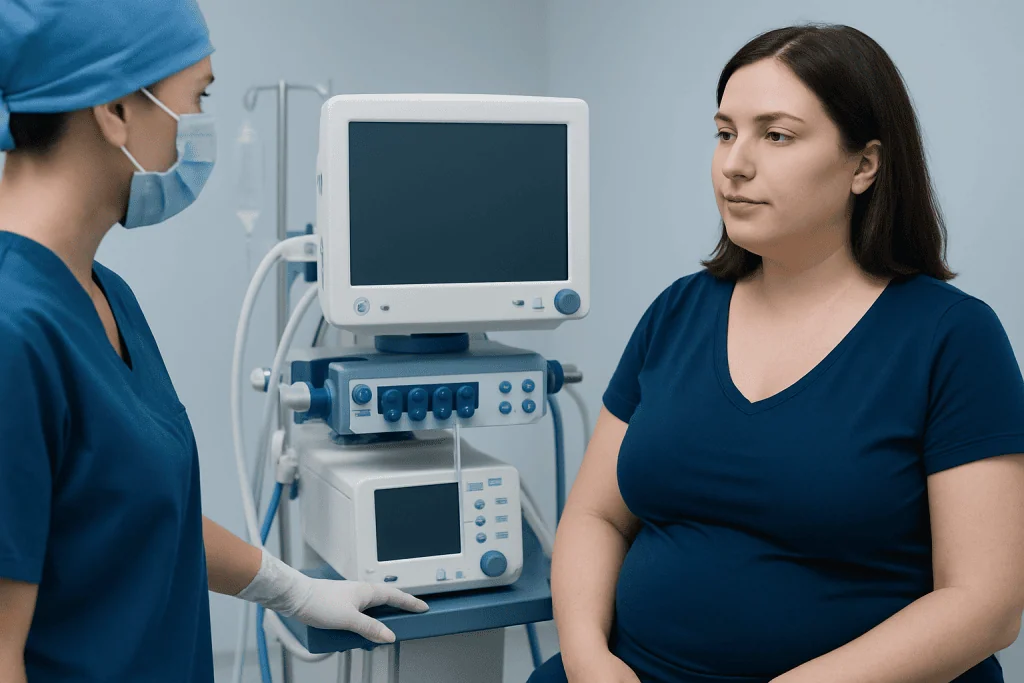
Suitable candidates are generally adults in good overall health who are close to a stable, sustainable weight and are bothered by loose abdominal skin or abdominal-wall laxity. Many candidates have diastasis recti, a separation of the rectus abdominal muscles that can occur after pregnancy or significant changes in weight. A tummy tuck may improve contour and support the abdominal wall, but it does not replace exercise, weight management or treatment for digestive symptoms.
Patients should have realistic expectations. The operation can improve the abdominal profile in clothing and may remove skin that causes rubbing or hygiene difficulties, but it leaves a permanent scar. The scar is usually placed low on the abdomen so it may be covered by underwear or swimwear, although its final appearance varies by individual healing and skin type.
People who smoke or use nicotine products may need to stop well before surgery because nicotine can impair blood flow and wound healing. Medical conditions such as diabetes, heart or lung disease, clotting disorders, uncontrolled high blood pressure, or a history of blood clots require individual review. Pregnancy plans and anticipated major weight changes should also be discussed, as either can affect the result.
- Stable weight and overall good health support safer surgery and more predictable healing.
- Patients should disclose all medicines, supplements, allergies, previous operations and medical conditions.
- A qualified surgeon may advise against surgery or recommend delaying it when risks outweigh likely benefits.
Planning a safe hospital-based journey

Before travelling, the patient should receive a thorough consultation and understand who will perform the operation, where it will take place, which type of anesthesia is planned, how long hospital observation may be needed and how complications would be handled. Photographs and medical history can support an initial remote assessment, but an in-person examination and anesthesia review remain important before surgery.
Patients should ask whether the hospital has recognized quality and safety systems, including infection prevention, blood-bank access when appropriate, operating-room standards, anesthesia monitoring and emergency care. JCI accreditation is one internationally recognized hospital accreditation framework. It does not replace individual clinical judgment, but it can be one useful consideration when evaluating hospital processes.
International patients also benefit from a practical travel plan. This should include accommodation near the hospital, a responsible adult to assist after discharge, transport that avoids unnecessary exertion, translation support if needed, copies of medical records and enough time in Turkey for postoperative examinations. The surgical team should advise when it is medically appropriate to fly, based on recovery and individual clot-risk assessment.
Acibadem International’s multidisciplinary specialists and JCI-accredited hospitals diagnose and treat international patients, with care coordination that can support preoperative planning, hospital treatment and follow-up arrangements.
How the procedure is performed
A tummy tuck is usually performed under general anesthesia. Before the operation, the surgeon marks the planned incision lines while the patient is standing, reviews the surgical plan and confirms consent. Compression and blood-clot prevention measures may be used according to the patient’s individual risk profile.
In a full tummy tuck, the surgeon typically makes a low horizontal incision across the lower abdomen. The abdominal skin is carefully lifted, the deeper supporting tissues may be tightened when needed, and excess skin is removed. The navel may be repositioned through a new opening in the tightened skin. The remaining skin is then redraped and the incisions are closed.
A mini tummy tuck can be appropriate when excess skin is mainly below the navel and less correction is required. Some patients may have liposuction as part of contouring, but this is not suitable for everyone and should be discussed separately. The operation’s duration and details vary with the planned technique and whether other procedures are being considered.
After surgery, patients wake in a monitored recovery area. Some may stay overnight in hospital, while others may be discharged after a period of observation when clinically appropriate. The care team provides instructions for pain relief, wound care, walking, compression garments, drains if used, and scheduled follow-up.
Recovery timeline and expected aftercare
Recovery is gradual. In the first several days, soreness, tightness, swelling, bruising and fatigue are common. Patients are encouraged to walk short distances as advised, often slightly bent at the waist initially, to support circulation and comfort. However, they should avoid strenuous movement, lifting and sudden stretching of the incision area.
Dressings, drains and compression garments are managed according to the surgeon’s protocol. It is important not to change wound-care instructions based on online advice or another patient’s experience. A responsible companion is helpful soon after discharge, particularly for transfers, meals, medications and travel to follow-up appointments.
Many people return to desk-based tasks after a period determined by their recovery and the nature of their work, while physically demanding work and exercise require a longer pause. Swelling can take weeks or months to settle, and scars mature gradually over many months. Follow-up appointments allow the surgical team to check healing and provide individualized guidance on activity, bathing, scar care and travel.
- Attend all scheduled reviews before leaving Turkey and share discharge records with the clinician who will support care at home.
- Wear compression garments only as directed by the surgical team.
- Maintain gentle mobility, adequate hydration and a balanced diet unless the medical team gives different instructions.
- Avoid smoking, nicotine exposure and activities that strain the abdominal muscles during early healing.
Benefits, limitations and possible risks
The main potential benefit of abdominoplasty is a flatter, firmer-looking abdominal contour after removal of loose skin and, when appropriate, repair of abdominal-wall laxity. It may also reduce discomfort caused by folds of excess skin. Results are usually best maintained with stable weight, regular activity when recovered and general health-promoting habits.
Like all major operations, a tummy tuck has risks. These include bleeding, infection, fluid collection under the skin, wound separation, delayed healing, unfavorable scarring, numbness or altered sensation, asymmetry, persistent swelling and the need for revision surgery. General anesthesia also carries risks that are evaluated during preoperative assessment.
Blood clots in the legs or lungs are uncommon but potentially serious complications of surgery and long-distance travel. Individual prevention may include early walking, compression, medication in selected cases and guidance about safe timing of flights. Patients should not assume that a short operation, a healthy appearance or previous travel eliminates clot risk.
A careful consultation should balance expected benefits with limitations and possible complications. The surgeon should explain which changes are realistic for the patient’s anatomy and whether another approach, such as weight stabilization, treatment for a related condition or no surgery, would be more appropriate.
When to seek medical care
After a tummy tuck, patients should contact their surgical team promptly for increasing pain that is not controlled as instructed, new or worsening redness around an incision, drainage with an unpleasant odor, fever, opening of the wound, sudden one-sided swelling, or concerns about a drain or dressing. Early assessment can help the team identify and manage problems appropriately.
Urgent medical evaluation is needed for symptoms such as chest pain, shortness of breath, fainting, coughing blood, confusion, or sudden swelling and pain in one leg. These symptoms can have several causes, including conditions that require urgent attention. Patients should seek emergency care locally rather than waiting to travel or relying only on remote advice.
Before leaving Turkey, international patients should know how to contact the surgical team, receive written discharge instructions and obtain a summary of the procedure, medicines and follow-up needs. Once home, they should arrange local medical support if recommended, particularly if healing is delayed or ongoing monitoring is needed.
Frequently asked questions
Is a tummy tuck in Turkey safe?
A tummy tuck can be performed safely when the patient is appropriately assessed and surgery is carried out by a qualified plastic surgeon in a properly equipped hospital. Important factors include anesthesia safety, infection prevention, blood-clot assessment, postoperative monitoring and a clear plan for follow-up. Every operation has risks, so suitability should be decided individually.
How long should a patient stay in Turkey after a tummy tuck?
The appropriate length of stay depends on the procedure, recovery progress, follow-up schedule and the surgeon’s advice about flying. Patients should plan enough time for postoperative examinations and should not book return travel that forces them to leave before they are medically cleared. Long-distance air travel requires individual discussion because surgery and immobility can increase clot risk.
Will a tummy tuck help with weight loss?
No. A tummy tuck is a body-contouring procedure, not a weight-loss treatment. Although some tissue is removed during surgery, the procedure is intended to address excess skin and abdominal-wall laxity rather than produce substantial weight reduction.
What is the difference between a mini tummy tuck and a full tummy tuck?
A mini tummy tuck generally treats a smaller area of loose skin below the navel and usually uses a shorter incision. A full tummy tuck addresses more extensive skin laxity and may include repositioning of the navel and repair of abdominal-wall separation. The most appropriate technique depends on examination findings and goals.
How painful is tummy tuck recovery?
Discomfort, tightness and swelling are expected in the early recovery period, but the surgical team provides a personalized pain-management plan. The intensity and duration vary between people and with the extent of surgery. Following instructions for movement, medication, compression and wound care can support comfort and healing.
Can a patient have a tummy tuck after pregnancy?
Many people consider a tummy tuck after pregnancy when loose skin or muscle separation remains despite recovery and stable weight. It is often sensible to wait until family planning is complete, since a future pregnancy can stretch the tissues again and affect the surgical result. A plastic surgeon can provide individualized advice based on healing, health and future plans.
References
- American Society of Plastic Surgeons
- International Society of Aesthetic Plastic Surgery
- World Health Organization
- Joint Commission International
- U.S. Centers for Disease Control and Prevention
This article is for general information only and is not a substitute for professional medical advice. Please consult a qualified doctor about your individual situation.
Explore treatments in Turkey — costs, top hospitals & a free quote
JCI-accredited · board-certified surgeons · reply within 24h
Add us as a Preferred Source to see more of our trusted health content across Google Search, AI Overviews and Discover.
Check your numbers in seconds
BMI, calories, due date, blood pressure and 30+ more clinical calculators — free, instant, doctor-reviewed ranges.