Type 2 Diabetes: Early Signs, Blood Tests, and Long-Term Control

Early type 2 diabetes may cause subtle symptoms such as increased thirst, frequent urination, fatigue, blurred vision, or slow-healing wounds. Diagnosis is usually based on blood tests such as HbA1c, fasting plasma glucose, random plasma glucose, or an oral glucose tolerance test.
Key Takeaways
- Early type 2 diabetes may cause subtle symptoms such as increased thirst, frequent urination, fatigue, blurred vision, or slow-healing wounds.
- Diagnosis is usually based on blood tests such as HbA1c, fasting plasma glucose, random plasma glucose, or an oral glucose tolerance test.
- Long-term control includes nutrition, physical activity, weight management when appropriate, medicines, monitoring, and regular medical follow-up.
- Blood pressure, cholesterol, kidney health, eye health, and foot care are important parts of diabetes management.
- A qualified doctor can personalize targets and treatment choices based on age, overall health, risk of low blood sugar, and other conditions.
Type 2 diabetes is a common, long-term condition in which the body does not use insulin effectively, leading to higher blood glucose levels. Early recognition, accurate blood tests, and a sustainable care plan can help many people live well and reduce the risk of complications.
Overview
Type 2 diabetes is a chronic metabolic condition in which blood glucose, often called blood sugar, stays higher than normal. This happens mainly because the body becomes resistant to insulin, the hormone that helps move glucose from the bloodstream into cells for energy. Over time, the pancreas may also produce less insulin than the body needs.
The condition often develops gradually. Some people have no noticeable symptoms at first and discover it through routine blood tests. Others may have symptoms for months before diagnosis. Because high blood glucose can affect blood vessels, nerves, the heart, kidneys, eyes, and feet, early diagnosis and consistent care are important.
Type 2 diabetes can usually be managed with a combination of healthy lifestyle changes, regular monitoring, and medications when needed. The goal is not only to lower glucose numbers, but also to protect long-term health and support daily wellbeing. Treatment is most effective when it is individualized and reviewed regularly with a healthcare professional.
Early Signs and Symptoms
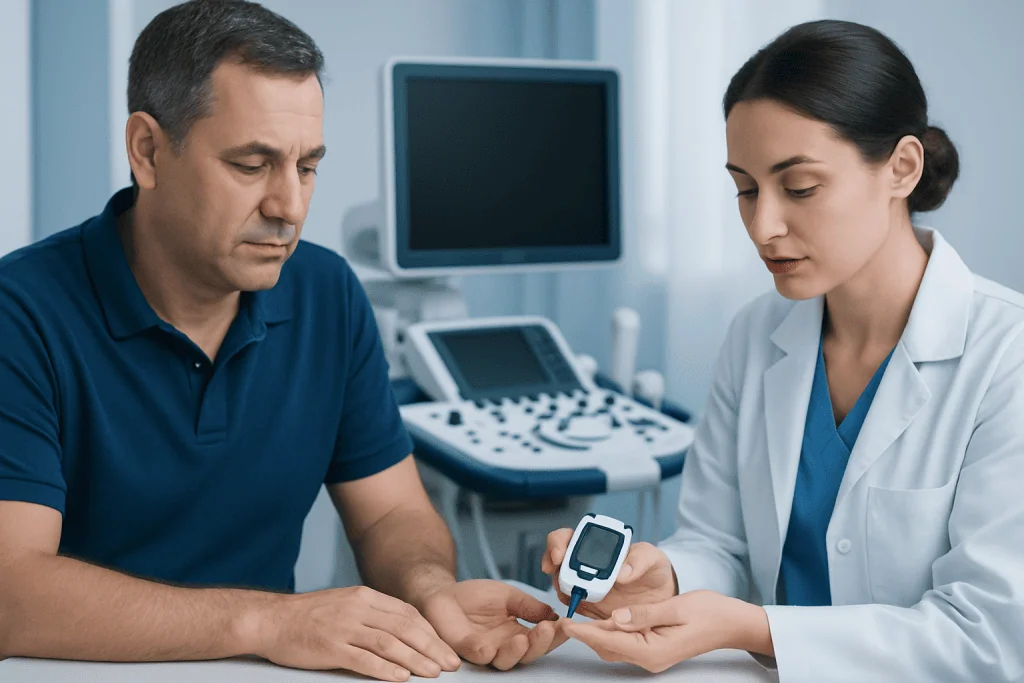
Early signs of type 2 diabetes can be mild and easy to overlook. High blood glucose can pull extra water from the body, leading to increased thirst and more frequent urination. Some people feel unusually tired because the body is not using glucose efficiently for energy.
Other possible symptoms include blurred vision, increased hunger, dry mouth, tingling or numbness in the hands or feet, recurrent skin or urinary infections, and cuts or sores that heal slowly. Unexplained weight loss can occur, although it is less common in type 2 diabetes than in type 1 diabetes.
People should not wait for symptoms to become severe before seeking advice. Many individuals with type 2 diabetes feel well, especially in the early stages. A simple blood test can identify diabetes or prediabetes before complications develop.
Causes and Risk Factors

Type 2 diabetes develops from a combination of genetic, metabolic, and lifestyle-related factors. Insulin resistance often begins years before diagnosis. The pancreas initially compensates by making more insulin, but over time it may not be able to keep up with the body’s needs.
Risk factors include having a family history of type 2 diabetes, being overweight or having excess abdominal fat, physical inactivity, high blood pressure, unhealthy cholesterol levels, a history of gestational diabetes, polycystic ovary syndrome, and older age. Some ethnic backgrounds also have a higher risk. Sleep problems, chronic stress, and certain medications can contribute in some people.
Risk factors do not mean a person has caused their condition. Type 2 diabetes is influenced by biology, environment, and life circumstances. Understanding risk can help guide screening, prevention, and treatment in a supportive and practical way.
Blood Tests Used for Diagnosis
Doctors diagnose type 2 diabetes using standardized blood tests. The HbA1c test estimates average blood glucose over the past two to three months. In many adults, an HbA1c result of 6.5% or higher can support a diagnosis of diabetes, while 5.7% to 6.4% is commonly considered the prediabetes range. Results may need confirmation with a repeat test unless symptoms and glucose levels are clearly diagnostic.
Fasting plasma glucose is measured after not eating for at least eight hours. A fasting result of 126 mg/dL or higher can indicate diabetes. A random plasma glucose of 200 mg/dL or higher, together with classic symptoms, may also support diagnosis. Another option is the oral glucose tolerance test, which measures how the body handles glucose after a sweet drink; a two-hour value of 200 mg/dL or higher can indicate diabetes.
Some conditions can affect HbA1c accuracy, including certain anemias, recent blood loss, kidney disease, and some hemoglobin variants. In those situations, a doctor may use plasma glucose testing or other monitoring methods. Diagnosis should always be interpreted in the context of symptoms, medical history, medications, and overall health.
Treatment Options and Long-Term Control
Long-term control of type 2 diabetes is built around a realistic care plan. Nutrition, movement, sleep, stress management, and weight management when appropriate are the foundation. Many people also need medication to reach and maintain safe glucose levels. Treatment choices depend on HbA1c, symptoms, cardiovascular and kidney health, personal preferences, cost considerations, and risk of low blood sugar.
Metformin is commonly used as an initial medicine when suitable. Other medicines may include GLP-1 receptor agonists, SGLT2 inhibitors, DPP-4 inhibitors, sulfonylureas, thiazolidinediones, or insulin. Some of these medicines may offer additional heart or kidney benefits for selected patients. A doctor will discuss expected benefits, side effects, contraindications, and monitoring needs.
Blood glucose targets should be personalized. Some patients use home glucose meters, while others may benefit from continuous glucose monitoring. HbA1c is usually checked at intervals recommended by the doctor, often more frequently when treatment changes and less often when control is stable. The plan may need adjustment over time because type 2 diabetes can change as the body’s insulin production changes.
Nutrition, Activity, and Self-Care
There is no single diabetes diet that fits everyone. A balanced eating pattern usually emphasizes vegetables, high-fiber foods, legumes, whole grains in suitable portions, lean proteins, healthy fats, and limited sugary drinks and highly processed foods. Spreading carbohydrate intake through the day and pairing carbohydrates with protein, fiber, or healthy fat can help reduce glucose spikes.
Regular physical activity helps the body use insulin more effectively. Many adults benefit from a combination of aerobic activity, such as brisk walking or cycling, and resistance training, such as body-weight exercises or weights. People who have been inactive, have heart disease, neuropathy, eye disease, or other medical concerns should ask their doctor which activities are safest.
Daily self-care also includes taking medicines as prescribed, checking feet for cuts or blisters, staying hydrated, limiting alcohol if used, avoiding smoking, and planning for sick days. Regular appointments may include checks for blood pressure, cholesterol, kidney function, urine albumin, eye health, dental health, and nerve or foot problems. These steps help prevent complications and support quality of life.
Prevention, Screening, and When to See a Doctor
For people with prediabetes or a high risk of type 2 diabetes, prevention focuses on sustainable changes. Even modest weight loss, if needed, can improve insulin sensitivity. Consistent physical activity and a high-fiber, minimally processed eating pattern can reduce progression risk. Screening is especially important for adults with risk factors, even when they feel well.
A doctor should be consulted if a person notices increased thirst, frequent urination, fatigue, blurred vision, slow-healing wounds, recurrent infections, unexplained weight changes, or tingling in the feet. People with known diabetes should seek prompt medical advice for very high glucose readings, repeated low glucose episodes, vomiting, dehydration, confusion, chest pain, shortness of breath, or signs of infection.
International patients who need evaluation or ongoing management can be assessed by endocrinology, cardiology, nephrology, ophthalmology, nutrition, and other specialists as needed. Acibadem International’s multidisciplinary teams and JCI-accredited hospitals diagnose and treat diabetes and related conditions, with care plans tailored to each patient’s medical history and travel needs.
Frequently asked questions
Can type 2 diabetes be present without symptoms?
Yes. Many people have type 2 diabetes for a period of time before they notice symptoms. This is why screening blood tests are important for people with risk factors such as family history, excess weight, high blood pressure, or a history of gestational diabetes.
Which blood test is best for diagnosing type 2 diabetes?
HbA1c is commonly used because it reflects average blood glucose over two to three months and does not always require fasting. However, fasting plasma glucose, random plasma glucose, or an oral glucose tolerance test may be more appropriate in some situations. A doctor will choose the most reliable test based on the person’s health and circumstances.
Is prediabetes the same as type 2 diabetes?
No. Prediabetes means blood glucose is higher than normal but not high enough for a diagnosis of diabetes. It is a warning sign and an opportunity to lower risk through lifestyle changes and, for some people, medication.
Will everyone with type 2 diabetes need insulin?
Not everyone needs insulin, especially at diagnosis. Many people manage type 2 diabetes with lifestyle changes and non-insulin medicines. Insulin may be recommended if blood glucose is very high, symptoms are significant, other medicines are not enough, or during certain illnesses or medical situations.
How often should HbA1c be checked?
The timing depends on the person’s treatment plan and how stable their glucose control is. It may be checked more often when diabetes is newly diagnosed or when medicines are changing. When results are stable, the doctor may recommend less frequent testing.
Can type 2 diabetes be reversed?
Some people can achieve remission, meaning glucose levels return to the non-diabetes range without diabetes medication for a period of time. This is more likely with early diagnosis and significant, sustained lifestyle or weight changes when appropriate. Remission still requires ongoing follow-up because diabetes can return.
What complications should people with diabetes be screened for?
Regular screening may include eye examinations, kidney function and urine albumin tests, foot and nerve checks, blood pressure measurement, cholesterol testing, and dental assessments. These checks help detect problems early, often before symptoms appear. The recommended schedule should be personalized by the healthcare team.
This article is for general information only and is not a substitute for professional medical advice. Please consult a qualified doctor about your individual situation.
Type 2 Diabetes in Turkey — costs, top hospitals & a free quote
JCI-accredited · board-certified surgeons · reply within 24h
Add us as a Preferred Source to see more of our trusted health content across Google Search, AI Overviews and Discover.
Check your numbers in seconds
BMI, calories, due date, blood pressure and 30+ more clinical calculators — free, instant, doctor-reviewed ranges.

Check-up & Preventive Medicine
Comprehensive health screenings designed for early detection and prevention.
1 specialists in this unitRelated Conditions
More from the Health Library

Hypothyroidism: Symptoms, Testing, and Thyroid Hormone Treatment

How Endocrine Blood Tests Work: TSH, T3, T4, and Hormone Panels

Thyroid Doctor: Who to See for Thyroid Problems

What Is Endocrinology? Hormones, Glands, and the Conditions It Covers

Multiple Endocrine Neoplasia: When Inherited Hormone Tumors Run in Families