Types of Cancer Treatment: Which Option May Be Used and Why

Cancer treatment types include surgery, radiation therapy, chemotherapy, immunotherapy, targeted therapy, hormone therapy, stem cell transplant, and supportive care. More than one treatment is often used, either at the same time or in a planned sequence.
Key Takeaways
- Cancer treatment types include surgery, radiation therapy, chemotherapy, immunotherapy, targeted therapy, hormone therapy, stem cell transplant, and supportive care.
- More than one treatment is often used, either at the same time or in a planned sequence.
- The best option depends on the cancer type, stage, test results, treatment goals, and the patient’s general health.
- Some treatments aim to cure cancer, while others help control it, relieve symptoms, or lower the chance of recurrence.
- Shared decision-making with an oncology team helps patients understand benefits, risks, and expected side effects.
Cancer treatment is not one single therapy. Doctors choose among several cancer treatment types based on the cancer’s location, stage, biology, symptoms, and the person’s overall health and preferences.
Overview of Cancer Treatment Types
Cancer treatment includes a range of therapies used to remove, destroy, shrink, or control cancer. There is no single treatment that is right for every person. The choice depends on many factors, including the type of cancer, how advanced it is, whether it has spread, the results of laboratory and imaging tests, and the person’s age, general health, and preferences.
Doctors often combine treatments because cancers behave differently. For example, one person may have surgery first and then receive chemotherapy or radiation to reduce the chance of the cancer returning. Another may begin with drug treatment to shrink a tumor before surgery. In some situations, treatment focuses on cure. In others, the goal may be long-term control of the disease, symptom relief, or better quality of life.
Modern cancer care is usually planned by a multidisciplinary team. This may include medical oncologists, radiation oncologists, surgeons, radiologists, pathologists, nurses, pharmacists, and supportive care specialists. Together, they review test results and recommend a treatment plan tailored to the individual.
Main Types of Cancer Treatment
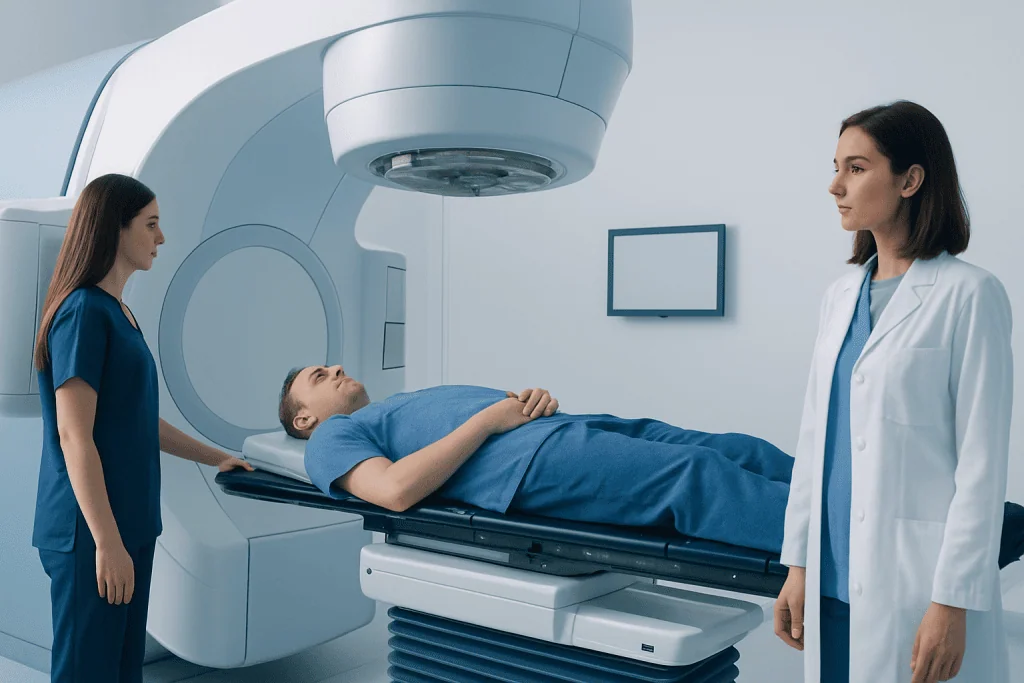
The main cancer treatment types include local treatments and systemic treatments. Local treatments work on a specific area of the body, while systemic treatments travel through the bloodstream to reach cancer cells more widely. Many people receive a combination of both.
Surgery is a local treatment used to remove a tumor and, sometimes, nearby tissue or lymph nodes. It is often used for solid tumors that are confined to one area. Radiation therapy is another local treatment. It uses high-energy beams to damage cancer cells and may be given alone or together with other therapies. Some patients benefit from high-precision radiosurgery with CyberKnife for carefully selected tumors.
Chemotherapy is a systemic treatment that uses medicines to kill fast-growing cancer cells. It may be given before surgery, after surgery, or as the main treatment. Targeted therapy works differently. It acts on specific molecules or pathways that help cancer cells grow. Immunotherapy helps the immune system recognize and attack cancer cells more effectively. In some blood cancers and selected other conditions, immunotherapy can play an important role.
Other treatment types include hormone therapy, which is used for cancers affected by hormones, such as some breast and prostate cancers; stem cell or bone marrow transplant, mainly used for certain blood cancers; and supportive or palliative care, which helps manage symptoms and side effects at any stage of illness. Some patients may also be evaluated for bone marrow transplantation when it is medically appropriate.
Why One Option May Be Chosen Over Another
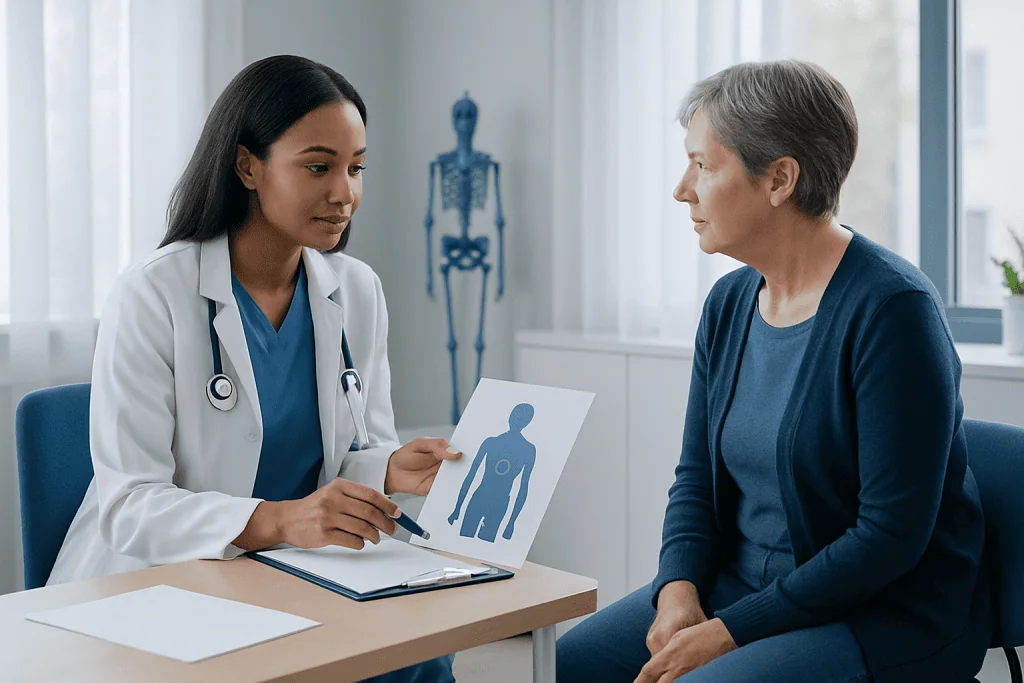
Doctors choose among cancer treatment options by looking at the characteristics of the cancer and the overall clinical picture. The exact diagnosis matters because cancers that start in different organs can respond very differently to the same therapy. The cancer stage is also important. A small tumor limited to one area may be treated mainly with surgery or radiation, while cancer that has spread may require systemic treatment such as chemotherapy, targeted therapy, or immunotherapy.
Laboratory tests and pathology results help guide treatment decisions. The grade of the tumor, whether lymph nodes are involved, and whether the tumor has certain proteins, receptors, or genetic changes can all influence the plan. These details may show that a particular medicine is more likely to work or that one treatment should be avoided.
Treatment goals are another key reason one option may be used over another. If cure is possible, treatment may be more intensive. If the cancer is advanced or difficult to remove completely, the aim may be to slow growth, relieve symptoms, and maintain quality of life. Doctors also consider how quickly treatment needs to begin, what side effects are expected, and whether the person is well enough to tolerate specific therapies.
Personal factors matter too. Fertility concerns, work and family responsibilities, existing heart, lung, kidney, or liver disease, and past cancer treatments can all affect the choice. A shared discussion helps balance expected benefit with day-to-day practical considerations.
How Cancer Is Diagnosed Before Treatment Planning
Careful diagnosis is essential before treatment begins. The process usually starts with a medical history, physical examination, and tests based on symptoms or screening findings. Imaging studies such as ultrasound, CT, MRI, or PET scans may be used to show the size and location of a tumor and whether it has spread.
A biopsy is often the most important step. In a biopsy, a small tissue sample is removed and examined by a pathologist. This confirms whether cancer is present and can identify the exact type. Additional tests on the tissue may look for hormone receptors, proteins, or gene changes that may help predict which treatment is likely to be most effective.
Blood tests can provide information about organ function, blood cell counts, and, in some cancers, tumor markers. Staging tests help determine how far the cancer has spread. This information is used to classify the disease and guide treatment choices. For some people, advanced imaging and laboratory evaluation are part of a comprehensive oncology check-up before therapy starts.
Because cancer is a broad group of diseases, diagnosis and treatment planning are highly individualized. In some situations, doctors may also evaluate conditions such as lung cancer or breast cancer using disease-specific tests and staging systems to choose the most suitable plan.
What to Expect From Treatment and Side Effect Management
Each treatment type has possible benefits and side effects. Surgery may involve pain, fatigue, temporary limits in activity, and recovery time that depends on the operation. Radiation therapy can cause tiredness and irritation in the treated area. Chemotherapy may affect healthy fast-growing cells as well as cancer cells, which can lead to nausea, hair loss, mouth sores, diarrhea or constipation, and increased infection risk. Not every person has the same side effects, and many can be prevented or reduced.
Targeted therapy and immunotherapy often have different side effect patterns. Some people develop skin changes, diarrhea, liver test abnormalities, inflammation, or immune-related reactions. Hormone therapy may cause hot flashes, mood changes, joint symptoms, or bone thinning, depending on the medicine. Stem cell transplant has more intensive risks and requires close monitoring.
Supportive care is an important part of cancer treatment, not a separate last resort. It may include medicines for nausea and pain, nutritional support, physical therapy, infection prevention, psychological counseling, and help with sleep and fatigue. Good symptom control can improve both comfort and the ability to continue treatment safely.
Patients are usually monitored regularly during therapy with blood tests, imaging, and follow-up visits. This helps the team check whether treatment is working and whether any changes are needed. Side effects should be reported promptly rather than managed alone, especially if they are severe, sudden, or unusual.
Questions Patients May Ask When Comparing Treatment Options
Understanding the purpose of treatment can make decisions clearer. Patients often find it helpful to ask whether the aim is to cure the cancer, shrink it before surgery, lower the risk of recurrence, control it for as long as possible, or relieve symptoms. They may also ask why one treatment is recommended instead of another and whether there are alternatives.
It can also help to discuss the expected timeline. Some treatments are given over days or weeks, while others continue for months or longer. Patients may wish to ask how often they will need hospital visits, whether treatment is inpatient or outpatient, and what kind of recovery period is typical.
Questions about side effects are equally important. Patients may want to know which side effects are common, which need urgent attention, and what can be done to reduce them. It is also reasonable to ask whether treatment may affect fertility, sexual health, appetite, work, exercise, or travel plans.
Decision-making may feel easier when someone brings a family member or friend to appointments, takes notes, and asks for written information. In complex cases, a second opinion may also be useful and is a common part of cancer care.
When to See a Doctor and Getting Specialist Care
Anyone with symptoms that could suggest cancer should see a doctor promptly. These symptoms can vary widely depending on the organ involved, but examples include a new lump, unexplained bleeding, a lasting cough, persistent pain, changes in bowel or bladder habits, unintended weight loss, or unusual fatigue. Most of these symptoms are not caused by cancer, but they should still be assessed if they persist or worsen.
People who have already been diagnosed with cancer should contact their care team urgently if they develop fever, breathing difficulty, chest pain, severe vomiting or diarrhea, dehydration, confusion, uncontrolled pain, heavy bleeding, or signs of infection. Early attention can help prevent complications and may allow treatment to continue more safely.
Specialist evaluation is important because cancer care is increasingly personalized. A multidisciplinary team can review pathology, imaging, and treatment possibilities in detail. Near the end of the care pathway, some international patients choose centers such as Acibadem International, where multidisciplinary specialists and JCI-accredited hospitals diagnose and treat many forms of cancer.
Follow-up remains important even after treatment ends. Ongoing visits may help detect recurrence, monitor long-term side effects, support recovery, and address physical and emotional concerns as health needs change over time.
Frequently asked questions
What are the main types of cancer treatment?
The main types of cancer treatment include surgery, radiation therapy, chemotherapy, immunotherapy, targeted therapy, hormone therapy, and stem cell transplant for selected cases. Supportive or palliative care is also an important part of treatment because it helps manage symptoms and side effects.
How do doctors decide which cancer treatment to use?
Doctors look at the cancer type, stage, location, biopsy results, and whether the tumor has certain genetic or molecular features. They also consider the patient’s general health, treatment goals, previous treatments, and personal preferences before recommending a plan.
Can more than one cancer treatment be used together?
Yes. Many people receive a combination of treatments, such as surgery followed by chemotherapy or radiation, or drug treatment before surgery to shrink a tumor. Combining therapies can improve cancer control in some situations, but the exact approach depends on the diagnosis.
Is chemotherapy always needed for cancer?
No. Chemotherapy is useful for many cancers, but not all cancers need it. Some are treated mainly with surgery, radiation, hormone therapy, targeted therapy, or immunotherapy, depending on the type of cancer and how advanced it is.
What is the difference between targeted therapy and immunotherapy?
Targeted therapy acts on specific features of cancer cells, such as proteins or signaling pathways that help them grow. Immunotherapy works by helping the immune system recognize and attack cancer cells more effectively. Some cancers may respond better to one approach than the other, and some patients may receive both at different times.
Are side effects the same for every cancer treatment?
No. Side effects vary by treatment type, the specific medicine or procedure, the area being treated, and the individual patient. Many side effects can be managed with supportive care, so patients should tell their team about symptoms early rather than waiting.
References
- World Health Organization
- National Cancer Institute
- American Cancer Society
- European Society for Medical Oncology
- National Comprehensive Cancer Network
This article is for general information only and is not a substitute for professional medical advice. Please consult a qualified doctor about your individual situation.
Oncology care in Turkey — second opinion and treatment plan
JCI-accredited · board-certified surgeons · reply within 24h
Add us as a Preferred Source to see more of our trusted health content across Google Search, AI Overviews and Discover.