Understanding Broken Heart Syndrome: A Complete Patient Guide

Broken heart syndrome is a real heart condition, not simply an emotional reaction. Its symptoms can closely resemble a heart attack, especially chest pain and shortness of breath.
Key Takeaways
- Broken heart syndrome is a real heart condition, not simply an emotional reaction.
- Its symptoms can closely resemble a heart attack, especially chest pain and shortness of breath.
- Sudden stress is a common trigger, but not everyone has a clearly identifiable cause.
- Most people recover within days to weeks, though follow-up heart care is still important.
- Emergency evaluation is needed to rule out a heart attack and other serious heart problems.
Broken heart syndrome is a temporary weakening of the heart muscle, often brought on by sudden emotional or physical stress. It can feel very similar to a heart attack, so fast medical assessment is important even though many people recover well with appropriate care.
What is broken heart syndrome?
Broken heart syndrome is a temporary heart condition in which the heart muscle suddenly becomes weaker, usually after intense emotional or physical stress. Doctors also call it takotsubo cardiomyopathy or stress cardiomyopathy. Although the name sounds informal, it describes a genuine medical problem that can cause sudden chest pain, shortness of breath, and changes on heart tests.
One reason this condition can be confusing is that it often looks like a heart attack at first. A person may have similar symptoms, abnormal electrocardiogram findings, and elevated cardiac blood tests. However, unlike a typical heart attack, broken heart syndrome usually does not involve a blocked coronary artery.
In many cases, the main pumping chamber of the heart changes shape for a short time and does not squeeze normally. This affects how well blood is pumped through the body. The good news is that the heart function often improves again with treatment, monitoring, and time.
Even though recovery is usually favorable, broken heart syndrome should never be self-diagnosed at home. Because it can be hard to distinguish from a heart attack without urgent testing, any sudden chest symptoms should be treated as a medical emergency.
How broken heart syndrome affects the heart
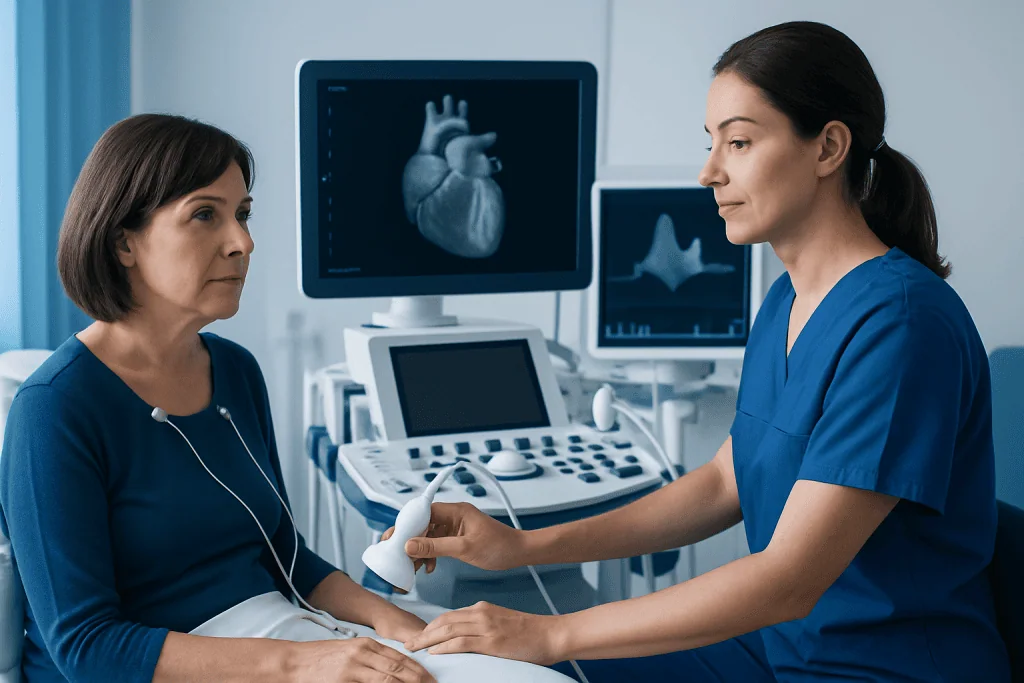
A useful way to understand broken heart syndrome is to think of it as a sudden stress response that temporarily overwhelms the heart. Experts believe that a surge of stress hormones, such as adrenaline, may briefly affect the heart muscle and blood vessels. This can reduce the heart’s ability to contract normally.
The condition most often affects the left ventricle, the heart’s main pumping chamber. Part of the ventricle may balloon outward while another part contracts more strongly. This pattern is often seen on heart imaging and helps doctors recognize the condition.
Although the weakness is usually temporary, the heart may still struggle during the acute phase. Some people develop low blood pressure, fluid in the lungs, irregular heart rhythms, or other complications. For this reason, hospital observation is often needed at least in the early stage.
Broken heart syndrome is different from long-term heart failure, but it can briefly cause similar symptoms. It may also need evaluation alongside other heart conditions such as heart failure or rhythm problems if symptoms are severe or recovery is slower than expected.
Symptoms and possible triggers

The most common symptoms of broken heart syndrome are sudden chest pain and shortness of breath. These symptoms can begin within minutes or hours of a stressful event, but sometimes they occur without a clearly remembered trigger. Some people also notice palpitations, dizziness, fainting, nausea, or unusual fatigue.
Triggers can be emotional or physical. Emotional triggers may include grief, fear, bad news, conflict, or a major life shock. Physical triggers can include surgery, severe pain, an asthma flare, infection, neurologic illness, or another serious medical event. In some cases, a happy but intense surprise has also been linked to the condition.
Symptoms vary from person to person. Some people have mild discomfort, while others feel very unwell and may need emergency support. Because symptoms overlap with a heart attack, it is not possible to safely tell the difference based on feelings alone.
- Chest pressure, tightness, or pain
- Shortness of breath
- Rapid or irregular heartbeat
- Lightheadedness or fainting
- Extreme weakness after a sudden stressor
Who is at risk and what causes it?
The exact cause of broken heart syndrome is still being studied, but a sudden surge in stress hormones is considered a leading explanation. These hormones may temporarily stun the heart muscle or affect the tiny blood vessels that supply it. This helps explain why symptoms often start after an intense event.
The condition is seen more often in women after menopause, though it can affect men and younger adults as well. A history of anxiety, depression, or neurologic conditions may be present in some people, but these factors do not mean the condition is imagined or purely psychological. It is a physical heart disorder with measurable changes in heart function.
Doctors also look at other health issues that could raise overall heart risk or complicate recovery. These may include high blood pressure, smoking, diabetes, previous heart disease, and chronic lung disease. Evaluating these factors helps guide treatment and follow-up.
In some patients, broken heart syndrome occurs during another illness or hospitalization. Because heart symptoms can overlap with coronary disease, clinicians may also evaluate for conditions such as coronary artery disease at the same time.
How doctors diagnose it
Diagnosis begins with urgent assessment because the first priority is ruling out a heart attack. Doctors usually ask about symptoms, recent stressors, medications, and medical history, then perform an examination, an electrocardiogram, and blood tests that can show heart strain or injury.
Imaging is especially important. An echocardiogram can show how the heart is pumping and whether the left ventricle has the typical movement pattern seen in broken heart syndrome. In some cases, doctors may also recommend advanced heart imaging such as cardiac MRI to assess the heart muscle in more detail.
Because symptoms can closely mimic a blocked artery, some patients need urgent coronary imaging or catheter-based testing. This may include coronary angiography to check for blockages. Finding no major obstruction, together with the characteristic heart muscle changes, supports the diagnosis.
Diagnosis is not based on stress alone. It depends on a combination of symptoms, heart tests, imaging findings, and exclusion of other serious causes. That careful process helps ensure the right treatment and a safer recovery plan.
Treatment and recovery
Treatment for broken heart syndrome focuses on stabilizing the heart, relieving symptoms, and preventing complications while the heart muscle recovers. Many people are treated in hospital at first so the care team can monitor blood pressure, oxygen levels, fluid status, and heart rhythm.
Doctors may use medications commonly used for heart conditions, such as treatments that support heart function, help control blood pressure, reduce fluid overload, or lower the strain on the heart. The exact plan depends on the person’s symptoms, test results, and whether complications are present. If irregular heart rhythms occur, monitoring or additional care may be needed.
Follow-up is an important part of recovery. Repeat echocardiography is often used to confirm that the heart’s pumping function is improving. Some people recover in days, while others need several weeks or a few months before heart function returns to normal.
Emotional support, sleep, gradual return to activity, and management of other medical conditions can all help during recovery. For patients who need advanced evaluation, coordinated cardiology care may be appropriate. Near the end of treatment planning, some international patients may also seek assessment at Acibadem International, where multidisciplinary specialists in JCI-accredited hospitals diagnose and treat heart conditions including stress-related cardiomyopathy.
Living well after broken heart syndrome
After the initial event, many people want to know how to protect their heart and reduce the chance of another episode. While recurrence is not common for most patients, it can happen, so ongoing follow-up matters. The care team may advise periodic heart checks, medication review, and attention to overall cardiovascular health.
Self-care after discharge usually includes taking medicines exactly as prescribed, attending follow-up appointments, and returning to activity gradually. It can also help to identify stress patterns, improve sleep habits, and use healthy coping strategies such as counseling, relaxation techniques, social support, or supervised exercise when approved by a doctor.
General heart-healthy habits remain valuable even though broken heart syndrome is not the same as a typical blocked-artery heart attack. These include not smoking, eating a balanced diet, managing blood pressure and blood sugar, limiting excess alcohol, and staying physically active within medically safe limits.
People recovering from this condition should also pay attention to their emotional wellbeing without blaming themselves for the event. Stress is a trigger, but the heart response is involuntary. A balanced recovery plan supports both physical and mental health.
When to seek medical care
Any sudden chest pain, chest pressure, shortness of breath, fainting, or severe palpitations should be treated as urgent medical symptoms. A person should seek emergency care right away rather than assuming it is anxiety, indigestion, or stress alone. This is the safest approach because a heart attack and broken heart syndrome can feel very similar.
Someone who has already been diagnosed with broken heart syndrome should contact a doctor promptly if symptoms return, swelling develops, breathing becomes more difficult, or fatigue is worsening instead of improving. These changes can signal a complication or another heart problem that needs attention.
Medical review is also important after a major stress event if a person has heart risk factors or a history of heart disease. A clinician can decide whether tests are needed and whether referral for further evaluation, such as echocardiography, would be helpful.
Early evaluation gives doctors the best chance to diagnose the problem accurately and start appropriate care. Prompt assessment is reassuring as well as protective, especially when symptoms are new or severe.
Frequently asked questions
Is broken heart syndrome the same as a heart attack?
No. Broken heart syndrome can look very similar to a heart attack, but it usually does not involve a blocked coronary artery. Because the symptoms overlap so closely, emergency testing is still needed to tell the difference safely.
Can stress really cause a heart problem like this?
Yes. Sudden emotional or physical stress is believed to trigger a surge of stress hormones that can temporarily affect the heart muscle. This does not happen to everyone under stress, but it is a recognized medical condition.
How long does recovery usually take?
Many people begin to improve within days, and heart function often recovers within weeks. Some people need a few months for full recovery and follow-up imaging is commonly used to confirm improvement.
Can broken heart syndrome happen more than once?
Yes, recurrence is possible, although many patients do not experience another episode. Ongoing follow-up and attention to stress management and heart health may help reduce future risk.
Who gets broken heart syndrome most often?
It is more commonly diagnosed in women after menopause, but it can affect adults of any sex or age. Doctors also consider other medical conditions, emotional stress, and physical illness when assessing risk.
Will someone need long-term medication?
Some patients use heart medications for a period of time while the heart recovers, but treatment plans vary. A doctor decides this based on symptoms, heart function, blood pressure, and whether complications occurred.
References
- American Heart Association
- National Heart, Lung, and Blood Institute
- Mayo Clinic
- European Society of Cardiology
- National Institute for Health and Care Excellence
This article is for general information only and is not a substitute for professional medical advice. Please consult a qualified doctor about your individual situation.
Heart care in Turkey — expert evaluation and treatment
JCI-accredited · board-certified surgeons · reply within 24h
Add us as a Preferred Source to see more of our trusted health content across Google Search, AI Overviews and Discover.
Check your numbers in seconds
BMI, calories, due date, blood pressure and 30+ more clinical calculators — free, instant, doctor-reviewed ranges.