Understanding Chemosis: A Complete Patient Guide

Chemosis means swelling of the conjunctiva and can make the eye look puffy, watery, or gelatinous. Common causes include allergies, infections, dryness, irritation, injury, and inflammation after surgery.
Key Takeaways
- Chemosis means swelling of the conjunctiva and can make the eye look puffy, watery, or gelatinous.
- Common causes include allergies, infections, dryness, irritation, injury, and inflammation after surgery.
- Mild cases may settle with treatment of the cause, but severe pain, vision changes, or one-sided swelling need prompt medical assessment.
- Diagnosis is based on an eye examination and, when needed, tests to look for infection, allergy, dryness, or deeper eye problems.
- Treatment may include lubricating drops, allergy treatment, infection treatment, or care for an underlying eye or medical condition.
Chemosis is swelling of the conjunctiva, the thin clear tissue covering the white of the eye and lining the inside of the eyelids. It is usually a sign of irritation, allergy, infection, or inflammation rather than a disease on its own, and treatment focuses on finding and managing the underlying cause.
Overview: What Chemosis Means
Chemosis is swelling of the conjunctiva, the thin transparent membrane that covers the white part of the eye and the inside of the eyelids. When this tissue becomes irritated or inflamed, it can hold extra fluid and appear puffy, swollen, or even blister-like. Many people describe it as a feeling that something is stuck in the eye or that the eye looks unusually “waterlogged.”
Chemosis is not a diagnosis by itself. Instead, it is a visible sign that the eye is reacting to something such as an allergy, infection, dryness, trauma, or inflammation. In some cases it is mild and temporary. In others, it may point to a condition that needs medical attention, especially if it is associated with pain, discharge, fever, or changes in vision.
This matters because treatment depends on the cause rather than the swelling alone. For example, allergy-related chemosis is managed differently from bacterial infection or swelling linked to a problem around the eye socket. A careful eye assessment helps separate simple irritation from conditions that need more urgent care.
How Chemosis Looks and Feels
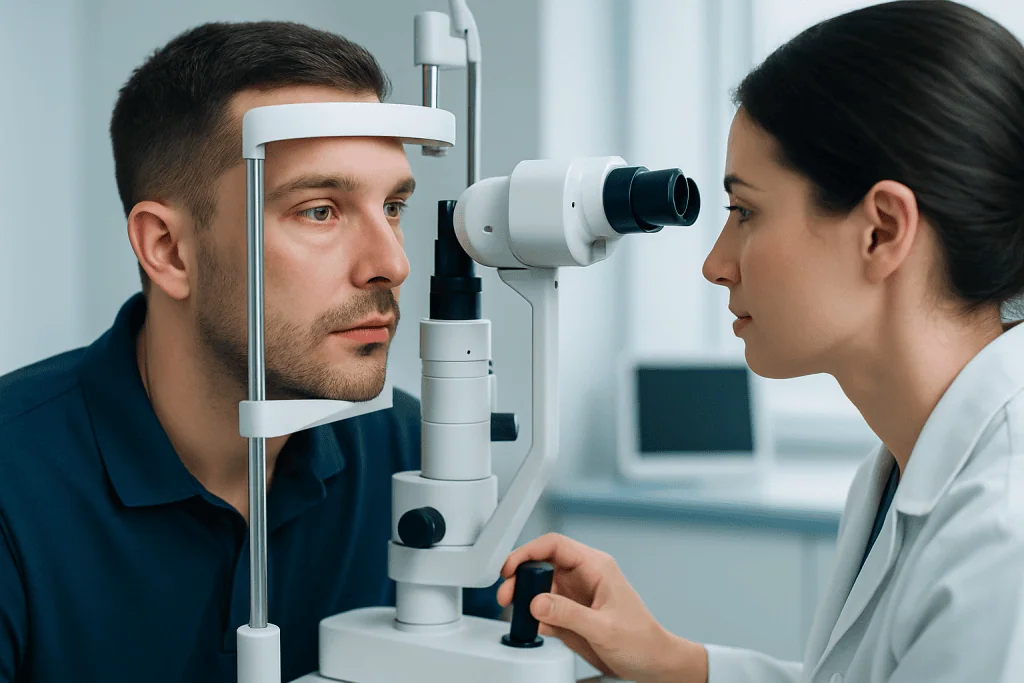
The most obvious sign of chemosis is swelling of the clear tissue over the white of the eye. The conjunctiva may look raised, translucent, shiny, or gelatinous. Sometimes the swelling is slight and only noticed as puffiness near the lower eyelid. In more marked cases, the swollen tissue can bulge enough to make closing the eyelids feel uncomfortable.
People with chemosis may also notice redness, tearing, itching, burning, or a foreign-body sensation. The eye may feel irritated rather than truly painful. If the swelling is related to allergy, itching and watery eyes are common. If infection or inflammation is the cause, discharge, crusting, or tenderness may be more noticeable.
Not every swollen eye is chemosis. Swelling of the eyelids, for example, can happen separately from swelling of the conjunctiva. Some people also confuse chemosis with conjunctivitis, often called pink eye. Conjunctivitis can cause chemosis, but chemosis itself simply describes the conjunctival swelling that may appear with several different eye problems.
- Puffy or ballooned-looking tissue on the white of the eye
- Watery eyes or increased tearing
- Redness or irritation
- Itching, especially with allergies
- Burning or grittiness
- Difficulty fully closing the eyelid if swelling is pronounced
Causes and Risk Factors

Allergies are one of the most common reasons for chemosis. Seasonal allergies, pet dander, dust mites, and cosmetic or contact lens reactions can all trigger inflammation in the conjunctiva. The body releases inflammatory chemicals that make the tiny blood vessels leak fluid, leading to swelling. In these cases, both eyes are often affected and itching is usually prominent.
Infections are another important cause. Viral and bacterial eye infections can irritate the conjunctiva and lead to swelling, redness, and discharge. Dry eye disease, smoke exposure, chlorine, wind, rubbing the eyes, and prolonged contact lens wear can also contribute. Eye injury or irritation after surgery may cause temporary chemosis as the tissues heal.
Less commonly, chemosis can be linked to more serious inflammation or problems around the eye, such as thyroid eye disease, severe allergic reactions, or infection in the tissues around the eye. Risk may be higher in people with allergies, chronic dry eyes, a history of eye surgery, contact lens use, or ongoing exposure to environmental irritants. Conditions affecting the eye surface, such as dry eye, may make the conjunctiva more vulnerable to swelling and irritation.
How Doctors Diagnose Chemosis
Diagnosis usually begins with a history of symptoms and a close eye examination. A doctor will ask when the swelling started, whether one or both eyes are affected, and whether symptoms include itching, discharge, pain, fever, trauma, or vision changes. These details help narrow the likely cause.
During the examination, the clinician looks at the conjunctiva, eyelids, cornea, and surrounding tissues. They assess the pattern of redness, the type of discharge, and whether the eye surface appears dry or injured. In some cases, fluorescein dye may be used to check for scratches or corneal involvement, and eyelid eversion may help find a trapped foreign body or signs of irritation.
Further tests are not always needed. If infection is suspected, a swab may occasionally be considered. If the swelling is severe, one-sided, recurrent, or associated with bulging of the eye, the doctor may investigate deeper causes and may recommend imaging or referral to an ophthalmologist. When symptoms suggest another eye disorder, evaluation may also overlap with care for glaucoma or other conditions that can affect eye comfort and vision, although these are not common direct causes of chemosis.
Treatment Options for Chemosis
Treatment for chemosis depends on the reason it developed. If allergy is the main trigger, the aim is to reduce inflammation and avoid the irritant. If infection is present, treatment is directed at the infection. If dryness, irritation, or contact lens overuse is responsible, protecting and lubricating the eye is often the first step. The swelling itself usually improves as the underlying problem settles.
Common supportive measures include preservative-free artificial tears, cool compresses, and temporarily avoiding contact lenses or eye makeup until the eye has recovered. When symptoms are related to eye surface irritation, an ophthalmologist may recommend cornea treatment strategies to protect healing tissues and improve comfort. If there is persistent tearing or another eyelid or tear drainage issue contributing to chronic irritation, a specialist may also consider eye surgery in selected cases.
Some people need prescription treatment, such as anti-allergy eye drops, antibiotic drops for bacterial infection, or other anti-inflammatory medicines chosen by an eye doctor. These should be used only as advised, because not every red or swollen eye benefits from the same medication. When chemosis follows surgery or occurs with a more complex eye problem, a tailored plan from an ophthalmology team is important.
For international patients with persistent or complicated eye symptoms, Acibadem International’s multidisciplinary specialists in JCI-accredited hospitals provide diagnosis and treatment planning based on the underlying cause.
Self-care, Prevention, and Daily Habits
Self-care can be helpful for mild chemosis, especially when the cause is allergy or surface irritation. Cool compresses may ease swelling and discomfort. Lubricating eye drops can help wash away irritants and improve the eye’s moisture balance. It is also important to avoid rubbing the eyes, because rubbing can worsen inflammation and make swelling last longer.
Prevention focuses on reducing triggers. People with known allergies may benefit from limiting exposure to pollen, dust, pet dander, or cosmetics that irritate the eyes. Contact lenses should be cleaned and replaced exactly as directed, and they should not be worn when the eye is red or swollen. If dry indoor air or screen use contributes to eye discomfort, regular breaks and humidification may help.
Eye hygiene matters as well. Hands should be washed before touching the eyes or handling lenses. Shared eye makeup should be avoided, and old cosmetics should be replaced regularly. If symptoms happen repeatedly, a doctor can help identify patterns and guide long-term prevention, rather than relying on repeated short-term self-treatment.
When to Seek Medical Care
Many cases of chemosis are mild, but some symptoms deserve prompt medical advice. A person should arrange medical assessment if the swelling is significant, does not improve, keeps coming back, or is associated with obvious discharge, marked redness, or worsening irritation. Persistent swelling can have a simple cause, but it should still be checked if it is not settling.
Urgent care is especially important if chemosis comes with eye pain, sensitivity to light, reduced vision, double vision, fever, facial swelling, or trouble moving the eye. One-sided swelling after trauma or alongside bulging of the eye also needs prompt attention. These features may suggest a deeper infection, injury, or another condition that requires fast treatment.
It is safest not to self-medicate with leftover eye drops, particularly steroid drops, unless a clinician has recommended them. Because many eye problems can look similar at first, an accurate diagnosis helps protect vision and avoid unnecessary treatment.
Frequently asked questions
Is chemosis an eye disease?
Chemosis is usually a sign rather than a disease by itself. It describes swelling of the conjunctiva, and the next step is to identify what is causing that swelling, such as allergy, infection, dryness, or irritation.
Can chemosis go away on its own?
Mild chemosis may improve once the trigger settles, especially if it is caused by temporary irritation or an allergy flare. However, persistent, severe, or recurrent swelling should be evaluated by a doctor to make sure the underlying cause is treated properly.
What is the difference between chemosis and pink eye?
Pink eye usually refers to conjunctivitis, which is inflammation of the conjunctiva and may be caused by infection or allergy. Chemosis means the conjunctiva is swollen with fluid, and it can happen as part of conjunctivitis or with other eye conditions.
Are contact lenses safe to wear with chemosis?
In general, contact lenses should not be worn while the eye is red, swollen, or irritated. Wearing lenses can worsen discomfort and may slow healing, so it is best to wait until a clinician says it is safe to restart them.
Can allergies cause chemosis in both eyes?
Yes, allergies commonly affect both eyes and can cause itching, tearing, redness, and conjunctival swelling. If symptoms follow pollen exposure, pet contact, dust, or cosmetics, allergy may be a likely explanation.
When is chemosis an emergency?
Chemosis needs urgent medical care if it is linked to vision changes, significant pain, fever, trauma, bulging of the eye, or difficulty moving the eye. These symptoms may indicate a more serious problem than simple surface irritation.
References
- American Academy of Ophthalmology
- National Eye Institute
- American Optometric Association
- NHS
- Mayo Clinic
This article is for general information only and is not a substitute for professional medical advice. Please consult a qualified doctor about your individual situation.
Explore treatments in Turkey — costs, top hospitals & a free quote
JCI-accredited · board-certified surgeons · reply within 24h
Add us as a Preferred Source to see more of our trusted health content across Google Search, AI Overviews and Discover.