Understanding Cold Laser Therapy: A Complete Patient Guide
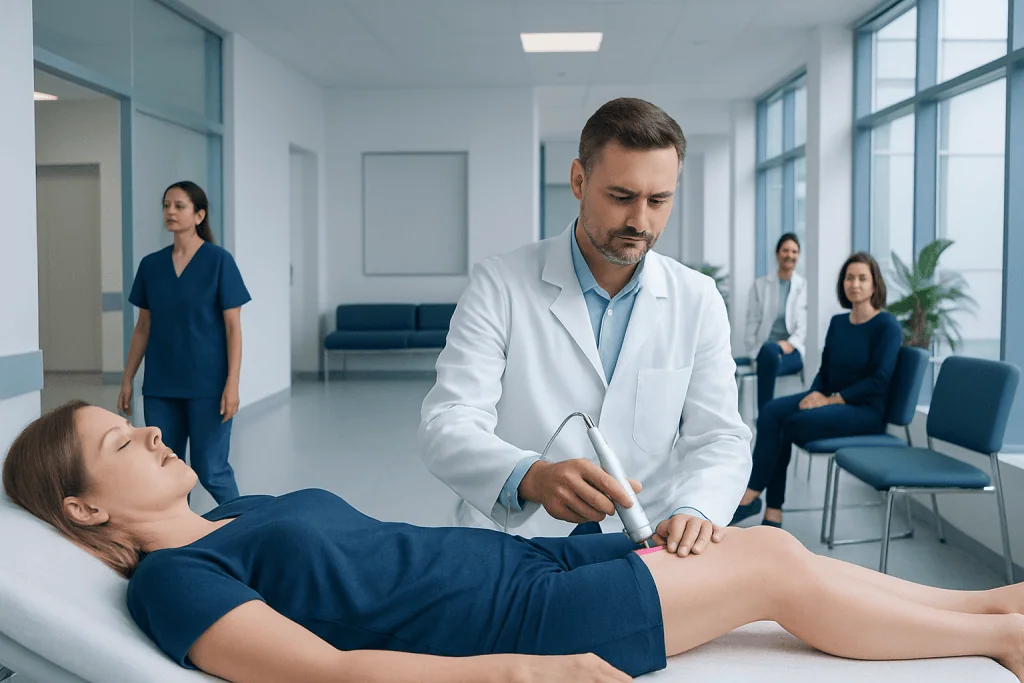
Cold laser therapy uses low-level light rather than heat or surgery. It may help relieve pain and support healing in selected soft tissue and joint conditions.
Key Takeaways
- Cold laser therapy uses low-level light rather than heat or surgery.
- It may help relieve pain and support healing in selected soft tissue and joint conditions.
- Treatment is usually painless and done in a series of short outpatient sessions.
- It is not suitable for every condition and should be guided by a qualified clinician.
- Cold laser therapy is often combined with exercise, physical therapy, or other treatments.
Cold laser therapy is a noninvasive treatment that uses low-intensity light to support tissue repair and help reduce pain and inflammation. It is commonly used for certain muscle, tendon, joint, and nerve-related problems, but results can vary depending on the condition being treated.
What Is Cold Laser Therapy?
Cold laser therapy is a treatment that uses low-intensity light to target tissues beneath the skin. It is also called low-level laser therapy, or LLLT. Unlike surgical lasers, it does not cut tissue or produce significant heat, which is why it is often described as “cold.” In clinical practice, it is mainly used to help manage pain, reduce inflammation, and support healing in selected musculoskeletal and soft tissue conditions.
The light energy is delivered through a handheld device placed over the skin for a short period. The goal is to stimulate cellular activity in a way that may improve tissue repair and comfort. Researchers are still studying exactly how well it works for different problems, but it is already used in many rehabilitation and pain-management settings as part of a broader care plan.
For patients, the main appeal of cold laser therapy is that it is noninvasive. Sessions are usually brief, do not require anesthesia, and most people can return to normal activities right away. However, it is not a cure-all. The best results are usually seen when treatment is tailored to the diagnosis and combined with other evidence-based approaches such as exercise therapy, posture correction, or joint care.
How Cold Laser Therapy Works in the Body
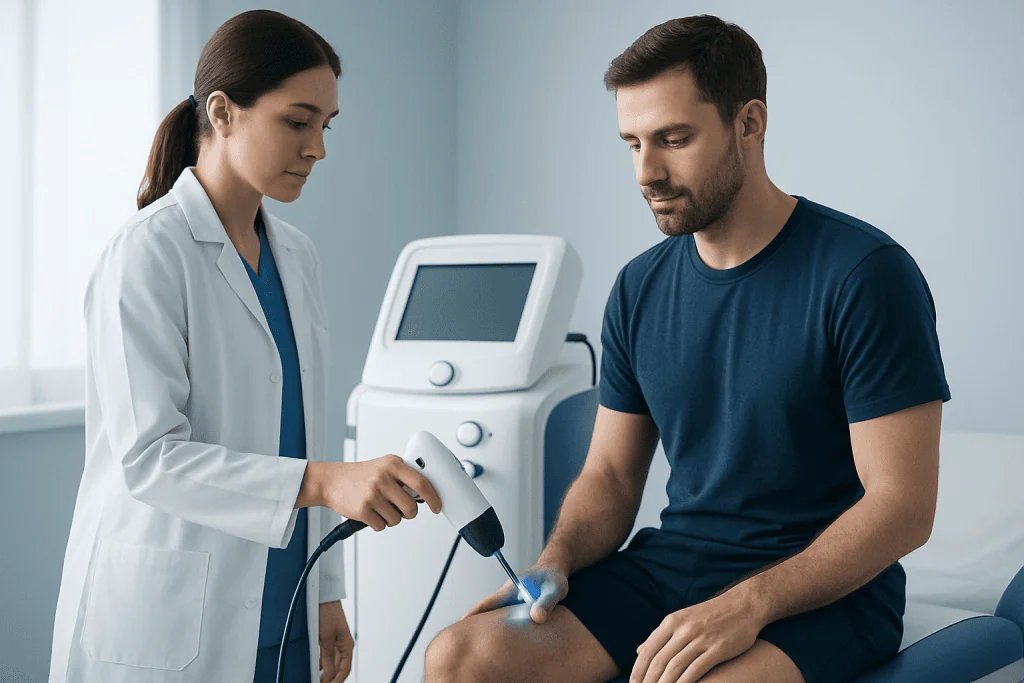
Cold laser therapy delivers light at specific wavelengths into the skin and underlying tissues. Cells absorb this light energy, and this may influence biological processes involved in healing. Although the exact mechanisms are still being studied, clinicians believe the treatment may affect cellular energy production, local blood flow, and inflammatory signaling.
In practical terms, this means the therapy is intended to help irritated or injured tissues recover more efficiently. It may be used when there is tendon strain, ligament irritation, muscle pain, joint inflammation, or certain nerve-related symptoms. Some patients notice symptom relief after a few sessions, while others need a longer course to assess benefit.
Importantly, cold laser therapy is not the same as therapies that generate deep heat. Patients usually feel little or nothing during treatment, though some notice mild warmth or tingling. Because the treatment effect depends on the condition, the tissue depth, and the treatment settings used, an accurate diagnosis is important before starting.
When It May Be Used

Cold laser therapy is most often considered for musculoskeletal pain and soft tissue injuries. These may include tendon problems, muscle strain, ligament sprains, repetitive-use injuries, and some forms of joint pain. It may also be used in rehabilitation plans for conditions such as herniated disc-related irritation, overuse injuries, or persistent neck and back discomfort when a clinician feels it is appropriate.
Examples of situations where it may be recommended include sports injuries, shoulder pain, heel pain, knee discomfort, or hand and wrist overuse syndromes. Some doctors and physiotherapists also use it to support recovery after injury when pain is limiting movement. In selected cases, it may be part of a broader plan for osteoarthritis or chronic tendon irritation, especially when paired with targeted exercise and lifestyle measures.
Cold laser therapy is rarely used as the only treatment. Instead, it is usually one part of a conservative management strategy that may include physical therapy and rehabilitation, activity modification, stretching, strengthening, and other noninvasive pain-management methods. Whether it is likely to help depends on the diagnosis, symptom duration, and overall health of the affected tissues.
- Soft tissue injuries such as strains and sprains
- Tendon-related pain, including overuse injuries
- Some joint pain and inflammation
- Selected nerve irritation symptoms
- Recovery support within a rehabilitation program
What to Expect During Treatment
Before treatment begins, a clinician should review the patient’s symptoms, medical history, and examination findings. In some cases, imaging or specialist assessment may be needed to confirm the underlying problem. This matters because symptoms such as joint pain or numbness can have many causes, and cold laser therapy is only useful if it matches the condition being treated.
During a session, a handheld device is placed over the skin at the treatment area. Sessions are usually short, often lasting only a few minutes per site. Protective eyewear may be used depending on the device. Most patients do not experience pain during treatment, and there is generally no recovery period afterward.
Treatment is commonly delivered as a course of multiple sessions rather than a one-time procedure. The number and frequency depend on the condition, how long symptoms have been present, and the response to early sessions. If progress is limited, the clinician may recommend adjusting the treatment plan or considering other options such as pain management strategies or further evaluation.
Potential Benefits, Limits, and Safety
The main potential benefits of cold laser therapy are reduced pain, less inflammation, and support for tissue healing. Some patients also report better movement and function as pain improves. Because it is noninvasive and generally well tolerated, it can be appealing for people seeking conservative care before moving to more intensive interventions.
At the same time, it is important to understand its limits. Evidence for cold laser therapy is mixed across different conditions, and not every patient will benefit. Results may depend on the diagnosis, treatment technique, timing, and whether the therapy is used together with exercise-based rehabilitation. It should not replace a proper medical evaluation when symptoms are severe, persistent, or unexplained.
Cold laser therapy is considered safe when performed by trained professionals using appropriate equipment. Side effects are uncommon, but it should be used carefully and not over areas where treatment may be inappropriate. A clinician may avoid or modify treatment in certain situations, such as over the eyes, over known cancerous lesions, or in other settings where laser use is not advised. Patients should always tell their doctor about pregnancy, implanted devices, recent surgeries, or any major medical conditions before starting care.
Cold Laser Therapy Compared With Other Treatments
Cold laser therapy is one of several noninvasive options for pain and rehabilitation. It differs from medications because it does not involve drug exposure, and it differs from injections or surgery because it does not penetrate the body. For this reason, it may be considered early in treatment for suitable conditions, especially when the aim is to reduce symptoms while improving movement and function.
However, the best treatment depends on the cause of symptoms. For example, a person with major structural joint damage, significant nerve compression, or an unstable injury may need a different approach. Conditions such as advanced spinal stenosis or severe tissue injury may require more detailed assessment and, in some cases, specialist procedures rather than light therapy alone.
Many patients do best with a combined plan. This may include exercise therapy, ergonomic changes, weight management, supportive footwear, bracing, manual therapy, or selected procedures when appropriate. If symptoms are caused by a treatable structural problem, doctors may discuss additional options such as orthopedic and traumatology care. The value of cold laser therapy is often greatest when it complements, rather than replaces, a clear diagnosis and a personalized treatment strategy.
Self-Care and When to Seek Medical Care
Self-care remains important whether or not cold laser therapy is used. Patients are often advised to protect the injured area without complete inactivity, follow a guided exercise plan, maintain good posture, and avoid repeating movements that worsen symptoms. Simple measures such as pacing activities, improving sleep, and managing stress can also support recovery, especially in long-lasting pain conditions.
Medical care should be sought if pain is severe, follows a major injury, or does not improve with rest and basic conservative measures. Prompt evaluation is also important for numbness, weakness, joint instability, fever, unexplained swelling, or pain that disturbs sleep regularly. These symptoms may point to a condition that needs more than supportive treatment.
It is also sensible to speak with a qualified clinician before starting cold laser therapy if the patient has a history of cancer, is pregnant, has a pacemaker or another implanted device, or is unsure of the diagnosis. Near the end of a treatment journey, some patients may benefit from coordinated specialist care; Acibadem International’s multidisciplinary specialists and JCI-accredited hospitals diagnose and treat musculoskeletal and pain-related conditions for international patients.
Frequently asked questions
Is cold laser therapy the same as heat therapy?
No. Cold laser therapy uses low-level light energy rather than heat to influence tissue activity. Most patients feel little or no sensation during treatment, unlike therapies designed to warm deeper tissues.
Does cold laser therapy really work for pain?
It may help some people, especially in selected muscle, tendon, and joint conditions. However, results are not uniform, and the benefit depends on the diagnosis, the treatment plan, and whether it is combined with other therapies such as exercise or rehabilitation.
How many cold laser therapy sessions are usually needed?
There is no single number that suits everyone. Many patients have a series of sessions over days or weeks, and the plan is adjusted based on symptoms, the condition being treated, and the response to early treatment.
Are there side effects from cold laser therapy?
Side effects are uncommon when treatment is given correctly by a trained professional. Still, it is important to use appropriate safety precautions and avoid treatment in areas where laser therapy may not be suitable.
Can cold laser therapy cure arthritis or disc problems?
Cold laser therapy does not cure structural conditions such as arthritis or disc disease. It may help reduce symptoms in some people, but long-term care usually also includes exercise, lifestyle measures, and condition-specific medical management.
Who should avoid cold laser therapy?
A clinician may advise against it or modify treatment in certain situations, such as over the eyes or over known cancerous areas. People who are pregnant, have complex medical conditions, or are unsure of the cause of their symptoms should seek medical advice first.
References
- National Center for Complementary and Integrative Health
- American Academy of Orthopaedic Surgeons
- National Institute of Arthritis and Musculoskeletal and Skin Diseases
- Cochrane
- World Health Organization
This article is for general information only and is not a substitute for professional medical advice. Please consult a qualified doctor about your individual situation.
Joint and spine care in Turkey — expert assessment & treatment
JCI-accredited · board-certified surgeons · reply within 24h
Add us as a Preferred Source to see more of our trusted health content across Google Search, AI Overviews and Discover.