Understanding Familial Hypercholesterolemia: A Complete Patient Guide

Familial hypercholesterolemia is passed through families and is not caused only by lifestyle. It mainly raises LDL, often called “bad” cholesterol, from an early age.
Key Takeaways
- Familial hypercholesterolemia is passed through families and is not caused only by lifestyle.
- It mainly raises LDL, often called “bad” cholesterol, from an early age.
- Many people have no symptoms until heart or vascular disease develops.
- Family history, cholesterol testing, and sometimes genetic testing help confirm the diagnosis.
- Treatment usually includes lifestyle changes plus cholesterol-lowering medicines.
- Close relatives may also need screening because the condition often affects multiple family members.
Familial hypercholesterolemia is an inherited condition that keeps LDL cholesterol very high from birth, even in people who eat well and stay active. Early diagnosis and ongoing treatment can greatly reduce the risk of heart and blood vessel disease.
Overview: what familial hypercholesterolemia means
Familial hypercholesterolemia is a genetic condition that causes very high levels of low-density lipoprotein (LDL) cholesterol in the blood. Because the body cannot clear LDL efficiently, cholesterol builds up over many years and can damage blood vessels earlier than expected. This raises the risk of coronary artery disease, heart attack, stroke, and other vascular problems.
Unlike common high cholesterol, familial hypercholesterolemia is present from birth. A person may appear healthy, have a balanced diet, and still have markedly elevated LDL levels because the main problem lies in genes that control cholesterol handling. For this reason, the condition often goes unrecognized unless cholesterol is checked or a strong family history prompts testing.
Familial hypercholesterolemia may affect one gene copy inherited from one parent or, more rarely, gene copies inherited from both parents. The more common form is heterozygous familial hypercholesterolemia, while the rarer and more severe form is homozygous familial hypercholesterolemia. Both forms benefit from early identification, careful cardiovascular assessment, and long-term treatment planning.
How it affects the body and why early diagnosis matters
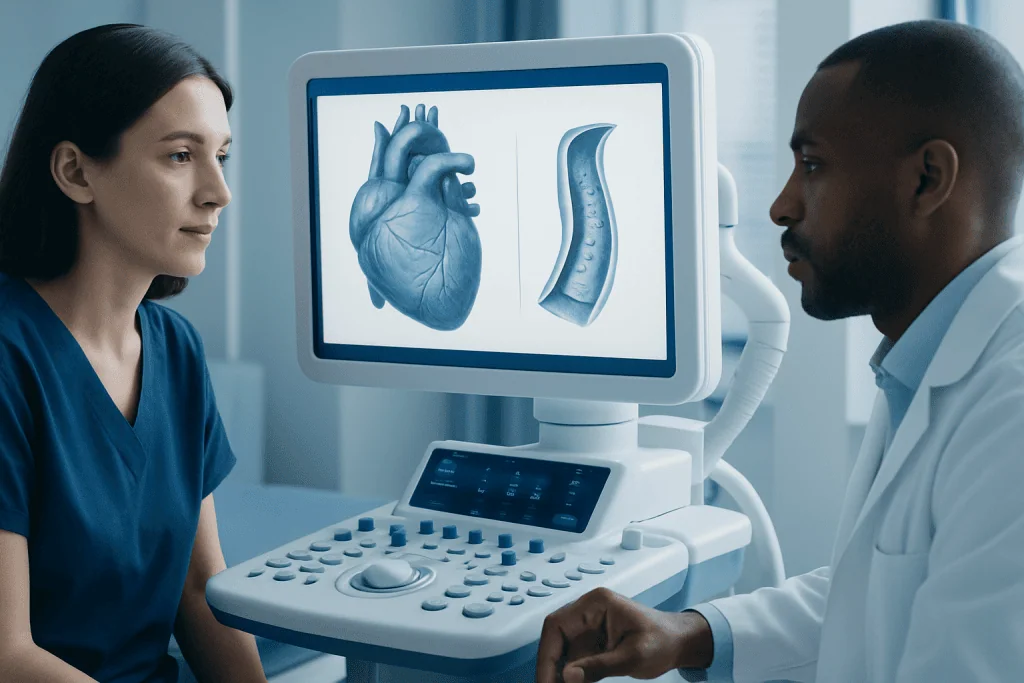
LDL cholesterol can gradually enter artery walls and contribute to plaque formation, a process known as atherosclerosis. Over time, plaques can narrow arteries or suddenly rupture, reducing blood flow to the heart, brain, or limbs. In familial hypercholesterolemia, this process may begin much earlier in life than in the general population.
This is why early diagnosis matters. Detecting the condition before complications appear gives doctors a chance to lower LDL levels and reduce long-term cardiovascular risk. In many families, one diagnosis leads to testing of parents, siblings, and children, allowing treatment to begin sooner for others who may also be affected.
Familial hypercholesterolemia is closely linked to conditions such as coronary artery disease and can overlap with broader problems involving high cholesterol. Recognizing that very high LDL may have a genetic cause helps guide the right follow-up, especially when cholesterol remains elevated despite healthy habits.
Symptoms and signs to watch for

Many people with familial hypercholesterolemia do not notice symptoms for years. The condition itself does not usually cause pain or obvious illness in its early stages. Instead, the main concern is silent cholesterol buildup that may lead to heart or vascular disease over time.
Some people develop physical signs of long-standing high cholesterol. These may include cholesterol deposits in the skin or tendons, called xanthomas, especially around the hands, elbows, knees, or Achilles tendon. A pale or gray ring around the cornea, called corneal arcus, may also appear at a younger age than usual.
Symptoms often appear only when complications develop. These may include chest pain with exertion, shortness of breath, leg pain while walking, or symptoms linked to reduced blood flow to the heart or brain. Because many people feel completely well, routine testing and family screening are a very important part of finding the condition early.
- Very high LDL cholesterol on blood tests
- Family history of early heart disease
- Family members with known inherited high cholesterol
- Tendon xanthomas or other cholesterol deposits
- Cardiovascular symptoms at a younger age than expected
Causes, inheritance, and risk factors
Familial hypercholesterolemia is caused by inherited changes in genes involved in removing LDL cholesterol from the blood. The most commonly affected gene is the LDL receptor gene, but other genes can also be involved, including those related to apolipoprotein B or PCSK9. These gene changes reduce the body’s ability to clear LDL efficiently, so cholesterol remains high over time.
The condition usually follows an autosomal dominant inheritance pattern. This means a person can develop it by inheriting one affected gene from one parent. If one parent has familial hypercholesterolemia, each child has a significant chance of inheriting the condition. In the rarer homozygous form, a child inherits affected genes from both parents, which usually leads to much higher cholesterol and earlier complications.
The main risk factor is family history. A personal or family history of premature heart attack, angina, stroke, or very high LDL cholesterol should raise suspicion. Lifestyle habits such as diet, smoking, physical inactivity, diabetes, or high blood pressure do not cause familial hypercholesterolemia, but they can increase cardiovascular risk further and make careful management even more important.
How doctors diagnose familial hypercholesterolemia
Diagnosis usually begins with a detailed personal and family history, along with a fasting or non-fasting lipid profile. Doctors look closely at LDL cholesterol levels, age, and any family history of early cardiovascular disease. Physical signs such as tendon xanthomas can support the diagnosis, though many patients do not have visible findings.
Several clinical scoring systems may be used to estimate the likelihood of familial hypercholesterolemia. These tools combine LDL levels, family history, personal history of early vascular disease, and examination findings. Genetic testing can help confirm the diagnosis, identify the specific mutation, and support screening for relatives, but a person may still be diagnosed clinically even if a genetic change is not found.
Doctors may also assess the heart and blood vessels for existing complications. Depending on the person’s age, symptoms, and risk profile, this may include broader cardiology evaluation and imaging or functional tests. Because treatment decisions often depend on total cardiovascular risk, the diagnostic process focuses not only on cholesterol numbers but also on the person’s overall heart health.
Treatment options and long-term management
Treatment aims to lower LDL cholesterol as much as safely possible and reduce the risk of atherosclerotic cardiovascular disease. Most people need more than lifestyle changes alone because the underlying cause is genetic. Care usually includes a long-term plan that combines medication, regular follow-up, and management of other risk factors such as smoking, high blood pressure, or diabetes.
Doctors often start with statins, which reduce cholesterol production in the liver and help lower LDL. If LDL remains above target, other medicines may be added, such as ezetimibe or injectable therapies that improve LDL clearance. In more severe cases, especially homozygous familial hypercholesterolemia, specialized treatments may be considered through a center experienced in advanced lipid disorders and cardiovascular care.
Lifestyle measures still matter. A heart-healthy eating pattern, regular physical activity, weight management, and avoiding tobacco all support vascular health and may improve the overall treatment response. For some patients, especially those with significant artery disease, doctors may also evaluate related options such as coronary angiography if symptoms or test results suggest reduced blood flow to the heart.
Long-term management is ongoing rather than short term. Follow-up blood tests help monitor LDL response and medicine tolerance. Children, adults, and older patients may all need individualized plans based on age, family history, pregnancy considerations, and the presence or absence of cardiovascular disease.
Prevention, family screening, and self-care
Familial hypercholesterolemia itself cannot be prevented because it is inherited, but its complications can often be delayed or reduced with early action. One of the most effective steps is cascade screening, which means testing close relatives of a person who has been diagnosed. This approach helps identify affected family members before heart disease develops.
Self-care focuses on protecting heart and vascular health every day. This includes following the treatment plan, taking medicines consistently, attending blood test appointments, and discussing side effects rather than stopping treatment without advice. A diet emphasizing vegetables, fruits, legumes, whole grains, fish, and unsaturated fats may support cholesterol management, even though food alone usually will not normalize LDL in this condition.
Regular exercise, not smoking, moderating alcohol intake, and maintaining healthy sleep habits are also helpful. Patients may find it useful to keep a record of cholesterol results and family history, especially if relatives live in different places. In multidisciplinary centers, specialists can coordinate prevention and treatment; Acibadem International’s JCI-accredited hospitals care for international patients with inherited lipid disorders through cardiology and related services, including preventive health assessments when appropriate.
When to seek medical care
A person should speak with a doctor if routine blood work shows very high LDL cholesterol, especially if there is a family history of early heart disease or known familial hypercholesterolemia. Medical advice is also important if a child, sibling, or parent of an affected person has never been screened. Early evaluation can clarify whether high cholesterol is inherited and whether treatment should begin.
Prompt medical care is needed for symptoms that may suggest heart or vascular complications. These include chest pressure, shortness of breath with exertion, sudden weakness, difficulty speaking, or severe leg pain with walking or at rest. These symptoms do not always mean a serious emergency, but they should not be ignored.
Ongoing follow-up is important even when there are no symptoms. Familial hypercholesterolemia often requires lifelong monitoring because cholesterol levels, treatment targets, and cardiovascular risk can change over time. A qualified doctor or lipid specialist can guide safe treatment choices for adults, children, and families.
Frequently asked questions
Is familial hypercholesterolemia the same as regular high cholesterol?
No. Familial hypercholesterolemia is an inherited condition that causes high LDL cholesterol from birth, while common high cholesterol often develops from a mix of genetics, diet, age, and lifestyle. People with familial hypercholesterolemia usually need more intensive treatment.
Can someone have familial hypercholesterolemia and feel completely healthy?
Yes. Many people have no symptoms for years because high LDL itself does not usually cause obvious early warning signs. That is why blood tests and family history are so important.
At what age should family members be tested?
Testing may be appropriate in both children and adults when a close relative has familial hypercholesterolemia or very early heart disease. The exact timing depends on family history and local guidelines, so a doctor can advise when screening should begin.
Does eating well cure familial hypercholesterolemia?
A heart-healthy diet is helpful, but it does not cure the condition because the main cause is genetic. Most patients need medication as well as lifestyle measures to bring LDL cholesterol down.
Is genetic testing always necessary?
Not always. Doctors can often diagnose familial hypercholesterolemia using cholesterol levels, family history, and examination findings. Genetic testing can still be very useful, especially for confirming the diagnosis and helping relatives get screened.
Can children have familial hypercholesterolemia?
Yes. Because the condition is inherited, children can have high LDL cholesterol from a young age. Early recognition allows monitoring and treatment decisions that may lower future cardiovascular risk.
References
- World Health Organization
- American Heart Association
- National Heart, Lung, and Blood Institute
- Centers for Disease Control and Prevention
- European Atherosclerosis Society
This article is for general information only and is not a substitute for professional medical advice. Please consult a qualified doctor about your individual situation.
Explore treatments in Turkey — costs, top hospitals & a free quote
JCI-accredited · board-certified surgeons · reply within 24h
Add us as a Preferred Source to see more of our trusted health content across Google Search, AI Overviews and Discover.
Check your numbers in seconds
BMI, calories, due date, blood pressure and 30+ more clinical calculators — free, instant, doctor-reviewed ranges.