Understanding Tendinosis: A Complete Patient Guide

Tendinosis is a chronic degenerative tendon condition, not simply short-term inflammation. Pain often develops gradually and may worsen with repeated use, exercise, or certain work activities.
Key Takeaways
- Tendinosis is a chronic degenerative tendon condition, not simply short-term inflammation.
- Pain often develops gradually and may worsen with repeated use, exercise, or certain work activities.
- Diagnosis is based on symptoms, physical examination, and sometimes imaging such as ultrasound or MRI.
- Treatment usually focuses on load management, physical therapy, and progressive strengthening exercises.
- Early care can help prevent long-lasting pain, reduced function, and repeat injury.
Tendinosis is a long-term tendon problem in which the tendon gradually degenerates, usually from repeated strain or poor healing over time. It differs from tendinitis, which is mainly inflammation, and it often improves with the right diagnosis, activity changes, and structured rehabilitation.
What tendinosis means
Tendinosis is a chronic tendon disorder caused by small, repeated injuries and incomplete healing within the tendon. Instead of a brief inflammatory reaction that settles quickly, the tendon fibers begin to lose their normal structure over time. This can lead to ongoing pain, stiffness, weakness, and reduced function in the affected area.
The condition often affects tendons that handle repeated force, such as the Achilles tendon, patellar tendon, rotator cuff tendons, elbow tendons, or wrist tendons. It is common in athletes, active adults, and people whose jobs involve repetitive movements. However, it can also occur in anyone after overuse, age-related wear, or a sudden increase in activity.
A helpful way to understand tendinosis is to compare it with tendinitis. Tendinitis usually describes a more short-term inflammatory problem, while tendinosis refers to longer-standing tendon degeneration. In real life, people may use these words interchangeably, but distinguishing them matters because chronic tendon degeneration often responds best to rehabilitation and gradual loading rather than rest alone.
How tendinosis feels and where it occurs
The most common symptom of tendinosis is pain that develops gradually. The discomfort is often localized to the tendon or where it attaches to bone. Many people notice pain during exercise, repetitive movement, climbing stairs, lifting, gripping, or after periods of activity. In early stages, symptoms may improve during warm-up and return later, but they can become more persistent if the tendon is repeatedly overloaded.
Stiffness is also common, especially first thing in the morning or after sitting still. The tendon may feel thickened or tender to the touch, and the nearby joint or limb may feel weaker than usual. Some people describe a reduced ability to jump, run, lift, or reach comfortably.
Common sites include:
- Shoulder, especially the rotator cuff
- Elbow, sometimes called tennis elbow or golfer’s elbow
- Wrist and thumb tendons
- Knee, especially the patellar tendon
- Achilles tendon at the back of the ankle
- Hip or hamstring tendon attachments
Because chronic tendon pain may overlap with other bone, joint, or soft-tissue conditions, proper assessment is important. For example, shoulder pain might also relate to rotator cuff problems, while heel and ankle pain may need to be distinguished from other causes affecting walking and exercise.
Why tendinosis happens
Tendinosis usually develops when the demand placed on a tendon exceeds its ability to repair itself. Repetitive loading, sudden increases in training, poor recovery, and mechanical stress can all contribute. Over time, tiny areas of damage may accumulate within the tendon fibers, leading to degeneration rather than normal healing.
Risk factors vary from person to person. Age can play a role because tendons often become less elastic and heal more slowly over time. Certain sports, physically demanding jobs, and repeated overhead or gripping tasks may raise risk. Footwear, training surfaces, body mechanics, muscle weakness, and limited flexibility can also influence how much stress a tendon absorbs.
Other factors may make recovery slower or symptoms more persistent. These can include smoking, obesity, diabetes, inflammatory diseases, and some medications that affect tendon health. Previous tendon injury is another important risk factor, because a tendon that has been injured before may be more vulnerable to repeat strain.
Tendinosis does not always mean a person has done something wrong. Often it develops from a combination of tissue vulnerability and repeated use. Understanding the underlying cause helps guide treatment and reduce the chance of symptoms returning.
How doctors diagnose tendinosis
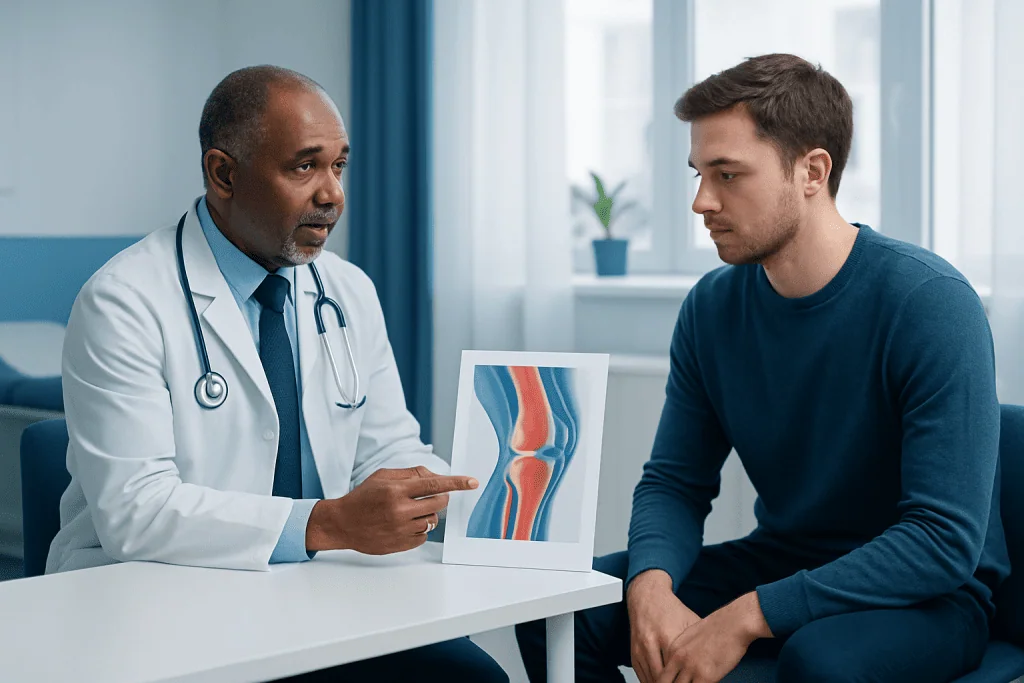
Diagnosis begins with a medical history and physical examination. A doctor will ask when the pain started, what activities make it worse, whether there was a specific injury, and how symptoms affect daily life. During the examination, they may check tenderness, range of motion, strength, flexibility, and the tendon’s response to movement or resisted exercise.
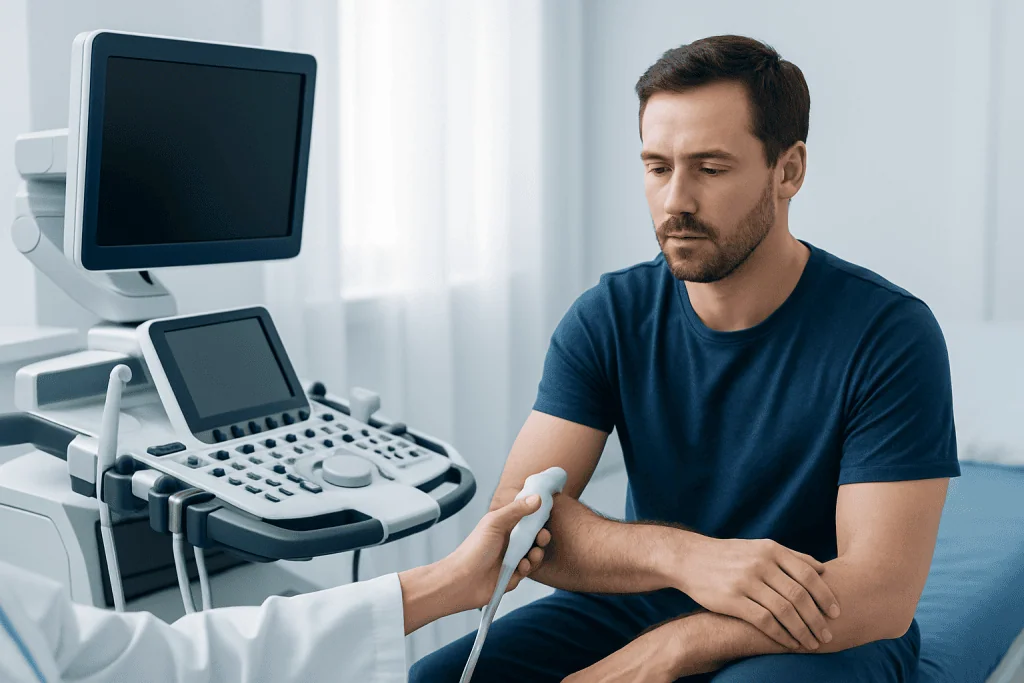
In many cases, tendinosis can be diagnosed clinically without extensive testing. Imaging may be used if symptoms are severe, prolonged, unclear, or if another injury is suspected. Ultrasound can show tendon thickening and changes in the tendon structure, while MRI may provide a more detailed view of soft tissues and help rule out tears or other joint problems.
Doctors also consider other possible causes of pain, such as bursitis, arthritis, nerve irritation, partial tendon tears, or stress injuries. If symptoms involve a major joint or there is concern about more complex damage, a specialist may recommend further orthopedic evaluation and targeted imaging, including MRI scanning when appropriate.
Treatment options and recovery
Treatment for tendinosis usually aims to reduce pain, restore tendon function, and help the tendon gradually tolerate load again. Complete rest is rarely the best long-term solution, because tendons often need carefully guided movement to heal and strengthen. Instead, treatment usually starts with modifying the activities that trigger pain while keeping the body active in safer ways.
Physical therapy is often the main part of care. A therapist may prescribe progressive strengthening exercises, especially eccentric or heavy slow resistance programs, along with stretching, movement retraining, and correction of contributing factors such as weakness or poor mechanics. For many people, this is the most effective path to recovery, particularly when the program is followed consistently over time. In some cases, structured physical therapy and rehabilitation helps restore function and reduce the risk of recurrence.
Short-term pain relief may include ice after activity, temporary activity reduction, braces or supports for selected cases, and nonprescription pain medicines if a doctor says they are appropriate. Because tendinosis is primarily degenerative rather than inflammatory, medicines alone do not correct the underlying tendon changes. Some patients may be offered additional non-surgical treatments depending on the tendon involved, symptom duration, and overall health.
Surgery is not needed for most people, but it may be considered when symptoms remain significant after a well-supervised course of conservative treatment. Procedures differ by tendon and may involve removing damaged tissue, repairing a tear, or addressing mechanical causes of overload. If a tendon has progressed to a more serious structural injury, treatment planning may overlap with care used for Achilles tendon rupture or other tendon tears. In selected orthopedic cases, imaging-guided evaluation and orthopedic rehabilitation may be part of recovery planning.
Self-care and prevention
Self-care can support recovery, but it works best alongside a professional plan when symptoms are ongoing. The main goal is to find the right balance between protecting the tendon and keeping it active. A person may need to temporarily reduce running distance, weight lifted, repetitive gripping, or other triggering tasks while gradually building tendon capacity through exercise.
Useful prevention steps include warming up before activity, increasing exercise intensity gradually, using good technique, allowing recovery days, and strengthening the muscles around the affected joint. Supportive footwear, workplace ergonomic adjustments, and training changes can also reduce repeated tendon stress. People returning to sport after a break should rebuild volume and intensity slowly.
General health matters too. Managing blood sugar, maintaining a healthy body weight, getting enough sleep, and avoiding smoking can all support tendon healing. A tendon may take weeks to months to recover fully, so patience is important. Returning too quickly to painful activity can delay progress and increase the chance of symptoms coming back.
When to seek medical care
Medical advice is recommended if tendon pain lasts more than a few weeks, keeps returning, or begins to interfere with walking, exercise, work, sleep, or daily activities. A person should also seek care if there is clear weakness, loss of function, or if self-care has not helped. Early assessment can make treatment more targeted and may prevent a chronic problem from becoming harder to manage.
Urgent medical evaluation is important if pain follows a sudden injury and is accompanied by a popping sensation, marked swelling, bruising, or difficulty moving the limb or bearing weight. These features can suggest a partial or complete tendon tear rather than tendinosis alone. New numbness, fever, or significant joint redness should also be assessed promptly, as they may point to a different condition.
For people with persistent or complex symptoms, specialist care may be useful. Acibadem International’s multidisciplinary specialists and JCI-accredited hospitals diagnose and treat tendon conditions for international patients, with care plans based on examination, imaging, and rehabilitation goals.
Frequently asked questions
Is tendinosis the same as tendinitis?
Not exactly. Tendinitis usually refers to a more short-term inflammatory tendon problem, while tendinosis describes longer-term degeneration of the tendon fibers. The terms are often used loosely, but the distinction can help guide treatment.
Can tendinosis heal on its own?
Mild cases may improve with activity changes and time, but many people need a structured rehabilitation plan for full recovery. Rest alone may reduce pain temporarily without improving tendon strength. If symptoms persist, medical or physical therapy assessment is helpful.
How long does tendinosis take to get better?
Recovery time varies by tendon, severity, overall health, and how closely the treatment plan is followed. Some people improve within several weeks, while others need a few months or longer. Tendons generally heal slowly, so gradual progress is normal.
Should a person exercise with tendinosis?
In many cases, yes, but the type and amount of exercise matter. Guided strengthening and load management are often central to recovery, while painful overloading activities may need to be reduced. A clinician or physical therapist can help decide what is safe.
What is the best imaging test for tendinosis?
There is no single best test for every situation. Ultrasound is useful for examining tendon structure in real time, while MRI may provide more detail when the diagnosis is uncertain or a tear is suspected. Imaging is usually chosen based on symptoms and examination findings.
Can tendinosis lead to a tendon tear?
A chronically weakened tendon may be more vulnerable to partial or complete tearing, especially if it is suddenly overloaded. This does not happen in every case, but persistent pain and reduced strength should not be ignored. Early treatment may help lower the risk.
References
- American Academy of Orthopaedic Surgeons
- National Institute of Arthritis and Musculoskeletal and Skin Diseases
- American Orthopaedic Society for Sports Medicine
- American Physical Therapy Association
This article is for general information only and is not a substitute for professional medical advice. Please consult a qualified doctor about your individual situation.
Joint and spine care in Turkey — expert assessment & treatment
JCI-accredited · board-certified surgeons · reply within 24h
Add us as a Preferred Source to see more of our trusted health content across Google Search, AI Overviews and Discover.